We have five factories and 23 years of experience in plant extracts
- 0086-571-85302990
- [email protected]






What is the recommended dosage of bamboo supplements?
2026-08-14
Bamboo supplements have quietly become one of the most popular natural choices for people who want stronger hair, healthier nails, and better bone support. The reason is simple: bamboo is one of the richest natural sources of silica, a mineral that plays a key role in collagen production and connective tissue health. But once you decide to try them, the most common question is also the most practical one: how much should you actually take? The honest answer is that there is no single universal dose, because bamboo supplements vary widely in concentration and standardization. This guide breaks down the recommended dosage of bamboo supplements by goal, explains how to read a label, and helps you choose a product you can trust.
What is inside a bamboo supplement?
Most bamboo supplements are made from the leaves and stems of species such as Bambusa vulgaris, and they are valued for two groups of active compounds. The first is silica, which can make up as much as 70% of a standardized extract and is roughly ten times more concentrated than horsetail, another traditional silica source. The second is a family of antioxidant flavonoids, including orientin, isoorientin, vitexin, and isovitexin, along with phenolic acids such as chlorogenic acid. This combination is what separates bamboo from a simple mineral supplement: it delivers both the structural mineral and the botanical antioxidants in one ingredient.
Because of this profile, Bamboo Leaf extract is commonly used to support hair, skin, and nail strength, as well as bone mineral density and joint comfort. Understanding what you are taking is the first step toward finding the right dose, because the dose that makes sense depends on how concentrated the extract is.
Recommended dosage by goal
Dosage recommendations for bamboo supplements are usually given in one of two ways: as milligrams of the extract itself, or as milligrams of elemental silicon. Both are useful, but they are not the same thing, so it helps to think about them separately.
For general hair, skin, and nail support, most products recommend 300 to 600 mg of a standardized bamboo extract daily, typically standardized to 70% to 75% silica. A common serving is one or two capsules of 300 mg each, which provides roughly 210 mg of organic silica. For everyday maintenance, a more moderate dose of 100 to 300 mg per day is often enough, especially if you already get some silica from your diet.
If you prefer to think in terms of elemental silicon, the typical Western diet provides about 20 to 50 mg of silicon per day from food. For a targeted therapeutic effect, research commonly uses 10 to 30 mg of elemental silicon per day from a bioavailable source, with some studies going up to 40 mg. There is no official recommended daily allowance for silicon, but this range is widely used in clinical research and product development.
The table below summarizes the most common dosage ranges so you can match them to your goal.
| Goal | Typical extract dose | Typical elemental silicon |
| Everyday maintenance | 100–300 mg daily | 10–20 mg daily |
| Hair, skin & nail support | 300–600 mg daily | 20–30 mg daily |
| Bone & connective tissue support | 300–600 mg daily | 20–40 mg daily |
How to read a bamboo supplement label
The single most important number on a bamboo supplement label is the silica content, not just the total weight of the capsule. A 300 mg capsule of raw bamboo powder contains far less silica than a 300 mg capsule of extract standardized to 70% silica. When comparing products, always calculate the amount of usable silica per serving rather than comparing capsule sizes. This is also why two products with the same serving size can have very different effects.
If you are buying Bamboo Leaf extract as a raw ingredient for your own product line, the same logic applies in reverse. You want to confirm the extraction ratio, the standardized silica percentage, and the test results before you commit to a batch. A reliable plant extract supplier should be able to provide this documentation openly.
When and how to take bamboo supplements
Timing is not critical, but a few simple habits make the supplement easier to absorb and easier to remember. Taking capsules with a meal, especially breakfast, supports absorption and minimizes any mild digestive sensitivity. For bone support, pairing bamboo with a meal that contains calcium and vitamin D makes sense, because silicon helps the body use these minerals more effectively. Some people prefer to split the daily dose into morning and evening servings for more even delivery, though a single daily dose works fine for most.
Powder forms can be stirred into water, smoothies, or food. If you are using bamboo leaf tea, steeping one or two teaspoons of dried leaves for ten to fifteen minutes and drinking one to three cups a day is the traditional approach, though tea delivers less concentrated silica than a standardized extract.
How long before you see results
Bamboo supplements are not fast-acting, and that is normal. Nail strength can improve within four to eight weeks, while visible changes in hair thickness and shine usually take three to six months of consistent use. Skin elasticity improvements are typically seen after three to five months, and bone health benefits are measured over six to twelve months in clinical research. The key is consistency: silica stays in the body for roughly thirty days before excretion, so a regular daily routine matters far more than occasional large doses.
Safety and who should be careful
Bamboo supplements are generally considered safe for long-term daily use, and the silica they contain is amorphous rather than crystalline, which is the form that is safe to consume. There are no clinically significant drug interactions reported for bamboo silica in the available literature. Still, a few groups should exercise caution. Anyone taking diuretic medication should be aware that silicon is excreted through urine, and very high silica doses taken at the same time as other minerals may theoretically compete for absorption, so spacing them by an hour or two is a reasonable precaution. Pregnant or nursing women, and anyone with a medical condition, should check with a healthcare professional before starting any new supplement.
Choosing a quality bamboo supplement
Because bamboo supplements are only as good as their raw material, the source of the extract matters a great deal. Look for manufacturers with transparent testing, documented extraction processes, and recognized certifications. Greensky, a Hangzhou-based manufacturer with more than twenty years of experience in natural plant extracts, produces Bamboo Leaf extract rich in silicon, antioxidants, and chlorogenic acid. The company operates a 100,000-class clean production area, runs its own laboratory equipped with HPLC and other analytical instruments, and holds certifications including ISO22000, BRCGS, HALAL, and Kosher. For brands and formulators looking for a dependable source of plant extract raw materials, this level of traceability is exactly what you want to verify before placing an order.
The bottom line
For most people, a daily dose of 100 to 300 mg of bamboo extract is a sensible starting point for general maintenance, while 300 to 600 mg per day is the range most commonly used for targeted hair, skin, nail, and bone support. When you are comparing products, focus on the standardized silica content per serving rather than the total capsule weight, and be consistent with your daily routine, because bamboo works gradually. If you are sourcing Bamboo Leaf extract for a commercial product, choose a supplier who can show you the test results and certifications behind every batch.
TAGS:
FAQ
- ▶ Hesperidin
- ▶ Citrus Bioflavonoids
- ▶ Plant Extract
- ▶ lycopene
- ▶ Diosmin
- ▶ Grape seed extract
- ▶ Sea buckthorn Juice Powder
- ▶ Fruit Juice Powder
- ▶ Hops Extract
- ▶ Artichoke Extract
- ▶ Mushroom extract
- ▶ Astaxanthin
- ▶ Green Tea Extract
- ▶ Curcumin
- ▶ Horse Chestnut Extract
- ▶ Other Product
- ▶ Boswellia Serrata Extract
- ▶ Resveratrol
- ▶ Marigold Extract
- ▶ Grape Leaf Extract
- ▶ New Product
- ▶ Aminolevulinic acid
- ▶ Cranberry Extract
- ▶ Red Yeast Rice
- ▶ Red Wine Extract
- ▶ blog
Recommended Products
-
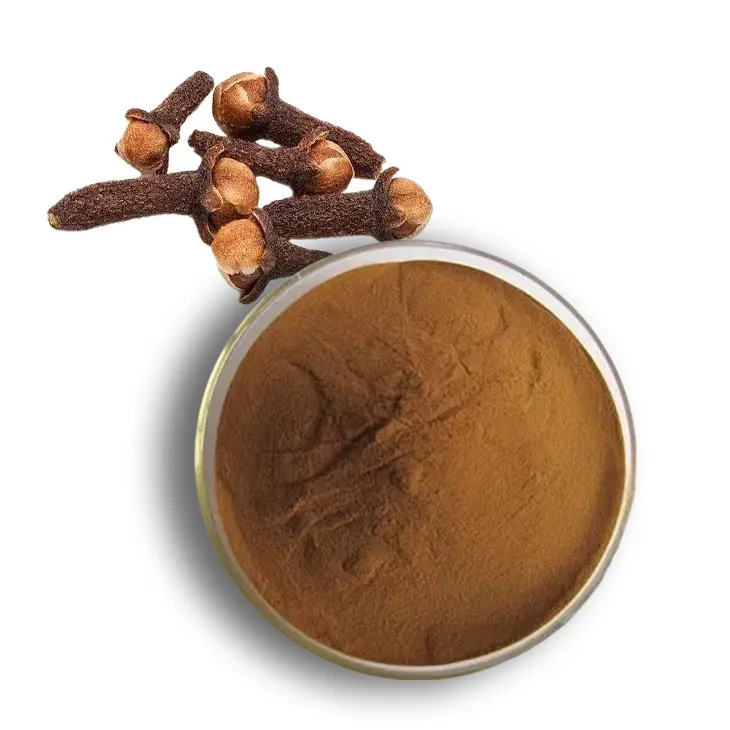
Clove Powder
2026-08-14
-
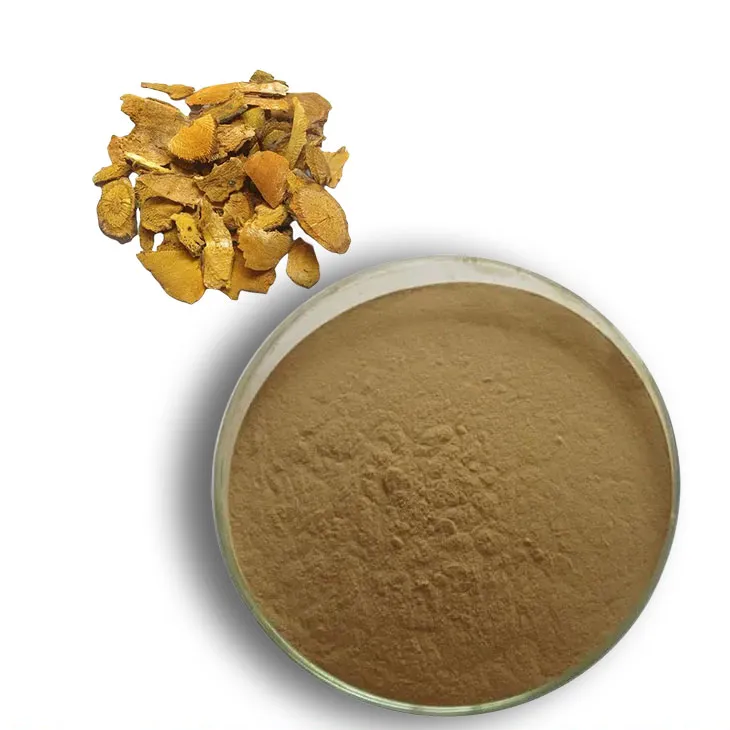
Polygonum Cuspidatum Extract
2026-08-14
-
Wheat Germ Extract
2026-08-14
-
Nettle Root Extract
2026-08-14
-
Lemon Balm Extract
2026-08-14
-
Sea buckthorn oil
2026-08-14
-
Garcinia Cambogia Extract
2026-08-14
-
Centella Asiatica Extract
2026-08-14
-
Senna Leaf Extract
2026-08-14
-
Kupilu Extract
2026-08-14
Get a Quote
