- 0086-571-85302990
- [email protected]






What is the minimum order quantity from a plant extract manufacturer?
2026-08-18
If you are sourcing botanical ingredients for a supplement brand, a beverage line, or a cosmetics range, the minimum order quantity (MOQ) is usually one of the first numbers you will ask about. It decides how much you need to commit financially, how much warehouse space you need, and how quickly you can test a new ingredient in your own formulations. Yet the answer is rarely a single number. Different manufacturers quote different MOQs depending on the product, the specification, and the way the goods are shipped. Understanding how MOQs work in the plant extract industry will help you plan your budget, negotiate with confidence, and avoid surprises further down the line.
This guide explains what an MOQ really means when you deal with a plant extract manufacturer, why manufacturers set them, what ranges you can expect, and how to negotiate terms that suit a business of your size.
What Is an MOQ and Why Do Manufacturers Set One?
An MOQ is the smallest quantity a supplier is willing to produce or sell in a single order. For a manufacturer, it is not an arbitrary rule. Producing a plant extract involves raw material sourcing, extraction, concentration, drying, testing, and packaging. Each batch carries fixed costs: setting up equipment, running quality control, preparing documentation, and arranging shipment. If a batch is too small, those fixed costs push the unit price to an unreasonable level for both sides. The MOQ is essentially the point where the manufacturer can still deliver a consistent, well-tested product at a price that makes sense.
There is also a quality angle. A reputable manufacturer wants every batch to meet the same specification, from assay to heavy metal limits. Running a meaningful quality control program is only practical above a certain batch size. So a realistic MOQ is often a sign of a serious producer rather than a barrier put in your way.
Typical MOQ Ranges in the Plant Extract Industry
MOQs vary widely across the industry, but they tend to fall into a few recognizable bands. For standard products that a manufacturer keeps in stock, trial orders can start as low as 1 kilogram. This is common for courier shipments, where a small parcel is quick and inexpensive to send. For products that need to be produced to order, a trial batch is often in the range of 5 to 25 kilograms. Once you move to regular commercial orders, MOQs commonly sit between 25 and 100 kilograms, and for air or sea freight the practical minimum is often 50 to 100 kilograms because of the way freight costs are structured.
Some high-volume commodities, such as widely used extracts that are produced in very large batches, may carry higher MOQs of several hundred kilograms. At the other end of the scale, high-value or specialty extracts are often available in smaller quantities because each kilogram is worth more. The key takeaway is that MOQ is product-specific. Asking "what is your MOQ?" without naming a product and specification will only give you a rough answer.
What Affects a Manufacturer's MOQ?
Several factors combine to shape the MOQ you are quoted. Understanding them helps you see which parts of the requirement are flexible.
Product and specification. A standard extract with a common specification, such as a 10:1 ratio or a fixed assay, is easier to produce in small runs because the process is well established. A custom specification, a new solvent system, or a bespoke ratio means more setup work, so the MOQ will be higher.
Stock availability. If the manufacturer holds the product in stock, the MOQ can be very low because there is no production setup involved. If the batch must be manufactured from raw materials, the MOQ reflects the minimum economical production run.
Shipping method. Freight costs are a major part of the equation. Courier shipments work well for 1 to 10 kilograms, air freight becomes economical around 50 kilograms, and sea freight usually starts at 100 kilograms or more. Many manufacturers align their MOQ with the shipping method you plan to use.
Packaging. Bulk extract is typically packed in drums of 20 to 25 kilograms, so an MOQ is often set to a multiple of the standard drum size. Custom packaging, such as small foil bags or private-label containers, adds handling work and usually raises the MOQ.
Value of the product. For expensive extracts, a smaller quantity still represents a meaningful order value, so manufacturers can afford a lower MOQ. For inexpensive, high-volume extracts, the MOQ tends to be higher to keep the order value viable.
Manufacturer vs. Trading Company MOQs
It is worth knowing who you are actually buying from, because it directly affects the MOQ. A manufacturer owns the production line and controls the whole process from raw material to finished powder. Because they carry the production cost, their MOQs are typically higher, but you get direct access to the factory, better pricing, and more flexibility on customization.
A trading company or middleman resells products sourced from various factories. Their MOQs are often lower because they can combine small quantities from different producers, but you pay a markup and have less control over quality and traceability. For a business that plans to grow, building a relationship with a real plant extract supplier usually pays off in the long run through better pricing, consistent quality, and direct technical support.
How to Negotiate a Favorable MOQ
MOQs are rarely written in stone, and most manufacturers are happy to discuss terms with a serious buyer. A few practical steps can help you get a starting quantity that fits your stage of business.
Start with samples. Before committing to any quantity, request samples for lab testing and formulation trials. Most reputable manufacturers provide small samples, often free or at a nominal cost, together with a certificate of analysis. This lets you verify quality before you spend anything significant.
Place a small trial order. A trial order of 1 to 10 kilograms is a reasonable way to test the manufacturer's consistency, packaging, documentation, and communication. It also builds trust that makes a lower MOQ easier to negotiate later.
Combine products. If you need several extracts, ask whether you can combine them into one order to reach a total value that satisfies the MOQ. Many manufacturers are flexible when the overall order is worthwhile.
Commit to a schedule. A forecast of regular orders over a period of time is often more attractive to a manufacturer than a single large order. If you can commit to repeat volumes, you may secure a lower MOQ and better pricing.
Be clear about your plans. Explain what you are developing and your expected volumes. Manufacturers are more willing to accommodate a buyer who is transparent about growth plans than one who appears to be shopping around for the lowest possible starting quantity.
Questions to Ask Before Your First Order
The MOQ is only one part of the picture. Before you commit, make sure you have clear answers on the points that protect your product and your reputation.
Ask for the certificate of analysis for the specific batch, and confirm which assays and purity tests are performed. Check what certifications the factory holds, such as ISO, HACCP, Kosher, or Halal, and whether they match the requirements of your target market. Confirm the lead time for production and delivery, the packaging options, and the shelf life of the product. Finally, clarify the payment terms and the documentation you will receive, including the certificate of analysis, specification sheet, and shipping documents. A manufacturer that answers these questions openly is a safer partner than one that only wants to talk about price.
Why Working with a Manufacturer Like Greensky Helps
Greensky is a good example of what to look for in a long-term partner. Founded in 2004 and headquartered in Hangzhou, the company is a professional manufacturer of natural plant extracts, functional red yeast rice, and health product raw materials. With five wholly owned subsidiaries and full vertical integration, it controls research, development, production, and sales within one group, which means buyers deal directly with the source rather than a middleman.
The company operates a 100,000-class clean production area that meets food-grade requirements, and its independent laboratory is equipped with GC, HPLC, and UV instruments for in-house quality control. Its certifications include ISO22000, BRCGS, Ecocert Organic Standard, SGS-GMP, ISO9001, HALAL, and Kosher, covering the requirements of most export markets. With export value reaching nearly 30 million US dollars in 2023 and customers across Europe, the United States, South Korea, and Russia, Greensky has the production capacity and experience to support buyers as they grow from a trial order to regular bulk supply.
If you are evaluating a supplier, ask about their MOQ policy, their sample program, and their production and testing capabilities. A manufacturer that is transparent about all of these is one you can build a reliable supply chain around.
Conclusion
The minimum order quantity from a plant extract manufacturer is not a single fixed number. It depends on the product, the specification, the packaging, the shipping method, and the value of the order. For standard in-stock items, trial quantities can start at 1 kilogram, while produced-to-order and bulk shipments typically require 25 to 100 kilograms or more. The best approach is to start with samples, place a small trial order, and build a direct relationship with a manufacturer that can grow with you.
By understanding how MOQs work and asking the right questions, you can secure terms that fit your budget today while keeping the door open for the volumes you will need tomorrow. When you are ready to compare options, contact a plant extract manufacturer directly and ask for their MOQ policy, sample program, and quality documentation. A transparent answer to those three questions tells you most of what you need to know about a potential partner.
TAGS:
- ▶ Hesperidin
- ▶ Citrus Bioflavonoids
- ▶ Plant Extract
- ▶ lycopene
- ▶ Diosmin
- ▶ Grape seed extract
- ▶ Sea buckthorn Juice Powder
- ▶ Fruit Juice Powder
- ▶ Hops Extract
- ▶ Artichoke Extract
- ▶ Mushroom extract
- ▶ Astaxanthin
- ▶ Green Tea Extract
- ▶ Curcumin
- ▶ Horse Chestnut Extract
- ▶ Other Product
- ▶ Boswellia Serrata Extract
- ▶ Resveratrol
- ▶ Marigold Extract
- ▶ Grape Leaf Extract
- ▶ New Product
- ▶ Aminolevulinic acid
- ▶ Cranberry Extract
- ▶ Red Yeast Rice
- ▶ Red Wine Extract
- ▶ blog
-
Tinospora cordifolia extract
2026-08-18
-
Pomegranate Extract
2026-08-18
-
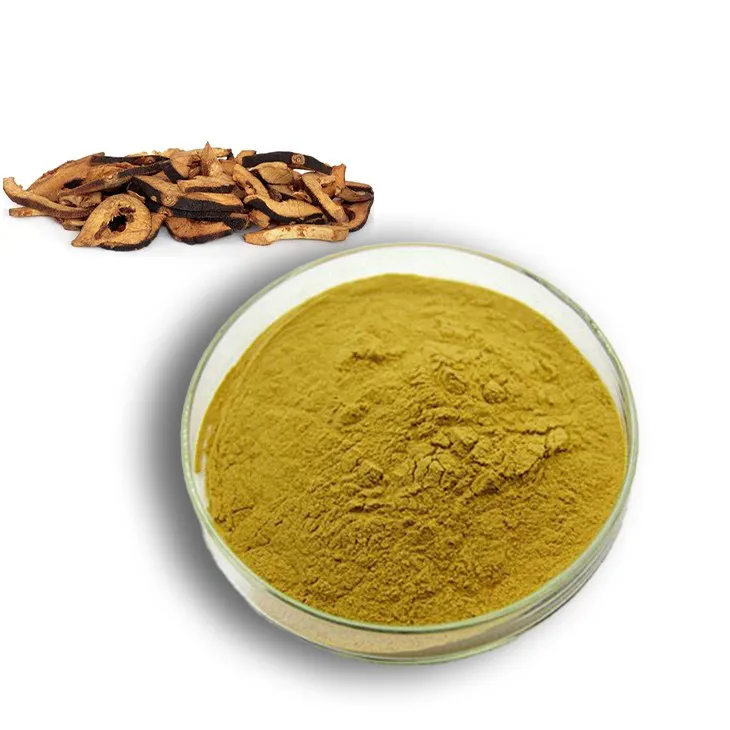
Citrus Aurantium Extract
2026-08-18
-
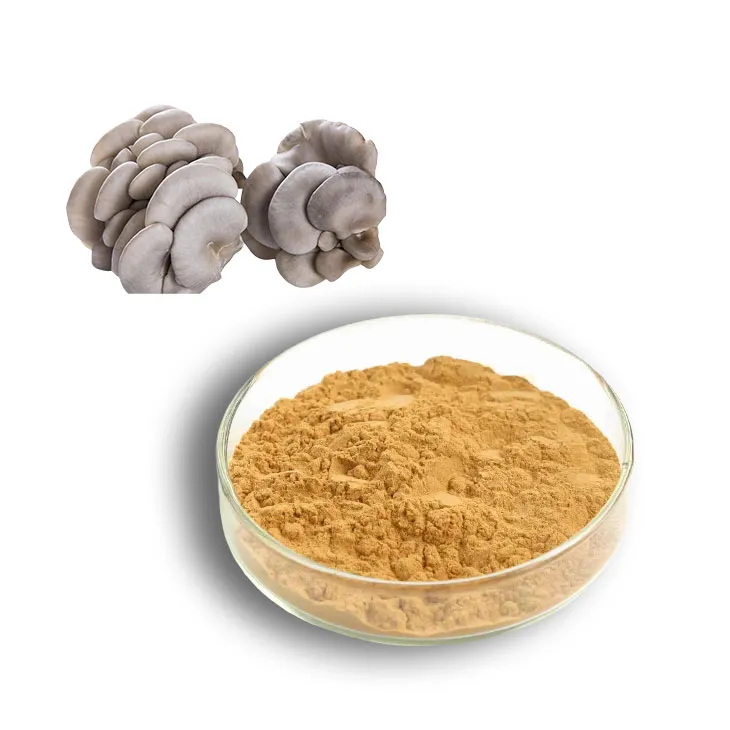
Oyster Mushroom Extract Powder
2026-08-18
-
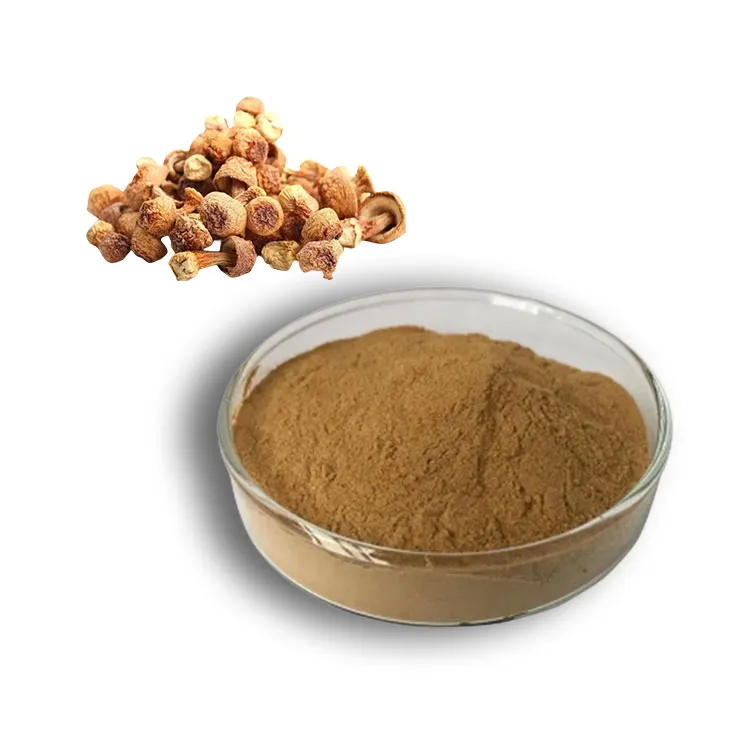
Agaricus Blazei Extract
2026-08-18
-
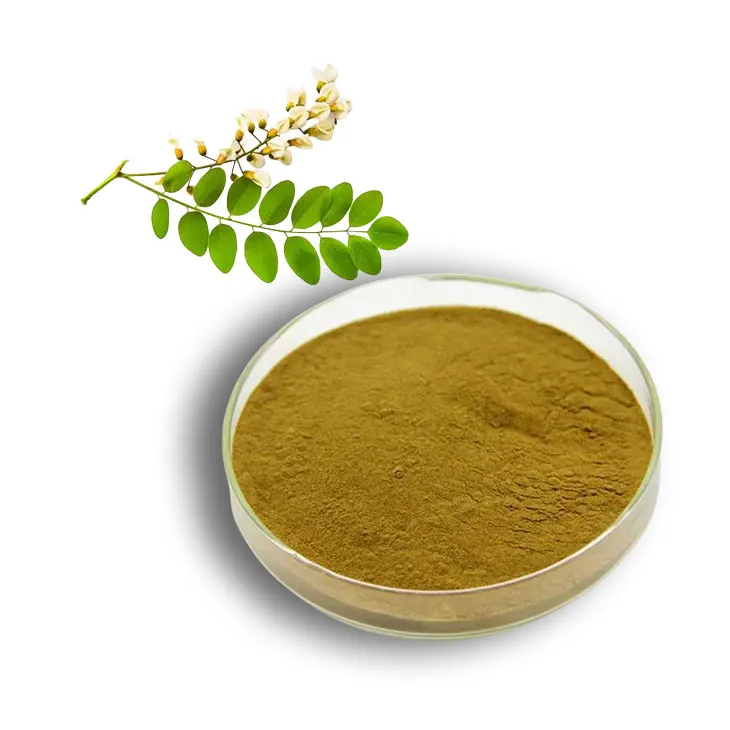
Sophora Japonica Flower Extract
2026-08-18
-
Polygonum Cuspidatum Extract
2026-08-18
-
White Peony Extract
2026-08-18
-
Beta Carotene
2026-08-18
-
Honeysuckle Pollen
2026-08-18
