- 0086-571-85302990
- [email protected]






What is the meaning of curcumin vs turmeric?
2026-08-19
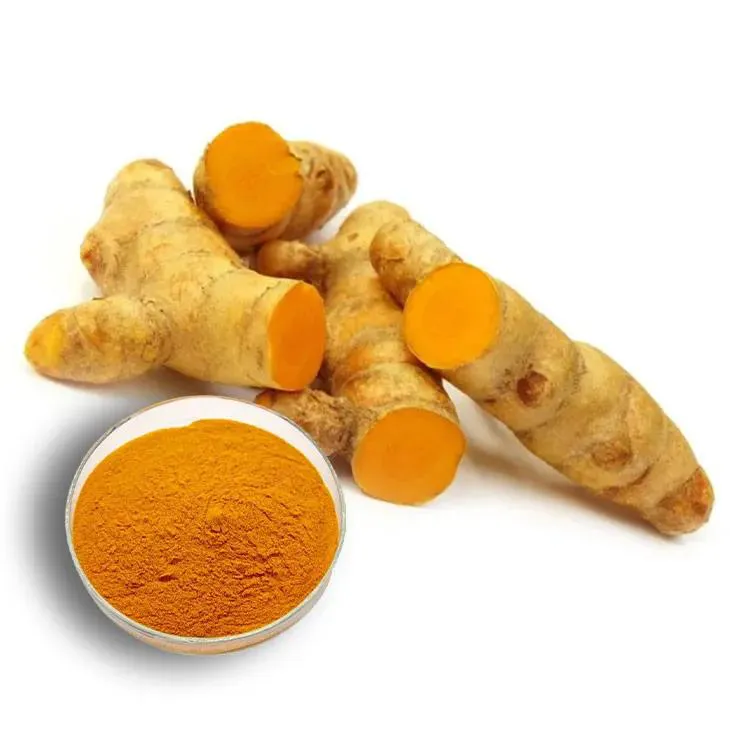
If you have ever shopped for a golden spice in the supermarket or browsed supplement shelves for joint support, you have almost certainly met both turmeric and Curcumin. The two names are often used as if they mean the same thing, yet they describe different things. Turmeric is the whole plant ingredient; Curcumin is a single compound inside it. Understanding the difference matters, whether you are choosing a spice for your kitchen or evaluating raw material for a supplement brand.
This article explains what turmeric and Curcumin really are, how they differ, and what the distinction means for anyone buying or formulating with these ingredients.
What is turmeric?
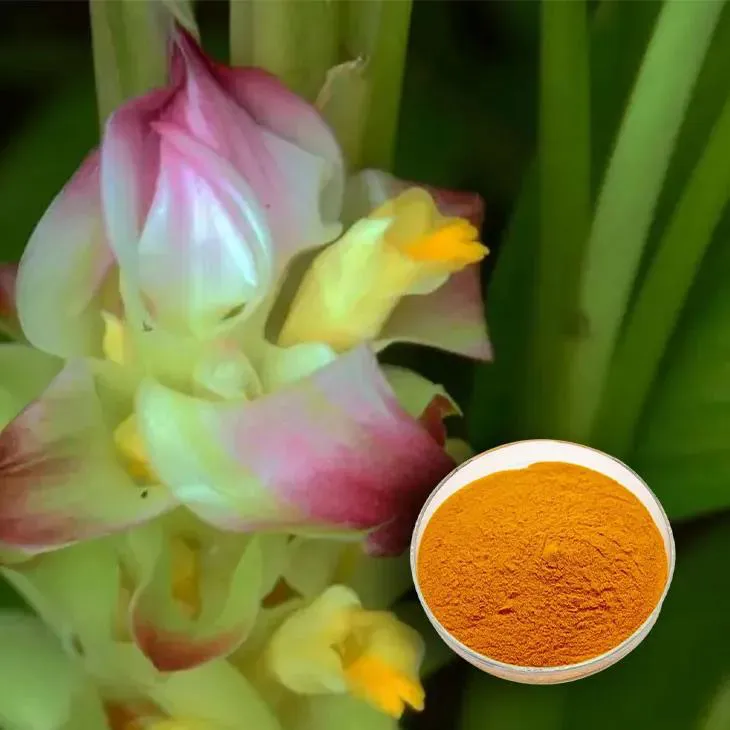
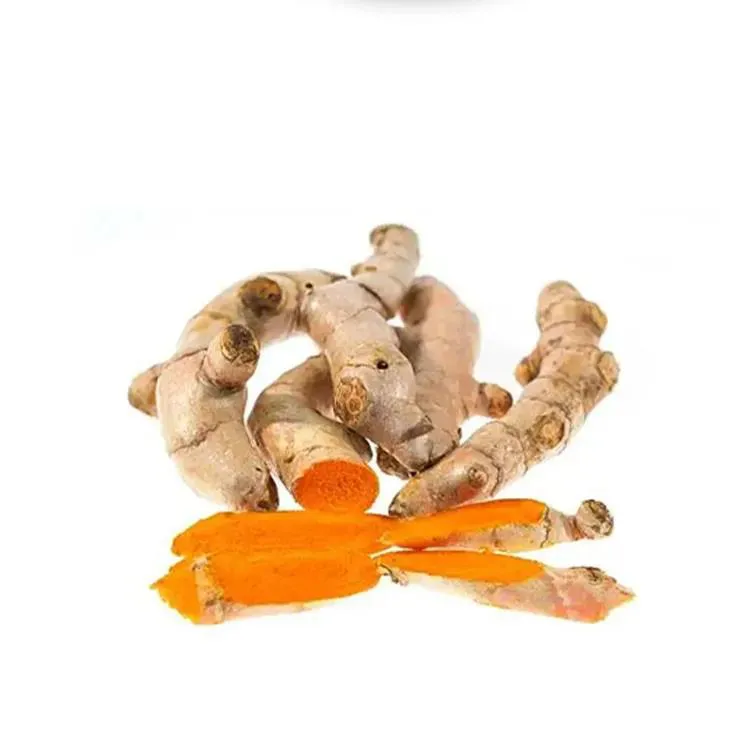
Turmeric is a bright yellow spice made from the dried and ground rhizome (underground stem) of Curcuma longa, a plant in the ginger family native to South Asia. For thousands of years it has been a staple of Indian cooking and a fixture of Ayurvedic and traditional Chinese medicine, where it was used to support digestion, circulation, and general wellness.
The whole spice is a complex mixture. Beyond its familiar color and earthy flavor, turmeric contains more than two hundred naturally occurring compounds, including curcuminoids, volatile oils, and a range of other polyphenols and antioxidants. It also brings small amounts of dietary fiber and minerals to the table. In other words, turmeric is not one active ingredient but a whole package of plant chemistry.
What is curcumin?
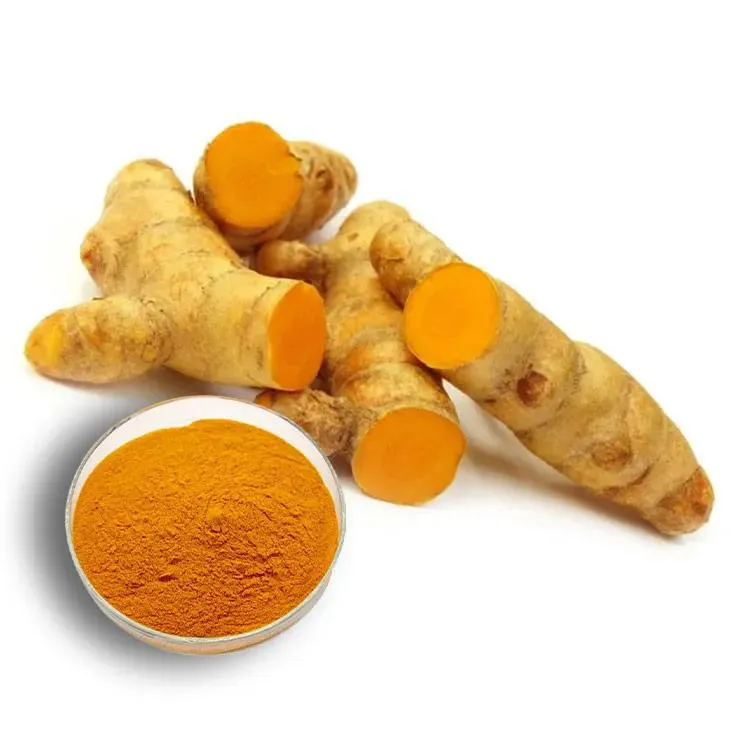
Curcumin is the main bioactive polyphenol found in turmeric and the compound responsible for its golden-yellow color. Although it accounts for only a small share of the spice by weight, it is the most studied component of turmeric and the one behind most of the anti-inflammatory and antioxidant effects researchers have reported.
Because curcumin is present in turmeric in limited amounts, commercial extracts are produced by concentrating the rhizome. A typical standardized extract is rich in curcuminoids, the family of compounds that includes curcumin itself along with demethoxycurcumin and bisdemethoxycurcumin. When you see a supplement labeled with a curcuminoid percentage, it refers to how much of this active fraction the extract contains.
Curcumin vs turmeric: the key differences
The simplest way to keep the two straight is to remember that turmeric is the source and curcumin is the star compound. Here is how they compare in practice:
- What they are: Turmeric is the whole dried rhizome ground into a spice; curcumin is a concentrated active compound extracted from that rhizome.
- Composition: Turmeric contains hundreds of compounds working together; curcumin is a single molecule within that mixture.
- Concentration: Curcumin makes up only a small percentage of raw turmeric, which is why extracts are needed to deliver a meaningful dose.
- Use: Turmeric suits everyday cooking and general wellness; Curcumin Extracts are used in supplements and functional foods that target specific concerns such as joint comfort and antioxidant support.
Health benefits: what the science points to
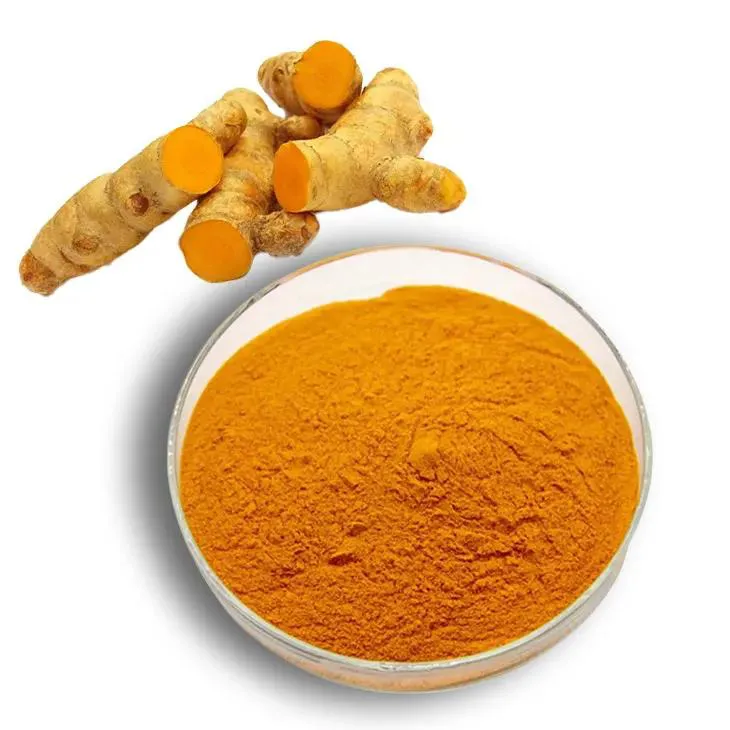
Both forms have been studied for their wellness potential, and their benefits overlap because curcumin is the main driver of turmeric's effects.
Curcumin is best known as a powerful antioxidant and anti-inflammatory agent. Research has linked it to support for joint comfort, cardiovascular health, and healthy glucose metabolism, and it has been examined for its role in mood and cognitive function. Turmeric, for its part, offers the same antioxidant and anti-inflammatory activity in a gentler, food-friendly form, and the variety of compounds in the whole spice may work together in ways a single molecule cannot.
For everyday health and cooking, turmeric is the practical choice. For a targeted, higher-dose approach, a standardized Curcumin Extract is usually the better fit.
Why bioavailability matters
There is one catch with curcumin: it is poorly absorbed on its own. The molecule does not dissolve well in water and is metabolized quickly, so a large share of what you consume never reaches the bloodstream. This is why so many curcumin products are formulated to improve absorption.
The most common strategies include combining curcumin with piperine, the active compound in black pepper, which studies report can significantly enhance absorption; pairing it with lipids or fats to improve solubility; and using specially processed forms such as micronized or liposomal curcumin. Whole turmeric, by contrast, contains natural oils that modestly support absorption, and eating it with fat and black pepper helps as well.
Which should you choose?
There is no single right answer because the two serve different purposes. If you want flavor, color, and gentle everyday support, turmeric is the natural fit. If you are formulating a supplement, functional food, or beverage that needs a meaningful, consistent dose of active curcuminoids, a standardized extract is the way to go.
For manufacturers and brands, the practical question is not turmeric versus curcumin but where to source a reliable extract. A dependable Curcumin Supplier should be able to document the curcuminoid content of every batch, share test results, and back the product with recognized quality certifications.
What to look for in a curcumin supplier
Because Curcumin Extracts vary widely in purity and quality, choosing the right partner matters as much as choosing the right ingredient. Experienced buyers typically evaluate a few things before committing to a Curcumin Manufacturer:
- Standardization: Confirm the extract is standardized to a stated curcuminoid level so every batch delivers the same active content.
- Testing and traceability: Look for a supplier that runs its own laboratory and can provide certificates of analysis for purity, heavy metals, and microbiological safety.
- Certifications: Recognized certifications such as ISO, HACCP, Kosher, and Halal give confidence that production follows consistent, audited standards.
- Production capability: A manufacturer with in-house extraction and quality control can offer better consistency and supply security than a trading company.
Greensky, a plant extract manufacturer founded in 2004 and headquartered in Hangzhou, China, checks these boxes. The company has spent more than twenty years producing active botanical ingredients, operates its own extraction facilities and an independent laboratory equipped with HPLC, GC, and UV instruments, and holds certifications including ISO22000, BRCGS, HALAL, and Kosher. Its curcumin extract is produced under food-grade conditions and is available for brands looking for wholesale curcumin with consistent quality and full documentation.
Final thoughts
Turmeric and curcumin are related but not interchangeable. Turmeric is the whole spice, rich in a broad range of plant compounds; curcumin is its most studied active ingredient and the reason the spice earns most of its reputation. For everyday use, turmeric is hard to beat. For targeted, measurable doses, a standardized curcumin extract is the more effective option.
Whichever you choose, the quality of the source determines the quality of the result. Working with an experienced manufacturer that can document purity, potency, and safety is the surest way to get the benefits the research describes.
TAGS: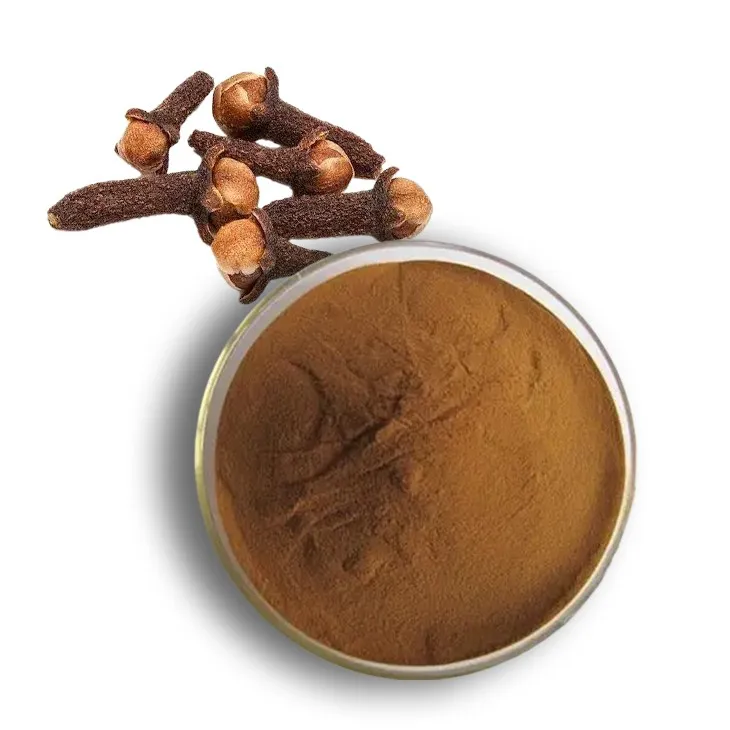
- ▶ Hesperidin
- ▶ Citrus Bioflavonoids
- ▶ Plant Extract
- ▶ lycopene
- ▶ Diosmin
- ▶ Grape seed extract
- ▶ Sea buckthorn Juice Powder
- ▶ Fruit Juice Powder
- ▶ Hops Extract
- ▶ Artichoke Extract
- ▶ Mushroom extract
- ▶ Astaxanthin
- ▶ Green Tea Extract
- ▶ Curcumin
- ▶ Horse Chestnut Extract
- ▶ Other Product
- ▶ Boswellia Serrata Extract
- ▶ Resveratrol
- ▶ Marigold Extract
- ▶ Grape Leaf Extract
- ▶ New Product
- ▶ Aminolevulinic acid
- ▶ Cranberry Extract
- ▶ Red Yeast Rice
- ▶ Red Wine Extract
- ▶ blog
-
Beetroot Powder
2026-08-19
-
Cocoa Extract
2026-08-19
-
Aguaje Extract
2026-08-19
-
Shikone Extract
2026-08-19
-
American Ginseng Root Extract
2026-08-19
-
Propolis Extract Powder
2026-08-19
-
Hawthorn Extract
2026-08-19
-
Phyllanthus Emblica Extract
2026-08-19
-
Phosphatidylserine
2026-08-19
-
Purple Sweet Potato Extract
2026-08-19
