- 0086-571-85302990
- [email protected]






What is the main source of curcumin?
2026-08-14
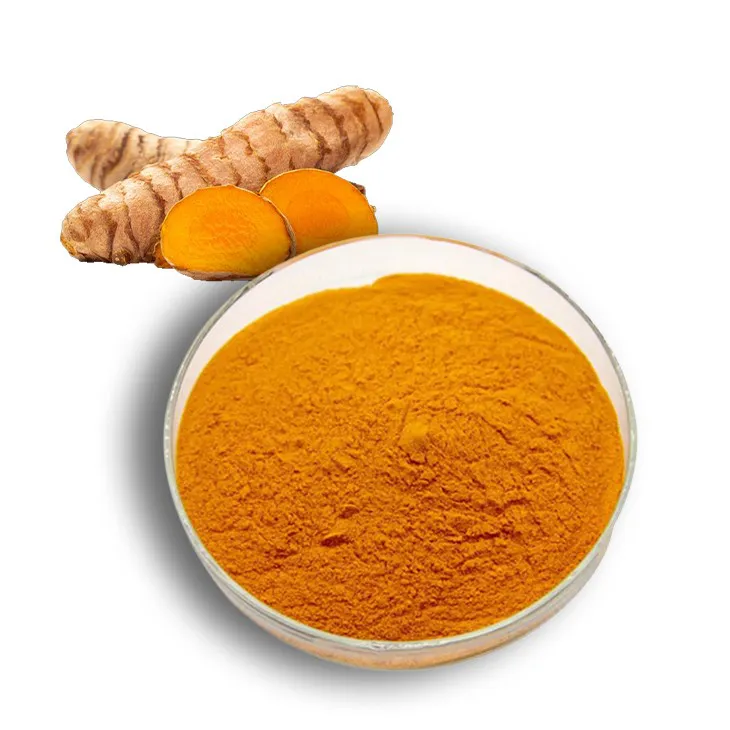
If you have ever looked at the label of a turmeric or joint-support supplement, you have almost certainly seen the word Curcumin. It is the yellow pigment that gives turmeric its signature color, and it is the compound behind most of the plant's well-known health benefits. But before you source this ingredient, it helps to know exactly where it comes from, what it contains, and why the source matters. This article answers the most common question first: what is the main source of Curcumin?
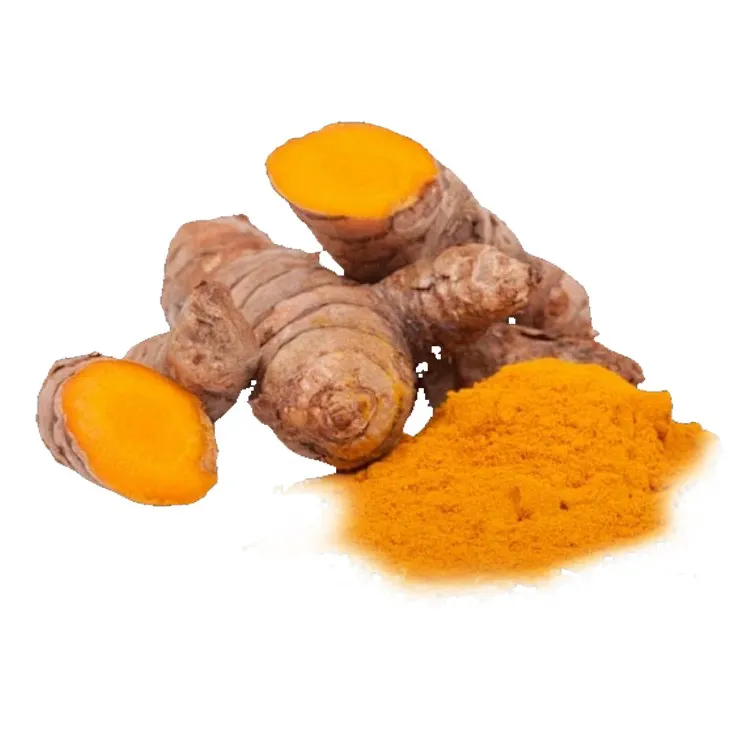
Curcumin comes from the turmeric rhizome
The main and most important source of curcumin is turmeric, a rhizomatous perennial plant whose scientific name is Curcuma longa. It belongs to the ginger family, Zingiberaceae. Curcumin is concentrated in the rhizome, the underground stem of the plant that is usually dried and ground into the familiar yellow powder. In other words, virtually all commercial curcumin on the market today is extracted from turmeric rhizomes.
Turmeric is grown widely in tropical and subtropical regions, with India being the largest global producer. The curcumin content of a given turmeric batch is not fixed; it can vary depending on the cultivation area, the variety, and the harvest time. In Curcuma longa, curcuminoid compounds typically make up roughly 1% to 6% of the dried rhizome, which is why turmeric powder alone delivers only a small amount of curcumin, while a standardized extract can deliver a much higher concentration.
More than one curcuminoid
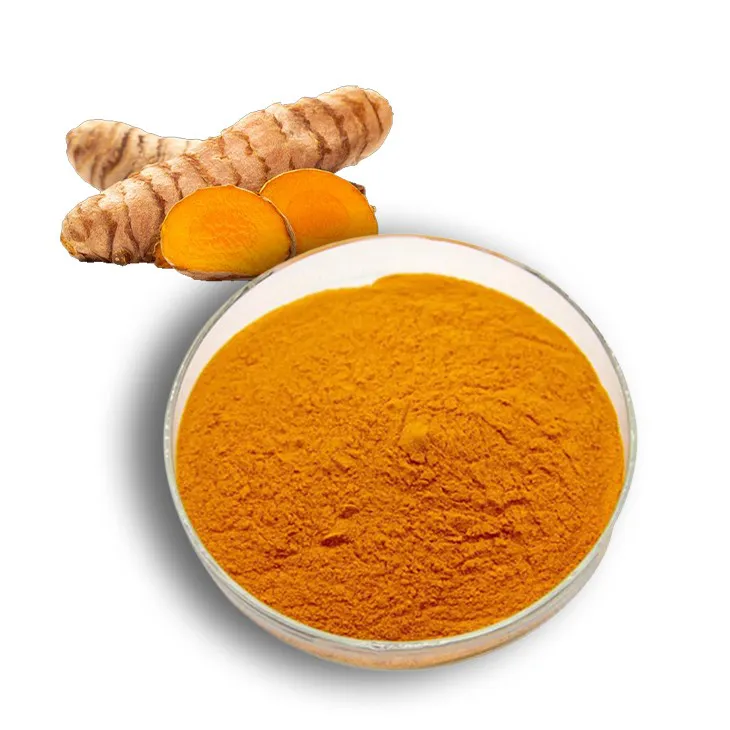
Strictly speaking, curcumin is the most abundant member of a family of compounds known as curcuminoids. Alongside curcumin, turmeric rhizomes also contain demethoxycurcumin and bisdemethoxycurcumin in smaller amounts. When manufacturers talk about a "95% curcumin" extract, they are usually referring to the total curcuminoid content of the product. Understanding this distinction matters when you specify a material, because the ratio of individual curcuminoids affects both the color and the profile of the finished ingredient.
How curcumin is obtained from turmeric
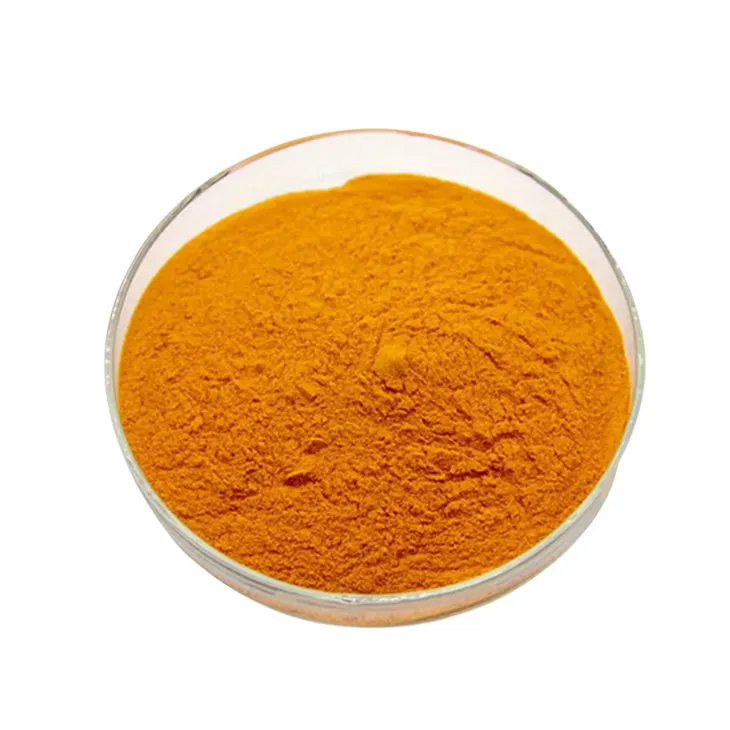
Once the turmeric rhizomes are harvested and dried, curcumin is recovered through an extraction process. The dried and finely ground root material is treated with a solvent, and the solvent is then removed to leave a concentrated, high-purity extract. Different methods, such as conventional solvent extraction or more advanced techniques, can be used, but the goal is always the same: to separate the valuable curcuminoids from the rest of the plant matrix and deliver a clean, standardized product.
For buyers, the extraction method and the quality control behind it matter as much as the botanical source. A reliable curcumin manufacturer will be able to document the purity, the curcuminoid profile, and the safety of the batch with clear test reports.
Why the source and the supplier matter
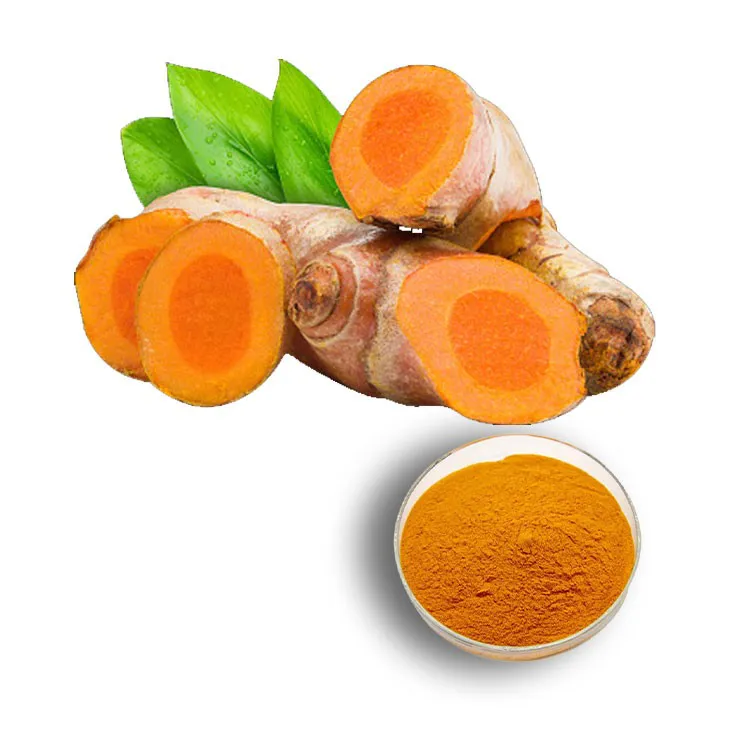
Because curcumin must be concentrated before it becomes a meaningful ingredient, the quality of the final material depends heavily on where the turmeric comes from and how carefully it is processed. When you evaluate a curcumin supplier, look for three things: a consistent botanical source, a documented extraction process, and independent testing that confirms the claimed purity. A supplier that can provide pure curcumin with a stable curcuminoid ratio and full certificates is far easier to build a dependable supply chain around.
Sourcing curcumin from a trusted partner
Hangzhou Greensky Biological Tech. Co., Ltd. is a professional manufacturer of natural plant extracts with more than 20 years of experience in producing active botanical ingredients. Greensky supplies standardized curcumin and turmeric extracts to brands in the dietary supplement, food, and beverage industries around the world. Its vertically integrated group, independent testing laboratory, and compliance with certifications such as ISO22000, BRCGS, and HALAL are designed to give buyers confidence in both the source and the consistency of every batch.
If you are planning a formulation around turmeric or curcumin, it is worth discussing your target specification with an experienced partner. The right raw material source, combined with a responsible curcumin manufacturer, can make the difference between a solid product and a supply chain you have to worry about.
In short, the main source of curcumin is the rhizome of turmeric, Curcuma longa. The compound is concentrated from this dried root to create the standardized extracts used across the supplement and food industries. To ensure consistent quality, always source from a provider that can document its botanical origin, extraction process, and testing results.
TAGS:
- ▶ Hesperidin
- ▶ Citrus Bioflavonoids
- ▶ Plant Extract
- ▶ lycopene
- ▶ Diosmin
- ▶ Grape seed extract
- ▶ Sea buckthorn Juice Powder
- ▶ Fruit Juice Powder
- ▶ Hops Extract
- ▶ Artichoke Extract
- ▶ Mushroom extract
- ▶ Astaxanthin
- ▶ Green Tea Extract
- ▶ Curcumin
- ▶ Horse Chestnut Extract
- ▶ Other Product
- ▶ Boswellia Serrata Extract
- ▶ Resveratrol
- ▶ Marigold Extract
- ▶ Grape Leaf Extract
- ▶ New Product
- ▶ Aminolevulinic acid
- ▶ Cranberry Extract
- ▶ Red Yeast Rice
- ▶ Red Wine Extract
- ▶ blog
-
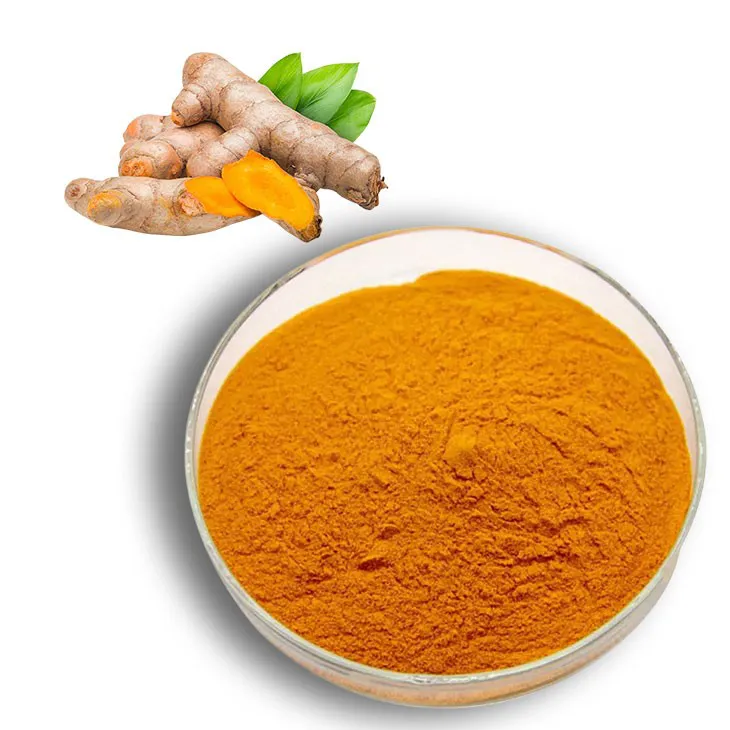
Curcuma Longa Extract/Turmeric extract
2026-08-14
-
Saw Palmetto Extract
2026-08-14
-
Lemon Balm Extract
2026-08-14
-
Marigold Extract
2026-08-14
-
Giant Knotweed Extract
2026-08-14
-
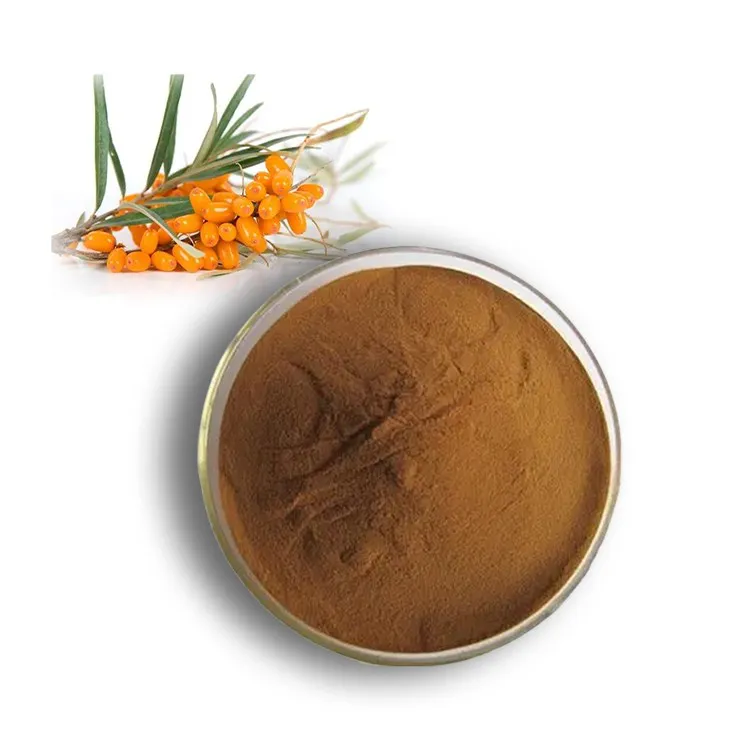
Buckthorn bark extract
2026-08-14
-
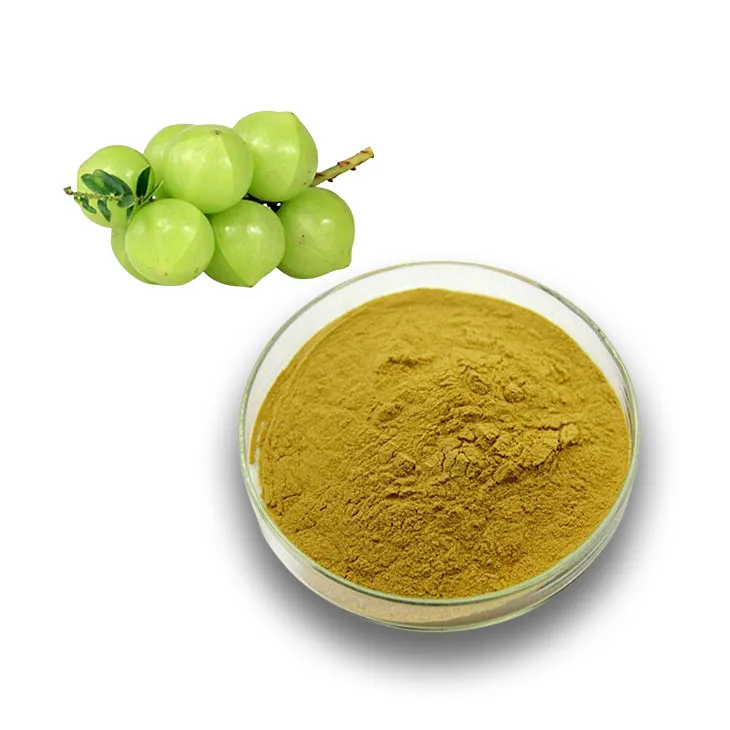
Phyllanthus Emblica Extract
2026-08-14
-
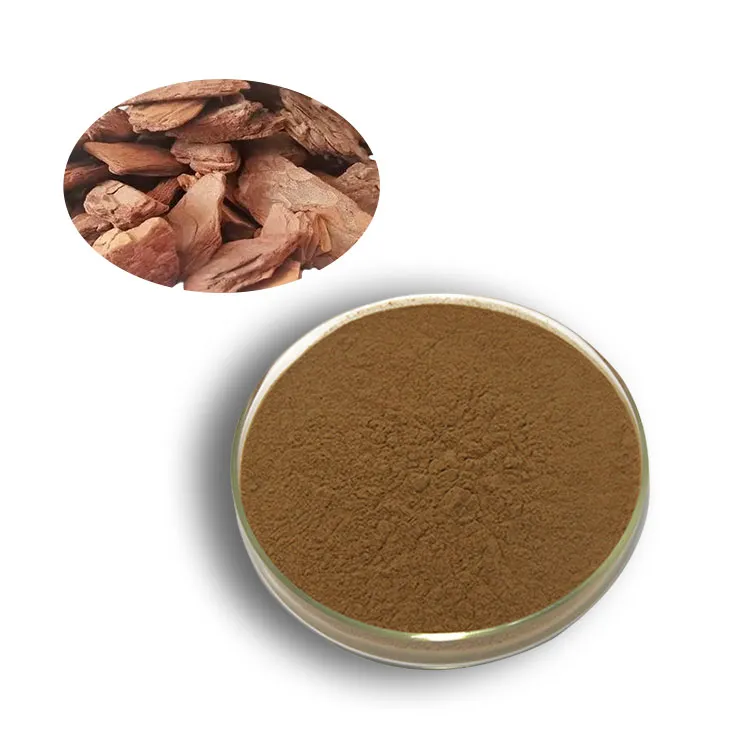
Pine bark Extract Powder
2026-08-14
-
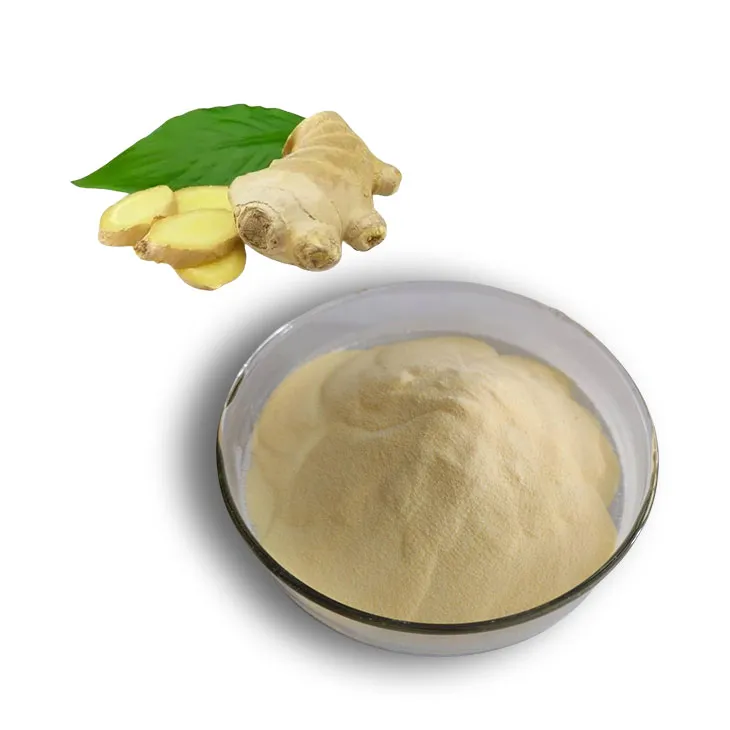
Ginger Extract
2026-08-14
-
Yohimbine Bark Extract
2026-08-14
