- 0086-571-85302990
- [email protected]






What is the EGCG content of green tea extract powder?
2026-08-14
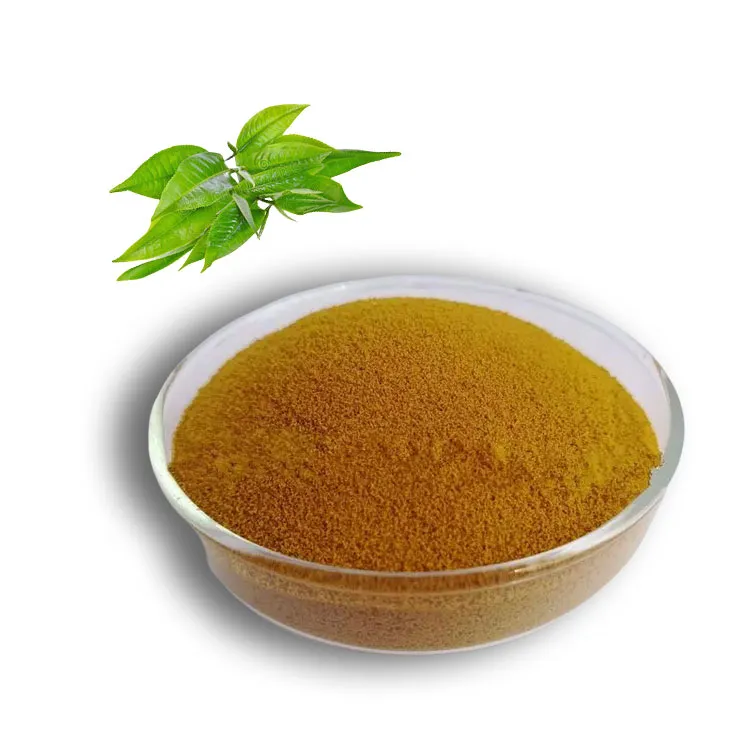
Green Tea Extract powder is one of the most widely used botanical ingredients in the dietary supplement, functional food, and cosmetic industries, and the question buyers ask most often is simple: what is the EGCG content of Green Tea Extract powder? The short answer is that commercial Green Tea Extract powder is standardized to an EGCG content of roughly 15% to 98% depending on the grade, with the most common supplement grades falling between 45% and 70%. This article explains what EGCG is, why its concentration matters, and how to choose the right specification for your application.
What Is EGCG?
EGCG, or epigallocatechin-3-gallate, is the most abundant and biologically active catechin in green tea (Camellia sinensis). In high-quality extracts it typically accounts for 50% to 70% of the total catechins, which also include epigallocatechin (EGC), epicatechin-3-gallate (ECG), and epicatechin (EC). EGCG is valued for its strong antioxidant activity and is the compound most closely associated with green tea's researched health benefits, including metabolic support, cardiovascular health, and skin protection.
Because EGCG is the key marker of potency, manufacturers standardize their green tea extract powder to a guaranteed EGCG level. The declared value is verified by high-performance liquid chromatography (HPLC), which separates and quantifies each catechin individually rather than measuring only total polyphenols.
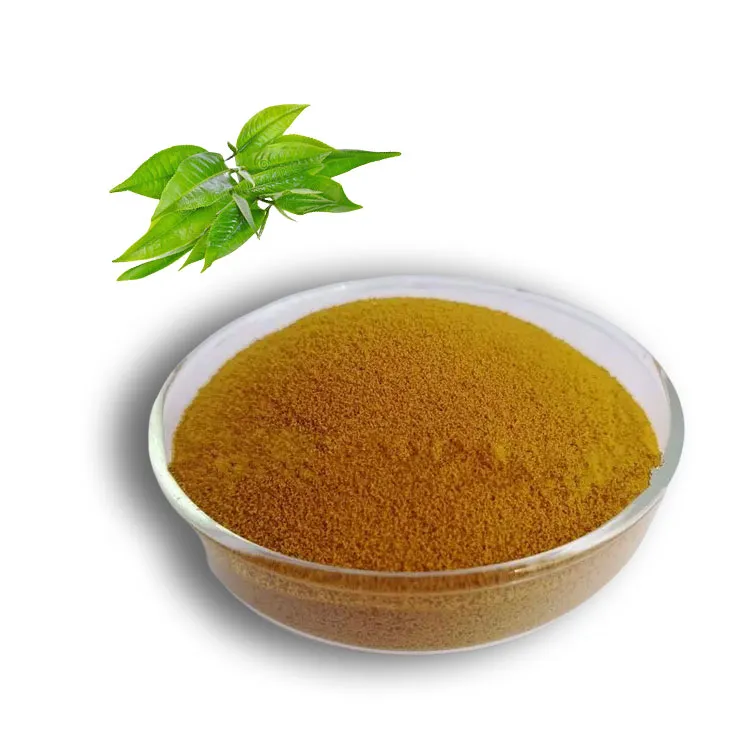
Typical EGCG Content by Grade
There is no single "correct" EGCG content, because the ideal level depends on how the powder will be used. In practice, the market is divided into three broad tiers:
- High-purity grades (90% to 98% EGCG): used in pharmaceutical and high-end nutraceutical applications where maximum potency and minimal filler are required.
- Standard supplement grades (45% to 70% EGCG): the most common choice for dietary supplements, offering a good balance between potency, taste, and cost.
- Food and beverage grades (20% to 45% EGCG): used in functional foods, drinks, and confectionery where flavor and cost control matter more than maximum concentration.
A typical specification sheet from a reliable green tea extract manufacturer lists total polyphenols at 50% to 98%, total catechins at 30% to 80%, and EGCG at 15% to 98%, with caffeine held at 1.0% or below for regular grades and 0.5% or below for decaffeinated grades.
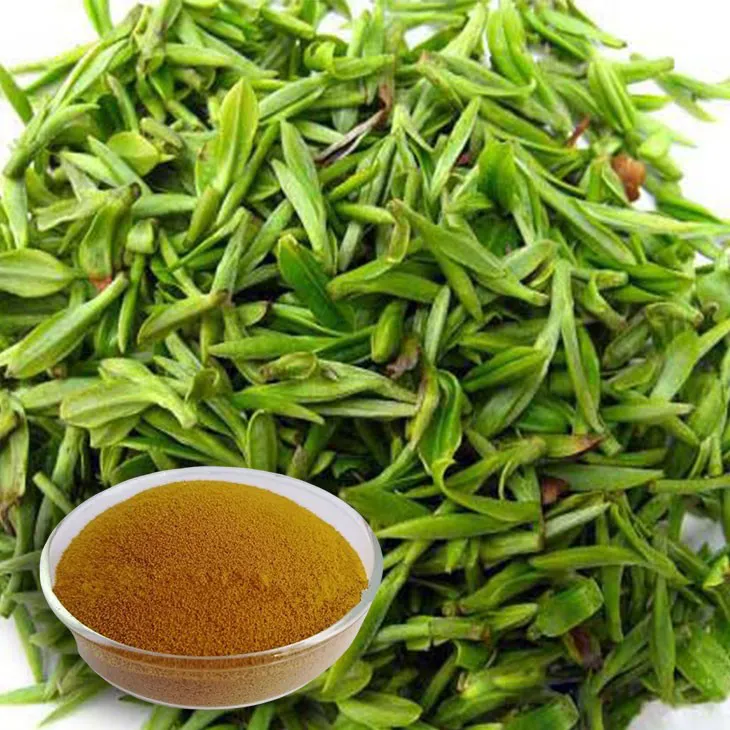
What Determines the EGCG Content?
Several factors influence how much EGCG ends up in the finished powder:
- Extraction solvent: water-extracted powders typically contain 20% to 45% EGCG, while ethanol-water extraction can recover much higher levels, in some cases above 95%.
- Processing method: spray drying preserves more catechins than conventional heat drying, so the drying technology directly affects the final EGCG yield.
- Organic certification: organic green tea extract powders are often 10% to 15% lower in EGCG than conventional versions, because organic processing uses gentler extraction methods and fewer processing aids.
- Raw material quality: young leaves and leaf buds harvested before full maturity contain higher catechin levels than older leaves.
Why EGCG Content Matters in Formulation
The EGCG concentration directly affects dosage, cost, and product performance. For example, weight-management formulas often use higher-concentration extracts (70% to 95% EGCG) to deliver 300 to 400 mg of EGCG per serving, while general wellness and energy products work well with moderate grades (45% to 70% EGCG) that provide 100 to 200 mg per dose at a lower cost. Regulatory bodies have also weighed in on intake: the European Food Safety Authority (EFSA) has indicated that up to 800 mg of EGCG per day is safe for healthy adults.
It is also worth remembering that a higher EGCG number is not always better. Very high concentrations can complicate formulation, intensify bitterness, and raise cost. The best choice balances potency with stability, bioavailability, regulatory compliance, and budget.
How to Verify EGCG Content
When sourcing green tea extract powder, always request a Certificate of Analysis (COA) that shows EGCG content measured by HPLC, not just a total polyphenol value obtained by the Folin-Ciocalteu method. A trustworthy green tea extract supplier will provide batch-specific data covering EGCG, total catechins, caffeine, heavy metals, pesticide residues, and microbiological safety. For high-value contracts, independent third-party testing is a reasonable additional safeguard.
Storage and Stability
EGCG is sensitive to heat, light, and moisture, so storage conditions affect how much active compound survives in the powder. Ideally, green tea extract powder should be kept below 25°C, at a relative humidity below 60%, and protected from direct light. Nitrogen-flushed packaging and desiccants help extend shelf life and preserve the declared EGCG content during transport and warehousing.
Choosing the Right Green Tea Extract Powder
For most dietary supplement and nutraceutical buyers, a standard grade with 45% to 70% EGCG offers the best value, while pharmaceutical applications call for 90% to 98% purity. Whichever specification you need, working with an experienced manufacturer that can document every batch with HPLC analysis and provide full export documentation will make the sourcing process far more reliable.
If you are evaluating suppliers, ask for a COA, confirm the analytical method, and check whether the manufacturer offers formulation support and regulatory documentation. A supplier that can answer these questions clearly is far more likely to deliver consistent, specification-compliant green tea extract powder batch after batch.
- ▶ Hesperidin
- ▶ Citrus Bioflavonoids
- ▶ Plant Extract
- ▶ lycopene
- ▶ Diosmin
- ▶ Grape seed extract
- ▶ Sea buckthorn Juice Powder
- ▶ Fruit Juice Powder
- ▶ Hops Extract
- ▶ Artichoke Extract
- ▶ Mushroom extract
- ▶ Astaxanthin
- ▶ Green Tea Extract
- ▶ Curcumin
- ▶ Horse Chestnut Extract
- ▶ Other Product
- ▶ Boswellia Serrata Extract
- ▶ Resveratrol
- ▶ Marigold Extract
- ▶ Grape Leaf Extract
- ▶ New Product
- ▶ Aminolevulinic acid
- ▶ Cranberry Extract
- ▶ Red Yeast Rice
- ▶ Red Wine Extract
- ▶ blog
-
Liposomal Berberine HCl
2026-08-14
-
Eucommia Ulmoides Extract
2026-08-14
-
Honeysuckle Pollen
2026-08-14
-
Phellodendron Extract
2026-08-14
-
Sea buckthorn Juice Powder
2026-08-14
-
Lemon Balm Extract
2026-08-14
-
Citrus bioflavonoids
2026-08-14
-
Lavender Extract
2026-08-14
-
Epimedium extract powder
2026-08-14
-
Yohimbine Bark Extract
2026-08-14
