- 0086-571-85302990
- [email protected]





What is the difference between lemon juice powder and freeze-dried lemon powder?
2026-08-18
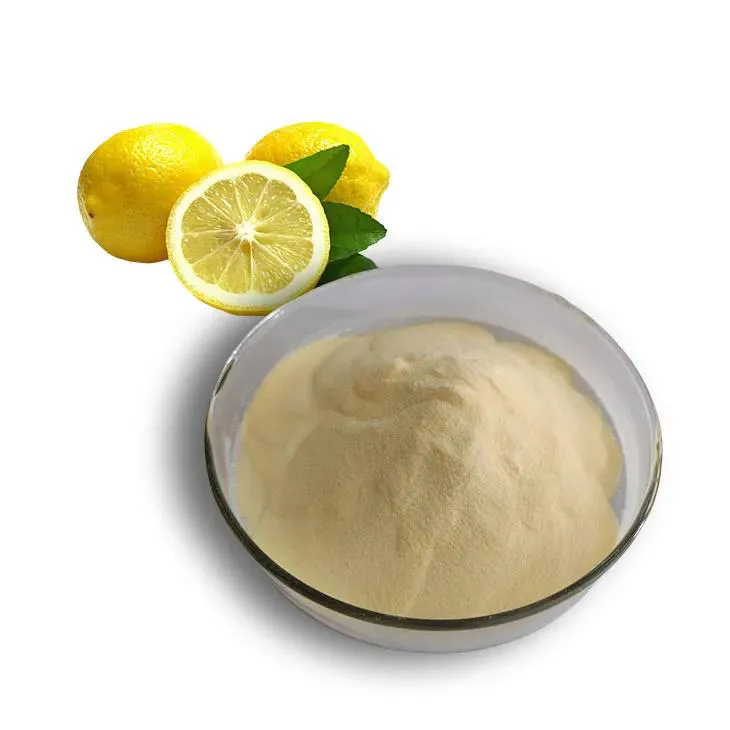
Lemon Juice Powder and freeze-dried lemon powder both start from the same raw material, freshly squeezed lemon juice, but the way each one is dried changes the final product in meaningful ways. If you are sourcing ingredients for beverages, baked goods, or dietary supplements, understanding these differences helps you choose the right form for your formulation, your quality targets, and your budget.
What is Lemon Juice Powder?
Lemon Juice Powder, also called spray-dried lemon juice powder, is produced by atomizing liquid lemon juice into a fine mist and drying the droplets in a stream of hot air inside a spray drying tower. The water evaporates almost instantly, leaving behind a fine, free-flowing powder. Because lemon juice is naturally rich in sugars and organic acids, manufacturers usually add a small amount of carrier material such as maltodextrin to prevent the powder from sticking together and to keep it stable during storage and shipping.
Spray drying is fast and economical, which is why it is the most common method for producing fruit juice powders at industrial scale. The result is a uniform, highly soluble powder that is easy to dose and blend, making it a practical ingredient for large-volume production.
What is freeze-dried lemon powder?
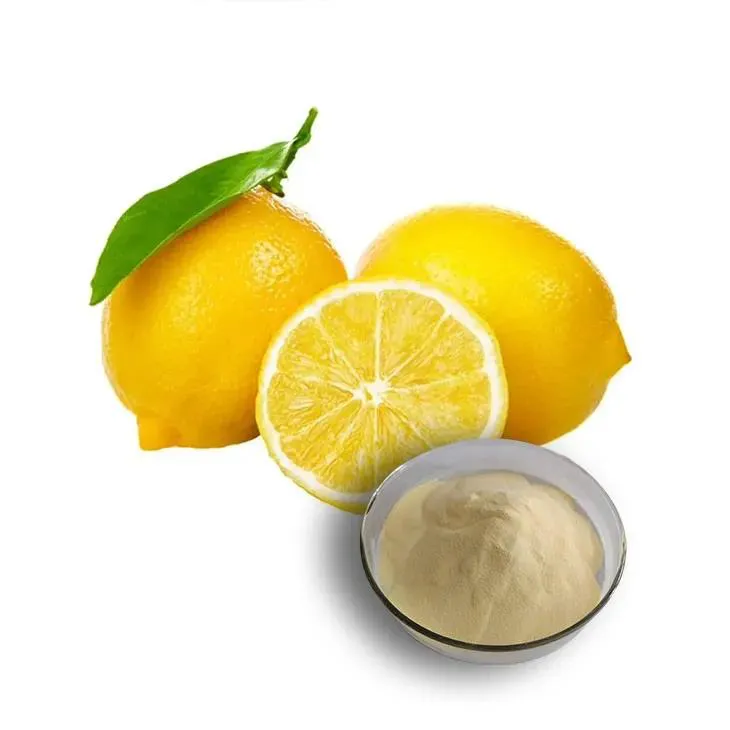
Freeze-dried lemon powder takes a different route. The juice is first frozen at a very low temperature, then placed in a vacuum chamber where the ice turns directly into vapor through sublimation, without ever becoming liquid again. Because the whole process runs at low temperature, the delicate compounds in lemon, including vitamin C, volatile aroma oils, and natural pigments, survive far better than they do in heat-based drying.
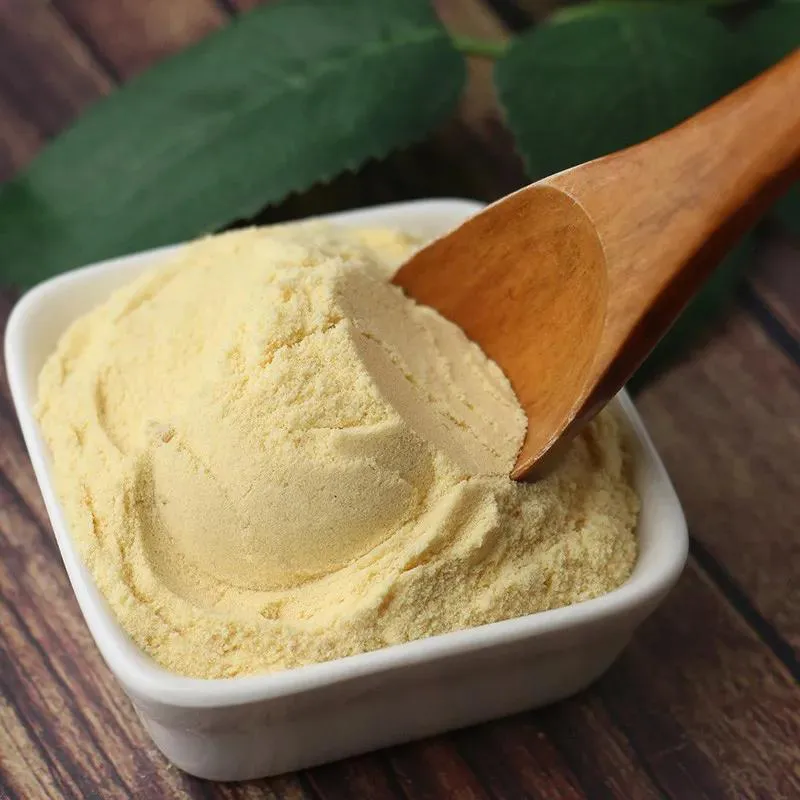
The trade-off is that freeze drying is slower and more expensive than spray drying. The powder also has a more irregular, porous structure rather than the fine uniform particles produced by spray drying. For many buyers, the higher cost is justified by the fresher flavor and higher nutrient retention.
Key differences at a glance
| Aspect | Lemon juice powder (spray-dried) | Freeze-dried lemon powder |
|---|---|---|
| Drying method | Atomized droplets dried in hot air | Frozen juice dried by sublimation under vacuum |
| Temperature | High temperature during drying | Low temperature throughout |
| Nutrient retention | More heat-sensitive nutrients such as vitamin C are lost | Retains a higher share of vitamin C and other nutrients |
| Flavor and aroma | Some volatile aroma compounds are lost | Keeps a fresher, more lemon-forward flavor |
| Color | Tends to be paler | Keeps a brighter natural color |
| Particle texture | Fine, uniform, free-flowing | Irregular, porous structure |
| Solubility | Dissolves quickly and evenly in cold water | Reconstitutes well, though slightly slower |
| Production cost | Fast and economical at scale | Slower process, higher cost |
| Typical use | Beverages, instant drinks, baked goods, supplements | Premium and clean-label products |
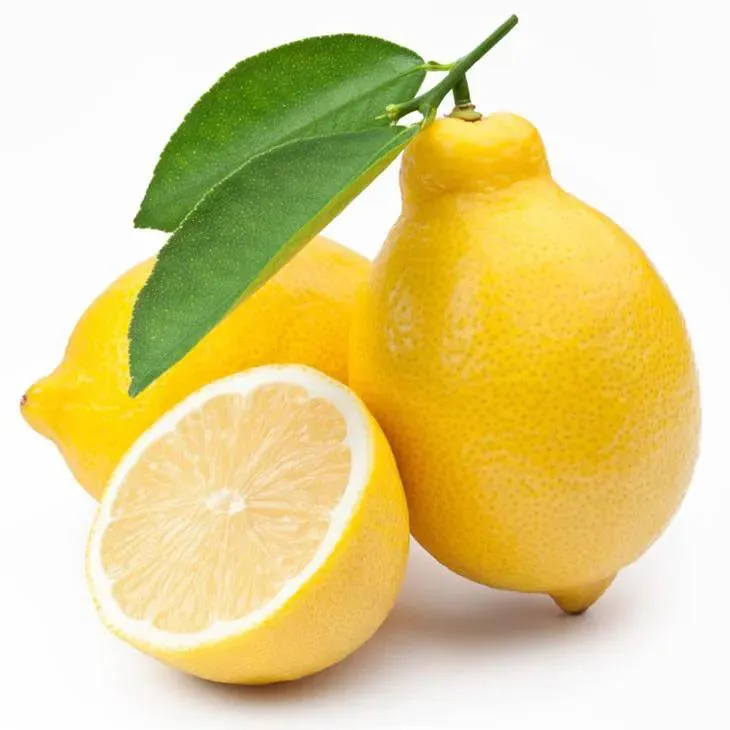
Which one should you choose?
There is no single right answer, because the best choice depends on what you are making. For beverage powders, instant lemon tea, flavored baked goods, and other products where cost and ease of handling matter most, spray-dried lemon juice powder is the practical, economical choice. It blends easily, dissolves quickly, and keeps well in storage.
For premium products, clean-label claims, or formulations where fresh flavor and nutrient content are the main selling point, freeze-dried lemon powder is worth the higher cost. The same logic applies to any fruit powder: if the label promises "real fruit" flavor and nutrition, the gentler the drying process, the better the result.
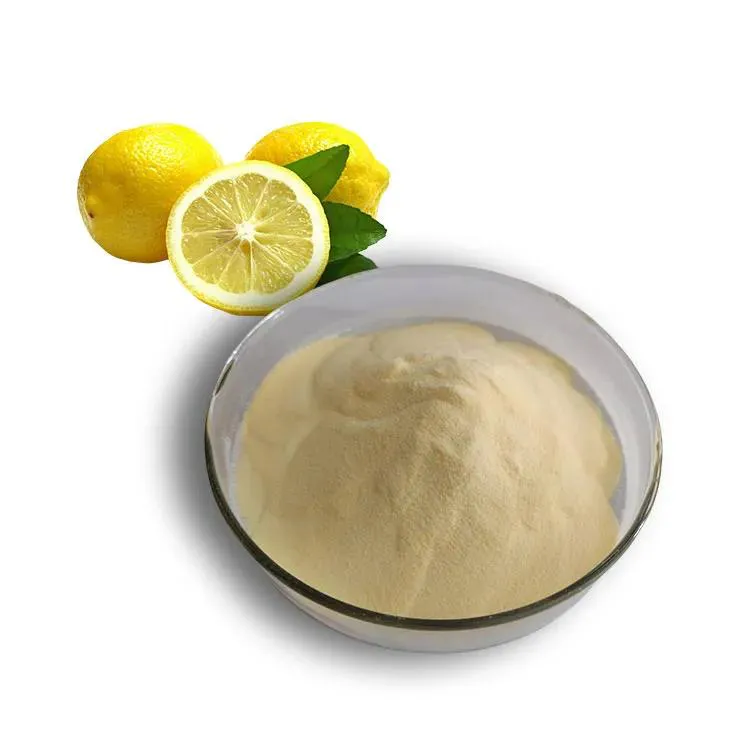
Sourcing quality lemon powder matters
Whichever type you choose, the supplier matters as much as the process. A reliable manufacturer with food-grade production, in-house laboratory testing, and complete export documentation ensures that the powder you receive is consistent batch after batch. When you buy lemon juice powder wholesale, always ask for the specification sheet, the drying method used, and any certificates of analysis before you commit.
Greensky, a plant extract manufacturer founded in 2004 and headquartered in Hangzhou, produces lemon juice powder in a 100,000-class clean production area with an independent laboratory equipped with GC, HPLC, and UV instruments. Its lemon juice powder is rich in bioactive ingredients that are widely used to support immunity, improve skin health, and provide antioxidant and detoxifying benefits, backed by certifications including ISO22000, BRCGS, HALAL, and Kosher.
Final thoughts
Both lemon juice powder and freeze-dried lemon powder are convenient, shelf-stable ways to bring real lemon into your products. The right choice comes down to your application, your quality goals, and your budget. Understand the difference, match the powder to your product, and choose a supplier you can verify, and you will get consistent results every time.
- ▶ Hesperidin
- ▶ Citrus Bioflavonoids
- ▶ Plant Extract
- ▶ lycopene
- ▶ Diosmin
- ▶ Grape seed extract
- ▶ Sea buckthorn Juice Powder
- ▶ Fruit Juice Powder
- ▶ Hops Extract
- ▶ Artichoke Extract
- ▶ Mushroom extract
- ▶ Astaxanthin
- ▶ Green Tea Extract
- ▶ Curcumin
- ▶ Horse Chestnut Extract
- ▶ Other Product
- ▶ Boswellia Serrata Extract
- ▶ Resveratrol
- ▶ Marigold Extract
- ▶ Grape Leaf Extract
- ▶ New Product
- ▶ Aminolevulinic acid
- ▶ Cranberry Extract
- ▶ Red Yeast Rice
- ▶ Red Wine Extract
- ▶ blog
-
American Ginseng Root Extract
2026-08-18
-
Green Tea Extract
2026-08-18
-
Dan Shen Root Extract/Salvia Root Extract
2026-08-18
-
Sugarcane Extract
2026-08-18
-
Hawthorn Extract
2026-08-18
-
White Willow Bark Extract
2026-08-18
-
Acerola Juice Powder
2026-08-18
-

Magnolia Bark Extract
2026-08-18
-
Rose Hip Extract
2026-08-18
-
Mangosteen extract powder
2026-08-18