- 0086-571-85302990
- [email protected]






What is the difference between a green tea extract company and manufacturer?
2026-08-14
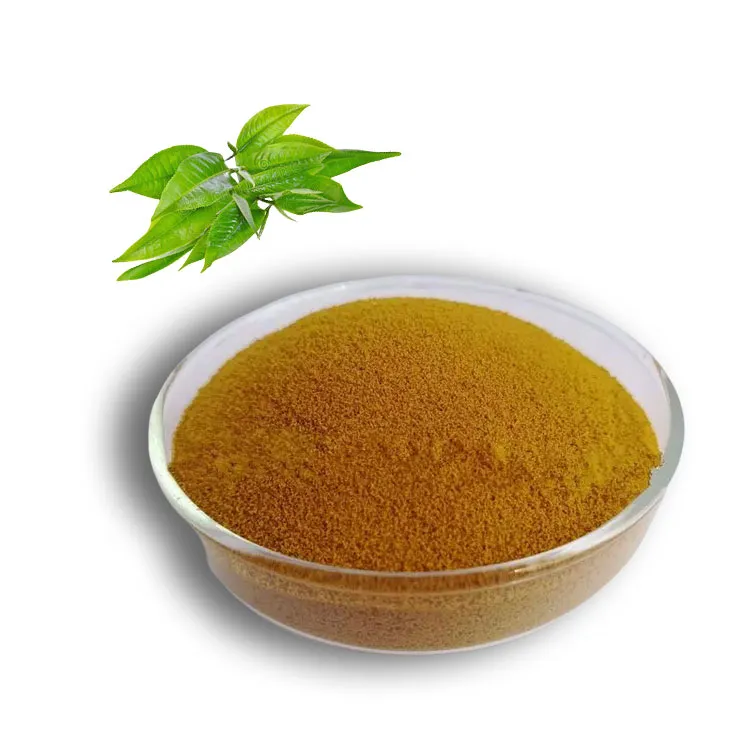
When sourcing bulk Green Tea Extract for a supplement line, a beverage, or a cosmetics formula, procurement teams and brand owners often see two kinds of listings: a "Green Tea Extract company" and a "Green Tea Extract manufacturer." The names look interchangeable, but they describe very different businesses, and the difference directly affects price, quality, lead time, and the paperwork you can expect. Understanding it before you place an order saves you from costly surprises further down the supply chain.
What a "green tea extract company" usually means
In most online listings, the word "company" is used loosely. It can cover two very different realities. Some companies operate purely as trading or sourcing businesses: they buy finished green tea extract from multiple producers, hold it in stock, and resell it, often in flexible quantities. Others describe themselves as a "company" simply because they are legally registered, even when they also run their own production lines. The term itself tells you very little about whether the organization actually makes the extract.
A purely trading-style green tea extract company typically offers faster dispatch and lower minimums because it works from inventory. The trade-off is limited control: it cannot change the extraction process, adjust a specification, or fix a quality issue at the source, because it relies on the data and production decisions of its upstream factories.
What a "green tea extract manufacturer" does
A genuine green tea extract manufacturer is the business that physically converts raw Camellia sinensis leaves into concentrated extract powder. It owns the production facility, the extraction equipment, and the quality laboratory, and it controls every step from raw material intake to final packaging. That includes sourcing leaves, selecting the extraction method, standardizing the active ingredients, and issuing batch-specific certificates of analysis.
Because a manufacturer sits at the source, it can do things a reseller cannot. It can customize a specification to your formula, tighten a purity target, provide a full catechin profile (EGCG, ECG, EGC, EC) verified by HPLC, and adjust production scheduling around your lead time. For brands that need a green tea extract supplier with stable quality over many repeat orders, this depth of control is usually the deciding factor.
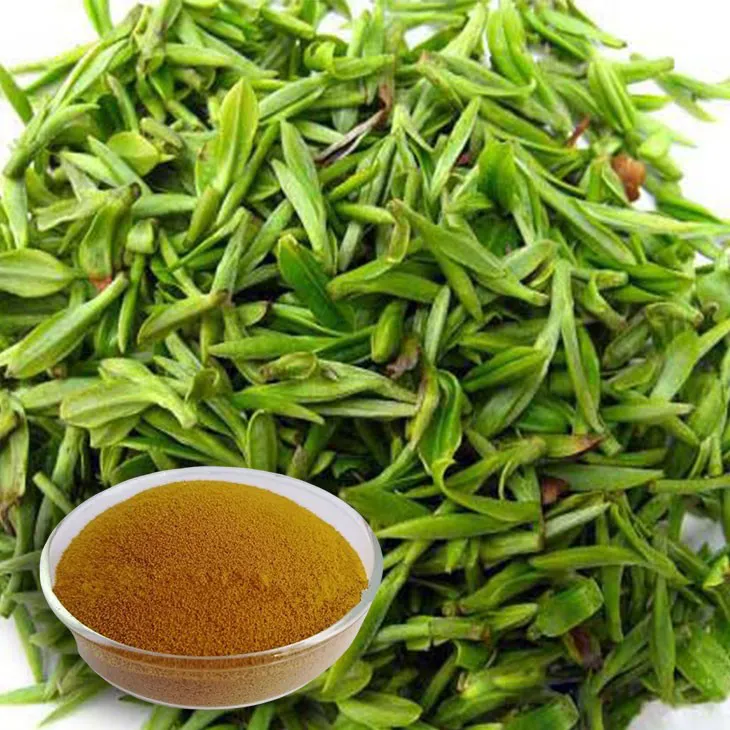
Key differences at a glance
| Factor | Green tea extract manufacturer | Trading / reseller company |
|---|---|---|
| Production control | Owns the factory, equipment, and process | Buys finished goods from others |
| Customization | Can adjust specification and extraction to your needs | Limited to stock products |
| Quality and traceability | In-house lab, batch-specific COA, full traceability | Depends on the manufacturer's data |
| Price | Lower per unit, tied to real production cost | Higher per unit due to middleman markup |
| Lead time | Production-based; can be scheduled to your order | Faster from stock, but less flexible for large orders |

Why the distinction matters in practice
The practical consequences show up in three areas. First, verification: a real manufacturer can show you its clean production area, its extraction tanks, and its analytical instruments, and it can issue a COA for the exact batch being shipped rather than a generic product certificate. Second, consistency: when your formula depends on a standardized EGCG content, a manufacturer keeps that level stable across batches because it controls the process. Third, long-term cost: a manufacturer pricing from real production cost is generally more stable than a reseller, whose price can shift with whatever source it happens to buy from next.
How to confirm you are dealing with a real manufacturer
Before you commit, ask a few direct questions. Can the company provide a batch-specific Certificate of Analysis with a verifiable lot number? Can it name the extraction method and the equipment used, such as extraction tanks, low-temperature concentrators, and spray drying towers? Does it hold manufacturing-related certifications? Do its claims about clean production and in-house testing match what you can verify? A trading company will often struggle to answer these beyond relaying the factory's paperwork, while a manufacturer answers from its own operation.
A working example: Greensky
To see the difference in practice, consider Hangzhou Greensky Biological Tech. Co., Ltd. (Greensky). Founded in 2004, Greensky is a genuine vertically integrated green tea extract manufacturer rather than a trading house. It operates through five wholly-owned subsidiaries covering research, development, production, and sales, and it produces in a 100,000-class clean area that meets food-grade requirements. Its independent laboratory is equipped with GC, HPLC, and UV instruments, and its production line includes 6-ton multi-functional extraction tanks, high-efficiency low-temperature concentrators, and a spray drying tower. The company holds ISO22000, BRCGS, Ecocert Organic, SGS-GMP, ISO9001, HALAL, and Kosher certifications, and its green tea extract is standardized with EGCG content verified by HPLC.
Choosing the right partner
Neither a manufacturer nor a trading company is categorically better; what matters is fit. If you need small, experimental quantities quickly, a reseller with stock may be practical for a first trial. If you are building a product line that depends on consistent, traceable, customizable green tea extract powder, working directly with a manufacturer is usually the stronger long-term choice. Ask the questions above, request samples and batch-specific documentation, and verify claims against the operation itself. When a company can point to its own factory, its own laboratory, and its own quality certifications, you are almost certainly looking at a manufacturer you can build a stable supply relationship with.
- ▶ Hesperidin
- ▶ Citrus Bioflavonoids
- ▶ Plant Extract
- ▶ lycopene
- ▶ Diosmin
- ▶ Grape seed extract
- ▶ Sea buckthorn Juice Powder
- ▶ Fruit Juice Powder
- ▶ Hops Extract
- ▶ Artichoke Extract
- ▶ Mushroom extract
- ▶ Astaxanthin
- ▶ Green Tea Extract
- ▶ Curcumin
- ▶ Horse Chestnut Extract
- ▶ Other Product
- ▶ Boswellia Serrata Extract
- ▶ Resveratrol
- ▶ Marigold Extract
- ▶ Grape Leaf Extract
- ▶ New Product
- ▶ Aminolevulinic acid
- ▶ Cranberry Extract
- ▶ Red Yeast Rice
- ▶ Red Wine Extract
- ▶ blog
-
Konjac Powder
2026-08-14
-
Almond Extract Powder
2026-08-14
-
Artichoke Extract
2026-08-14
-
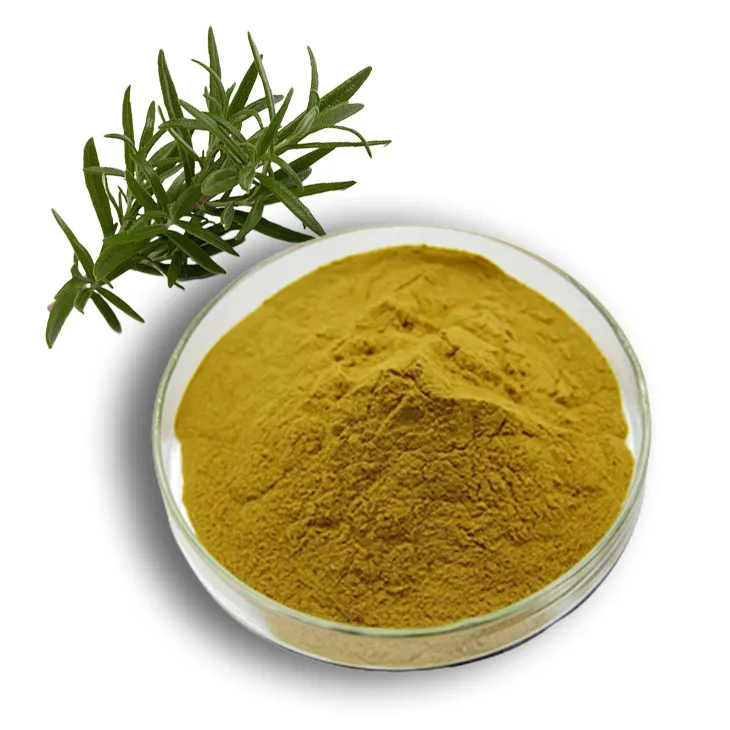
Rosemary extract
2026-08-14
-
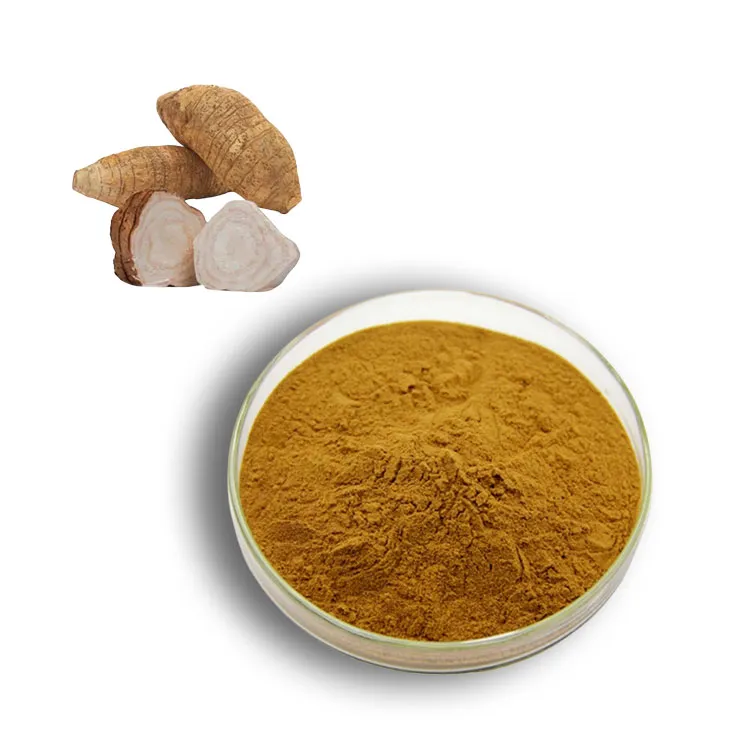
Pueraria Lobata Extract
2026-08-14
-
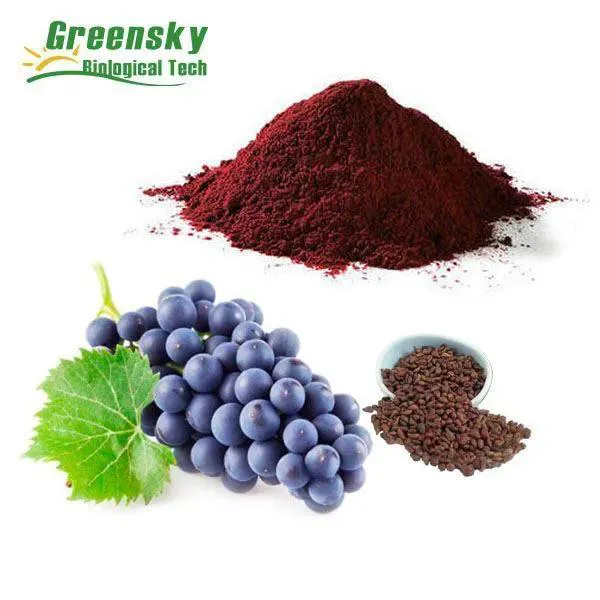
Grape Seed Extract
2026-08-14
-
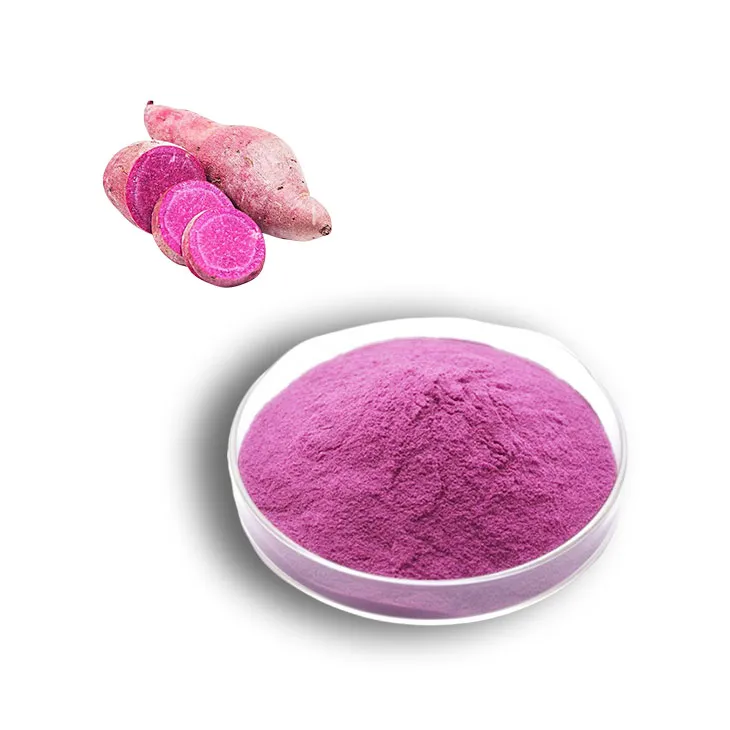
Purple Sweet Potato Extract
2026-08-14
-
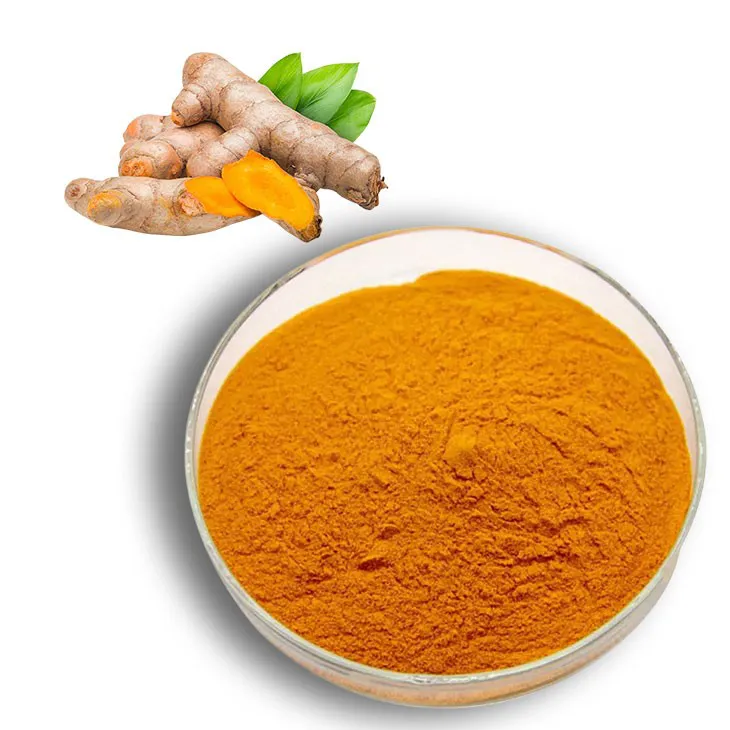
Curcuma Longa Extract/Turmeric extract
2026-08-14
-
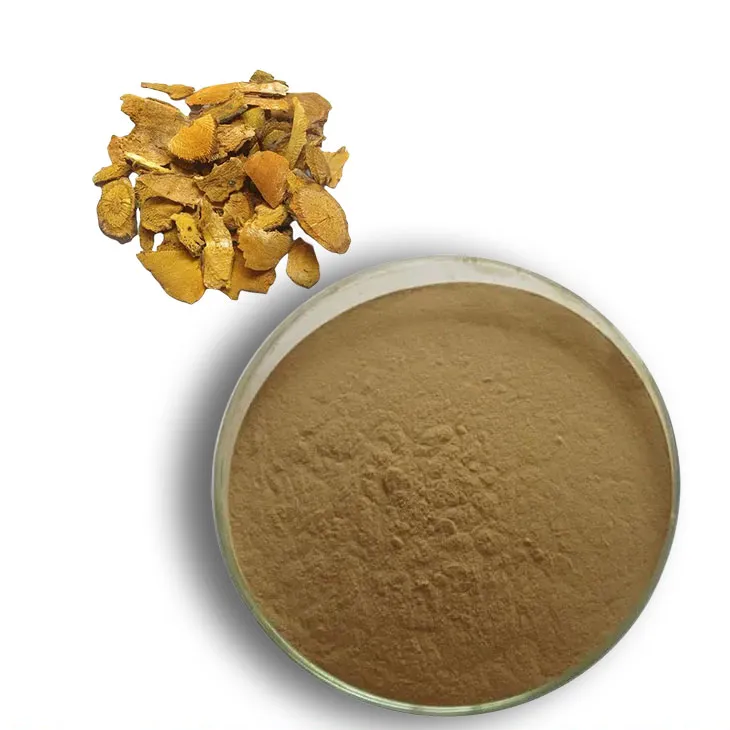
Polygonum Cuspidatum Extract
2026-08-14
-
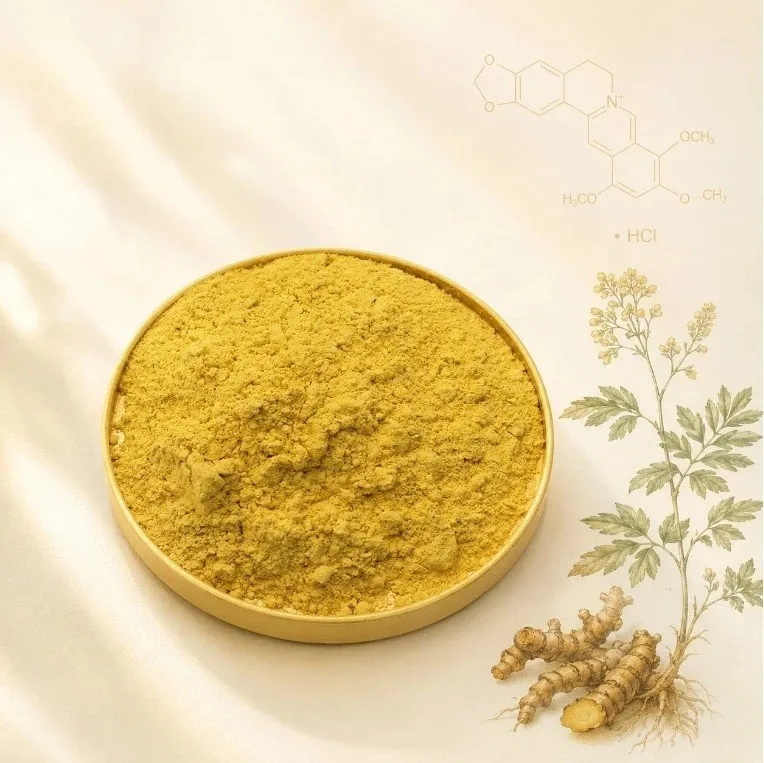
Liposomal Berberine HCl
2026-08-14
