- 0086-571-85302990
- [email protected]




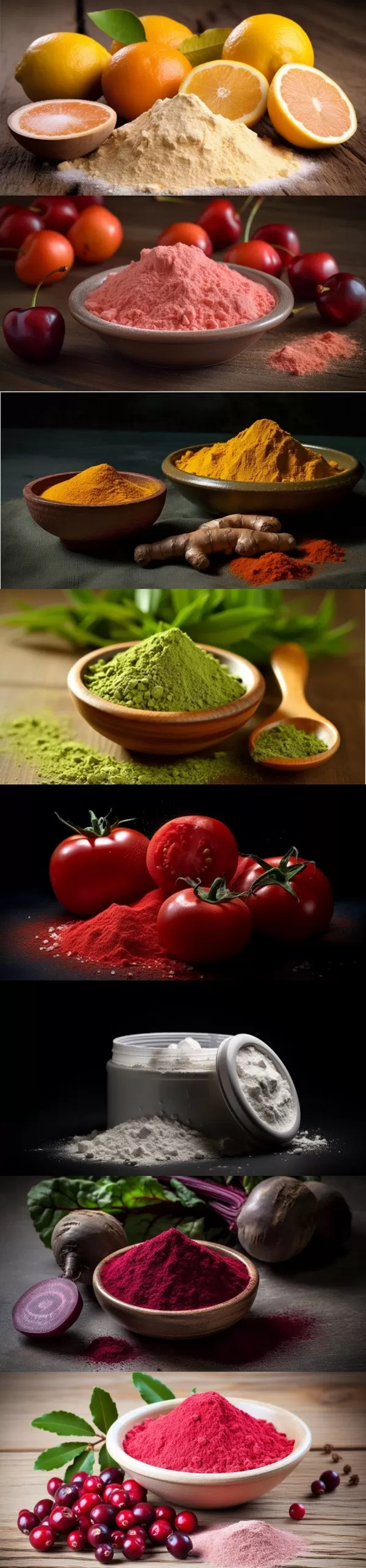

What Is the Difference Between a Citrus Bioflavonoid Complex and Single Bioflavonoids?
2026-08-17
If you have ever compared supplement labels side by side, you have probably noticed that some list a broad ingredient called "citrus bioflavonoid complex" while others name a single compound such as hesperidin or Diosmin. Both come from the same family of plant compounds, yet they are formulated, standardized, and used in very different ways. Understanding the difference helps you choose the right ingredient for your formula, your label, and the benefit you actually want to deliver.
What are citrus bioflavonoids?
Bioflavonoids are a large group of polyphenolic plant pigments found throughout the plant kingdom, and citrus fruits are one of the richest natural sources. Oranges, lemons, grapefruits, tangerines, and bitter oranges all contain a family of these compounds, including flavanones such as hesperidin and naringin, as well as flavonols and flavones such as Quercetin and rutin. These compounds are best known for their antioxidant activity, and they have been studied for supporting the immune system, protecting cardiovascular health, and helping maintain the normal function of blood vessels and capillaries.
What is a citrus bioflavonoid complex?
A citrus bioflavonoid complex is a full-spectrum blend that contains many different flavonoids together, in proportions that broadly reflect what is found in the whole fruit. Depending on the source, a complex can include hesperidin, naringin, narirutin, didymin, eriocitrin, Quercetin, rutin, and Diosmin at the same time. Because the compounds occur together naturally, a complex is often described as a "whole-food" approach: you get the diversity of the fruit rather than a single isolated molecule.
This format is also the classic companion to vitamin C. In citrus fruit, bioflavonoids and vitamin C are found side by side, and bioflavonoids are thought to support the absorption and antioxidant potency of vitamin C. That is why so many vitamin C formulas include a citrus bioflavonoid complex rather than vitamin C alone.
What are single bioflavonoids?
A single bioflavonoid is one specific compound that has been isolated and, in most cases, standardized to a defined purity. Common examples include hesperidin, a flavanone glycoside concentrated in citrus peel; Diosmin, a flavonoid glycoside derived from citrus that is widely used for vascular health; and Quercetin, a flavonol found in many plants. Because these ingredients are purified and standardized, they can be dosed precisely and used when a product is built around one well-defined active.
Key differences between a complex and single bioflavonoids
The practical differences come down to composition, action, standardization, and intended use:
- Composition: A complex delivers many flavonoids at once, while a single bioflavonoid delivers one compound. A complex is broader; a single ingredient is more focused.
- How they work: The compounds in a complex can act on several pathways at the same time and may support each other, which is useful for general wellness. A single bioflavonoid is chosen when the goal is one specific effect, such as diosmin for vein and circulation support or hesperidin for cardiovascular and anti-inflammatory support.
- Standardization: Single bioflavonoids can be standardized to a high, consistent purity, which makes dosing predictable. A complex is a full-spectrum ingredient, so the ratio of individual flavonoids varies with the raw material and the processing method.
- Absorption: Individual flavonoids differ in how easily they are absorbed. Some occur in glycoside form, while their aglycone forms are absorbed more readily, which is one reason formulators sometimes use hydrolyzed or specially processed extracts.
- Best use: A complex suits general immune, antioxidant, and cardiovascular support formulas, and it pairs naturally with vitamin C. A single bioflavonoid suits targeted products with a clearly defined active and a specific label claim.
Which one should you choose?
There is no universal winner, because the right choice depends on the product you are building. If you want a broad, everyday wellness ingredient that complements vitamin C and supports immune and cardiovascular health, a citrus bioflavonoid complex is a sensible starting point. If you are formulating a product around one specific benefit, such as vein and capillary support with diosmin, or cardiovascular and antioxidant support with hesperidin, a standardized single bioflavonoid gives you the precision you need.
For manufacturers and formulators, the quality of the raw material matters more than the format. Whether you choose a complex or a single compound, look for a supplier that can document the botanical source, the extraction method, and the analytical results behind each batch.
Sourcing high-quality bioflavonoid ingredients
Greensky is a professional manufacturer of natural plant extracts with more than 20 years of experience, supplying citrus bioflavonoids, hesperidin, and diosmin to customers in Europe, the United States, South Korea, and Russia. With fully integrated research, development, and production, an independent laboratory equipped with GC, HPLC, and UV analysis, and certifications including ISO22000, BRCGS, HALAL, and Kosher, Greensky can provide documented quality for both full-spectrum complexes and standardized single bioflavonoids.
Conclusion
A citrus bioflavonoid complex and a single bioflavonoid are not competing products; they are different tools for different jobs. A complex brings the diversity of the whole fruit and works well for broad wellness support, while a single bioflavonoid delivers a concentrated, standardized active for a specific purpose. Understanding the difference lets you match the ingredient to the benefit, and working with an experienced manufacturer ensures that whichever format you choose is backed by reliable sourcing and consistent quality.
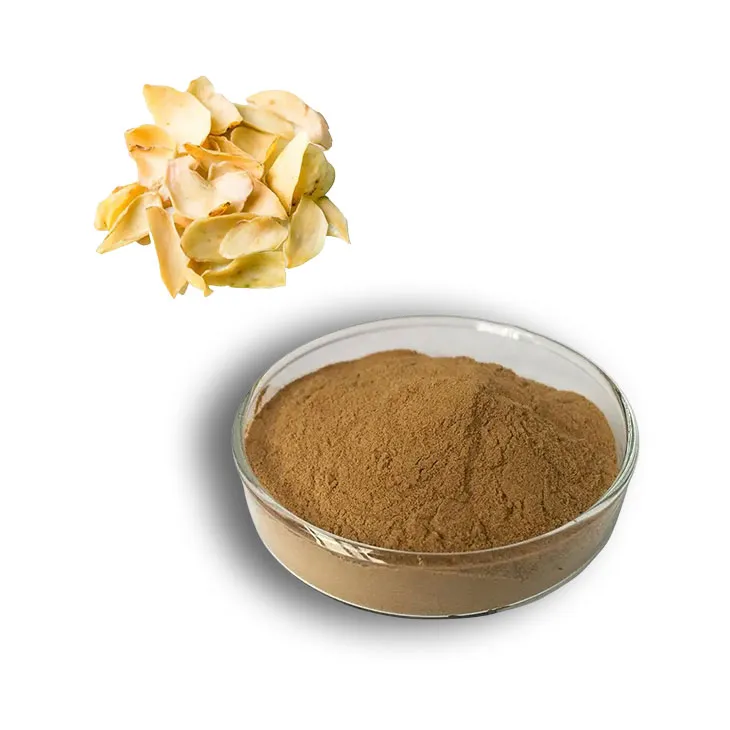
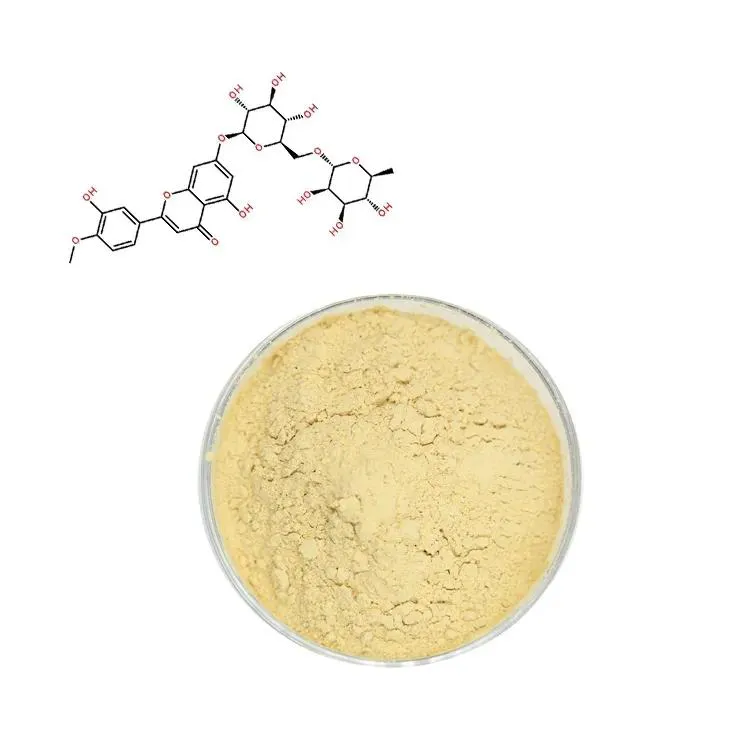
- ▶ Hesperidin
- ▶ Citrus Bioflavonoids
- ▶ Plant Extract
- ▶ lycopene
- ▶ Diosmin
- ▶ Grape seed extract
- ▶ Sea buckthorn Juice Powder
- ▶ Fruit Juice Powder
- ▶ Hops Extract
- ▶ Artichoke Extract
- ▶ Mushroom extract
- ▶ Astaxanthin
- ▶ Green Tea Extract
- ▶ Curcumin
- ▶ Horse Chestnut Extract
- ▶ Other Product
- ▶ Boswellia Serrata Extract
- ▶ Resveratrol
- ▶ Marigold Extract
- ▶ Grape Leaf Extract
- ▶ New Product
- ▶ Aminolevulinic acid
- ▶ Cranberry Extract
- ▶ Red Yeast Rice
- ▶ Red Wine Extract
- ▶ blog
-
Acerola Juice Powder
2026-08-17
-
Yam Extract
2026-08-17
-
Grapefruit Seed Extract Powder
2026-08-17
-
Mangosteen extract powder
2026-08-17
-
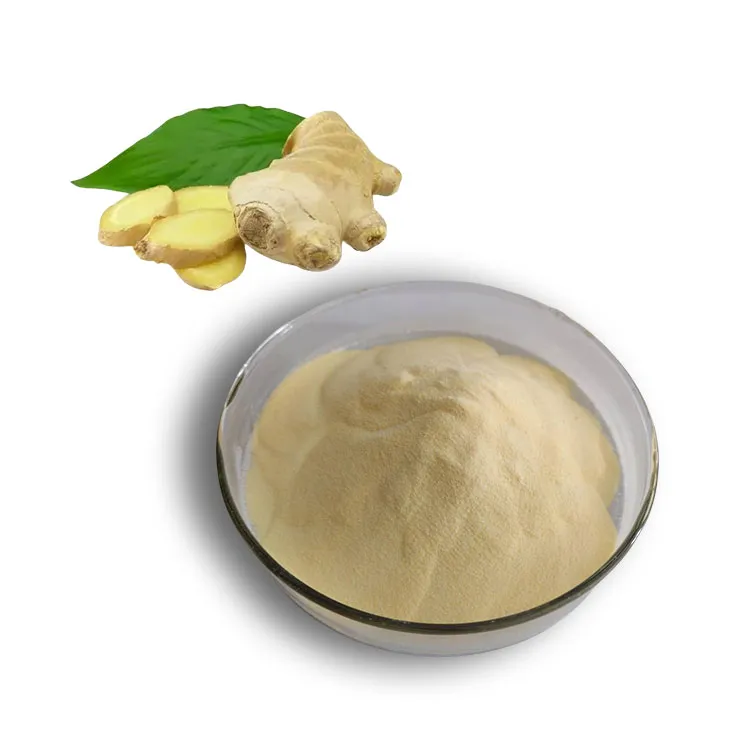
Ginger Extract
2026-08-17
-
Chia Seed Powder
2026-08-17
-
Pueraria Lobata Extract
2026-08-17
-
Pomegranate Extract
2026-08-17
-
Hedyotis Diffusa Extract
2026-08-17
-
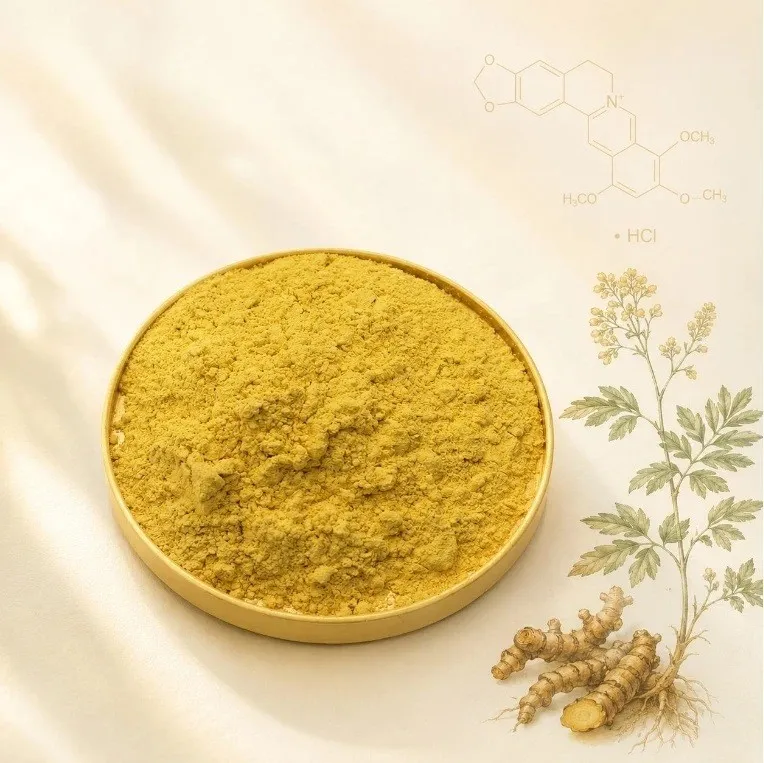
Golden Seal Extract
2026-08-17