- 0086-571-85302990
- [email protected]






What is peppermint extract powder and how is it made?
2026-08-15
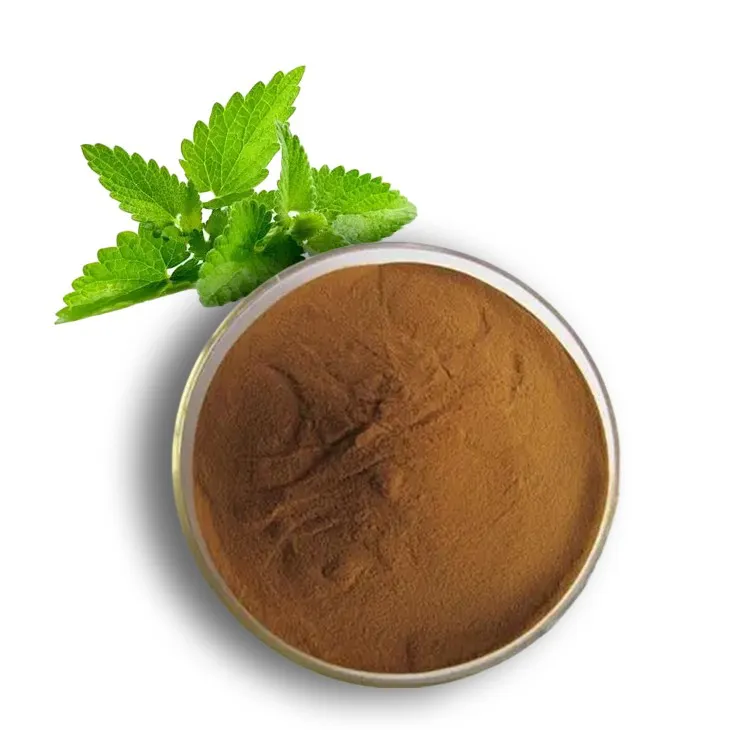
Peppermint extract powder is one of those ingredients that shows up in more products than most people realize. It is in the toothpaste you use in the morning, the chewing gum you reach for after lunch, the throat lozenge you keep in your bag, and the herbal tea you brew before bed. Yet very few people stop to ask where it comes from or how a fresh green leaf ends up as a fine, shelf-stable powder. This article answers that question: what Peppermint Extract Powder actually is, and how it is made from harvest to finished product.
What is Peppermint Extract Powder?
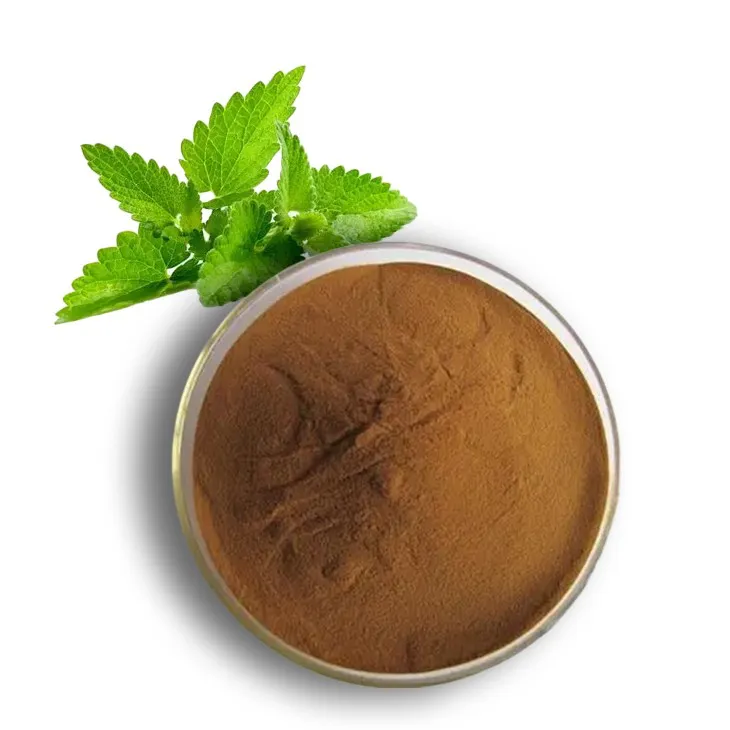
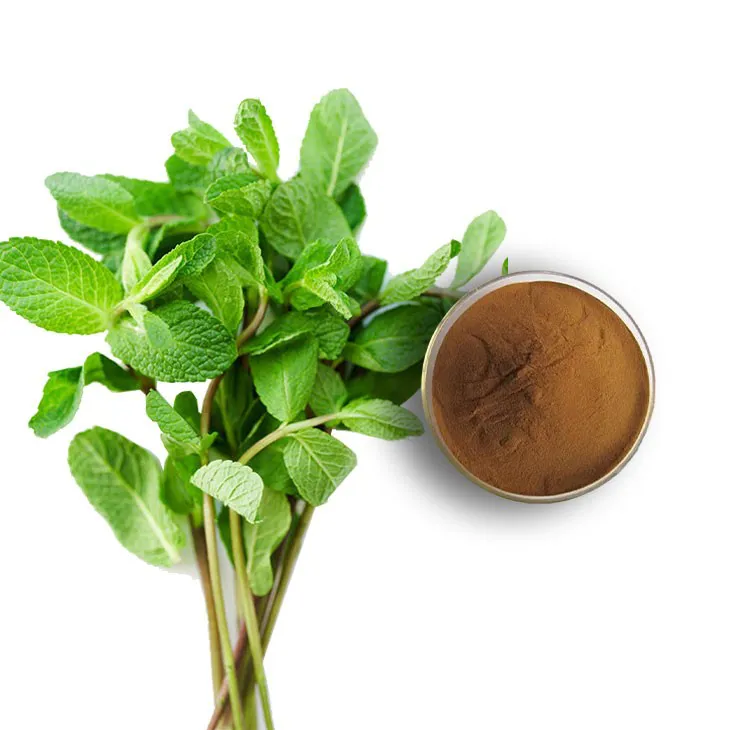
Peppermint Extract Powder is a natural plant extract produced from the leaves of the peppermint plant (Mentha × piperita). The leaves are processed to concentrate their active compounds, then dried into a powder that keeps the plant's characteristic mint aroma and taste. The most important of these compounds is menthol, the substance responsible for the cool, refreshing sensation peppermint is famous for. The powder also contains menthone, flavonoids, and rosmarinic acid, which together give it both flavor and functional value.
Because it is a dry powder rather than a liquid extract or essential oil, peppermint extract powder is easy to weigh, blend, store, and ship. That makes it a practical choice for manufacturers who need a consistent, stable botanical ingredient that can be added directly to formulations without complicated handling.
Where does peppermint come from?
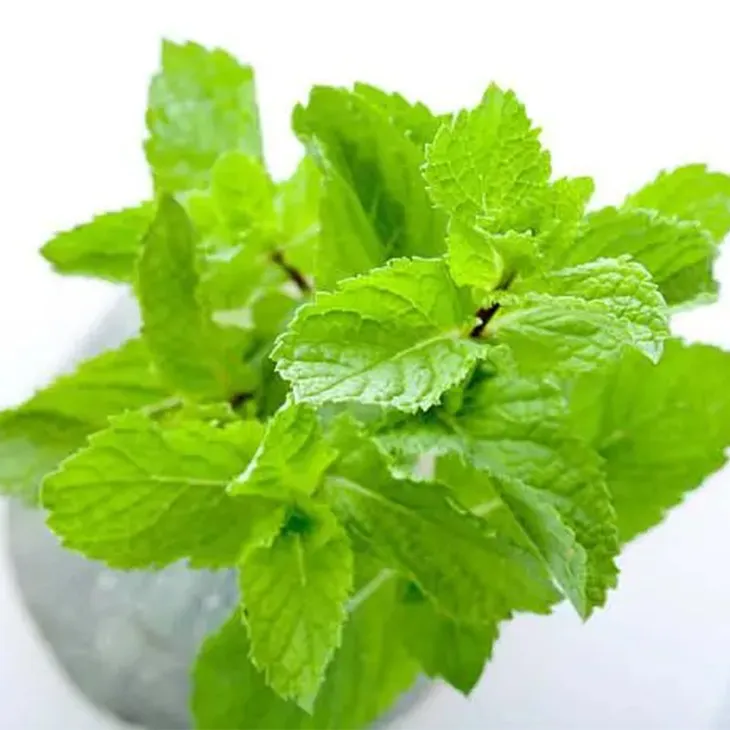
Peppermint is a perennial herb that grows in many regions around the world, including China, India, the United States, and parts of Europe. The quality of the finished powder depends heavily on the quality of the raw leaves, so serious producers pay close attention to where and how the mint is grown. Leaves are typically harvested before the plant flowers, when the essential oil content is at its highest. Good sourcing also means verifying the botanical identity of each batch, so that what arrives at the factory really is Mentha × piperita and not a different member of the mint family.
How is peppermint extract powder made?
Turning peppermint leaves into extract powder is a multi-step process. Each stage matters, because a mistake anywhere along the line can affect the aroma, the active compound content, or the safety of the final product. Here is how it works in practice.
1. Harvesting and selection
The process starts in the field. Mature peppermint plants are cut at the right stage of growth, when their menthol content is highest. The harvested material is inspected, and damaged or contaminated leaves are removed before anything moves on to the next step.
2. Drying and preparation
Fresh leaves contain a lot of water, which makes them difficult to extract efficiently and easy for mold to grow on. The leaves are therefore dried in a controlled way, out of direct sunlight, to preserve their color and volatile compounds. Once dry, they are cleaned and often milled into a coarse powder so the extraction solvent can reach the plant material more easily.
3. Extraction
This is the step where the valuable compounds are pulled out of the plant tissue. Several methods can be used, and the choice affects the character of the final product:
- Water or ethanol extraction: the dried mint is soaked and heated in water or food-grade ethanol, which dissolves the active compounds. This is a common, gentle method for producing extract powder because it avoids harsh chemicals.
- Steam distillation: steam is passed through the plant material, carrying the essential oils away as vapor. The vapor is then condensed back into liquid. This method is often used when the goal is Peppermint Oil rather than powder.
- Supercritical CO2 extraction: carbon dioxide is pressurized into a supercritical state and used to dissolve the target compounds. It produces a very clean extract with no residual solvent, though it is more expensive to run.
4. Filtration and concentration
The liquid extract from the previous step contains the active compounds along with water, solvent, and fine plant particles. It is filtered to remove solids, then concentrated by evaporating off the excess liquid. This raises the concentration of menthol and other active components to the desired level.
5. Spray drying
The concentrated liquid is turned into powder in a spray drying tower. The liquid is sprayed as a fine mist into a stream of hot air, and the water evaporates almost instantly, leaving behind dry powder particles. Spray drying is fast and preserves the volatile aroma compounds far better than slower drying methods. Some producers use vacuum drying instead, which works at lower temperatures and is gentler on heat-sensitive ingredients.
6. Standardization and blending
Natural extracts vary slightly from batch to batch, because plants themselves vary with the season and the field they came from. To give customers a consistent product, manufacturers standardize the powder to a specified level of key compounds, usually menthol. This often means blending several batches together until the whole lot meets the agreed specification.
7. Quality control
Before the powder is released, it goes through a full round of testing. The menthol content is checked by chromatography, and the product is screened for microorganisms, heavy metals, and pesticide residues. Appearance, aroma, and taste are also evaluated. Only batches that pass every check are cleared for shipment, and each one is documented in a certificate of analysis.
8. Packaging
Finally, the powder is packed into sealed containers that protect it from moisture, air, and light. Proper packaging keeps the powder stable and fresh during storage and transport, so it arrives at the customer's facility in the same condition it left the factory.
Functional properties and benefits
The value of peppermint extract powder comes from a handful of well-established properties:
- Cooling taste: menthol provides a clean, cooling mouthfeel that is difficult to replicate with synthetic flavors.
- Fresh breath and oral care: it is a standard ingredient in toothpaste, mouthwash, and breath sprays.
- Respiratory support: the cooling sensation helps soothe the throat and is used in cough drops and respiratory products.
- Digestive comfort: peppermint has a long history of use for digestive discomfort and appears in many digestive health formulations.
- Antioxidant activity: the flavonoids and rosmarinic acid in the powder help neutralize free radicals and slow oxidative stress.
Where is peppermint extract powder used?
- Food and beverages: mint candies, chewing gum, beverages, desserts, and baked goods.
- Oral care: toothpaste, mouthwash, and mouth sprays.
- Pharmaceuticals: digestive and respiratory products, including lozenges and capsules.
- Cosmetics and personal care: skincare products, lip care, and body care where a cooling, refreshing effect is wanted.
- Herbal tea: added to tea blends for a comfortable, refreshing taste.
Why sourcing from a professional manufacturer matters
Peppermint extract powder is only as good as the process behind it. A professional plant extract manufacturer controls every stage, from raw material selection to final testing, which is exactly what buyers should look for. Hangzhou Greensky Biological Tech. Co., Ltd. has been producing natural plant extracts since 2004, with more than twenty years of experience in botanical ingredients. The company operates a 100,000-class clean production area that meets food-grade requirements, and runs its own laboratory equipped with GC, HPLC, and UV instruments for in-house quality testing. Its certifications, including ISO22000, BRCGS, Ecocert Organic Standard, SGS-GMP, ISO9001, HALAL, and Kosher, reflect the level of control applied to every batch. Greensky exports to markets in Europe, the United States, South Korea, and Russia, and supplies plant extracts to food, supplement, pharmaceutical, and cosmetic manufacturers worldwide.
Conclusion
Peppermint extract powder starts as an ordinary-looking herb and ends as a precise, standardized ingredient used in products people rely on every day. The journey involves careful harvesting, controlled drying, extraction, concentration, spray drying, standardization, and rigorous quality control. For manufacturers looking for a dependable supply of peppermint extract powder or other botanical ingredients, working with an experienced plant extract manufacturer with certified facilities and a proven export record is the surest way to get a consistent, high-quality product. If you are evaluating suppliers for your next formulation, that is the standard worth holding them to.
TAGS:
- ▶ Hesperidin
- ▶ Citrus Bioflavonoids
- ▶ Plant Extract
- ▶ lycopene
- ▶ Diosmin
- ▶ Grape seed extract
- ▶ Sea buckthorn Juice Powder
- ▶ Fruit Juice Powder
- ▶ Hops Extract
- ▶ Artichoke Extract
- ▶ Mushroom extract
- ▶ Astaxanthin
- ▶ Green Tea Extract
- ▶ Curcumin
- ▶ Horse Chestnut Extract
- ▶ Other Product
- ▶ Boswellia Serrata Extract
- ▶ Resveratrol
- ▶ Marigold Extract
- ▶ Grape Leaf Extract
- ▶ New Product
- ▶ Aminolevulinic acid
- ▶ Cranberry Extract
- ▶ Red Yeast Rice
- ▶ Red Wine Extract
- ▶ blog
-
Magnolia Bark Extract
2026-08-15
-
Panax Ginseng Leaf Extract
2026-08-15
-
Liposomal Berberine HCl
2026-08-15
-
White Peony Extract
2026-08-15
-
Aguaje Extract
2026-08-15
-
Passionflower Extract
2026-08-15
-
Maitake Mushroom Extract
2026-08-15
-
Lotus leaf extract
2026-08-15
-
Rose Hip Extract
2026-08-15
-
White mustard seed extract
2026-08-15
