- 0086-571-85302990
- [email protected]




What is lotus leaf extract used for?
2026-08-14
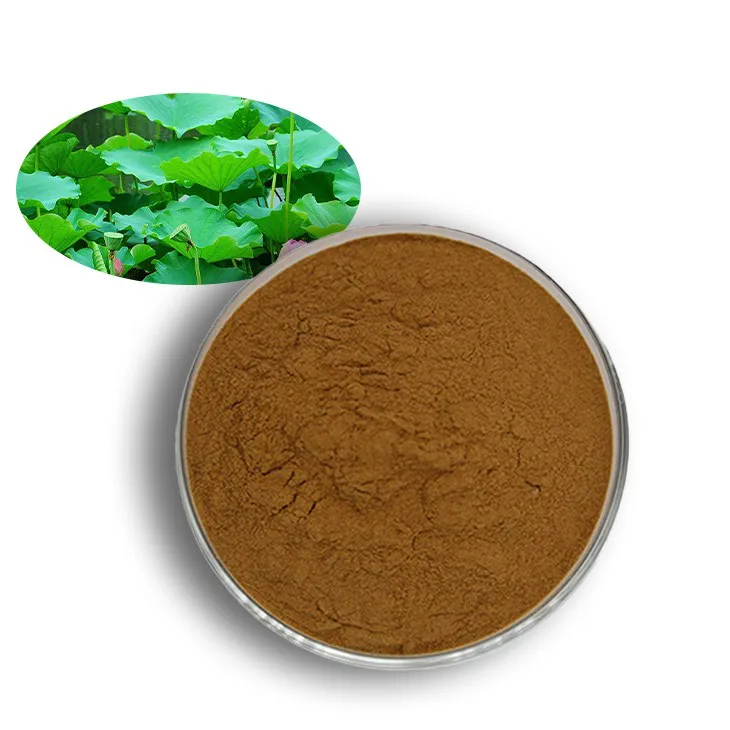
Lotus leaf extract is a natural botanical ingredient derived from the leaves of the sacred lotus (Nelumbo nucifera), a plant long valued in traditional Asian cuisine and herbal practice. In recent years, it has become one of the most talked-about plant extracts in the food, beverage, nutraceutical, and pharmaceutical industries, thanks to a distinctive mix of bioactive compounds. This article explains what Lotus leaf extract is, what it is used for, and what buyers should look for when sourcing it.
What is Lotus leaf extract?
Lotus leaf extract is a concentrated preparation made from the leaves of Nelumbo nucifera. Unlike the lotus root or seeds, which are familiar foods in many cuisines, the leaf is typically processed into powders, teas, and standardized extracts. The extract is rich in aporphine alkaloids, most notably nuciferine, along with flavonoids such as Quercetin-3-glucuronide and kaempferol, plus phenolic compounds and tannins. These constituents work together to give the extract its characteristic biological activity.
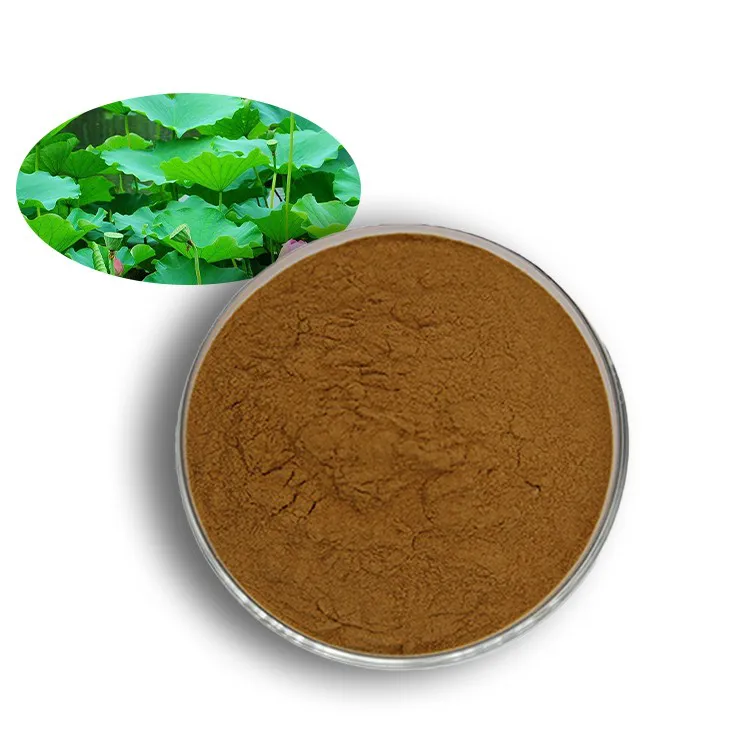
Main uses of lotus leaf extract
Weight management and fat metabolism
One of the most widely studied applications of lotus leaf extract is weight management. Research suggests that its constituents can help regulate lipid synthesis and support fat oxidation pathways, which is why the ingredient appears in many weight-management formulas. In human trials, a standardized lotus leaf extract has been associated with modest reductions in body fat and waist circumference over 8 to 12 weeks, making it a useful non-stimulant option for formulators.
Cardiovascular and lipid support
Lotus leaf extract has also attracted interest for its effects on blood lipids. Preclinical studies report that it can help lower triglycerides and LDL cholesterol while supporting a healthier lipid profile. These properties make it a common ingredient in supplements aimed at cardiovascular wellness.
Blood sugar and metabolic health
Some studies indicate that lotus leaf extract may support healthy blood sugar regulation and improve insulin sensitivity, largely through activation of AMPK and beneficial changes in gut microbiota. While human data are still limited, this is an active area of research for metabolic health products.
Antioxidant and anti-inflammatory support
The flavonoid-rich profile of lotus leaf extract gives it notable antioxidant and anti-inflammatory properties. These effects are valuable in both dietary supplements and cosmetic applications, where the extract helps protect cells from oxidative stress.
Digestive and appetite support
Traditional use of lotus leaf has long included digestive support. The extract may mildly influence digestive enzymes and support a feeling of lightness after meals, which is why it is often paired with other botanicals in wellness blends.
Food and beverage applications
Beyond supplements, lotus leaf extract is used as a natural functional ingredient in teas, beverages, and functional foods. Its mild, slightly bitter character and traditional association with wellness make it a natural fit for herbal tea blends and health-oriented drinks.
Nutraceutical and pharmaceutical applications
As a standardized botanical ingredient, lotus leaf extract is increasingly used in nutraceutical formulations and as a raw material in pharmaceutical research, particularly in areas related to metabolic health and cardiovascular function.
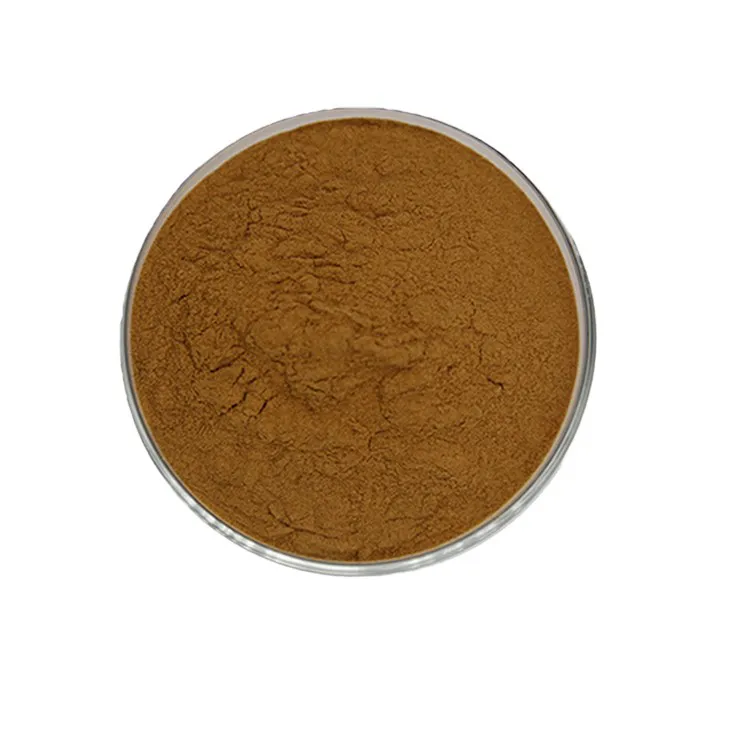
Key active compounds
The biological activity of lotus leaf extract is largely attributed to three groups of compounds:
- Nuciferine: an aporphine alkaloid studied for its effects on lipid handling, insulin secretion, and vascular tone.
- Flavonoids (Quercetin-3-glucuronide, kaempferol): antioxidant and anti-inflammatory compounds.
- Phenolics and tannins: compounds that may influence digestive enzymes and bile acid metabolism.
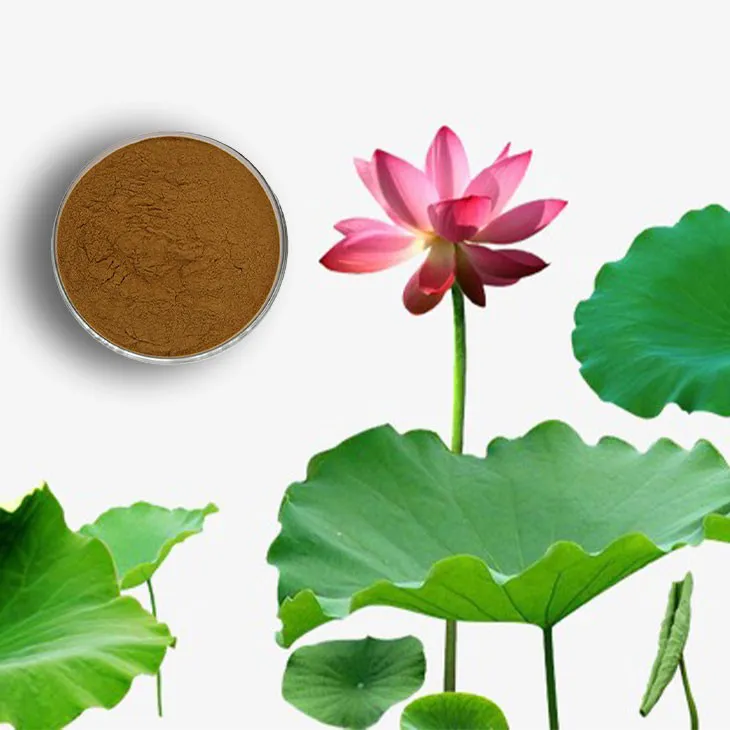
How lotus leaf extract is produced
High-quality lotus leaf extract begins with carefully selected raw material. The leaves are cleaned, dried, and processed using extraction, concentration, and drying technologies to produce a standardized powder. Reputable manufacturers control the entire process, from raw material sourcing to finished powder, and verify quality through laboratory testing. At Greensky, for example, production takes place in a 100,000-class clean area that meets food-grade requirements, with an independent laboratory equipped with GC, HPLC, and UV instruments to ensure consistent quality and safety.
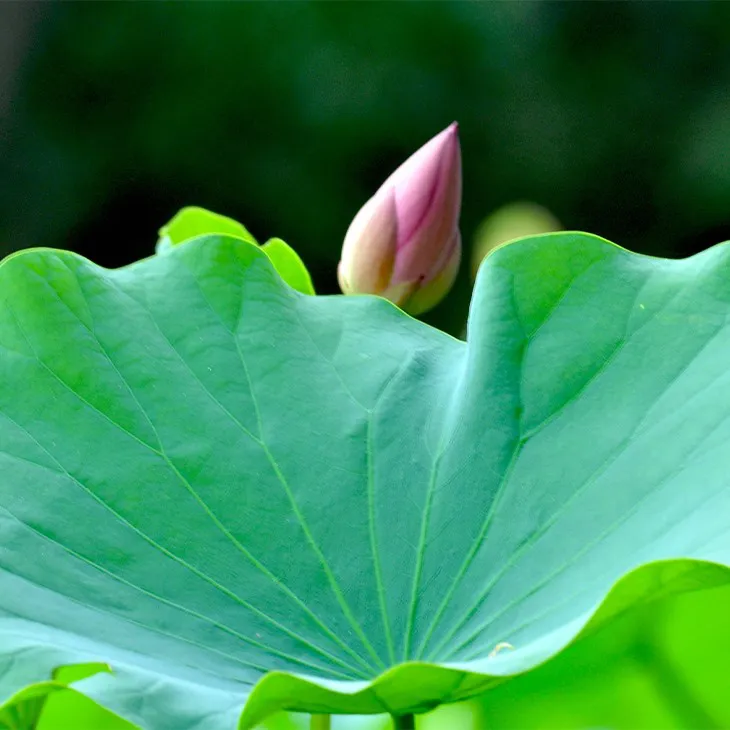
What to look for when sourcing lotus leaf extract
For manufacturers and formulators, choosing the right supplier matters as much as the extract itself. Consider these points:
- Standardization: look for products with clearly stated extraction ratios and standardized markers.
- Certifications: suppliers with ISO22000, BRCGS, HALAL, Kosher, and GMP certifications demonstrate a commitment to quality and safety.
- Testing: in-house and third-party testing for heavy metals and microbial contaminants is essential, especially for aquatic plants.
- Traceability: a vertically integrated supplier that controls sourcing, production, and testing offers greater supply security.
Why choose Greensky as your plant extract supplier
Hangzhou Greensky Biological Tech. Co., Ltd. is a professional plant extract manufacturer with more than 20 years of experience. Founded in 2004 and headquartered in Hangzhou, the company operates five wholly-owned subsidiaries with full vertical integration across research, development, production, and sales. Greensky's plant extracts are produced in a 100,000-class clean production area and verified by an independent laboratory, and the company holds ISO22000, BRCGS, Ecocert Organic, SGS-GMP, ISO9001, HALAL, and Kosher certifications. With export value reaching nearly 30 million USD in 2023 and customers across Europe, the United States, South Korea, and Russia, Greensky is a reliable partner for bulk plant extract supply.
Conclusion
Lotus leaf extract is a versatile botanical ingredient with applications across weight management, cardiovascular health, metabolic wellness, and functional food and beverage products. For businesses looking to source high-quality lotus leaf extract, working with an experienced plant extract supplier ensures consistent quality, reliable supply, and full documentation. Contact Greensky to discuss your requirements.
TAGS:
- ▶ Hesperidin
- ▶ Citrus Bioflavonoids
- ▶ Plant Extract
- ▶ lycopene
- ▶ Diosmin
- ▶ Grape seed extract
- ▶ Sea buckthorn Juice Powder
- ▶ Fruit Juice Powder
- ▶ Hops Extract
- ▶ Artichoke Extract
- ▶ Mushroom extract
- ▶ Astaxanthin
- ▶ Green Tea Extract
- ▶ Curcumin
- ▶ Horse Chestnut Extract
- ▶ Other Product
- ▶ Boswellia Serrata Extract
- ▶ Resveratrol
- ▶ Marigold Extract
- ▶ Grape Leaf Extract
- ▶ New Product
- ▶ Aminolevulinic acid
- ▶ Cranberry Extract
- ▶ Red Yeast Rice
- ▶ Red Wine Extract
- ▶ blog
-
Wheat Germ Extract
2026-08-14
-
Saffron Extract Powder
2026-08-14
-
Red Date Extract
2026-08-14
-
Marigold Extract
2026-08-14
-
Boswellia Serrata Extract
2026-08-14
-
Curcumin
2026-08-14
-
Sea buckthorn oil
2026-08-14
-
Lotus leaf extract
2026-08-14
-
Honeysuckle Pollen
2026-08-14
-
White Peony Extract
2026-08-14