- 0086-571-85302990
- [email protected]






What is hesperidin and what are its benefits?
2026-08-14
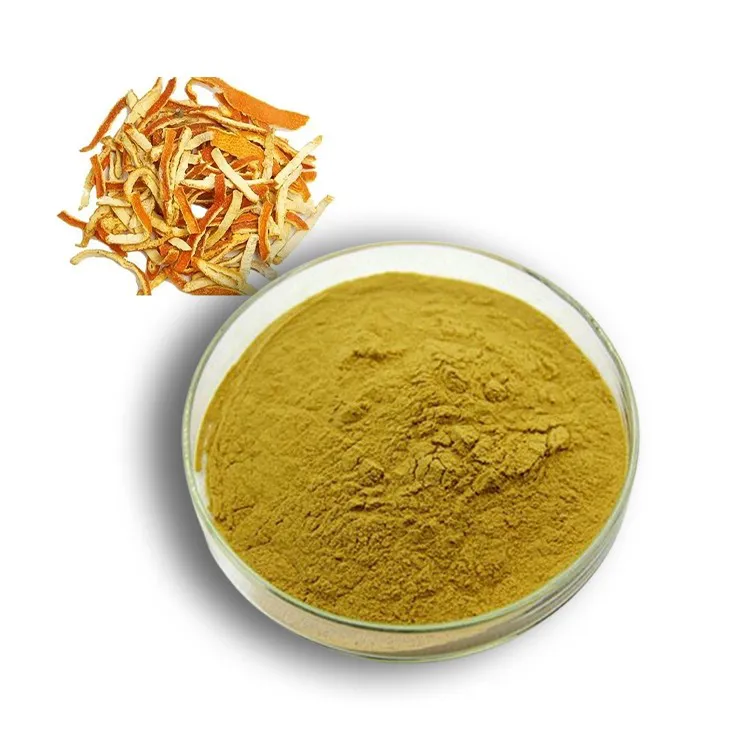
Hesperidin is a natural flavonoid compound found in citrus fruits, and it has quietly become one of the most studied botanical actives in the health ingredient market. If you are a supplement brand owner, a formulator, or a procurement professional looking for reliable raw materials, understanding what Hesperidin is and what it can do for your product line is worth your time. This guide breaks down the science, the health benefits, and the practical sourcing considerations in plain language.
What is Hesperidin?
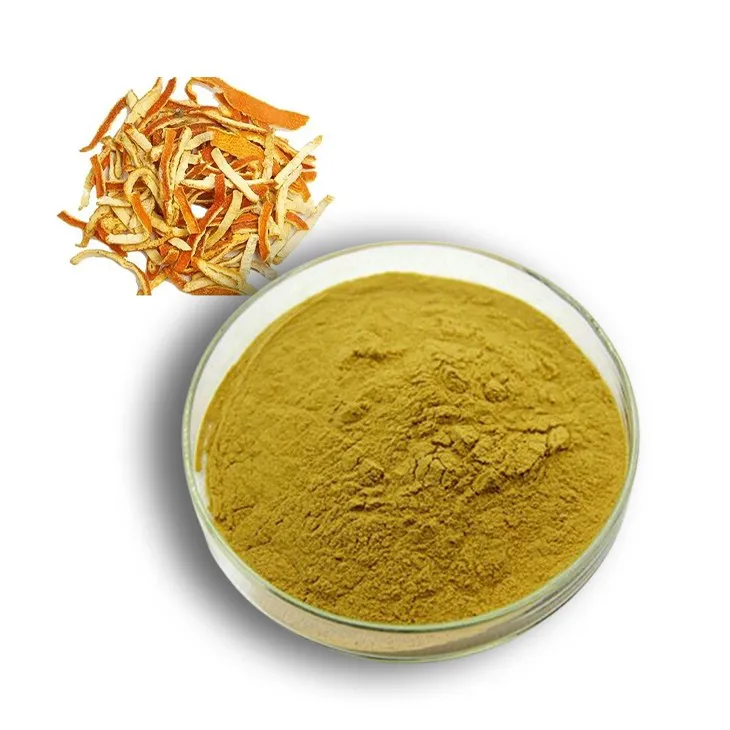
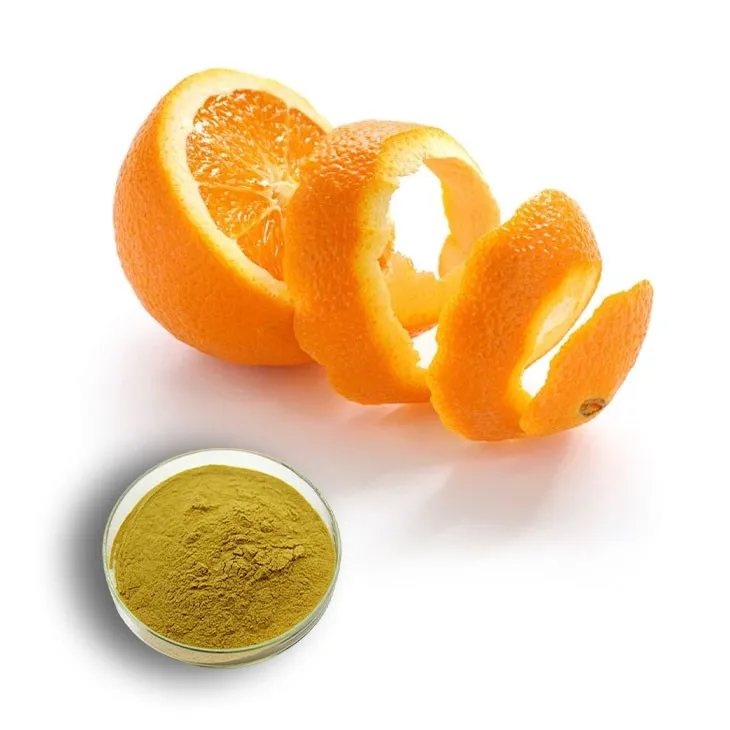
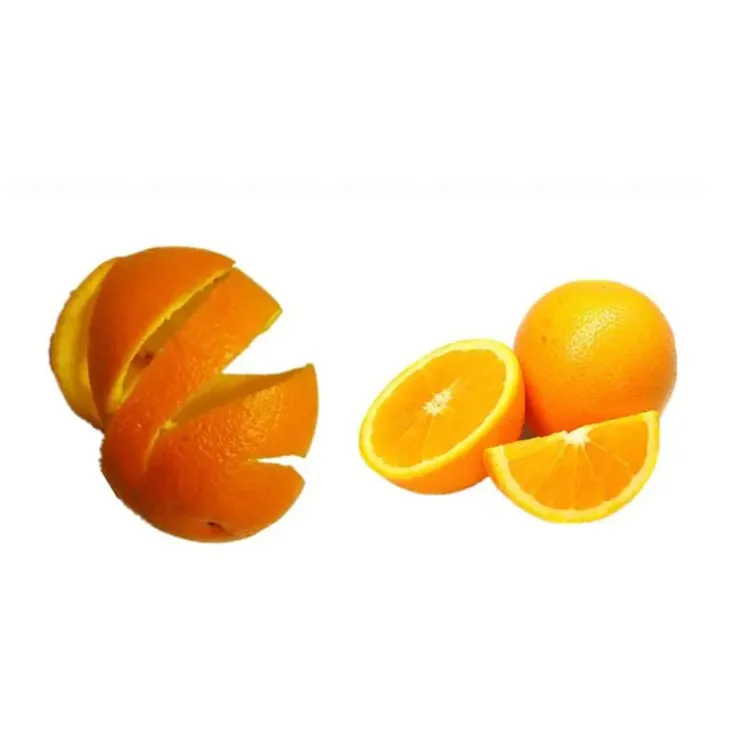
Hesperidin belongs to a class of plant compounds called flavanones, a subgroup of the larger citrus bioflavonoids family. Chemically, it is a glycoside made of a hesperetin aglycone attached to a sugar unit called rutinoside, which is why it is sometimes listed on ingredient labels as hesperetin-7-rutinoside. The compound is abundant in the white pith and peel of citrus fruits, including sweet oranges, lemons, bitter oranges, and clementines, and it is also found in smaller amounts in mint and some medicinal herbs.
Because citrus peels are a by-product of the juice industry, hesperidin is one of the more sustainable botanical extracts available. Manufacturers isolate it from citrus processing residue, which keeps costs reasonable while delivering a well-standardized active ingredient. For buyers, that means hesperidin can be sourced in consistent, high-purity grades suitable for dietary supplements, functional foods, and cosmetic applications.
How does hesperidin work in the body?
The health effects of hesperidin are largely driven by two mechanisms: its ability to neutralize free radicals and its capacity to modulate inflammatory pathways. As an antioxidant, it scavenges reactive oxygen species and supports the body's own antioxidant enzymes, helping to protect cells from oxidative stress. As an anti-inflammatory agent, it influences signaling pathways that control the release of pro-inflammatory molecules, which helps explain its broad range of reported benefits.
One practical point to keep in mind is bioavailability. Hesperidin is not highly water-soluble, and its oral absorption is limited compared with some other flavonoids. This is why many formulators pair it with other citrus bioflavonoids or use enhanced delivery forms. When you evaluate raw material suppliers, it is worth asking about particle size, solubility, and any processing steps that improve absorption, because these details directly affect how well the ingredient performs in your finished product.
Key health benefits of hesperidin
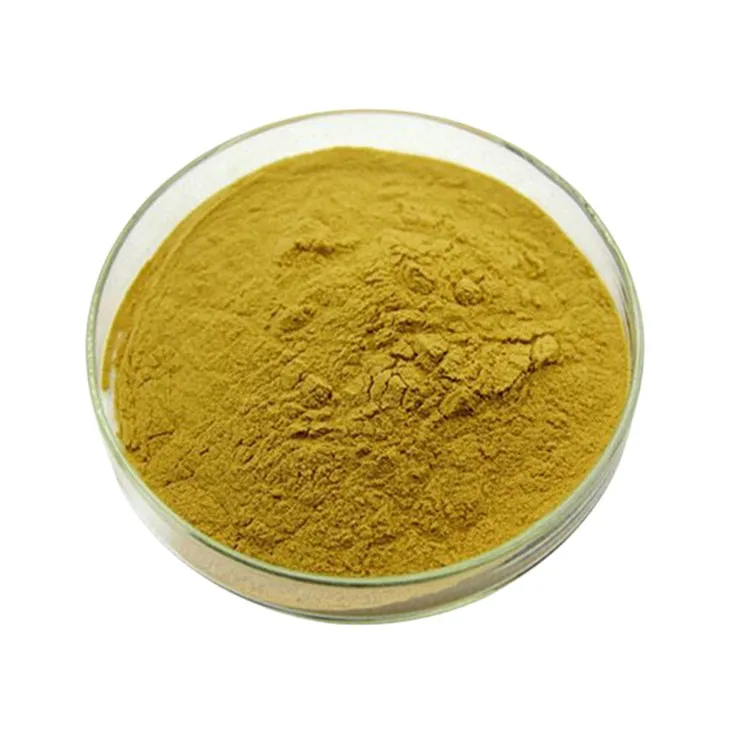
Research on hesperidin spans decades, and the evidence points to several areas where it shows real promise. The benefits below are the ones most relevant to supplement and functional food applications.
1. Cardiovascular and vascular support
Hesperidin is perhaps best known for its role in supporting healthy blood vessels. It has been studied for its ability to improve the function of the endothelium, the thin layer of cells lining blood vessels, and to support healthy blood pressure levels already within the normal range. It is frequently combined with Diosmin, and the diosmin hesperidin combination is a well-established pairing in vascular health products, particularly those aimed at leg comfort and venous circulation. For brands building a circulation-focused product, hesperidin is a natural fit.
2. Antioxidant protection
Oxidative stress is linked to a wide range of age-related concerns, and hesperidin's antioxidant activity is one of its most consistent findings across studies. By reducing oxidative damage at the cellular level, it supports general wellness, skin health, and healthy aging. This makes it a versatile addition to daily antioxidant formulas alongside other citrus bioflavonoids.
3. Anti-inflammatory activity
Chronic low-grade inflammation is increasingly recognized as a driver of many modern health problems. Hesperidin has demonstrated anti-inflammatory effects in multiple research models, which has led to interest in its use for joint comfort, respiratory wellness, and digestive health. While it is not a substitute for medical treatment, it offers formulators a gentle, plant-derived option for inflammation-focused products.
4. Metabolic and blood sugar support
Several studies have examined hesperidin's effects on glucose metabolism and insulin sensitivity. The evidence suggests it may help support healthy blood sugar regulation and lipid metabolism, which is why it appears in some metabolic health and weight management formulas. These findings are promising, though they should be positioned carefully in marketing claims to stay within regulatory guidelines.
5. Cognitive and nervous system support
Emerging research has explored hesperidin's potential role in brain health. Its antioxidant and anti-inflammatory properties may help protect neurons from stress-related damage, and some animal studies have reported benefits for memory and cognitive function. This is an exciting area for future product development, especially in the growing cognitive health category.
Safety and tolerability
Hesperidin has a strong safety record. Long-term animal studies have found no significant toxicity, and human studies report that only a small percentage of users experience mild digestive discomfort. It is generally recognized as safe when used at appropriate doses in dietary supplements. As with any ingredient, it is good practice to consult a healthcare professional for specific populations, including pregnant or nursing women and people taking prescription medications.
Choosing a hesperidin supplier
The quality of your finished product starts with the raw material, and not all hesperidin extracts are created equal. When evaluating suppliers, look for a manufacturer that can provide consistent specifications, documented purity, and third-party testing. Certifications such as ISO, HALAL, Kosher, and organic standards add confidence, especially if you export to regulated markets.
A vertically integrated manufacturer is a significant advantage. When one company controls research, extraction, production, and quality control, you get better batch-to-batch consistency and clearer traceability. This is exactly the model used by Hangzhou Greensky Biological Tech. Co., Ltd., a manufacturer with more than 20 years of experience in plant extracts. Greensky operates its own production facilities, including a 100,000-class clean production area and an independent laboratory equipped with HPLC and other analytical instruments, so every batch of hesperidin extract can be verified before it ships.
Greensky's hesperidin extract is produced from carefully selected citrus sources and standardized to deliver reliable antioxidant activity. The company's product range also includes Diosmin and other citrus bioflavonoids, which makes it convenient to source complementary ingredients from a single supplier. For brands that need consistent quality at scale, working with an experienced hesperidin manufacturer can save time and reduce supply chain risk.
How to use hesperidin in your products
Hesperidin is a flexible ingredient that fits several product formats. It works well in capsules and tablets, where it can be combined with Diosmin, vitamin C, or other bioflavonoids for a circulation or antioxidant formula. It can also be incorporated into powdered drink mixes and functional foods, though formulators should account for its limited water solubility and may need to use solubilized or micronized grades for beverage applications.
For dosage, most supplement products use hesperidin in the range of 100 to 500 mg per serving, often split across the day. The right level depends on your target benefit and the rest of your formula, so working with a supplier that offers technical support and formulation guidance is a real advantage.
The bottom line
Hesperidin is a well-researched citrus flavonoid with genuine benefits for cardiovascular health, antioxidant defense, and inflammation management. Its strong safety profile, sustainable sourcing, and versatility make it an attractive ingredient for supplement brands and functional food manufacturers alike. The key to success is choosing a supplier that can deliver consistent, high-quality extract with the documentation your market requires.
If you are planning a hesperidin-based product and need a dependable source of hesperidin extract or other citrus bioflavonoids, Greensky's team can share specifications, certificates, and sample support. Contact them through the website to discuss your formulation goals and get the technical details you need to move forward with confidence.
- ▶ Hesperidin
- ▶ Citrus Bioflavonoids
- ▶ Plant Extract
- ▶ lycopene
- ▶ Diosmin
- ▶ Grape seed extract
- ▶ Sea buckthorn Juice Powder
- ▶ Fruit Juice Powder
- ▶ Hops Extract
- ▶ Artichoke Extract
- ▶ Mushroom extract
- ▶ Astaxanthin
- ▶ Green Tea Extract
- ▶ Curcumin
- ▶ Horse Chestnut Extract
- ▶ Other Product
- ▶ Boswellia Serrata Extract
- ▶ Resveratrol
- ▶ Marigold Extract
- ▶ Grape Leaf Extract
- ▶ New Product
- ▶ Aminolevulinic acid
- ▶ Cranberry Extract
- ▶ Red Yeast Rice
- ▶ Red Wine Extract
- ▶ blog
-
Kupilu Extract
2026-08-14
-

Lion's Mane Mushroom Extract
2026-08-14
-
White Willow Bark Extract
2026-08-14
-
Tongkat Ali Extract Powder
2026-08-14
-
Pine bark Extract Powder
2026-08-14
-
Citrus Aurantium Extract
2026-08-14
-
Panax Ginseng Leaf Extract
2026-08-14
-
Scutellaria Extract
2026-08-14
-
Clove Powder
2026-08-14
-
Phyllanthus Emblica Extract
2026-08-14
