- 0086-571-85302990
- [email protected]






What is garlic extract and what are its benefits?
2026-08-18
Garlic has been prized for its flavor and its reputed health-giving properties for thousands of years, and modern science is steadily catching up with the tradition. In supplement and functional-food circles today, garlic extract has become a widely studied botanical ingredient with a growing list of documented benefits. But what exactly is garlic extract, and is it worth adding to a product line? This guide breaks down what it is, how it works, and the key benefits that make it so popular among formulators and brand owners.
What is garlic extract?
Garlic extract is a concentrated preparation made from the bulbs of garlic (Allium sativum), a relative of onion, leek, and chive. Through careful extraction and processing, the raw cloves are turned into a standardized, easy-to-use ingredient that delivers the plant's active compounds in a consistent dose. Because raw garlic is difficult to consume in large amounts and its active substances are unstable, extraction is essential for producing a practical, reliable dietary ingredient.
Two groups of sulfur compounds do most of the work. When fresh garlic is crushed, an enzyme called alliinase converts the amino acid alliin into allicin, the compound responsible for garlic's sharp odor and many of its biological effects. Allicin is unstable, so many commercial extracts are made in ways that preserve more stable components such as S-allyl cysteine (SAC), which is especially abundant in aged preparations. Different extraction methods therefore produce extracts with different active profiles, which is one reason the specific product matters for a finished formula.
What are the main health benefits of garlic extract?
Cardiovascular and heart health support
Garlic extract is best known for its potential support of cardiovascular health. A number of clinical studies report modest reductions in blood pressure, particularly in people with elevated readings, with noticeable effects typically appearing after several weeks of consistent use. The sulfur compounds appear to relax blood vessels by supporting nitric oxide production and may also promote healthy cholesterol metabolism, making garlic extract an attractive inclusion for heart-health-oriented supplements.
Antioxidant and immune support
Garlic is rich in natural antioxidant sulfur compounds that help neutralize free radicals and support the body's own defense systems. Research also suggests garlic supplementation may reduce the frequency and duration of common cold symptoms in some individuals, supporting the ingredient's reputation as a seasonal immunity ally. While results vary, the combination of antioxidant and antimicrobial activity is why garlic appears so often in immune-support products.
Anti-inflammatory effects
Beyond the heart and the immune system, garlic's bioactive sulfur compounds are reported to show anti-inflammatory activity, which supports general wellness and joint comfort. Its antioxidant capacity extends to protecting cells and blood vessels from oxidative stress, contributing to the overall "daily wellness" positioning that is so popular in modern supplementation.
Common forms of garlic extract
Not all garlic extracts are the same, and the form you choose should match your product goal. Standardized garlic powder and extract focus on allicin potential, while aged garlic extract (AGE) is processed through a gentle aging step that produces stable, milder sulfur compounds and less odor. Garlic oil concentrates fat-soluble organosulfur molecules. For formulators who need consistent actives and a predictable supply, a reliable plant extract supplier with documented standardization can make the difference between an ordinary label and a dependable formula.
Why quality and sourcing matter for garlic extract
Because garlic's active compounds are potent but fragile, the extraction process has an outsized impact on the final product. Batch-to-batch consistency, verified active content, heavy-metal and microbial limits, and traceable raw materials are exactly what finished-product brands need to protect their reputation. This is why working with an experienced, vertically integrated manufacturer is important.
Greensky is a professional manufacturer of natural plant extracts with more than 20 years of experience. Its fully integrated group handles research, development, and production, while a clean-room production area, an in-house laboratory equipped with GC, HPLC, and UV instruments, and certifications including ISO22000, BRCGS, HALAL, and Kosher help ensure the plant extract manufacturers you choose can deliver on purity and consistency.
For brands looking to build a garlic-based product, the garlic extract from Greensky's plant extract range is a representative example of how fermented, deeply processed garlic varieties can be turned into a clean, usable botanical ingredient with a distinct profile.
Dosage and practical considerations
There is no official recommended daily allowance for garlic extract, and appropriate levels depend on the form and concentration. In clinical research, common doses range from about 600 to 1,200 mg per day of standardized preparations, often divided into two or three servings and taken for at least 8 to 12 weeks to observe cardiovascular effects. Formulators should validate dosage with their target market and regulatory guidance and follow the supplier's specification sheet.
Garlic extract is generally well tolerated, though it may cause mild digestive upset or a noticeable garlic odor with some forms. Because garlic can affect blood clotting, people taking anticoagulant or antiplatelet medicines, as well as those scheduled for surgery, should consult a healthcare professional before use. Pregnant and breastfeeding women, and anyone with a known garlic allergy, should also check with a physician first.
Is garlic extract right for your product?
With a long history, a strong evidence base around cardiovascular and antioxidant support, and broad consumer familiarity, garlic extract is a versatile ingredient for dietary supplements, functional foods, and health powders. Whether you are a brand owner developing a heart-health formula, an immunity blend, or a general wellness product, choosing the right raw material and a dependable manufacturing partner is the first step toward a trustworthy finished product.
If you are sourcing botanical ingredients for your own brand, reputable plant extract suppliers can provide specifications, certificates of analysis, and regulatory documentation that give your formula a solid foundation.
- ▶ Hesperidin
- ▶ Citrus Bioflavonoids
- ▶ Plant Extract
- ▶ lycopene
- ▶ Diosmin
- ▶ Grape seed extract
- ▶ Sea buckthorn Juice Powder
- ▶ Fruit Juice Powder
- ▶ Hops Extract
- ▶ Artichoke Extract
- ▶ Mushroom extract
- ▶ Astaxanthin
- ▶ Green Tea Extract
- ▶ Curcumin
- ▶ Horse Chestnut Extract
- ▶ Other Product
- ▶ Boswellia Serrata Extract
- ▶ Resveratrol
- ▶ Marigold Extract
- ▶ Grape Leaf Extract
- ▶ New Product
- ▶ Aminolevulinic acid
- ▶ Cranberry Extract
- ▶ Red Yeast Rice
- ▶ Red Wine Extract
- ▶ blog
-
Withania Somnifera Extract
2026-08-18
-
Lemon Balm Extract
2026-08-18
-
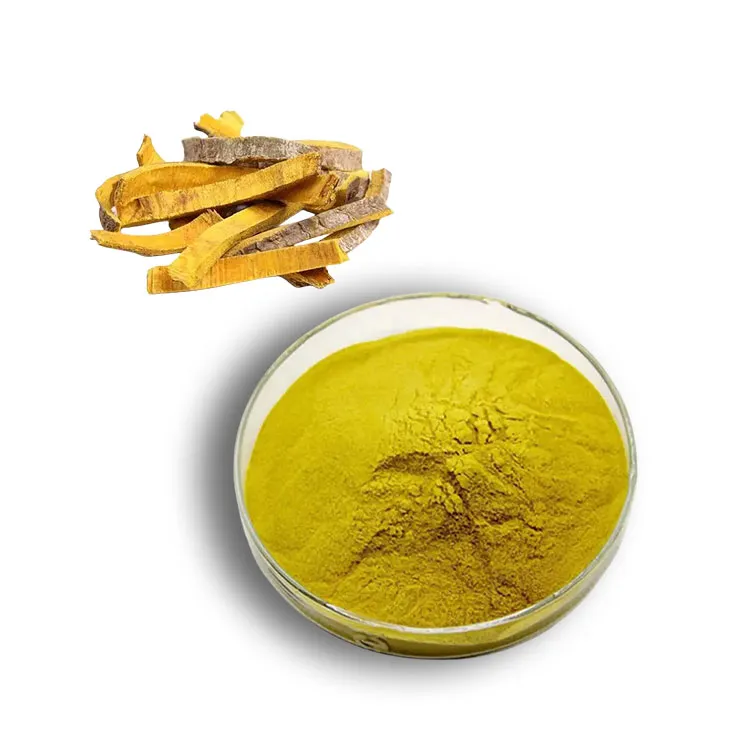
Phellodendron Extract
2026-08-18
-
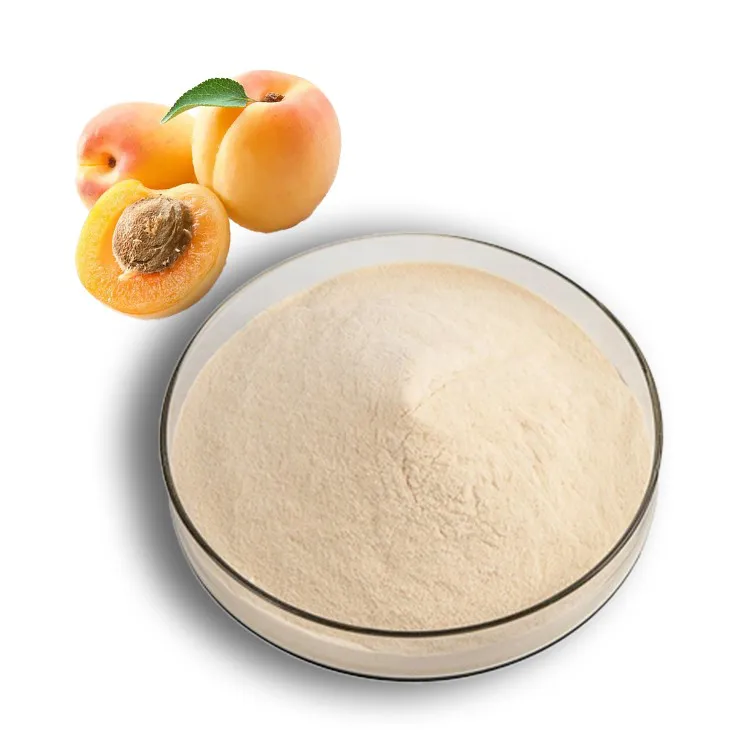
Apricot Powder
2026-08-18
-
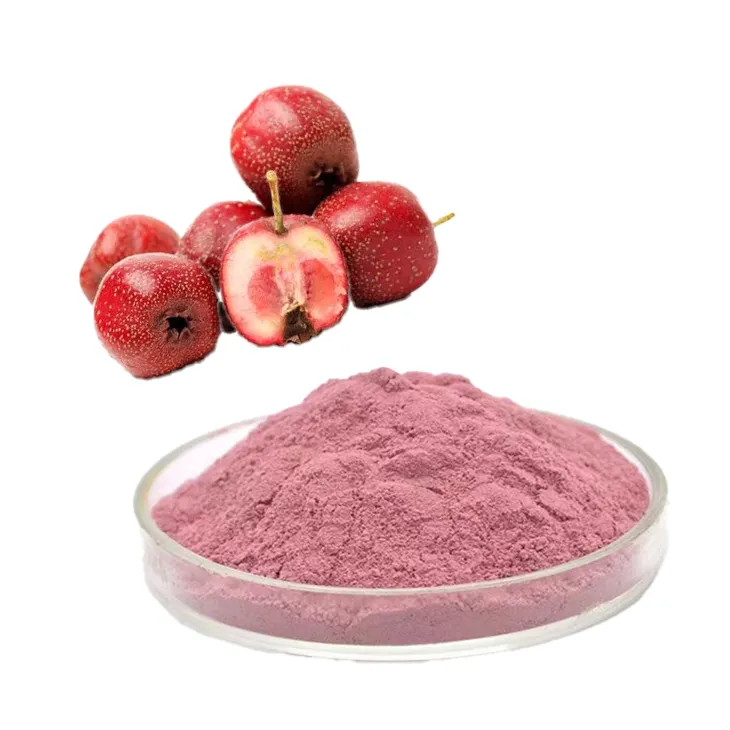
Hawthorn powder
2026-08-18
-
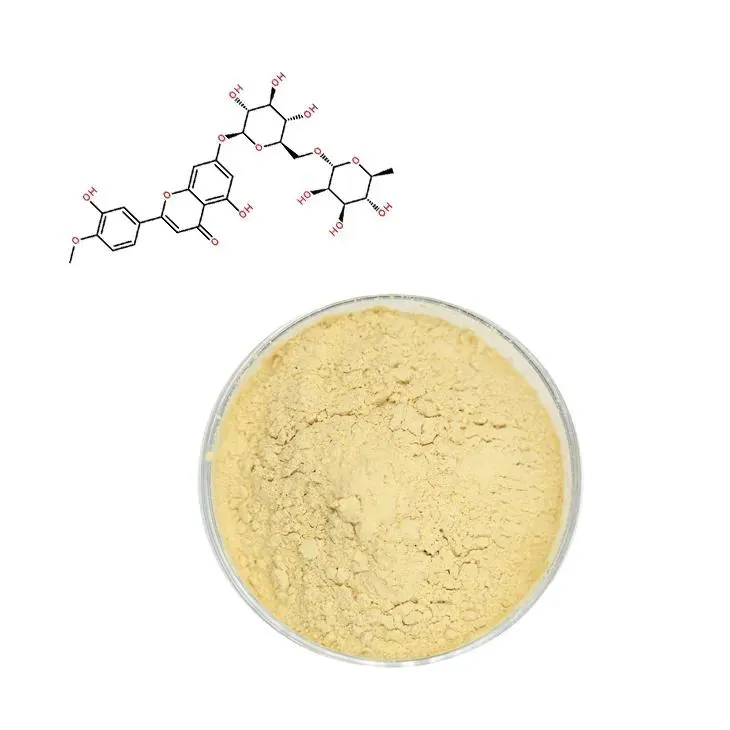
Diosmin
2026-08-18
-
Kidney Bean Extract
2026-08-18
-
Lily extract
2026-08-18
-
Tamarind extract powder
2026-08-18
-
Tongkat Ali Extract Powder
2026-08-18
