- 0086-571-85302990
- [email protected]





What is extract of horse chestnut used for?
2026-08-19
Horse Chestnut Extract is one of those botanical ingredients that has quietly built a loyal following in the natural health world. Made from the seeds of the horse chestnut tree (Aesculus hippocastanum), it has been part of European herbal medicine for centuries, and today it is a common ingredient in supplements formulated for leg comfort and vein support. If you have ever wondered what extract of horse chestnut is used for, the short answer is vascular health. The longer answer explains why it keeps showing up in so many formulas.
What is Horse Chestnut Extract?
The horse chestnut tree is native to the Balkan Peninsula but now grows throughout the Northern Hemisphere. Its seeds contain a group of active compounds, the most important of which is a triterpenic saponin called escin, sometimes spelled aescin. Most commercial extracts are standardized to contain 16–20% escin, and this standardization is what lets manufacturers guarantee consistent potency from batch to batch.
What is Horse Chestnut Extract used for?
The main use of horse chestnut extract is supporting the veins, specifically in chronic venous insufficiency (CVI). CVI is a common condition in which the veins in the legs do not efficiently return blood to the heart. Blood pools in the lower legs, and over time this leads to a cluster of uncomfortable symptoms:
- Varicose veins
- Ankle swelling and edema
- Feelings of heaviness in the legs
- Leg pain and aching
- Itching
- Nighttime leg cramping
CVI is far from rare. Estimates suggest around 10–15% of men and 20–25% of women show signs of the condition, and it becomes more common with age. The seed extract has also been used traditionally for hemorrhoids, which are essentially varicose veins in the anal area.
How does horse chestnut extract work?
The active ingredient escin works on the veins in a few ways. It helps reduce the permeability of the vein walls, so less fluid leaks out into the surrounding tissue. That is why the extract is best known for easing edema, or fluid-related swelling. Escin also inhibits an enzyme called hyaluronidase, which is involved in the breakdown of the tissue matrix around the veins. By slowing that breakdown, the extract helps maintain the structure and tone of the vein walls, supporting the flow that pushes blood back toward the heart.
What the science says
Horse chestnut extract is one of the better-studied herbal ingredients. A Cochrane systematic review that pooled 17 randomized controlled trials found that, compared with placebo, the extract consistently improved the classic symptoms of CVI: leg pain, swelling, and itching. Six placebo-controlled studies with 543 participants reported a clear reduction in leg pain, and pooled results showed a meaningful reduction in leg volume. One trial even suggested the extract may be as effective as wearing compression stockings. The National Center for Complementary and Integrative Health reaches a similar conclusion, noting that studies have found the extract beneficial for chronic venous insufficiency.
Forms and how it is used
Horse chestnut extract is available in several forms. Capsules and tablets are the most common, typically standardized to 16–20% escin and taken daily for several weeks. Topical gels and creams are also used for localized leg discomfort. In the clinical trials, the extract was taken for periods of two to sixteen weeks, and benefits were generally seen within that window.
Safety and side effects
This is the part that matters most. Raw, unprocessed horse chestnut seeds, leaves, bark, and flowers contain a compound called esculin, which is poisonous and must never be eaten. Properly processed extract, however, contains little or no esculin and is considered generally safe for short-term use. The side effects that do occur are usually mild, such as occasional itching, nausea, or stomach upset. As with any supplement, people with medical conditions or who are pregnant should talk to a healthcare professional first.
Who uses horse chestnut extract?
Horse chestnut extract is not a consumer product by itself; it is an ingredient. Supplement brands, nutraceutical companies, and formulators buy it in bulk and use it in vein-support capsules, leg-comfort formulas, and topical creams. For these businesses, the quality of the raw material determines the quality of the finished product, which is why sourcing matters.
Sourcing quality horse chestnut extract
When choosing a supplier, look for a manufacturer that standardizes the extract to a stated escin content, tests every batch, and can document its production and quality systems. Hangzhou Greensky Biological Tech. Co., Ltd., founded in 2004, is a professional plant extract manufacturer with more than 20 years of experience. Its horse chestnut extract is produced in a 100,000-class clean production area, tested in an in-house laboratory equipped with HPLC, GC, and UV instruments, and manufactured under certifications including ISO22000, BRCGS, ISO9001, HALAL, and Kosher. For brands looking for a dependable bulk source, that combination of documentation and testing makes it far easier to put a consistent product on the shelf.
Frequently asked questions
Is horse chestnut extract the same as eating horse chestnuts? No. Raw horse chestnuts are toxic and should never be eaten. The extract is a processed product from which the toxic compound has been removed.
How long does it take to work? In clinical trials, benefits were seen over two to sixteen weeks of daily use, with leg pain and swelling typically improving within that period.
Can it replace compression stockings? Some research suggests it may be as effective as compression stockings for symptom relief, but many people still use both. Talk to your doctor about what is right for you.
Is it safe for everyone? It is generally safe for short-term use, but pregnant women and people with medical conditions should check with a healthcare professional first.
The bottom line
Horse chestnut extract is used mainly to support vein health and relieve the symptoms of chronic venous insufficiency, including leg pain, swelling, heaviness, and cramps. It is one of the most thoroughly studied botanical ingredients for this purpose, and the evidence for its benefits is solid. Just remember to choose a properly processed, standardized extract from a reputable supplier, and never consume raw horse chestnuts.
TAGS:
- ▶ Hesperidin
- ▶ Citrus Bioflavonoids
- ▶ Plant Extract
- ▶ lycopene
- ▶ Diosmin
- ▶ Grape seed extract
- ▶ Sea buckthorn Juice Powder
- ▶ Fruit Juice Powder
- ▶ Hops Extract
- ▶ Artichoke Extract
- ▶ Mushroom extract
- ▶ Astaxanthin
- ▶ Green Tea Extract
- ▶ Curcumin
- ▶ Horse Chestnut Extract
- ▶ Other Product
- ▶ Boswellia Serrata Extract
- ▶ Resveratrol
- ▶ Marigold Extract
- ▶ Grape Leaf Extract
- ▶ New Product
- ▶ Aminolevulinic acid
- ▶ Cranberry Extract
- ▶ Red Yeast Rice
- ▶ Red Wine Extract
- ▶ blog
-
Beetroot juice Powder
2026-08-19
-
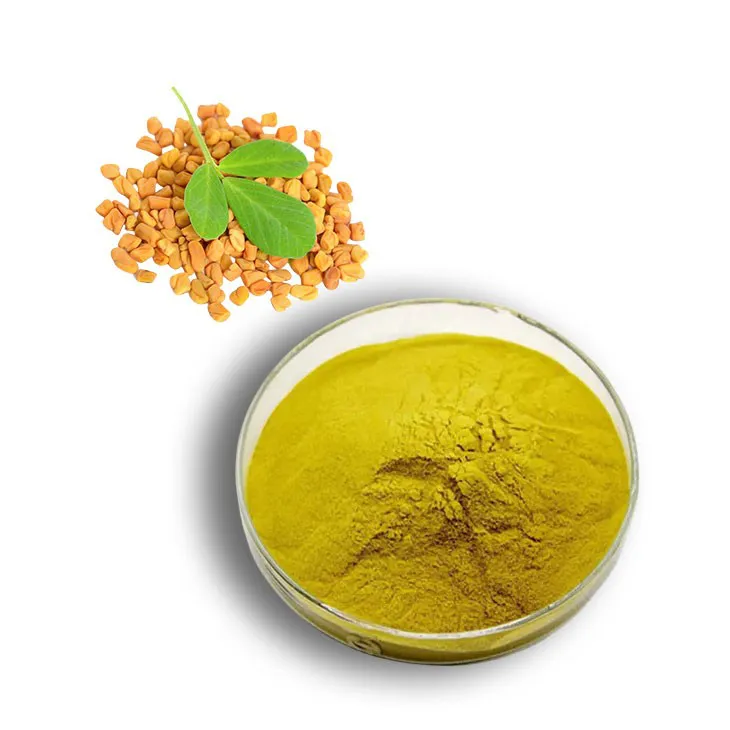
Fenugreek Extract Powder
2026-08-19
-
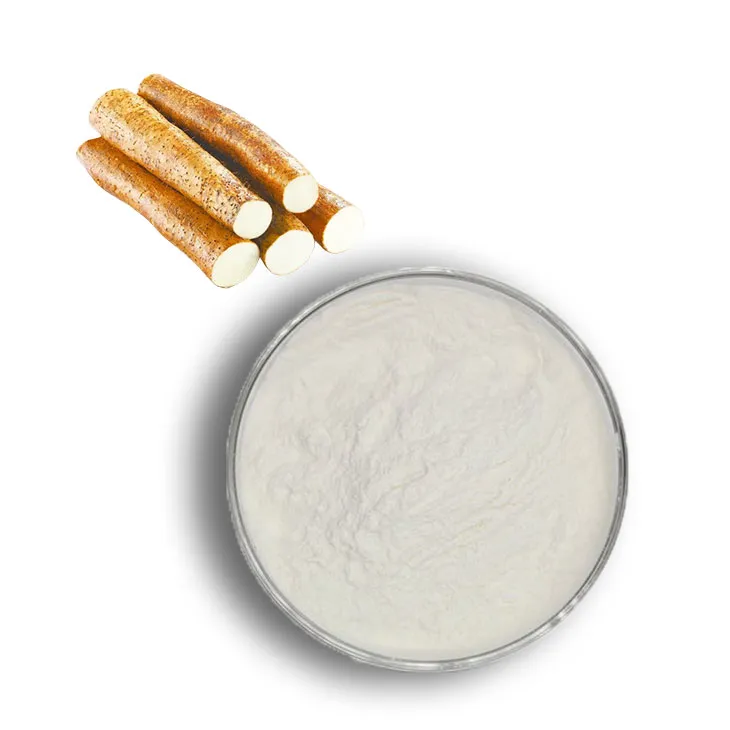
Yam Extract
2026-08-19
-
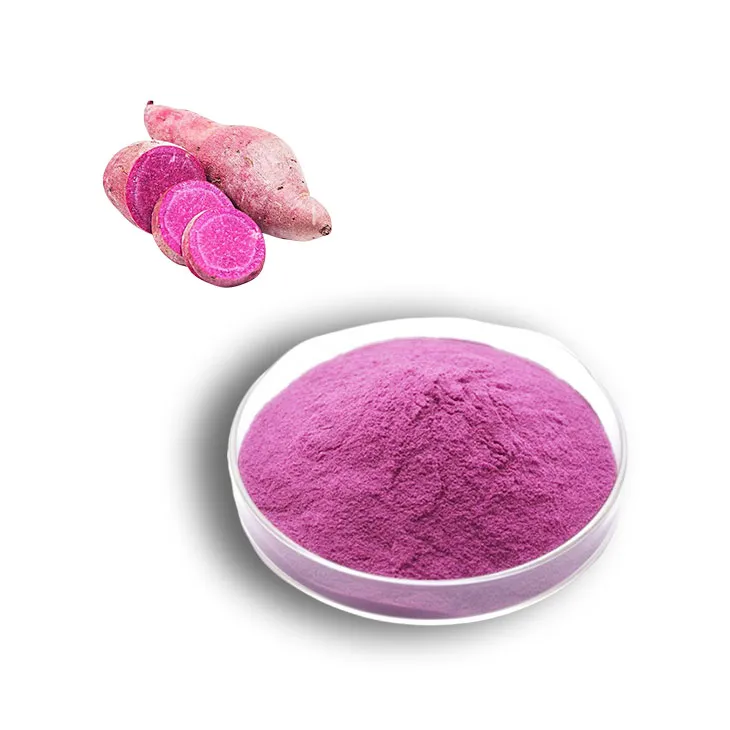
Purple Sweet Potato Extract
2026-08-19
-
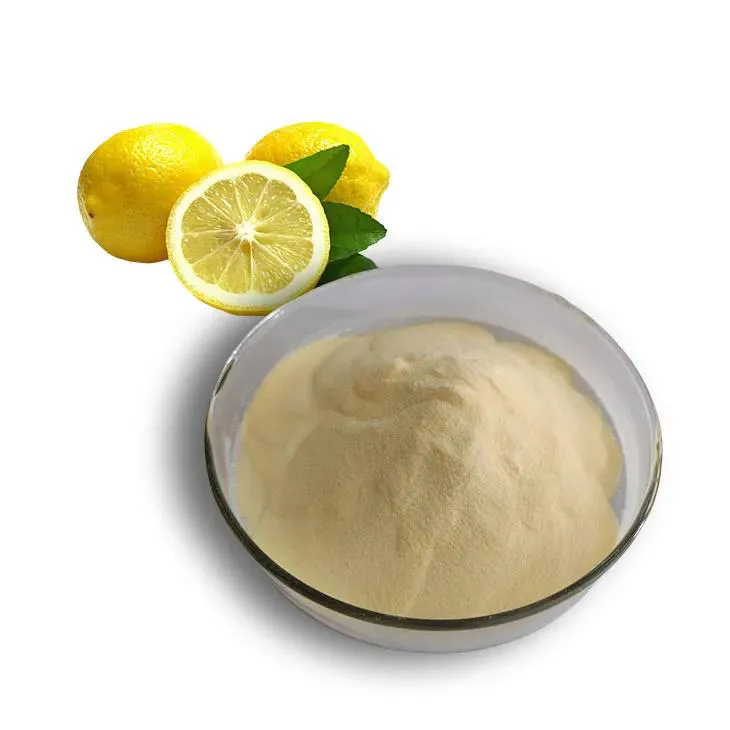
Lemon Juice Powder
2026-08-19
-
Ginseng Root Extract
2026-08-19
-
Coconut Water Powder
2026-08-19
-
Liposomal Berberine HCl
2026-08-19
-
Lotus leaf extract
2026-08-19
-
Medicinal Marshmallow Extract
2026-08-19