- 0086-571-85302990
- [email protected]





What is a curcumin supplement?
2026-08-19
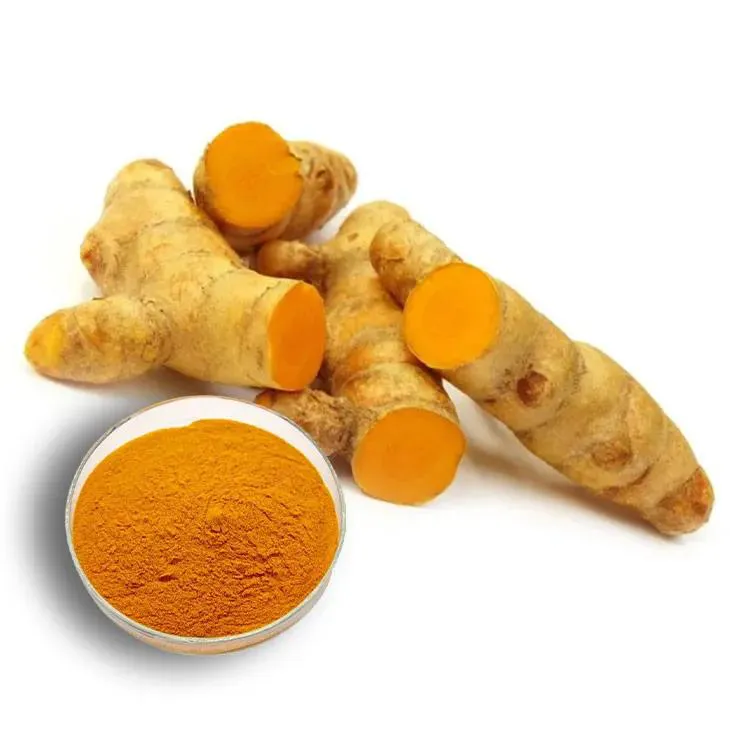
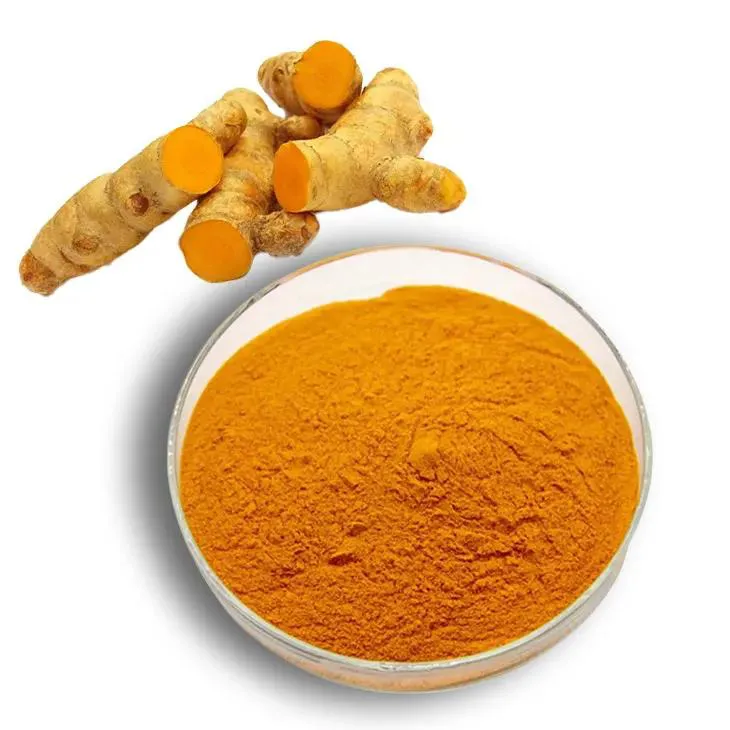
A curcumin supplement is a dietary product that delivers a concentrated extract of Curcumin, the main bioactive compound found in turmeric (Curcuma longa). While the golden spice used in cooking contains only trace amounts of this active ingredient, a supplement provides a standardized dose of Curcuminoids — typically around 95% — that has been studied in hundreds of clinical trials for joint comfort, inflammatory response, and antioxidant support.
If you are researching Curcumin for your own health routine, or sourcing curcumin raw material for a supplement brand, this guide explains what a curcumin supplement actually is, how it works, what to look for on a label, and why the manufacturer behind the powder matters more than most people realize.
Turmeric vs. curcumin: what is the difference?
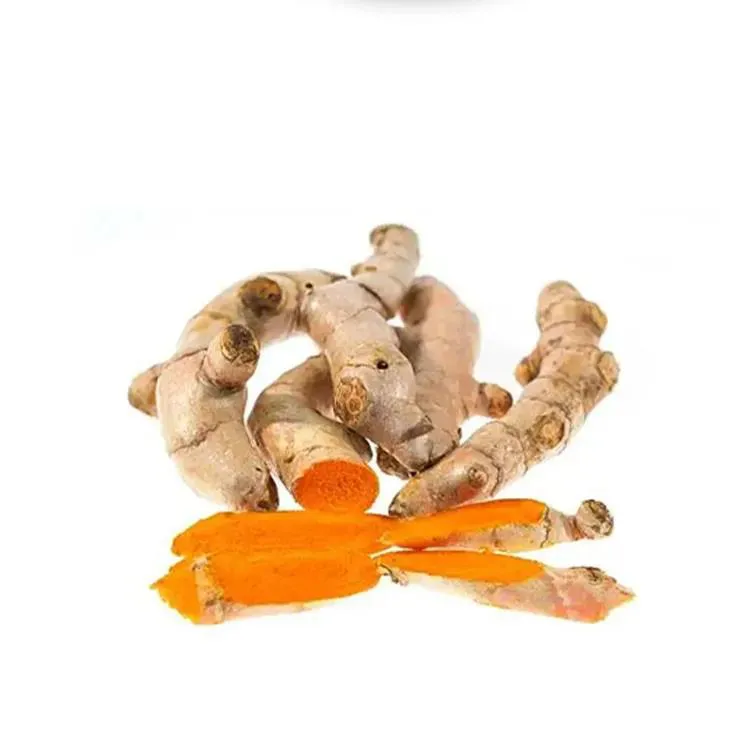
Turmeric is the bright yellow rhizome of the Curcuma longa plant, used for centuries in cooking and traditional medicine. Curcumin is the star compound inside it, one of a group of pigments called curcuminoids. The distinction matters because curcuminoids make up only about 2% to 5% of turmeric by weight.
A curcumin supplement is therefore not the same as adding turmeric to your food. It is a concentrated extract standardized to a much higher curcuminoid content, so that a single capsule delivers an amount of active compound that would be nearly impossible to reach through diet alone. This is why almost all of the encouraging research on turmeric uses a concentrated Curcumin Extract rather than the culinary spice.
What does a curcumin supplement do?
Curcumin is one of the most studied botanical compounds in the world, with a growing body of human research supporting several benefits.
Joint comfort and mobility
The strongest evidence for curcumin is in joint health. Systematic reviews and meta-analyses of randomized trials have concluded that turmeric and Curcumin Extracts can help reduce joint discomfort and improve function, particularly in knee osteoarthritis. Some trials have even compared Curcumin Extracts directly with common pain relievers and found comparable results with fewer stomach-related complaints. It is not a drug and it will not rebuild cartilage, but for everyday joint aches it remains one of the better-supported natural options.
Healthy inflammatory response
Curcumin supports the body's natural inflammatory response by helping to regulate key inflammatory pathways. Several trials show it can help maintain healthy levels of C-reactive protein and other inflammatory markers, which is the mechanism behind much of its joint benefit and the reason it appears in recovery and general wellness formulas.
Antioxidant protection
Curcumin is a powerful antioxidant. It neutralizes free radicals and supports the body's own antioxidant enzymes, helping to protect cells from oxidative stress. This antioxidant activity is one reason curcumin is widely used in beauty, sports nutrition, and healthy aging formulations.
Mood and cognitive support
Emerging research has explored curcumin for mood and cognitive support, with some small trials reporting encouraging results. This is an early and growing area of study, so it is best treated as a promising direction rather than a proven benefit.
The absorption problem every label should address
Here is the single most important fact about curcumin: on its own, it is poorly absorbed. It does not dissolve well in water, the gut takes up very little of it, and the liver rapidly modifies what does get through. The practical result is that a plain turmeric capsule can leave very little curcumin circulating in your blood — which is why some people take it for months and feel nothing.
Quality curcumin supplements solve this in one of two ways:
- Piperine (black pepper extract): Piperine slows the enzymes that break curcumin down, and studies show it can dramatically increase curcumin absorption. This is why many quality formulas pair curcumin with a standardized black pepper extract.
- Bioavailability-enhanced forms: Curcumin can be reformulated to absorb better, including phytosome complexes, solid-lipid particles, micronized, and cyclodextrin-based forms. These enhanced forms allow effective results at lower doses.
A label that simply says "turmeric 500 mg" with nothing to improve absorption is the one to be cautious about.
What to look for in a quality curcumin supplement
- Standardized to 95% curcuminoids, not just "turmeric root powder"
- Paired with piperine, or formulated in a bioavailability-enhanced form
- A meaningful curcuminoid dose, typically 500 to 1,000 mg per serving for standard extracts
- Third-party tested, with the form and dose stated clearly on the label
- Sourced from a manufacturer with documented quality control and clean production
Why the manufacturer behind the label matters
A curcumin supplement is only as good as the raw material it is made from. For brands developing their own curcumin products, choosing the right curcumin manufacturer is the difference between a consistent, compliant product and one that fails specification.
Hangzhou Greensky Biological Tech. Co., Ltd. is a professional plant extract manufacturer founded in 2004, with more than 20 years of experience in identifying, researching, developing, and producing active botanical ingredients. The company operates with full vertical integration — research, development, production, and sales within one group — and produces curcumin and turmeric extract in a 100,000-class clean production area that meets food-grade requirements without radiation processing.
Quality control is backed by an independent laboratory equipped with HPLC, GC, and UV instruments, ensuring every batch is tested for purity, potency, and consistency. Greensky holds ISO22000, BRCGS, Ecocert Organic Standard, SGS-GMP, ISO9001, HALAL, and Kosher certifications, and provides export registration and documentation to support global regulatory submissions. For supplement brands, this means a traceable, documented supply chain from a single source.
How much curcumin should you take?
Most positive trials use roughly 500 to 2,000 mg of curcuminoids per day, often split into two doses and taken with food — ideally a meal containing some fat, since curcumin is fat-soluble. Enhanced forms work at lower doses because more of the compound is absorbed, so follow the label on those rather than chasing a large curcumin number. Joint benefits in studies usually appear over several weeks, so give the supplement a month or two before judging it.
Safety and side effects
As a food, turmeric is very safe, and concentrated curcumin is generally well tolerated. A few cautions are worth knowing:
- Blood thinners and surgery: Curcumin has a mild blood-thinning effect, so consult your doctor if you take anticoagulant or antiplatelet medication, and stop it before scheduled surgery.
- Gallbladder problems: Turmeric stimulates the gallbladder to contract, which can worsen symptoms if you have gallstones or a bile-duct obstruction.
- Iron absorption: Curcumin can bind iron and reduce how much you absorb, so separate it from iron-rich meals or supplements if you are iron-deficient.
- Stomach upset: High doses can cause nausea, diarrhea, or reflux in some people.
- Pregnancy: Culinary turmeric is fine, but supplement-level doses are not recommended during pregnancy.
This article is general information, not medical advice. If you take prescription medication, are pregnant or nursing, or have a medical condition, talk to your doctor or pharmacist before starting a concentrated curcumin supplement.
Frequently asked questions
Is turmeric the same as curcumin?
No. Turmeric is the whole spice — the root of Curcuma longa. Curcumin is its main active compound, making up only about 2% to 5% of turmeric by weight. Almost all of the encouraging research uses a concentrated curcumin extract, not the culinary spice.
Why do you take curcumin with black pepper?
Black pepper contains piperine, which slows the enzymes that break curcumin down. In a frequently cited human study, adding a small dose of piperine raised curcumin absorption by roughly 2,000%. It is the most cost-effective way to help curcumin reach your bloodstream.
What is the best form of curcumin to take?
Either a standardized 95% curcuminoid extract paired with piperine, or a bioavailability-enhanced form such as a phytosome or solid-lipid formulation. Avoid plain turmeric capsules that list nothing to improve absorption.
How should brands source curcumin raw material?
Look for a manufacturer with documented quality control, clean production facilities, third-party testing, and the certifications needed for your target markets. A vertically integrated supplier such as Greensky can provide consistent batches, custom specifications, and export documentation from a single source.
The bottom line
A curcumin supplement is a concentrated, standardized extract of the main active compound in turmeric. Its benefits are best supported for joint comfort and inflammatory response, and they only show up when the curcumin actually reaches your blood — which is why absorption and formulation matter. Whether you are choosing a supplement for yourself or sourcing curcumin raw material for a brand, start with a high-quality, well-documented product from a reliable manufacturer, and give it time to work.
TAGS:
- ▶ Hesperidin
- ▶ Citrus Bioflavonoids
- ▶ Plant Extract
- ▶ lycopene
- ▶ Diosmin
- ▶ Grape seed extract
- ▶ Sea buckthorn Juice Powder
- ▶ Fruit Juice Powder
- ▶ Hops Extract
- ▶ Artichoke Extract
- ▶ Mushroom extract
- ▶ Astaxanthin
- ▶ Green Tea Extract
- ▶ Curcumin
- ▶ Horse Chestnut Extract
- ▶ Other Product
- ▶ Boswellia Serrata Extract
- ▶ Resveratrol
- ▶ Marigold Extract
- ▶ Grape Leaf Extract
- ▶ New Product
- ▶ Aminolevulinic acid
- ▶ Cranberry Extract
- ▶ Red Yeast Rice
- ▶ Red Wine Extract
- ▶ blog
-
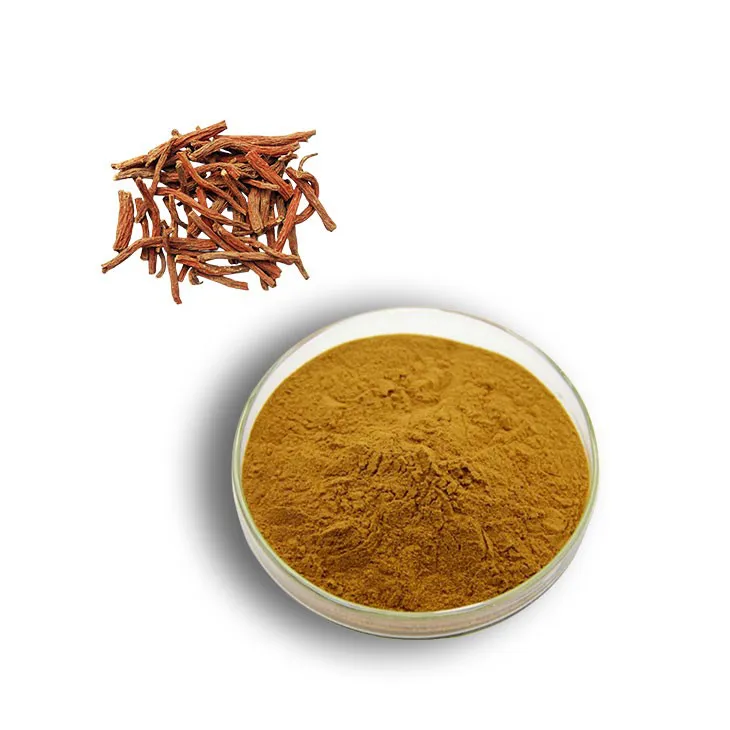
Dan Shen Root Extract/Salvia Root Extract
2026-08-19
-
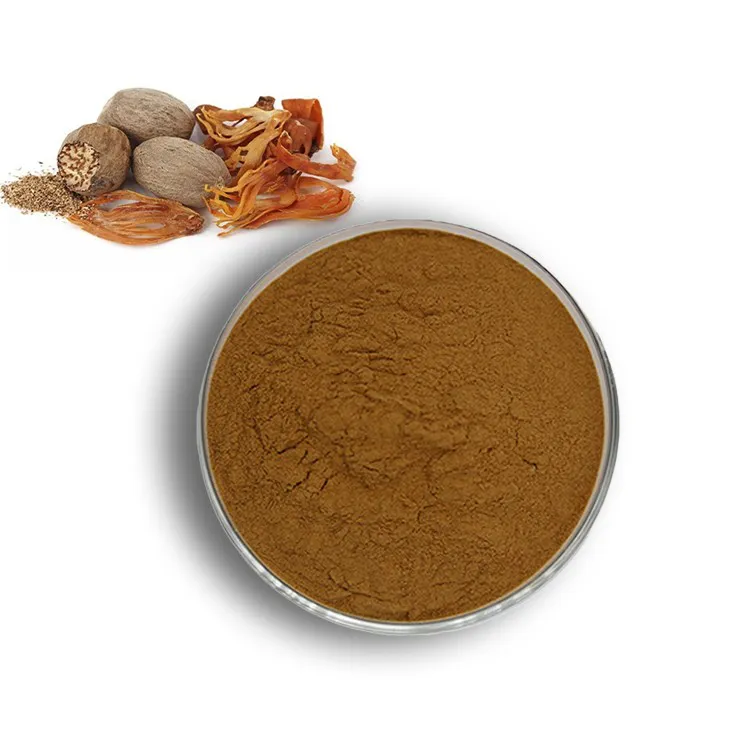
Nutmeg Extract
2026-08-19
-
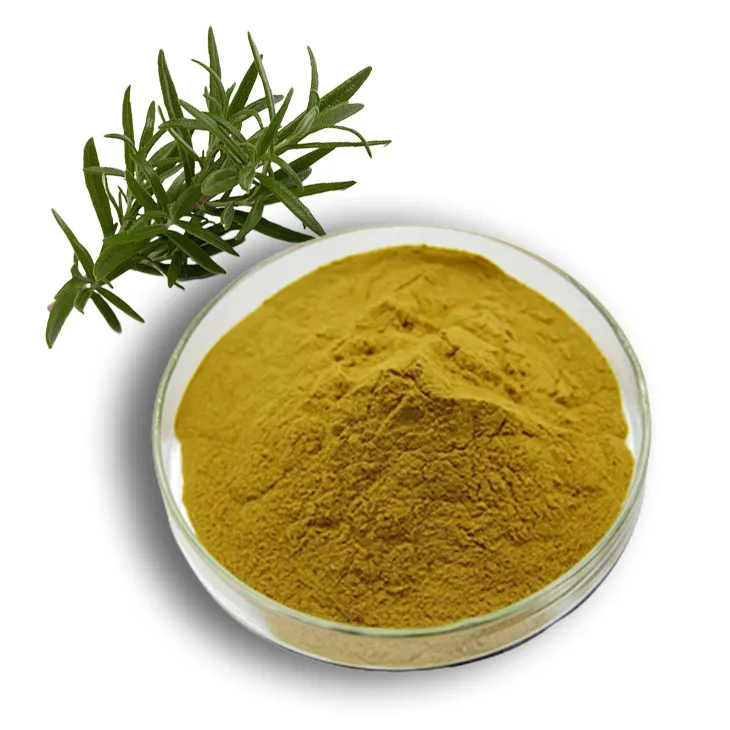
Rosemary extract
2026-08-19
-
Hawthorn Extract
2026-08-19
-
Giant Knotweed Extract
2026-08-19
-
Selenium yeast
2026-08-19
-
Coconut Water Powder
2026-08-19
-
Polygonum multiflorum extract
2026-08-19
-
Nettle Root Extract
2026-08-19
-
Feverfew Extract
2026-08-19