We have five factories and 23 years of experience in plant extracts
- 0086-571-85302990
- [email protected]




What foods are highest in carnosic acid?
2026-08-14
If you are looking to add more carnosic acid to your diet, the answer is simpler than you might think: head to the herb shelf. Carnosic acid is a natural antioxidant found almost exclusively in a small group of aromatic herbs, and two of them stand clearly above the rest - rosemary and sage. This article explains which foods are highest in carnosic acid, why they win, and how to get more of this compound from both your kitchen and your supplement routine.
What is carnosic acid?
Carnosic acid is a phenolic diterpene produced by certain plants, mainly those in the mint family (Lamiaceae), as a natural defense against environmental stress such as strong sunlight, heat and pests. It is fat-soluble, which means it dissolves in oils rather than water. In recent years it has attracted growing attention for its strong antioxidant and anti-inflammatory properties, and it is now widely used in food preservation, cosmetics and dietary supplements.
The two richest food sources
According to food composition data, fresh rosemary tops the list with roughly 672 mg of carnosic acid per 100 g, followed by dried common sage at about 526 mg per 100 g. No other common food comes close to these two herbs, which is why they are the only two entries that appear in most food databases for this compound.
| Food | Carnosic acid content |
| Fresh rosemary | About 672 mg / 100 g |
| Dried common sage | About 526 mg / 100 g |
Why rosemary leads the list
Rosemary (Rosmarinus officinalis) is by far the most concentrated natural source of carnosic acid. Studies report that dried rosemary leaves can contain anywhere from about 0.1% to 7% carnosic acid depending on the cultivar, growing conditions and how the leaves are processed, and some specially bred cultivars reach even higher levels. Sage (Salvia officinalis) is the second major source, with levels that vary widely by region and variety.
Other herbs in the mint family
Smaller amounts of carnosic acid and its related compounds are also found in other Lamiaceae herbs such as oregano, thyme, marjoram and lemon balm. However, the concentrations in these herbs are far lower than in rosemary and sage, so they are rarely used as commercial sources of the compound. If you enjoy these herbs, they still contribute to your overall intake of antioxidant plant compounds, but they will not move the needle on carnosic acid the way rosemary and sage do.
Does cooking affect carnosic acid?
One of the most practical points about carnosic acid is that it survives heat surprisingly well. Because it is fat-soluble, it dissolves into cooking oils rather than into water, so adding rosemary or sage to oil-based dishes helps preserve the compound and lets it carry into the food. This heat stability is also the reason Rosemary extract is so popular as a natural preservative in the food industry, where it helps extend shelf life and reduce the need for synthetic additives.
Beyond the kitchen: Rosemary extract
For people who want a more concentrated and consistent intake, rosemary extract is the practical option. Commercial Rosemary extract is standardized to deliver a reliable level of carnosic acid and is available in powder or oil form. It is used across the food, beverage, health product and cosmetics industries to extend shelf life, improve taste and add nutritional value. When choosing a supplier, look for one that can provide consistent quality and clear documentation, which matters especially for food and supplement manufacturers.
Health benefits at a glance
- Strong antioxidant activity that helps neutralize free radicals and reduce oxidative stress.
- Supports the body's natural antioxidant defense system.
- Anti-inflammatory properties that may benefit joint and skin health.
- Heat and light stable, making it suitable for processed foods and cosmetics.
Conclusion
If your goal is to get more carnosic acid from food, fresh rosemary and dried sage are the clear winners, with other mint-family herbs contributing smaller amounts. For a more concentrated and standardized source, high-quality rosemary extract is worth considering. Whether you are a home cook seasoning a roast or a manufacturer formulating a clean-label product, choosing a reliable plant extract supplier makes it easy to put this powerful antioxidant to work.
TAGS:
FAQ
- ▶ Hesperidin
- ▶ Citrus Bioflavonoids
- ▶ Plant Extract
- ▶ lycopene
- ▶ Diosmin
- ▶ Grape seed extract
- ▶ Sea buckthorn Juice Powder
- ▶ Fruit Juice Powder
- ▶ Hops Extract
- ▶ Artichoke Extract
- ▶ Mushroom extract
- ▶ Astaxanthin
- ▶ Green Tea Extract
- ▶ Curcumin
- ▶ Horse Chestnut Extract
- ▶ Other Product
- ▶ Boswellia Serrata Extract
- ▶ Resveratrol
- ▶ Marigold Extract
- ▶ Grape Leaf Extract
- ▶ New Product
- ▶ Aminolevulinic acid
- ▶ Cranberry Extract
- ▶ Red Yeast Rice
- ▶ Red Wine Extract
- ▶ blog
Recommended Products
-
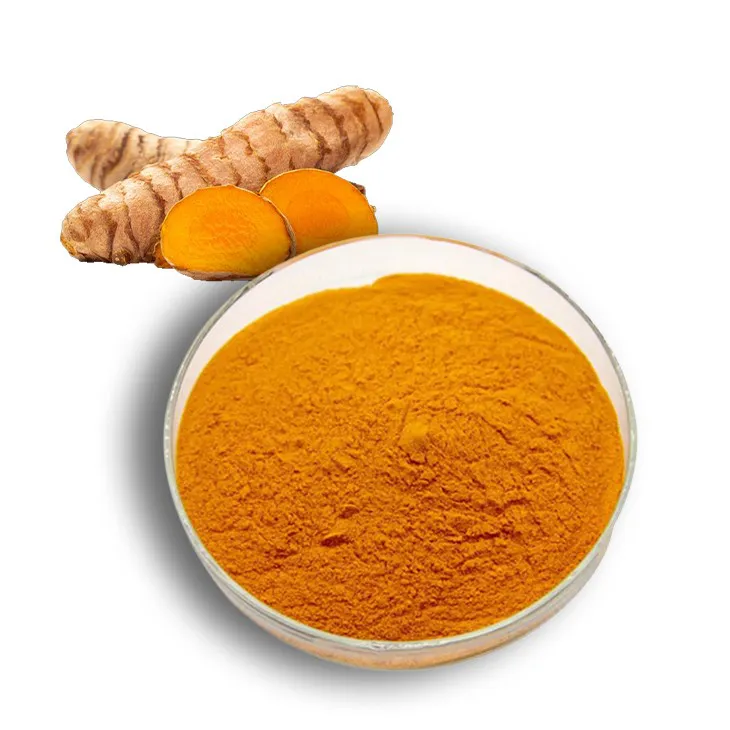
Curcumin
2026-08-14
-
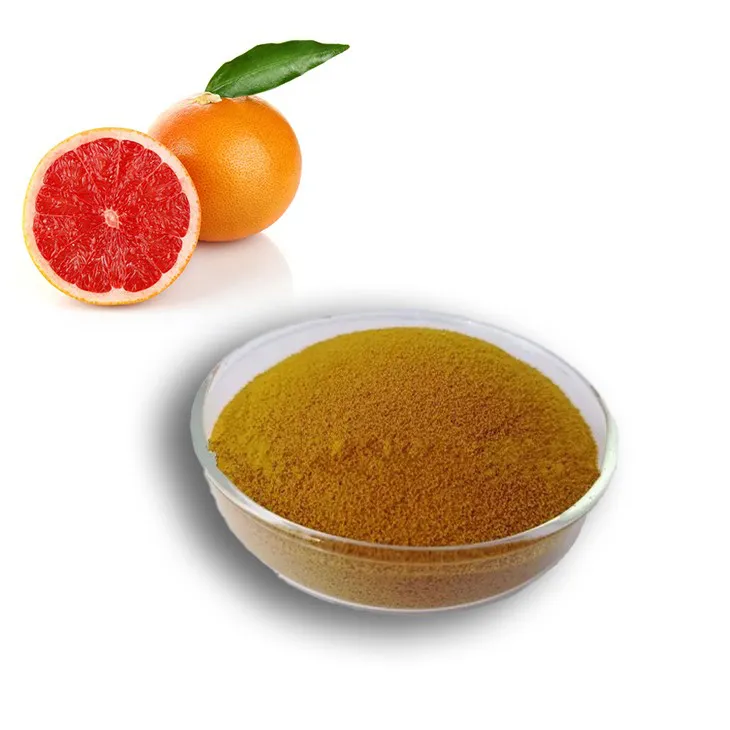
Grapefruit Seed Extract Powder
2026-08-14
-
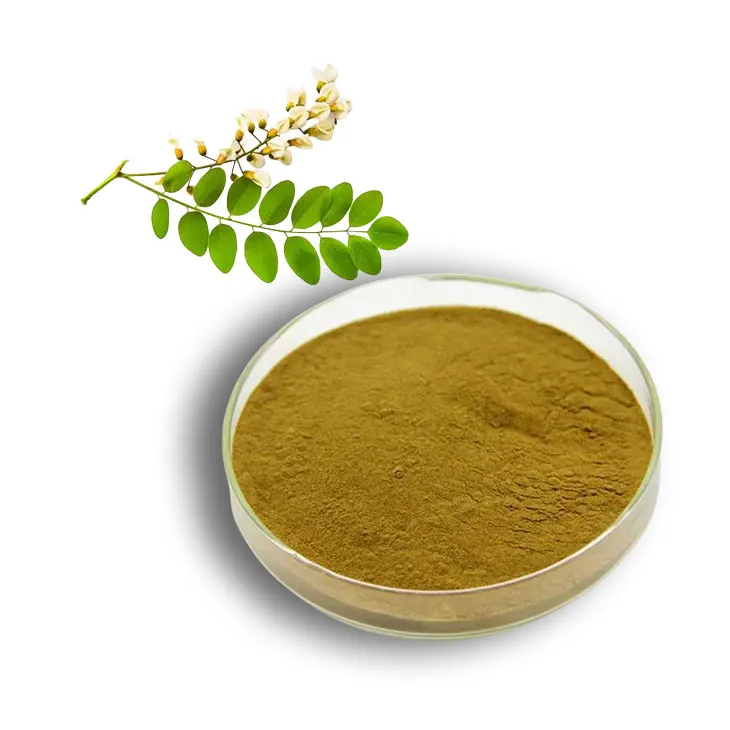
Sophora Japonica Flower Extract
2026-08-14
-
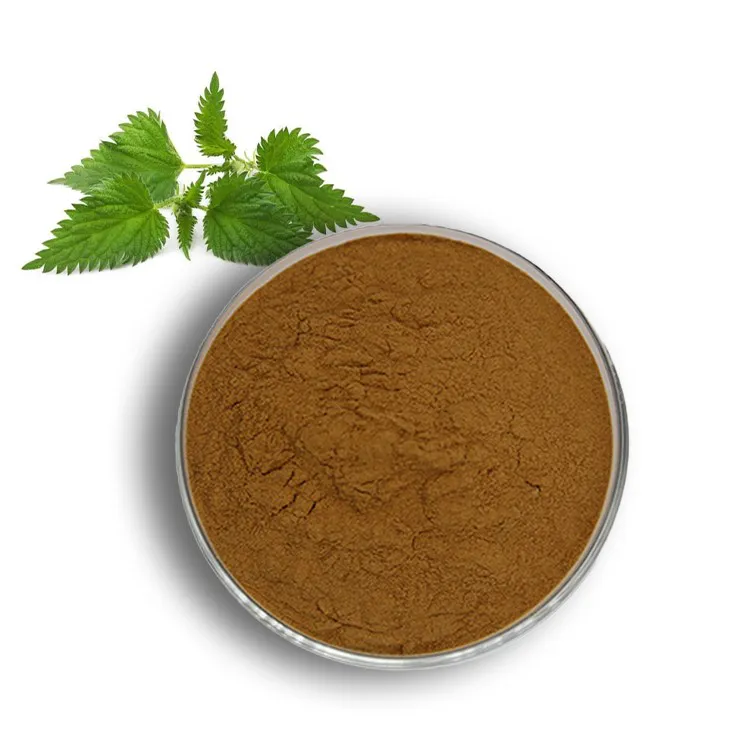
Nettle Root Extract
2026-08-14
-
Baicalin
2026-08-14
-
Green coffee bean Extract
2026-08-14
-
Hawthorn Extract
2026-08-14
-
Resveratrol
2026-08-14
-
White mustard seed extract
2026-08-14
-
Jujube Extract
2026-08-14
Get a Quote