- 0086-571-85302990
- [email protected]





What equipment is needed to extract rosemary oil commercially?
2026-08-14
Rosemary essential oil is one of the most versatile botanical oils in the world, used across food, cosmetics, personal care, and aromatherapy. But turning fresh rosemary leaves into a consistent, high-quality commercial oil is not a matter of a single machine. It is a complete process line, and choosing the right equipment determines everything from yield and purity to production cost. This guide walks through the equipment needed to extract rosemary oil commercially, what each piece does, and how to scale up without compromising quality.
Why the right equipment matters for rosemary oil
Rosemary oil is carried in tiny oil glands on the surface of the leaves. To release it, the plant material must be heated so the volatile compounds vaporize, then condensed back into liquid form. The equipment you choose controls how efficiently that happens. Poorly designed systems lose volatile compounds to the air, overheat the oil and degrade its aroma, or leave water in the finished product. In commercial production, even a small drop in yield translates directly into higher cost per kilogram, which is why serious producers invest in a properly engineered extraction line rather than improvised setups.
The core principle: steam distillation
Almost all commercial rosemary oil is produced by steam distillation. Steam passes through the plant material, gently heating the oil glands until the volatile compounds evaporate. The steam and oil vapor mixture then travels to a condenser, where it cools back into a liquid. Because oil and water do not mix, the oil can be separated and collected. Steam distillation is preferred for rosemary because it operates at a controlled temperature, protecting the delicate aromatic compounds that give the oil its fresh, herbaceous character.
Essential equipment in a commercial rosemary oil line
A complete commercial extraction line is built around several key pieces of equipment, each with a specific job. The table below summarizes the core components and their roles.
| Equipment | Function |
|---|---|
| Extraction tank (still) | Holds the plant material and receives steam; the heart of the process |
| Steam generator / boiler | Produces a steady supply of steam at the right pressure |
| Condenser | Cools the steam-oil vapor back into liquid |
| Oil-water separator | Separates the essential oil from the condensed water (hydrosol) |
| Collection and storage vessels | Holds the finished oil away from light and air |
| Control system | Monitors temperature, pressure, and flow for consistent batches |
Extraction tank (still)
The extraction tank is where the actual extraction happens. Rosemary leaves are loaded onto perforated trays or a basket inside the tank, and steam is introduced from below. Commercial tanks are typically made of food-grade stainless steel (SUS304 or SUS316), which resists corrosion and is easy to clean between batches. Tank size is the main factor that determines production capacity. Small producers may start with a few hundred liters, while industrial operations use multi-ton vessels that process large quantities of plant material in a single run.
Steam generator or boiler
A reliable steam source is essential. The boiler must produce steam at a consistent, controllable pressure so that extraction is uniform across every batch. In larger facilities, the steam system is often shared across multiple tanks. The key is matching boiler capacity to the total volume of plant material being processed, so the system never runs short of steam mid-cycle.
Condenser
After the volatile compounds leave the tank, they must be cooled quickly to condense back into liquid. The condenser is usually a tube-and-shell or coil design through which cold water circulates. Efficient condensation is critical because any vapor that escapes before condensing is lost yield. Larger systems use taller condensers with more surface area to handle higher vapor volumes.
Oil-water separator
The condensed liquid is a mixture of essential oil and water. Because the oil is lighter than water, it floats to the top and can be drawn off. Commercial separators are often made of glass or stainless steel so operators can see the oil-water boundary clearly. Some designs use a continuous separation system that automatically removes the oil as it accumulates, which is important for uninterrupted production.
Control and monitoring system
Consistency is what separates professional production from small-batch experimentation. A good control system monitors temperature, pressure, and liquid levels, and can be automated with a PLC and touchscreen interface. This lets operators reproduce the same extraction conditions batch after batch, which is essential when supplying customers who expect a stable product.
Scaling up: from pilot to industrial production
Most companies do not start with a full industrial line. The usual path is to validate the process on a small pilot unit, then scale up once the process parameters are proven. Pilot systems are useful for testing different raw materials, extraction times, and steam pressures without tying up a large production line. Once the process is locked in, the same principles transfer to larger equipment, but the sizing of the boiler, condenser, and separator must all be recalculated for the larger volume.
Raw material preparation and handling
Equipment is only half the story. The quality of the finished oil depends heavily on the raw material. Rosemary leaves should be harvested at the right stage, cleaned to remove dust and foreign matter, and either used fresh or dried under controlled conditions. Drying reduces moisture content, which can improve extraction efficiency, but overdrying can also drive off volatile compounds. Many commercial facilities add a washing and drying line ahead of the extraction tank to keep the incoming material consistent.
Quality control and testing
A commercial rosemary oil operation needs more than extraction equipment. A small laboratory with basic analytical instruments is essential for verifying that each batch meets specification. Gas chromatography (GC) is the standard tool for checking the composition of the oil, while high-performance liquid chromatography (HPLC) and UV spectroscopy are used to measure antioxidant content and other quality markers. Regular testing protects your reputation and gives customers confidence in the consistency of your product.
Working with an experienced plant extract manufacturer
Building a rosemary oil line from scratch is a significant investment in engineering, equipment, and expertise. Many companies in food, beverage, cosmetics, and health products choose instead to source Rosemary extract from an established rosemary extract supplier who already operates the full production infrastructure. This avoids the capital cost of equipment while still delivering a consistent, certified ingredient.
Hangzhou Greensky Biological Tech. Co., Ltd. is one such plant extract manufacturer with more than 20 years of experience. The company operates 6-ton multi-functional extraction tanks, high-efficiency low-temperature concentrators, spray drying towers, and vacuum drying systems, supported by an independent laboratory equipped with GC, HPLC, and UV instruments. Production runs in a 100,000-class clean area that meets food-grade requirements, and the company holds ISO22000, BRCGS, HALAL, Kosher, and other certifications that support global regulatory submissions. This vertical integration from raw material to finished extract is exactly what a commercial operation needs for reliable supply.
Final checklist for setting up commercial rosemary oil extraction
Before committing to a production line, work through this checklist: confirm your target production volume and match the extraction tank and boiler capacity accordingly; choose food-grade stainless steel for all contact surfaces; invest in an efficient condenser and a reliable oil-water separator to protect yield; add a control system for batch-to-batch consistency; plan raw material washing and drying ahead of the still; and set up basic quality testing so every batch is verified before it ships. If any of these steps feels out of reach, partnering with an experienced supplier can deliver the same result without the upfront equipment cost.
Commercial rosemary oil extraction is a well-understood process built on steam distillation, but the equipment choices you make determine whether the operation is profitable and repeatable. Whether you build your own line or source from a certified rosemary extract manufacturer, the goal is the same: a pure, consistent oil that meets the expectations of your customers.
- ▶ Hesperidin
- ▶ Citrus Bioflavonoids
- ▶ Plant Extract
- ▶ lycopene
- ▶ Diosmin
- ▶ Grape seed extract
- ▶ Sea buckthorn Juice Powder
- ▶ Fruit Juice Powder
- ▶ Hops Extract
- ▶ Artichoke Extract
- ▶ Mushroom extract
- ▶ Astaxanthin
- ▶ Green Tea Extract
- ▶ Curcumin
- ▶ Horse Chestnut Extract
- ▶ Other Product
- ▶ Boswellia Serrata Extract
- ▶ Resveratrol
- ▶ Marigold Extract
- ▶ Grape Leaf Extract
- ▶ New Product
- ▶ Aminolevulinic acid
- ▶ Cranberry Extract
- ▶ Red Yeast Rice
- ▶ Red Wine Extract
- ▶ blog
-
Mulberry Extract
2026-08-14
-
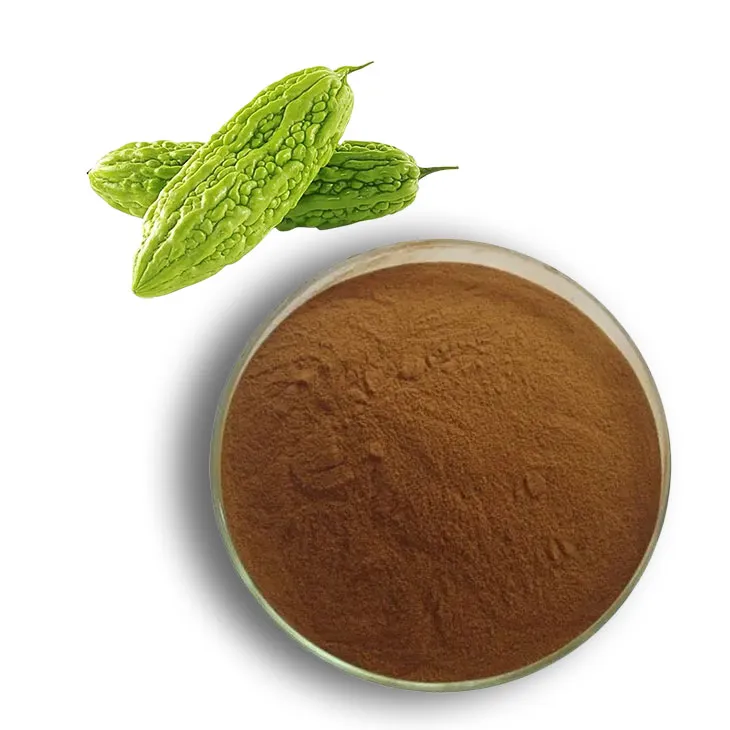
Bitter Melon Extract
2026-08-14
-
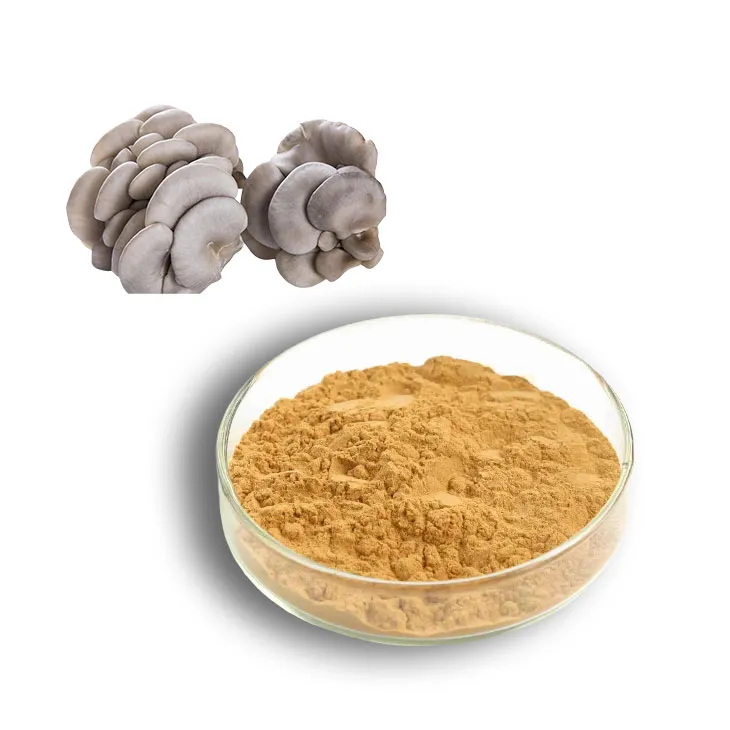
Oyster Mushroom Extract Powder
2026-08-14
-
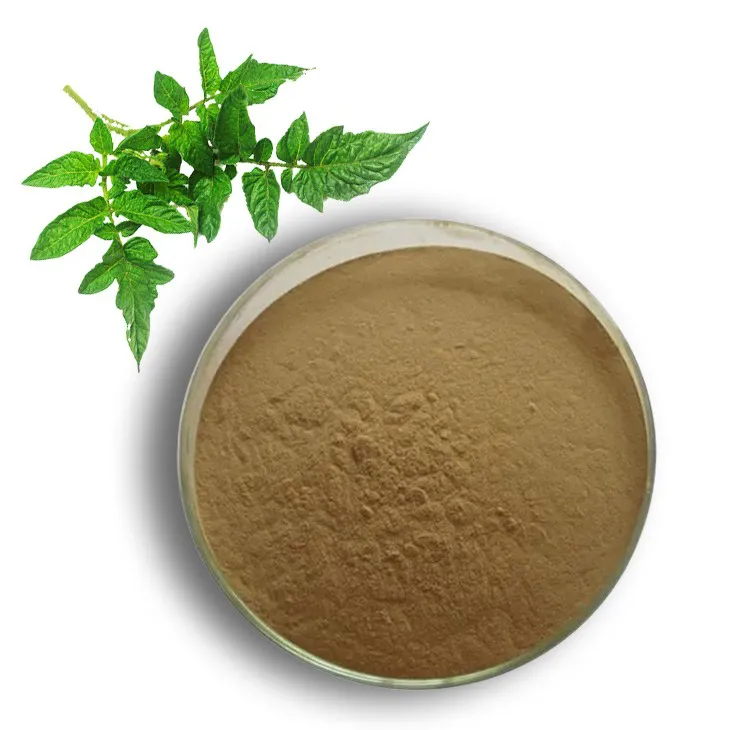
Senna Leaf Extract
2026-08-14
-
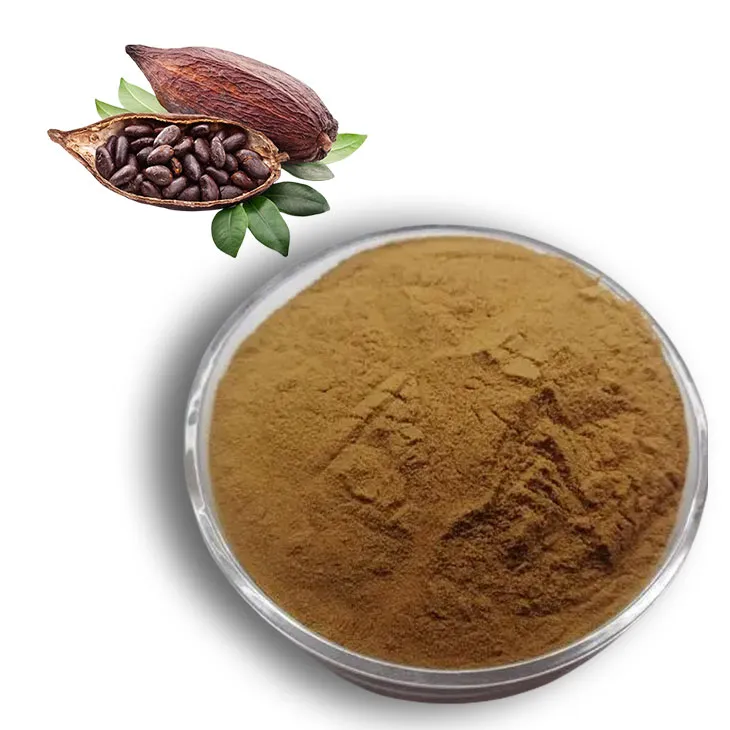
Cocoa Extract
2026-08-14
-
Licorice Root Extract Powder
2026-08-14
-
Liposomal Berberine HCl
2026-08-14
-
Nutmeg Extract
2026-08-14
-
Liposomal NMN
2026-08-14
-
Mango flavored powder
2026-08-14