- 0086-571-85302990
- [email protected]






What dosage of artichoke leaf extract supplement is recommended?
2026-08-15
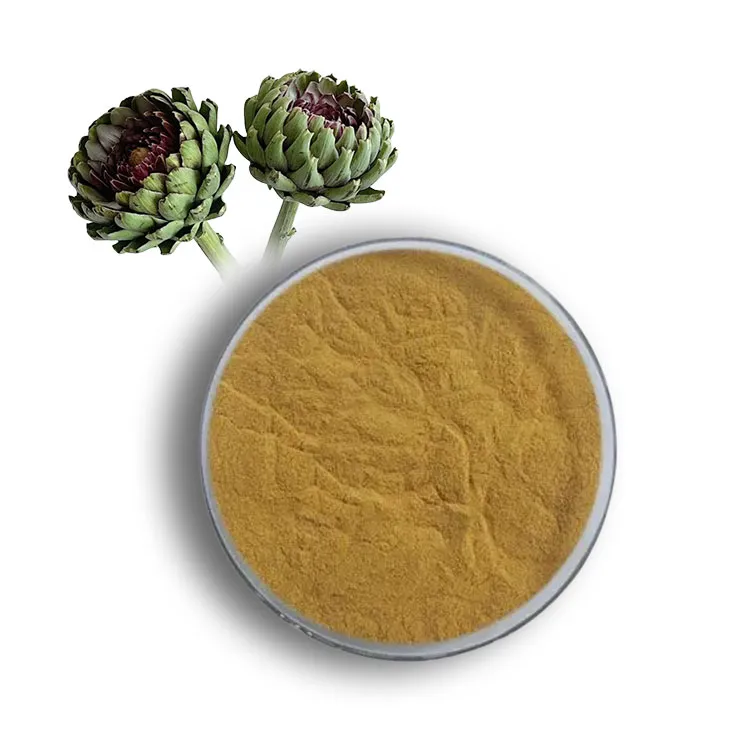
Artichoke Leaf Extract has become one of the most popular botanical ingredients in the supplement market, valued for its support of liver health, digestion, and healthy cholesterol levels. But if you are shopping for an Artichoke Leaf Extract supplement, one of the first questions you will face is simple: how much should you take?
The short answer is that most clinical studies use between 600 mg and 1,800 mg of artichoke leaf extract per day, usually divided into two or three doses taken with meals. The exact amount depends on what you are taking it for, the strength of the extract, and how the product is standardized. This article breaks down the recommended dosages by purpose, explains how to read a supplement label, and covers the safety points worth knowing before you start.
What is Artichoke Leaf Extract?
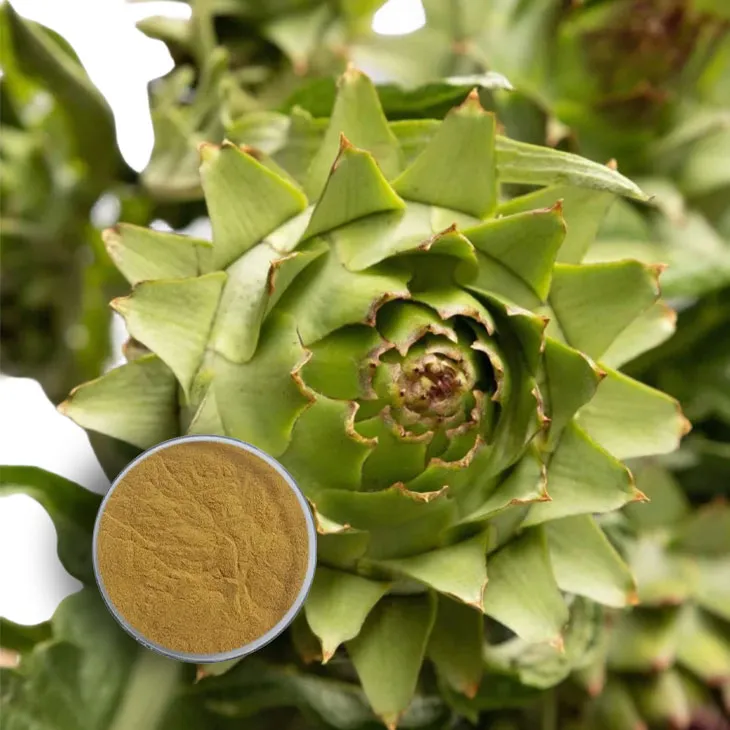
Artichoke leaf extract is a natural ingredient obtained from the leaves of the artichoke plant (Cynara scolymus). The leaves are rich in polysaccharides, flavonoids, and minerals, and contain a group of active compounds known as caffeoylquinic acids, including cynarin and chlorogenic acid. These compounds are thought to be responsible for most of the extract's benefits, particularly its ability to support bile production, which assists both digestion and the body's natural detoxification processes.
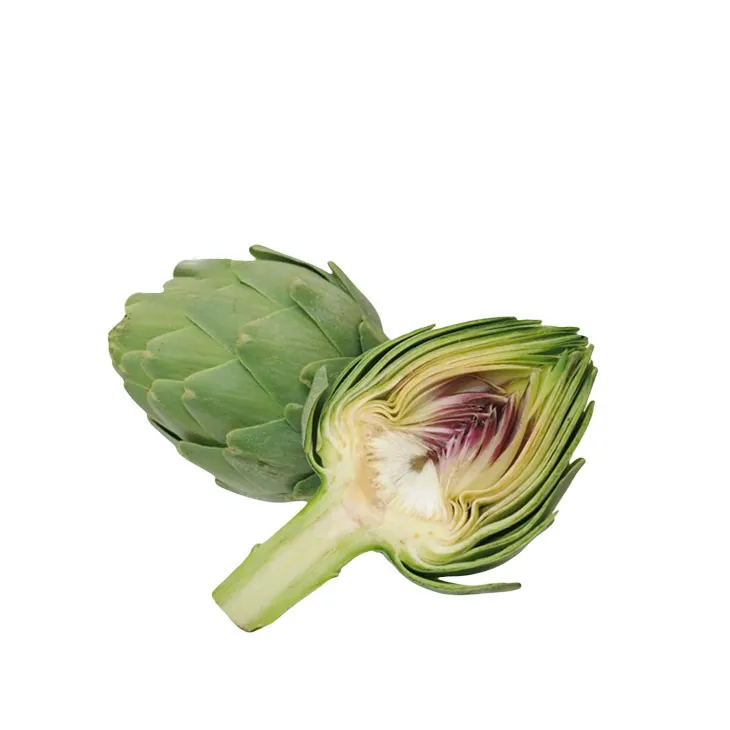
Because the active compounds are concentrated in the leaf, most supplements are made from the leaf rather than the edible heart. This is why you will usually see "artichoke leaf extract" on the label rather than simply "artichoke."
Why dosage matters
Artichoke leaf extract is not a one-size-fits-all ingredient. The amount that works for gentle digestive support may be different from the amount used in studies on cholesterol. Two factors matter most:
- The amount of extract in each serving
- The standardization of the extract
Standardization tells you how much of the key active compounds the product contains. For example, a product standardized to a stated percentage of caffeoylquinic acids delivers a predictable amount of active compounds in every batch, which makes dosing more reliable.
Recommended dosages by purpose
The table below summarizes the dosages most commonly used in clinical research and by healthcare professionals.
| Purpose | Typical daily dose | How to take |
|---|---|---|
| Digestive support / occasional indigestion | 600-1,800 mg | Divided into 2-3 doses, before or with meals |
| Liver support | 600-1,200 mg | Divided into 2-3 doses with meals |
| Healthy cholesterol support | 1,200-1,800 mg | Divided into 2-3 doses with meals |
| General wellness | 500 mg | Once daily with a meal |
For digestive complaints, studies have commonly used 320-640 mg of artichoke leaf extract three times daily. For cholesterol support, research has used higher amounts, with some studies using 1,800-1,920 mg per day divided into two or three doses. A common general recommendation is 500 mg per day of a dry extract, with amounts up to around 3,200 mg daily appearing in clinical trials.
If you are new to the ingredient, a sensible approach is to start at the lower end of the range and increase gradually while paying attention to how your body responds.
How to read a supplement label
When comparing products, look at three things:
- Serving size: how many milligrams of extract are in each capsule or tablet
- Standardization: whether the label states the percentage of active compounds, such as caffeoylquinic acids
- Extract ratio: some labels show a ratio such as 5:1, which tells you how many parts of raw leaf were used to make one part of extract
A higher extract ratio does not automatically mean a better product. What matters more is the standardized content of active compounds and the total dose you take each day.
When to take it
Artichoke leaf extract is best taken with meals. Because it works partly by supporting bile flow, taking it with food helps with the digestion of fats and may reduce the chance of stomach upset. If you are taking it for digestive support, taking a dose shortly before or with your main meals is a practical routine.
How long should you take it?
Artichoke leaf extract is generally used as a short-to-medium-term supplement. In clinical studies, courses have ranged from a few weeks to about three months. For cholesterol-related outcomes, measurable changes are usually seen after 8-12 weeks of consistent use. As with any supplement, it is a good idea to review your routine with a healthcare professional if you plan to take it long term.
Safety and who should avoid it
Artichoke leaf extract is generally well tolerated, and serious side effects are rare. Mild digestive discomfort can occur in some people, especially at higher doses.
However, it is not for everyone. Because the extract supports bile flow, it should not be used by people with a blocked bile duct. People with gallstones should use it only under professional guidance, since increased bile flow may trigger discomfort. Anyone with a known allergy to plants in the daisy family (Asteraceae), which includes artichokes, should avoid it. Pregnant or breastfeeding women and anyone taking medication should consult a healthcare provider before use.
Choosing a quality artichoke leaf extract
The quality of the raw material matters as much as the dosage. A reliable supplier will provide standardized extracts with consistent active compound content, documented testing, and the certifications needed for food and supplement use. When sourcing artichoke leaf extract for a product line, buyers typically look for manufacturers with established quality systems, independent laboratory testing, and experience in exporting to regulated markets.
Greensky, a professional manufacturer of natural plant extracts based in Hangzhou, China, produces and supplies standardized artichoke leaf extract for use in dietary supplements and health products. The company operates with ISO22000, BRCGS, HALAL, and Kosher certifications, and maintains an independent laboratory equipped with HPLC and other analytical instruments to verify quality from raw material to finished powder. If you are looking for a dependable artichoke extract supplier or want to learn more about artichoke extract powder manufacturers, the product page provides specifications and contact details.
The bottom line
For most people, a daily dose of 600-1,800 mg of artichoke leaf extract, divided into two or three doses taken with meals, covers the range used in clinical research for digestive, liver, and cholesterol support. Start at the lower end, take it with food, and choose a standardized product from a reputable manufacturer. As always, talk to your healthcare provider before starting any new supplement, especially if you have an existing condition or take medication.
- ▶ Hesperidin
- ▶ Citrus Bioflavonoids
- ▶ Plant Extract
- ▶ lycopene
- ▶ Diosmin
- ▶ Grape seed extract
- ▶ Sea buckthorn Juice Powder
- ▶ Fruit Juice Powder
- ▶ Hops Extract
- ▶ Artichoke Extract
- ▶ Mushroom extract
- ▶ Astaxanthin
- ▶ Green Tea Extract
- ▶ Curcumin
- ▶ Horse Chestnut Extract
- ▶ Other Product
- ▶ Boswellia Serrata Extract
- ▶ Resveratrol
- ▶ Marigold Extract
- ▶ Grape Leaf Extract
- ▶ New Product
- ▶ Aminolevulinic acid
- ▶ Cranberry Extract
- ▶ Red Yeast Rice
- ▶ Red Wine Extract
- ▶ blog
-
Stevia Extract
2026-08-15
-
Saw Palmetto Extract
2026-08-15
-
Kupilu Extract
2026-08-15
-
Beetroot Powder
2026-08-15
-
Wheat Germ Extract
2026-08-15
-
Reishi mushroom extract
2026-08-15
-
5-HTP (5-Hydroxytryptophan)
2026-08-15
-
Kidney Bean Extract
2026-08-15
-
Andrographis Paniculata Extract Powder
2026-08-15
-
Chaste Berry Extract
2026-08-15
