- 0086-571-85302990
- [email protected]




What certifications should high purity stevia extract suppliers have?
2026-08-17
When you are sourcing high purity stevia extract for beverages, supplements, or tabletop sweeteners, the paperwork behind the powder matters just as much as the taste. Certifications are not decorative badges on a supplier's website. They are the evidence that a factory's facilities, production processes, and quality control genuinely meet the standards your market demands. Yet not every certificate carries the same weight, and knowing which ones to ask for can save you from costly batch rejections, customs delays, and damage to your brand.
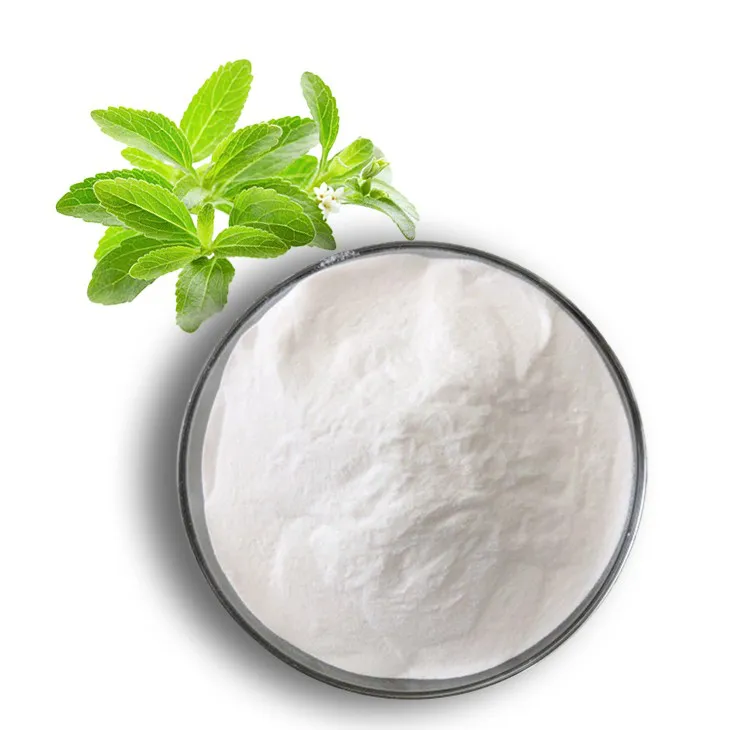
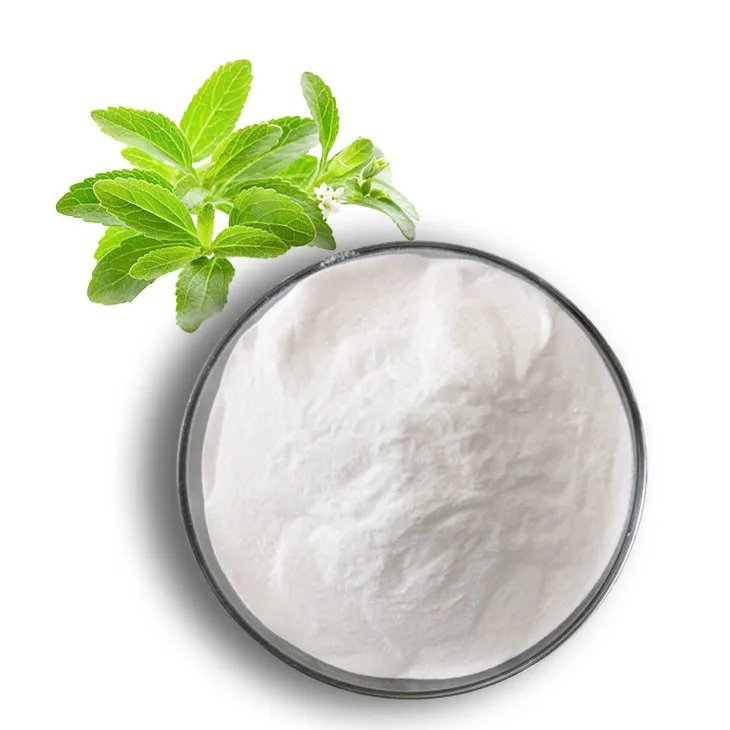
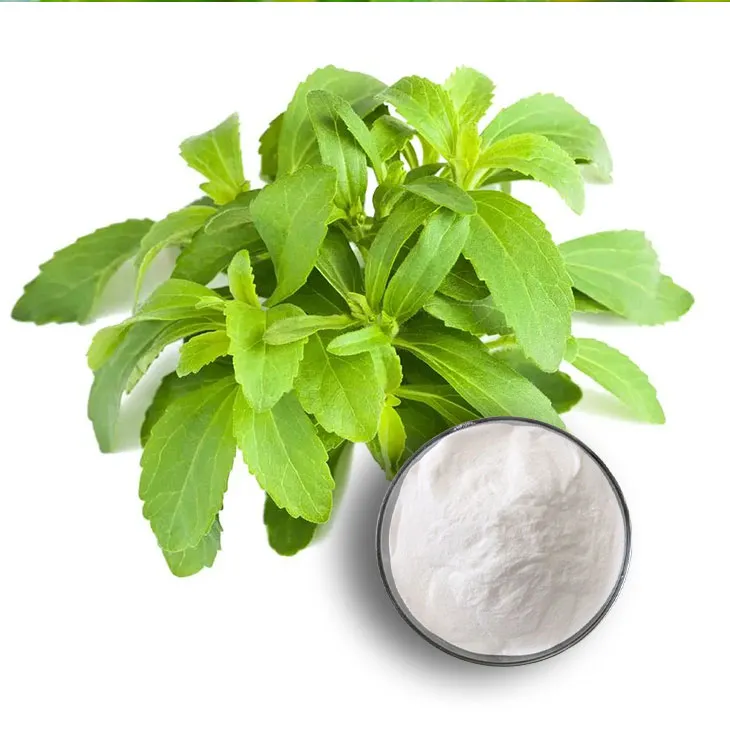
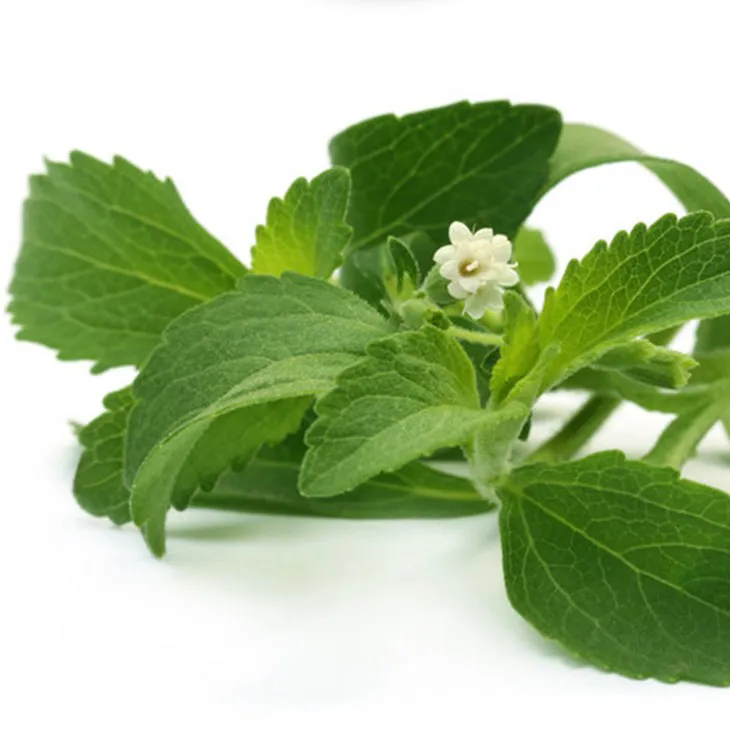
Stevia Extract is a natural sweetener derived from the leaves of Stevia rebaudiana. Its active compounds, steviol glycosides, are hundreds of times sweeter than sugar while contributing almost no calories. Because the ingredient is so concentrated, even a small deviation in purity or a trace of contamination can ruin an entire production run. That is why certification is the first thing a serious buyer should check before placing an order.
Food safety management certifications
The most important group of certifications covers food safety management. These prove that a manufacturer operates under a systematic, audited approach to producing safe food ingredients. The certifications to look for include:
- ISO 22000 — an international standard for food safety management systems that covers the entire production chain, from raw material intake to finished goods.
- BRCGS — one of the most widely accepted Global Food Safety Initiative (GFSI) standards, often required by major retailers and food brands in Europe and North America.
- HACCP — a hazard analysis system that identifies and controls biological, chemical, and physical risks at every step of processing.
- GMP — Good Manufacturing Practice certification, such as SGS-GMP, confirming that production follows hygienic and traceable manufacturing procedures.
A supplier that holds these certifications is telling you that its facility has been inspected by an independent body and that food safety is managed as a process, not left to chance.
Quality management certifications
Beyond food safety, quality management certifications show that a company consistently delivers products that meet specified requirements. ISO 9001 is the global benchmark for quality management systems. It covers everything from supplier evaluation and process control to documentation and continuous improvement. For a stevia extract supplier, ISO 9001 is a strong signal that batch-to-batch consistency is taken seriously, which is exactly what formulators need when a single gram of stevia replaces hundreds of grams of sugar.
Organic certifications
If your product is positioned as organic, the Stevia Extract must come from a certified organic source. Organic certification, such as the Ecocert Organic Standard, verifies that the stevia leaves are grown without synthetic pesticides or fertilizers and that the extraction process complies with organic processing rules. Depending on your target market, you may also need USDA Organic or EU Organic certification. Ask the supplier which organic standards their certificate covers and whether the certificate is still valid.
Religious and dietary certifications
For export to the Middle East, Southeast Asia, and many other regions, religious dietary certifications are not optional. Halal certification confirms that the product and its production line comply with Islamic dietary law, while Kosher certification confirms compliance with Jewish dietary requirements. Both certificates must be issued by recognized bodies and kept current. A supplier that exports globally will typically hold both, because these certifications open doors to markets that would otherwise be closed.
Product-level compliance and purity standards
Certifications also exist at the product level. The most widely recognized reference for stevia purity is the JECFA specification, which requires at least 95% total steviol glycosides on a dry weight basis. High purity grades commonly reach 98% or above, with rebaudioside A levels of 97% to 99% for a cleaner, less bitter taste. A credible supplier should be able to confirm that its product complies with JECFA, FCC, USP, EU E960, and CODEX Alimentarius standards, and that it can provide registration dossiers for markets such as the United States and the European union.
Testing, documentation, and traceability
Certifications mean little without the documentation to back them up. Every shipment of high purity Stevia Extract should come with a batch-specific Certificate of Analysis (COA) that includes HPLC test results showing the individual glycoside profile, plus data on heavy metals, microbial limits, residual solvents, and moisture. Many buyers also send samples to independent third-party laboratories such as SGS or Eurofins for verification. A supplier with an in-house laboratory equipped with HPLC, GC, and UV instruments can provide this data quickly and transparently, and a well-run factory will happily share its test reports before you commit.
How to verify a supplier's certifications
Do not take a certificate logo at face value. Ask the supplier to send scanned copies of the actual certificates, check the issuing body and the validity dates, and confirm that the certificate covers the specific product and factory you are buying from. Cross-check the batch number on the COA against the labels on the drums, and request a pre-shipment sample to compare against the bulk order. These simple steps turn a marketing claim into a verifiable fact.
What a fully certified supplier looks like
A reliable high purity stevia extract supplier should be able to show you a complete set of certifications covering food safety, quality management, organic production, and religious compliance, together with batch-level test documentation. Hangzhou Greensky Biological Tech. Co., Ltd. is one such manufacturer. Founded in 2004, Greensky has more than 20 years of experience in producing active botanical ingredients and operates a vertically integrated group with its own production factories and independent laboratory. The company holds ISO22000, BRCGS, Ecocert Organic Standard, SGS-GMP, ISO9001, HALAL, and Kosher certifications, and its 100,000-class clean production area meets food-grade requirements. With main export markets in Europe, the United States, South Korea, and Russia, Greensky supplies high purity stevia extract and a broad catalog of plant extracts to food, beverage, and supplement manufacturers worldwide.
When you compare stevia extract manufacturers, treat certifications as your first filter. The right supplier will not hesitate to share its certificates, its test data, and its production history. That transparency is the real guarantee of quality.
- ▶ Hesperidin
- ▶ Citrus Bioflavonoids
- ▶ Plant Extract
- ▶ lycopene
- ▶ Diosmin
- ▶ Grape seed extract
- ▶ Sea buckthorn Juice Powder
- ▶ Fruit Juice Powder
- ▶ Hops Extract
- ▶ Artichoke Extract
- ▶ Mushroom extract
- ▶ Astaxanthin
- ▶ Green Tea Extract
- ▶ Curcumin
- ▶ Horse Chestnut Extract
- ▶ Other Product
- ▶ Boswellia Serrata Extract
- ▶ Resveratrol
- ▶ Marigold Extract
- ▶ Grape Leaf Extract
- ▶ New Product
- ▶ Aminolevulinic acid
- ▶ Cranberry Extract
- ▶ Red Yeast Rice
- ▶ Red Wine Extract
- ▶ blog
-
Nutmeg Extract
2026-08-17
-
Acerola Extract
2026-08-17
-
Polygonum multiflorum extract
2026-08-17
-
Mulberry leaf Extract
2026-08-17
-
Moringa powder
2026-08-17
-
Maca Extract
2026-08-17
-
Honeysuckle Pollen
2026-08-17
-
Phyllanthus Emblica Extract
2026-08-17
-
Red Vine Extract
2026-08-17
-
Withania Somnifera Extract
2026-08-17