- 0086-571-85302990
- [email protected]





What capabilities should a botanical ingredients manufacturer offer?
2026-08-19
When buying botanical ingredients, most buyers focus on price and sample quality. Yet the capabilities behind a plant extract factory determine whether a single batch stays consistent, whether documentation survives a customs inspection, and whether a product can be reformulated in time for market. Before a brand or manufacturer signs a supply agreement, it pays to look at the whole infrastructure rather than one quotation.
Why Manufacturer Capabilities Matter More Than the Sample
A beautiful sample tells you what is possible. Actual supplier capabilities tell you what is repeatable. Plant material changes with harvest season, region, soil, and post-harvest handling, so a supplier who begins with sourcing control and ends with in-house testing will deliver consistent actives batch after batch. Established plant extract manufacturers integrate research, production, and quality control under one roof, which means fewer hand-offs, shorter correction loops, and clearer accountability when something needs adjusting.
Real Manufacturing Capacity, Not Just a Catalog
The first thing to verify is whether a company actually produces what it sells. A genuine botanical ingredients manufacturer owns extraction lines capable of handling large volumes. Look for equipment such as multi-ton extraction tanks, low-temperature concentration units, spray drying towers, vacuum drying boxes, and separation columns. These are the pieces that turn raw roots and leaves into standardized, free-flowing powder at scale. When a manufacturer operates its own production base rather than reselling another factory's output, buyers get consistent specifications and stable lead times.
Capacity has a second dimension: the production area itself. A 100,000-class clean production zone meeting food-grade requirements shows that hygiene is engineered into the facility rather than improvised around it. For food, cosmetic, and nutraceutical customers, this is the difference between an ingredient that meets regulatory expectations and one that causes a recall.
In-House Analytical Testing That You Can Audit
Modern plant extracts live and die by their numbers. A supplier should be able to prove active compound content, not just claim it. Serious plant extract suppliers maintain an independent laboratory equipped with HPLC, GC, and UV instruments, allowing them to quantify marker compounds, screen for microbiological contamination, run heavy metal checks, and monitor stability over time.
Before committing to a partner, ask for the certificate of analysis on the batch you are considering and confirm it matches the specification sheet. In-house capability matters because it shortens testing time, lowers the risk of third-party bottlenecks, and gives you a source you can actually question when results come back.
Regulatory Certifications and Export Documentation
Ingredients cross borders on paper as much as by freight. A capable manufacturer holds credentials that third parties can verify: ISO 22000 for food safety, ISO 9001 for quality management, HACCP or BRCGS where required, and faith-based credentials such as HALAL and Kosher that open up additional markets. Organic certification through recognized bodies such as Ecocert is another marker for buyers serving clean-label positions.
Equally important is the supporting paperwork. Export food production enterprise registration, customs documentation, and up-to-date specifications designed for regulatory submission around the globe spare buyers weeks of re-verification.
R&D and Customization Support
Markets change quickly, and a supplier who only reads a fixed catalog is a limitation. A strong botanical ingredients manufacturer invests in research and development, maintains product scientists and a dedicated laboratory, and can scale everything from a wholly owned factory in the group. This matters most when a customer needs a specific concentration ratio, a custom blend, a particular particle size, or guidance on regulatory requirements for a new application.
Traceability and Supply Chain Integrity
Shortages and raw-material price swings expose weak suppliers. A manufacturer with vertical integration and stable raw material channels can maintain supply when others cannot. Buyers should confirm the supplier can trace a batch from raw material intake through extraction, drying, milling, blending, and final dispatch, and that they source consistently enough to keep active levels within specification.
A Practical Checklist for Evaluating a Manufacturer
- Confirm the company owns production facilities and does not merely resell goods.
- Ask which analytical instruments are used in-house and request a sample COA.
- Verify current certificates (ISO, BRCGS, organic, HALAL, Kosher) with the issuing body.
- Check production capacity, lead times, and warehousing for the volumes you need.
- Assess R&D depth and whether custom formulations and specifications are offered.
- Review export registration and documentation readiness for your target markets.
Certifications and equipment lists are strongest when confirmed directly with the factory. Schedule a qualification audit or a facility inspection, and request batch documentation before placing production orders.
Capability Is the Shortcut to Low Risk Sourcing
A manufacturer that owns its extraction plant, runs an independent lab, holds internationally recognized certificates, and supports R&D removes most of the uncertainty that causes sourcing failures. Rather than choosing only on price, compare these capabilities across candidates. It is often faster and safer to partner with a supplier that demonstrates them clearly than to manage the hidden costs of an under-equipped source later.
When evaluating options, review the product catalogs and factory credentials of a candidate like a plant extract factory (for instance Greensky Biological Tech), and ask directly about production lines, testing instruments, and certificates before you commit.
- ▶ Hesperidin
- ▶ Citrus Bioflavonoids
- ▶ Plant Extract
- ▶ lycopene
- ▶ Diosmin
- ▶ Grape seed extract
- ▶ Sea buckthorn Juice Powder
- ▶ Fruit Juice Powder
- ▶ Hops Extract
- ▶ Artichoke Extract
- ▶ Mushroom extract
- ▶ Astaxanthin
- ▶ Green Tea Extract
- ▶ Curcumin
- ▶ Horse Chestnut Extract
- ▶ Other Product
- ▶ Boswellia Serrata Extract
- ▶ Resveratrol
- ▶ Marigold Extract
- ▶ Grape Leaf Extract
- ▶ New Product
- ▶ Aminolevulinic acid
- ▶ Cranberry Extract
- ▶ Red Yeast Rice
- ▶ Red Wine Extract
- ▶ blog
-
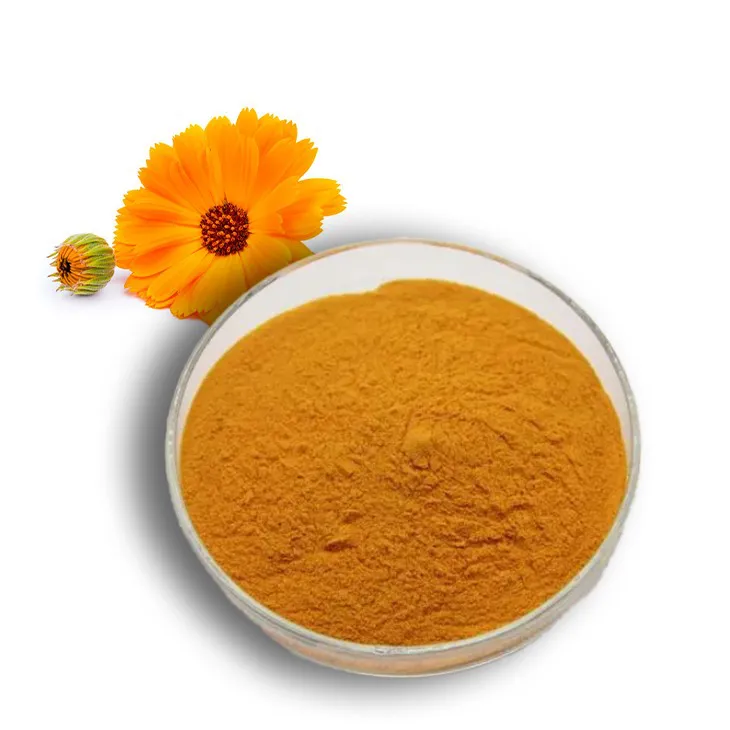
Calendula Extract
2026-08-19
-
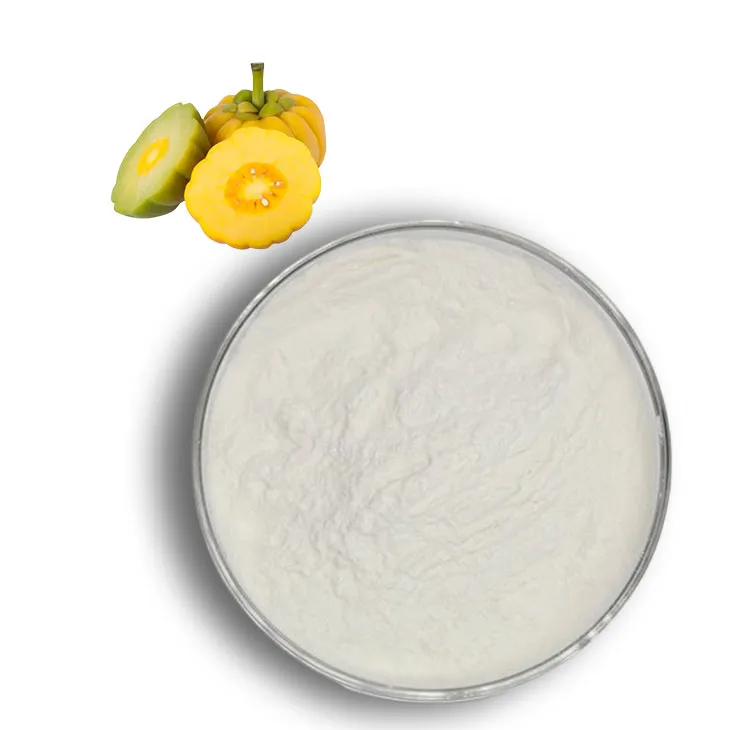
Garcinia Cambogia Extract
2026-08-19
-
Nattokinase
2026-08-19
-
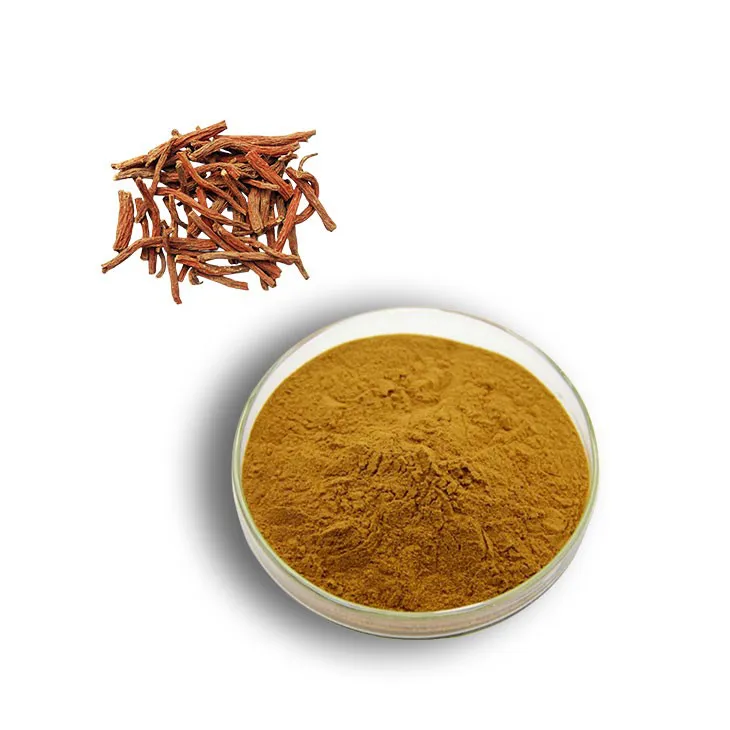
Dan Shen Root Extract/Salvia Root Extract
2026-08-19
-
Phosphatidylserine
2026-08-19
-
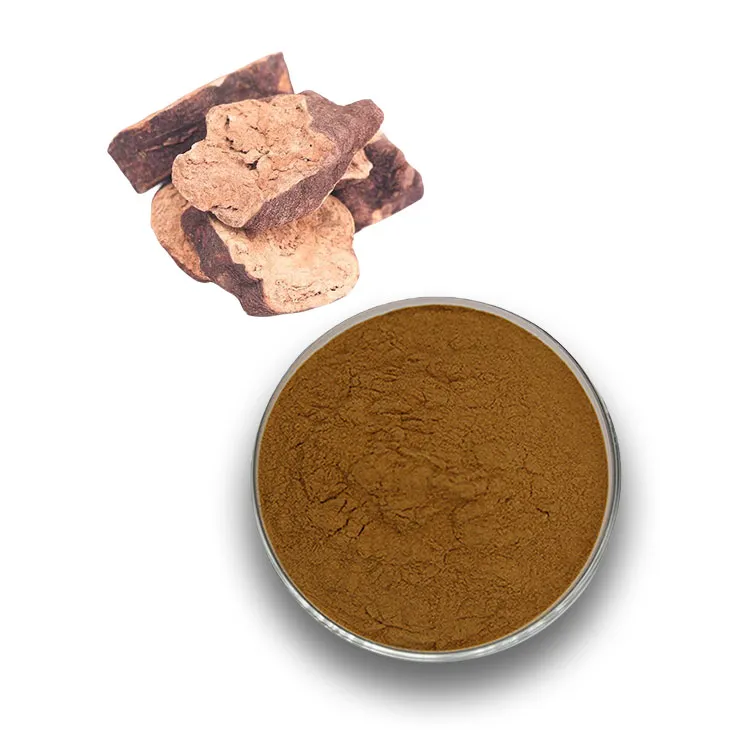
Polygonum multiflorum extract
2026-08-19
-
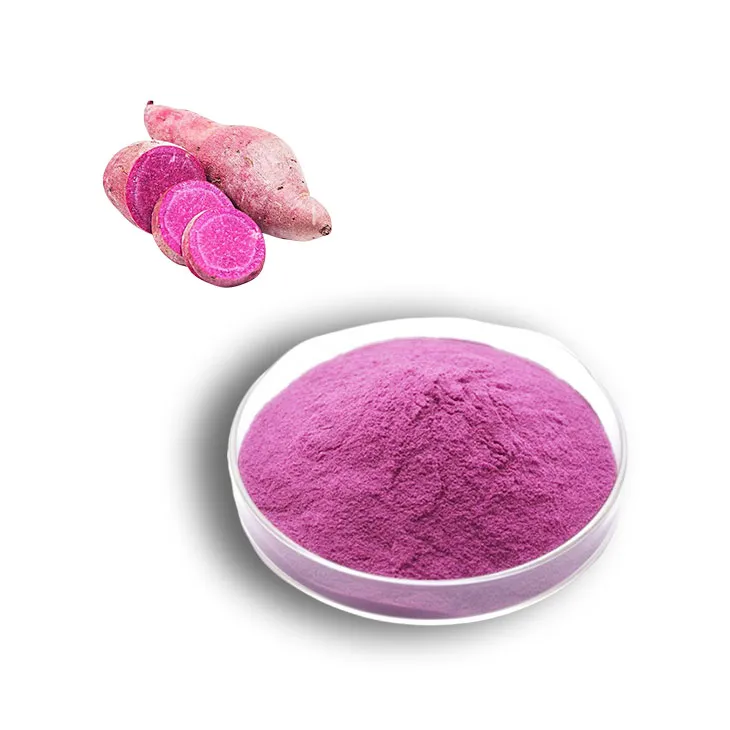
Purple Sweet Potato Extract
2026-08-19
-
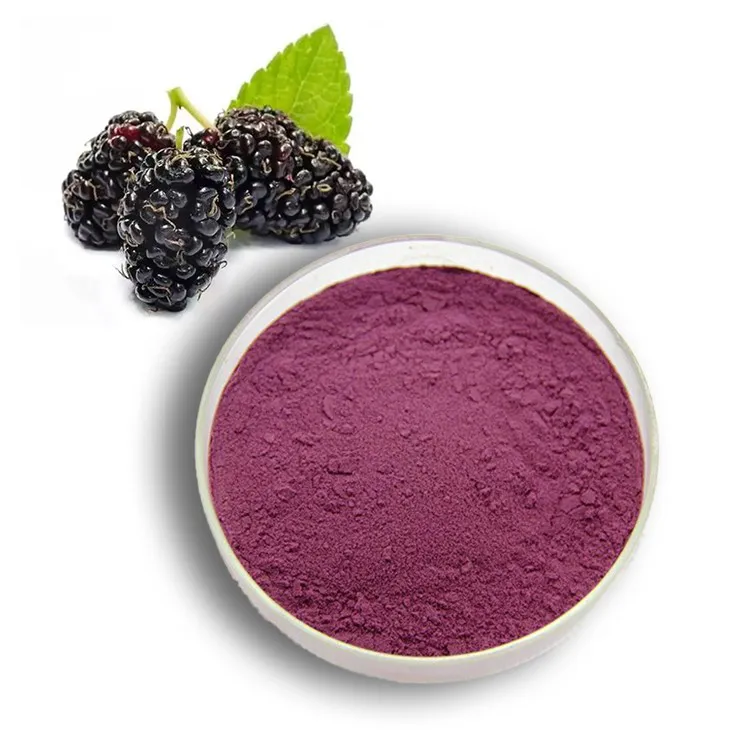
Mulberry Extract
2026-08-19
-
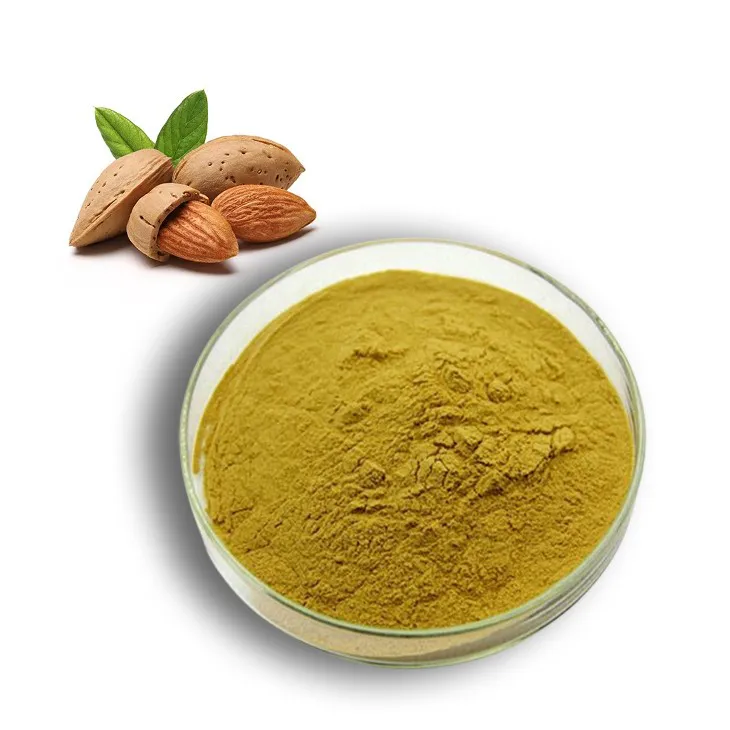
Almond Extract Powder
2026-08-19
-
Jujube Extract
2026-08-19