- 0086-571-85302990
- [email protected]






What are the main active compounds in artichoke extracts?
2026-08-14
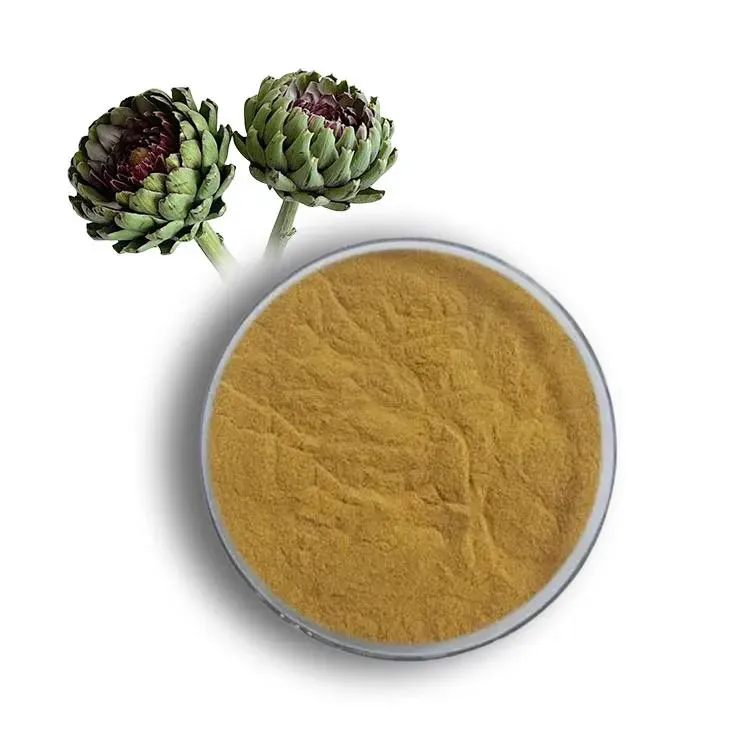
Artichoke (Cynara cardunculus var. scolymus) has been valued for centuries both as a food and as a medicinal plant. Today, standardized extracts made from its leaves are widely used in dietary supplements, functional foods, and herbal preparations, mainly because they carry an unusually high concentration of bioactive compounds. If you are sourcing raw materials for a new supplement line, understanding exactly which compounds drive the benefits of Artichoke Extract is essential, both for product positioning and for working with a reliable supplier.
The caffeoylquinic acid family: chlorogenic acid and cynarin
The most important group of active compounds in Artichoke Extracts is the caffeoylquinic acid family, and two members stand out: chlorogenic acid (CLA) and cynarin (1,3-dicaffeoylquinic acid). Chlorogenic acid is the most abundant polyphenol in the leaf and is a strong antioxidant; its ability to neutralize free radicals is one of the main reasons artichoke is linked to cardiovascular and liver protection. Cynarin, first isolated from artichoke leaves by Italian researchers in the mid-20th century, is the major dicaffeoylquinic acid derivative and is closely associated with the bile-stimulating and cholesterol-lowering effects traditionally credited to the plant. Caffeic acid and ferulic acid also belong to this hydroxycinnamic acid family and add to the extract's overall antioxidant capacity.
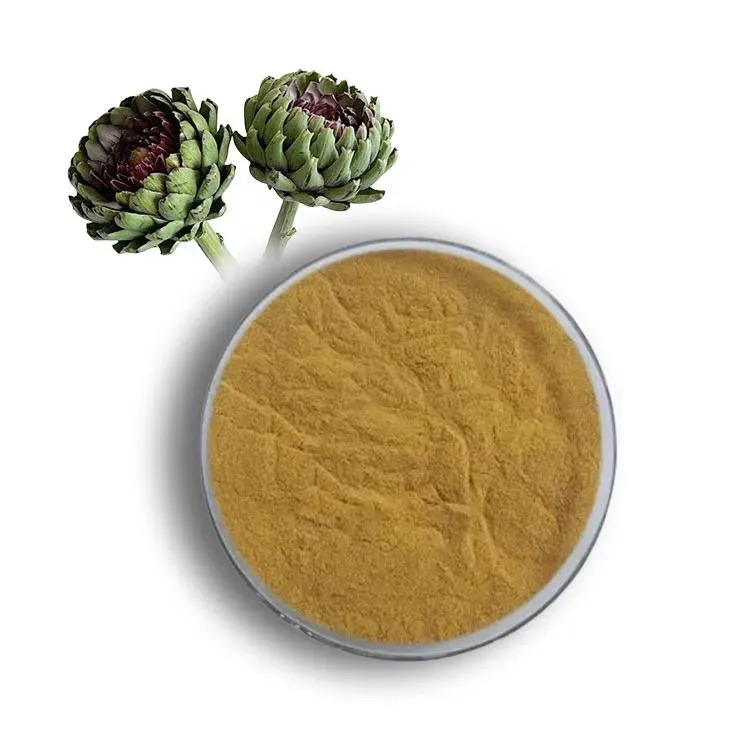
Flavonoids: luteolin, apigenin, and Quercetin
Alongside the phenolic acids, artichoke is rich in flavonoids. Luteolin and its glycoside luteolin-7-O-glucoside, also known as cynaroside, are among the most studied, valued for their anti-inflammatory and free-radical-scavenging activity. Apigenin and Quercetin complete this profile, helping to modulate inflammation and oxidative stress at the cellular level. It is the combination of phenolic acids and flavonoids, rather than any single molecule, that gives Artichoke Extract its broad spectrum of benefits.
Dietary fiber, inulin, and minerals
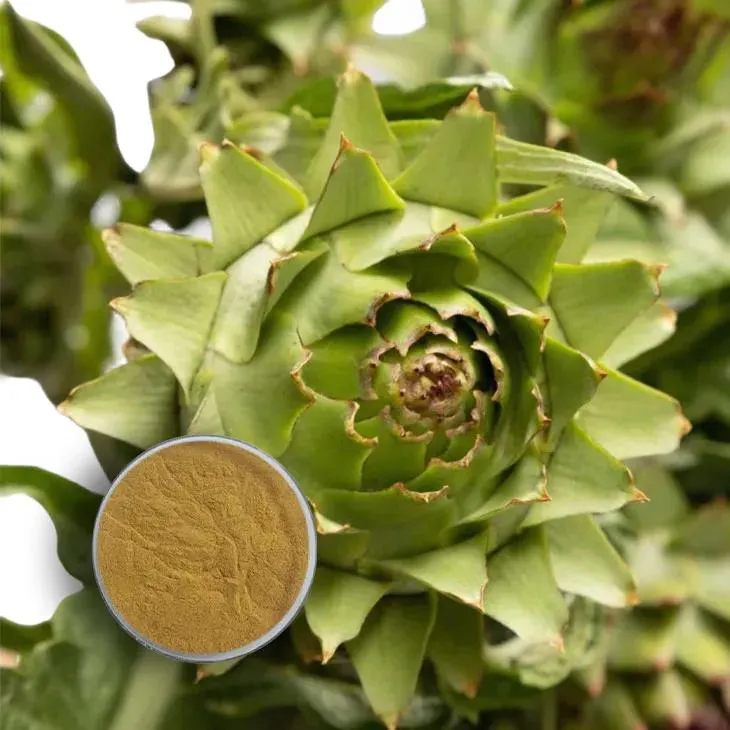
Artichoke extracts also deliver inulin, a prebiotic fiber, along with minerals such as potassium and phosphorus and a natural supply of vitamin C. Inulin acts as food for beneficial gut bacteria, which helps explain why artichoke has traditionally been used to support digestion. The fiber fraction is equally relevant for buyers working with functional food and beverage applications.
Why these compounds matter
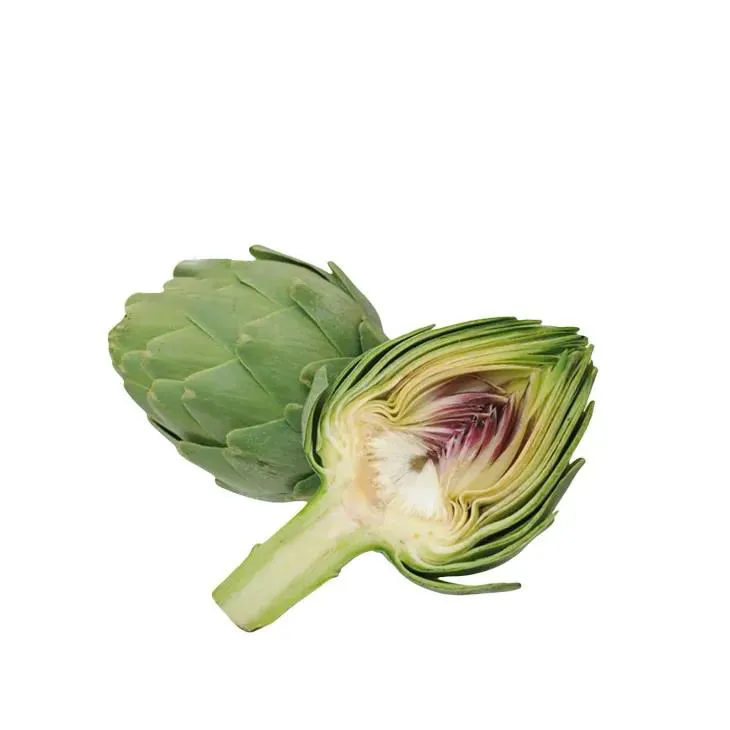
The practical importance of these compounds is well documented. The antioxidant action of chlorogenic acid and the flavonoids supports cardiovascular health and helps protect against oxidative stress. The bile-stimulating and lipid-lowering properties linked to cynarin and related acids are why artichoke extract is so often included in liver-support and cholesterol-management formulas. At the same time, the prebiotic inulin and anti-inflammatory flavonoids make it a popular ingredient in digestive-health products. Because most of these effects are driven by polyphenols, buyers should check the standardized ratio of key markers, such as chlorogenic acid or total caffeoylquinic acid content, rather than relying on whole-plant powder.
Sourcing reliable artichoke extract
For formulators and brand owners, the quality of the finished product begins with the raw material. Working with an experienced manufacturer ensures consistent active-compound content, complete documentation, and clean, traceable production. A trusted artichoke extract supplier can provide clear specifications on polyphenol and chlorogenic acid levels and support regulatory submissions. If you are planning to buy artichoke extract in bulk, choose a China Artichoke Extract manufacturer with certified facilities and independent laboratory testing.
Conclusion
The main active compounds in artichoke extracts are the caffeoylquinic acids, above all chlorogenic acid and cynarin, the flavonoids luteolin, apigenin, and Quercetin, and supporting components such as inulin and minerals. Together they deliver the antioxidant, anti-inflammatory, liver-supporting, and digestive benefits that make artichoke a valued ingredient across the nutraceutical industry. Understanding these compounds helps buyers select the right product and the right partner for consistent, high-quality results.
TAGS:
- ▶ Hesperidin
- ▶ Citrus Bioflavonoids
- ▶ Plant Extract
- ▶ lycopene
- ▶ Diosmin
- ▶ Grape seed extract
- ▶ Sea buckthorn Juice Powder
- ▶ Fruit Juice Powder
- ▶ Hops Extract
- ▶ Artichoke Extract
- ▶ Mushroom extract
- ▶ Astaxanthin
- ▶ Green Tea Extract
- ▶ Curcumin
- ▶ Horse Chestnut Extract
- ▶ Other Product
- ▶ Boswellia Serrata Extract
- ▶ Resveratrol
- ▶ Marigold Extract
- ▶ Grape Leaf Extract
- ▶ New Product
- ▶ Aminolevulinic acid
- ▶ Cranberry Extract
- ▶ Red Yeast Rice
- ▶ Red Wine Extract
- ▶ blog
-
Polygonum multiflorum extract
2026-08-14
-
Moringa powder
2026-08-14
-
Cat Claw Extract
2026-08-14
-
White mustard seed extract
2026-08-14
-
melatonin
2026-08-14
-
Ivy Extract
2026-08-14
-
Black Garlic Extract
2026-08-14
-
Tormentil Extract
2026-08-14
-
Medicinal Marshmallow Extract
2026-08-14
-
Panax Ginseng Leaf Extract
2026-08-14
