- 0086-571-85302990
- [email protected]





What are the citrus bioflavonoids benefits for circulation?
2026-08-17
Circulation is one of those things most of us only think about when it starts to misbehave — a dull heaviness in the legs after a long day on your feet, ankles that feel puffy by evening, easy bruising, or the faint web of tiny red veins spreading around the knees. Citrus bioflavonoids, a family of plant pigments concentrated in the peels and white pith of oranges, lemons and grapefruits, are among the most studied natural compounds for supporting healthy circulation. But what exactly do they do, and how do the benefits show up in everyday life?
What Are Citrus Bioflavonoids?
Bioflavonoids are the colorful plant compounds that paint fruits and vegetables — the deep orange of a tangerine, the pale yellow of a lemon rind. Within citrus fruit they cluster as several closely related molecules, the most important being hesperidin and Diosmin, along with rutin and Quercetin. You will usually see them listed together on supplement labels as a "citrus bioflavonoid complex."
What makes them interesting for circulation is not any single dramatic effect, but a gentle, overlapping set of actions on the blood vessel system itself. They do not push blood pressure around like a drug; instead, they work quietly on the health of the vessels — mostly the tiny capillaries and the veins that carry blood back toward the heart.
How Citrus Bioflavonoids Support Your Circulation
Your blood vessels are lined with a thin, active layer called the endothelium. It decides how easily your vessels widen and narrow, and how well they keep fluid inside. Bioflavonoids appear to support this layer in four connected ways:
- Supporting vessel flexibility. Bioflavonoids help the endothelium maintain healthy nitric oxide signaling, the natural signal that lets blood vessels relax and widen, keeping blood flowing smoothly.
- Strengthening capillary walls. One of the best documented effects is on capillary integrity — helping the smallest vessels stay strong and less prone to leakage, which is why citrus bioflavonoids have a long history of use for easy bruising.
- Protecting against oxidative wear. As antioxidants, they help shield vessel walls from the ongoing oxidative stress that comes with normal daily metabolism and aging.
- Improving microcirculation. By supporting the tiny vessels that feed tissues, they help with tissue oxygenation and overall cardiovascular tone.
The Closest Look: Vein Health and Tired, Heavy Legs
The area with the strongest scientific backing is the venous system — the network that pushes blood from your legs back up to your heart against gravity. Within citrus, a combination of Diosmin and hesperidin has been studied more than almost any other flavonoid pairing for this purpose. These compounds help the vein walls and their small one-way valves stay firm and responsive, so blood does not pool in the lower legs.
This is why people who stand or sit for hours, notice tired, heavy legs by the evening, or occasionally see mild ankle swelling are among the most common users of citrus-flavonoid supplements. The benefit is supportive vessel tone and comfort — a genuine help for everyday circulation, though it is not a treatment for a diagnosed vein condition.
Clinical studies have also looked at bioflavonoids beyond the legs. Hesperidin supplementation has been evaluated in randomized trials for cardiovascular risk markers such as cholesterol and fasting blood sugar, with generally favorable results. Standard citrus extracts intended for circulation are typically standardized to a consistent content of these active flavonoids.
Where Do the Active Compounds Come From?
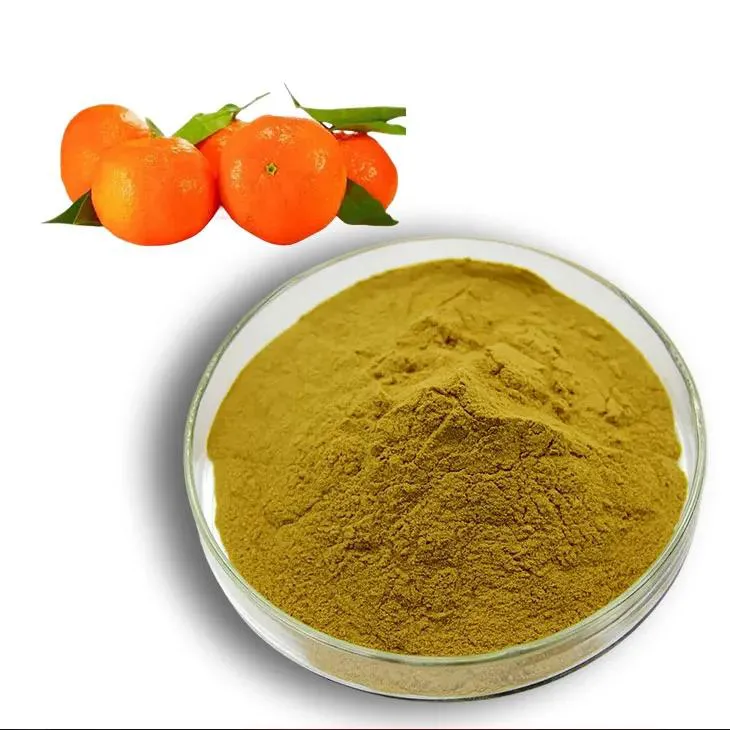
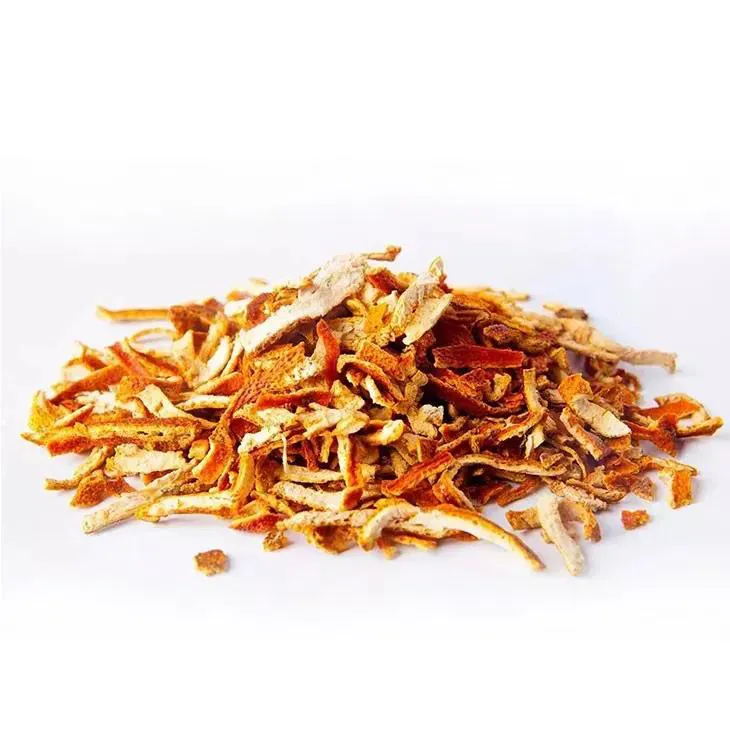
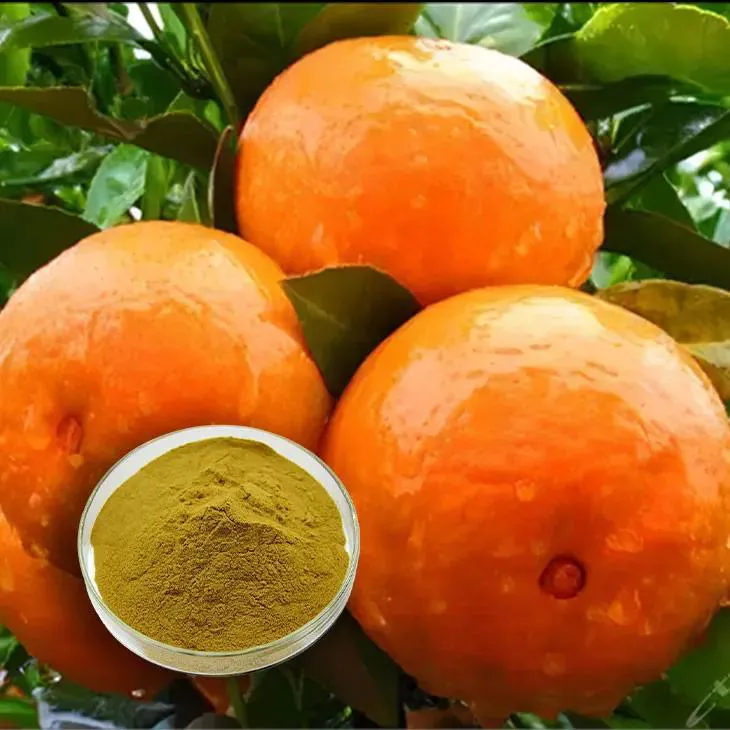
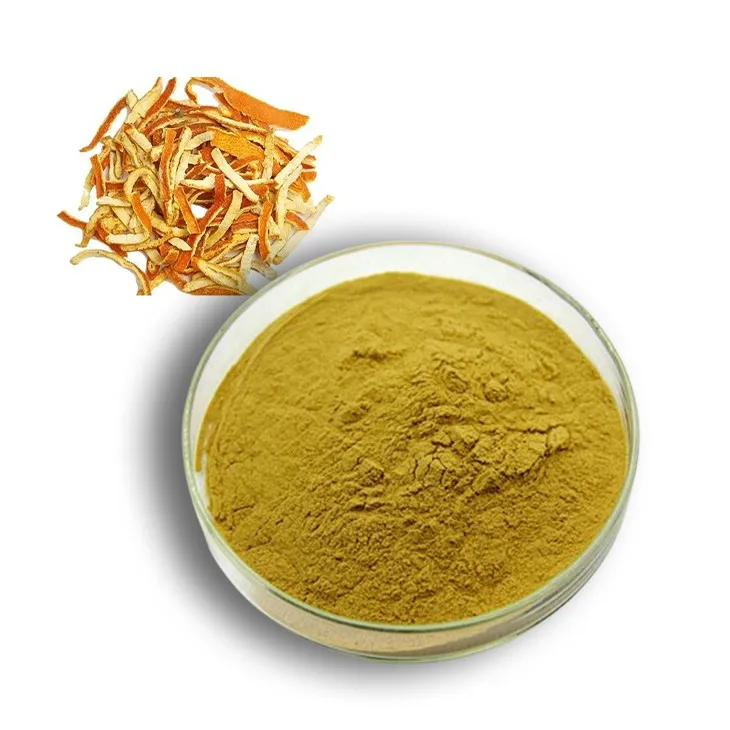
For anyone formulating a supplement, the quality of the starting material matters as much as the dose. Hesperidin is extracted mainly from the rind and white pith of citrus fruit, a byproduct of the juice industry that would otherwise go to waste. Diosmin, a close relative, is produced from hesperidin and is prized for its role in supporting vascular health. You will often see them blended as a Diosmin–hesperidin complex, the combination used in the best-studied circulation formulas.
A reliable supplier should be able to provide standardized extracts with documented flavonoid content, batch-tested purity, and clean manufacturing records. This is exactly the kind of consideration that matters when a brand chooses where to buy its ingredients.
How to Use Citrus Bioflavonoids
As with most nutrients, the plate comes first. The white pith and segment walls of oranges, grapefruits and lemons hold the highest concentration of bioflavonoids, so whole fruit beats strained juice. Berries, tea, dark cocoa, apples and onions round out a flavonoid-rich diet.
When a targeted supplement makes sense — for example, to support comfortable leg veins during long standing or travel — diosmin and hesperidin combinations are commonly studied at around 500 to 1000 mg per day, often paired with vitamin C, which the two work alongside naturally. Give any routine several weeks of consistent use before judging it, and pair it with the basics that actually move blood: walking, calf raises, and simply taking a break from sitting for hours. Lifting your legs for a few minutes in the evening and staying hydrated help too. A flavonoid supplement supports vessel tone; movement does the pumping.
Safety and When to Check With a Doctor
Citrus bioflavonoids are well tolerated for most healthy adults, and citrus extract is common in many daily supplements. A few points deserve attention. Certain flavonoids, notably Quercetin, can interact with some medications such as certain antibiotics and blood thinners, so check with your healthcare provider if you take prescription medicines. And bioflavonoids support healthy circulation; they are not a replacement for managing blood pressure or a diagnosed vascular condition with a clinician. If you notice sudden or severe leg swelling, pain, or changes in your veins, get them evaluated rather than self-treating.
The Bottom Line
The benefits of citrus bioflavonoids for circulation come down to steady, structural support for your blood vessels — firmer capillaries, well-functioning vein walls, and antioxidant protection where they are needed most. Hesperidin and diosmin carry the strongest circulation-specific evidence, especially for the comfort of tired, heavy legs. Start with a flavonoid-rich diet and consistent movement, and consider a standardized supplement when your routine calls for it. When you do, choose an ingredient you can trace back to a manufacturer you trust.
As a manufacturer of natural plant extracts, Greensky supplies standardized citrus bioflavonoids, hesperidin and diosmin for the dietary supplement and health product markets. Our vertically integrated operation — from research and development to production in a clean manufacturing area backed by independent laboratory testing — is built to give brands the consistency and documentation that responsible formulation requires.
TAGS:
- ▶ Hesperidin
- ▶ Citrus Bioflavonoids
- ▶ Plant Extract
- ▶ lycopene
- ▶ Diosmin
- ▶ Grape seed extract
- ▶ Sea buckthorn Juice Powder
- ▶ Fruit Juice Powder
- ▶ Hops Extract
- ▶ Artichoke Extract
- ▶ Mushroom extract
- ▶ Astaxanthin
- ▶ Green Tea Extract
- ▶ Curcumin
- ▶ Horse Chestnut Extract
- ▶ Other Product
- ▶ Boswellia Serrata Extract
- ▶ Resveratrol
- ▶ Marigold Extract
- ▶ Grape Leaf Extract
- ▶ New Product
- ▶ Aminolevulinic acid
- ▶ Cranberry Extract
- ▶ Red Yeast Rice
- ▶ Red Wine Extract
- ▶ blog
-
Bamboo Leaf extract
2026-08-17
-
Genistein
2026-08-17
-
Red Vine Extract
2026-08-17
-
Cat Claw Extract
2026-08-17
-
Yellow Pine Extract
2026-08-17
-
Lemon Balm Extract
2026-08-17
-
Polygonum multiflorum extract
2026-08-17
-
Resveratrol
2026-08-17
-
Moringa powder
2026-08-17
-
Thunder God Vine Extract
2026-08-17