- 0086-571-85302990
- [email protected]




What are the best practices for stevia plant cultivation?
2026-08-18
Stevia (Stevia rebaudiana) has moved from a niche herb to one of the most sought-after natural sweetener crops in the world. Its leaves contain steviol glycosides, compounds that are hundreds of times sweeter than sugar yet contribute almost no calories, which is why food, beverage, and supplement brands keep looking for reliable leaf supply. But growing stevia well is not the same as growing a typical garden herb. The crop is sensitive to soil moisture, day length, and harvest timing, and small mistakes at any stage can cut both yield and sweetness. This guide walks through the best practices for stevia plant cultivation, from choosing the right soil to drying the leaves, so growers can produce leaves that are genuinely worth processing.
Understanding the Plant and Its Climate Needs
Stevia is a subtropical perennial native to South America, where it grows wild in warm, humid regions. It thrives where temperatures stay between roughly 21°C and 24°C, with plenty of sunlight and consistent humidity. In cooler climates it is usually treated as an annual, planted after the last frost and harvested before the first one, or grown year-round in a greenhouse. Because the plant has shallow feeder roots, it cannot reach deep water reserves, so the entire growing system needs to be designed around keeping the upper soil layer reliably moist without ever letting it become waterlogged.
Soil Preparation: Drainage Comes First
The single most important soil requirement for stevia is excellent drainage. Heavy clay soils that hold water for long periods are unsuitable, because stevia roots quickly suffer from rot and oxygen starvation in soggy conditions. The best results come from red soil or sandy loam with a pH between 6 and 7. Before planting, it is worth having the soil tested so you can correct pH and nutrient levels in advance rather than reacting to problems later.
For organic cultivation or naturally poor, sandy soils, adding compost is the most practical fix. Working several tons of compost into each acre per year improves soil texture, holds moisture near the shallow roots, and supplies the slow-release nutrients stevia prefers. The land should be ploughed and harrowed to a fine tilth before transplanting so young roots establish quickly and evenly.
Propagation: Seeds, Cuttings, or Tissue Culture
Stevia can be multiplied in three ways, and each has its own trade-off. Seed propagation used to be unreliable because germination rates were poor and seedlings varied, but newer open-pollinated varieties with higher germination have made seed nurseries practical again. Seeds need light to germinate, so they should be pressed lightly onto the surface rather than buried. Stem cuttings are another option, with a single healthy plant producing dozens of identical cuttings, although this route demands more facilities and skill. Tissue culture is the fastest way to multiply plants and guarantees identical, disease-free stock, but the cost of laboratory production and the need to acclimate plantlets in a greenhouse make it most attractive for large commercial nurseries.
Planting and Spacing
Raised beds are the most economical way to grow stevia because they guarantee the drainage the crop demands. A common layout uses beds about 15 cm high and 60 cm wide, with plants spaced roughly 25–30 cm apart within the row and 50 cm between rows. This works out to a plant population of roughly 30,000 to 40,000 plants per acre, a density that makes efficient use of the field while still allowing air to move through the canopy. Good airflow matters more than it looks: dense, humid canopies are exactly where fungal problems start.
Irrigation and Fertilization
Because stevia roots stay close to the surface, the top layer of soil should be kept consistently moist through the growing season. In rain-fed fields, a gap of more than about three weeks between rainfalls can stress the crop, and sandy soils dry out even faster, so supplemental irrigation is often necessary. Where plastic mulch is used, drip irrigation is the smart pairing: it delivers water straight to the root zone, keeps the leaves dry, and suppresses weeds at the same time.
Fertilizer strategy has a direct effect on sweetness. Stevia responds best to a low-nitrogen program, because excessive nitrogen pushes leafy growth at the expense of the steviol glycosides that give the leaves their value. Phosphorus and potassium should be worked into the soil during land preparation, nitrogen can be split into smaller monthly applications, and micronutrients are only needed when a deficiency is actually visible. Organic, slow-release fertilizers fit this profile especially well.
Weed Control and Plant Protection
Weeds are the biggest practical challenge in the first weeks after transplanting, when young stevia plants cannot yet compete. Plastic mulch is an excellent solution for annual cultivation because it blocks weeds while preserving soil moisture. For growers who prefer not to use mulch, well-chosen cultivator machines can keep rows clean without damaging the shallow root system.
Stevia is naturally resistant to most insects, so serious pest pressure is uncommon. The bigger risk is fungal disease, which usually traces back to excess moisture or poor air circulation. Dark brown spots on the leaves and wilting are the classic warning signs. The best protection is prevention: drain heavy rainfall quickly, avoid overcrowding, and if a fungal infection does appear, harvest the affected plants promptly rather than waiting for it to spread. In the rare cases where insects do appear, a neem oil spray on the foliage is a practical, low-impact response.
Maintenance: Pinching and Mulching
Two simple maintenance habits make a measurable difference. First, pinch out the apical bud of young plants. Stevia has strong apical dominance, so if it is left alone it grows tall and thin; pinching encourages side branches and produces a bushier plant with far more harvestable leaf area. Second, keep a layer of organic mulch around each plant. It protects the shallow feeder roots from drying out in summer heat and keeps soil moisture even between waterings.
Harvesting and Drying at the Right Moment
Timing is everything at harvest. Steviol glycoside levels are highest just before the plant flowers, and they drop quickly once flowering begins, so the crop should never be allowed to bloom if the goal is sweet leaves. The first harvest typically comes four to five months after planting, when the plant is cut back to about 10–15 cm above the ground; a fresh flush of leaves regrows from the base and can be harvested again roughly every three months. Depending on climate, growers can expect several harvests a year, with well-managed fields yielding around 3,000 kg of dried leaves per acre annually.
Drying method affects the final sweetness. The leaves should be dried quickly in a warm, dry, well-ventilated area, because slow drying lowers the stevioside content. Once fully dry, the leaves are stripped from the stems, crushed or ground into powder, and stored in sealed containers. It is this dried leaf material that forms the starting point for commercial extraction.
From Field to Finished Extract
For growers, the end of the harvest is the start of the real question: who will turn these leaves into a consistent, food-grade sweetener? That is where a specialized manufacturer comes in. A dependable partner should be able to standardize the steviol glycoside content, test every batch for purity and safety, and document the whole process. Greensky, a plant extract manufacturer founded in 2004 with more than 20 years of experience, produces Stevia Extract from Stevia rebaudiana leaves in a vertically integrated operation that covers research, development, and production. Its 100,000-class clean production area, in-house laboratory equipped with GC, HPLC, and UV instruments, and certifications including ISO22000, BRCGS, Ecocert Organic Standard, SGS-GMP, ISO9001, HALAL, and Kosher give buyers the traceability that food and beverage formulations require.
Whether you are a farmer planning a new crop or a brand sourcing ingredients, the same principle applies: the quality of the finished sweetener is decided long before it reaches the factory. Good soil, careful moisture management, and disciplined harvest timing produce leaves worth processing, and a reliable Stevia Extract Supplier turns those leaves into a standardized ingredient. For brands looking to lock in a stable supply, working directly with experienced stevia extract manufacturers who control sourcing and production under one roof is the most dependable route to consistent, high-purity bulk stevia extract.
The Bottom Line
Successful stevia cultivation comes down to a handful of non-negotiable practices: well-drained, slightly acidic soil; consistent moisture without waterlogging; low-nitrogen feeding; disciplined weed and disease control; and harvesting just before flowering so the leaves keep their sweetness. Get those right and stevia rewards you with multiple harvests a year of genuinely valuable leaf. Get them wrong, and the crop disappoints no matter how good the seed or the soil test looked. For anyone scaling up beyond a home garden, pairing sound agronomy with a trusted extraction partner is what turns a good crop into a dependable supply of natural sweetener.
- ▶ Hesperidin
- ▶ Citrus Bioflavonoids
- ▶ Plant Extract
- ▶ lycopene
- ▶ Diosmin
- ▶ Grape seed extract
- ▶ Sea buckthorn Juice Powder
- ▶ Fruit Juice Powder
- ▶ Hops Extract
- ▶ Artichoke Extract
- ▶ Mushroom extract
- ▶ Astaxanthin
- ▶ Green Tea Extract
- ▶ Curcumin
- ▶ Horse Chestnut Extract
- ▶ Other Product
- ▶ Boswellia Serrata Extract
- ▶ Resveratrol
- ▶ Marigold Extract
- ▶ Grape Leaf Extract
- ▶ New Product
- ▶ Aminolevulinic acid
- ▶ Cranberry Extract
- ▶ Red Yeast Rice
- ▶ Red Wine Extract
- ▶ blog
-
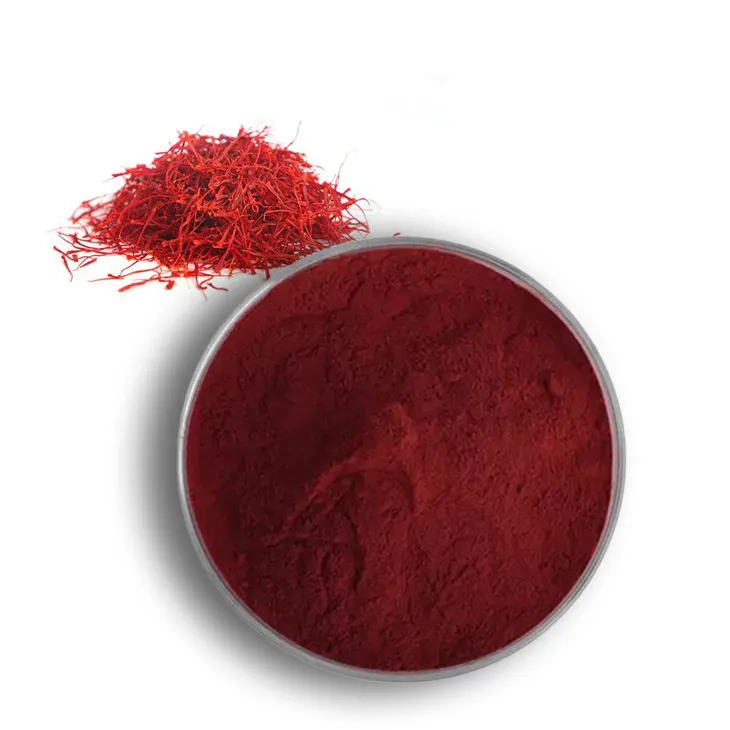
Saffron Extract Powder
2026-08-18
-
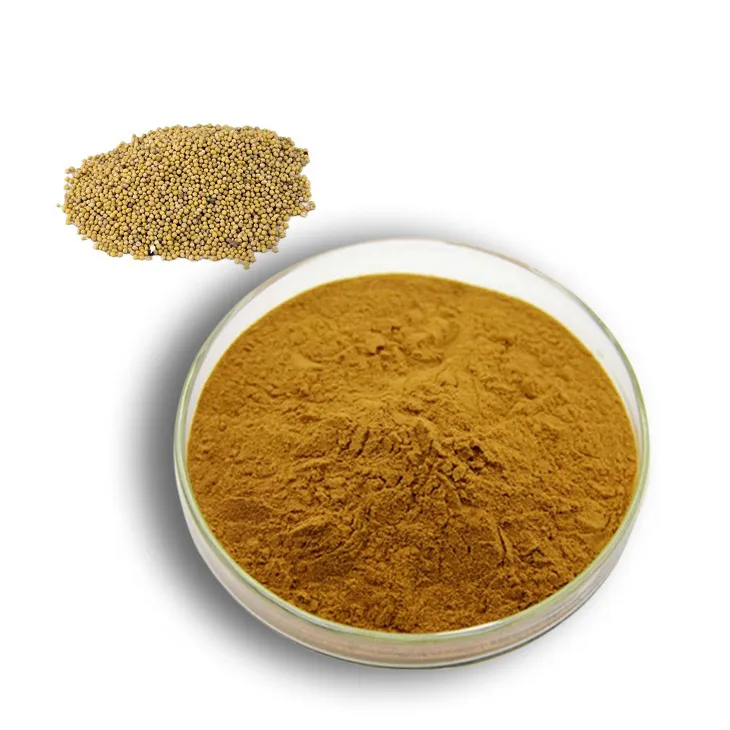
White mustard seed extract
2026-08-18
-
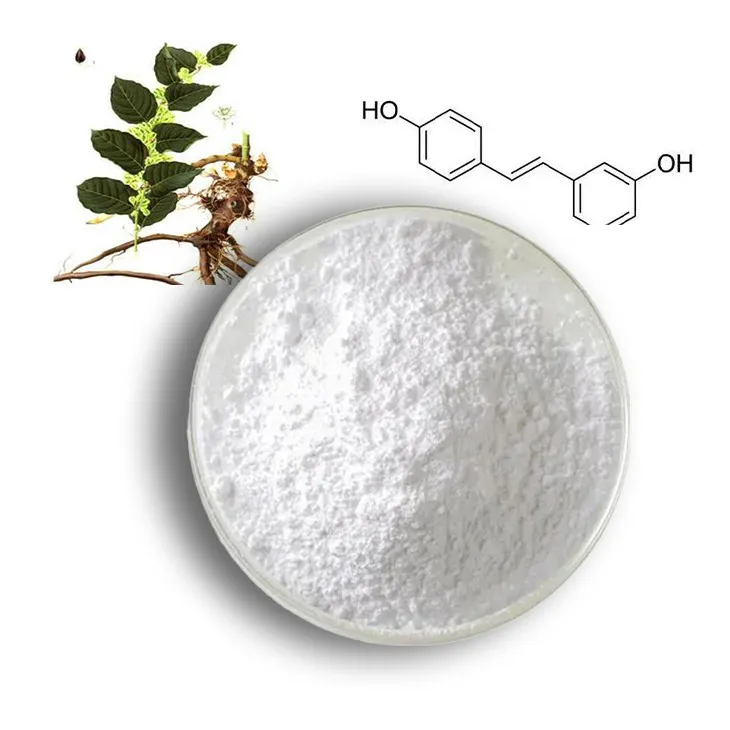
Resveratrol
2026-08-18
-
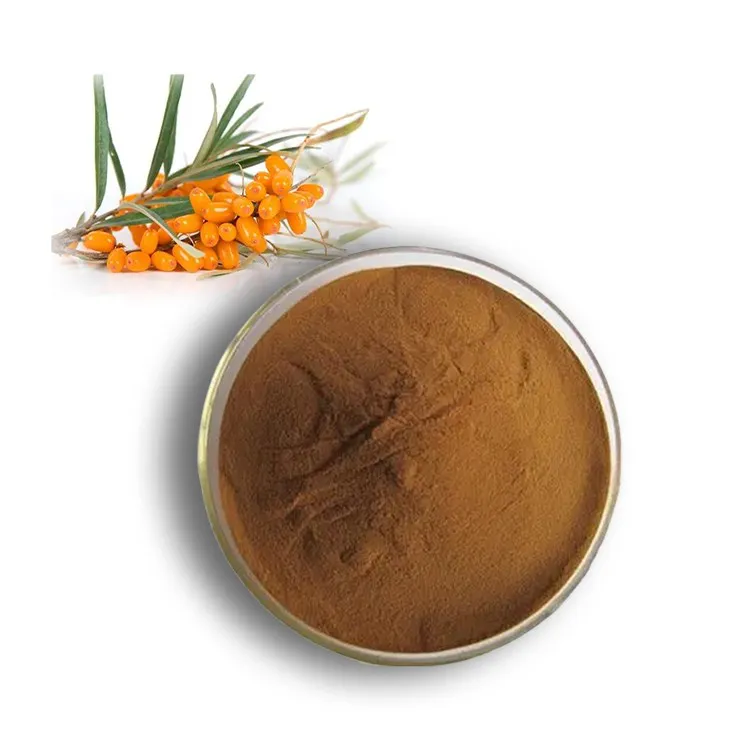
Buckthorn bark extract
2026-08-18
-
Hawthorn Extract
2026-08-18
-
Hesperidin
2026-08-18
-
Jujube Extract
2026-08-18
-
White Peony Extract
2026-08-18
-
Coconut Water Powder
2026-08-18
-
Magnolia Bark Extract
2026-08-18