We have five factories and 23 years of experience in plant extracts
- 0086-571-85302990
- [email protected]






What are the benefits of red yeast rice and bergamot together?
2026-08-19
Related Product
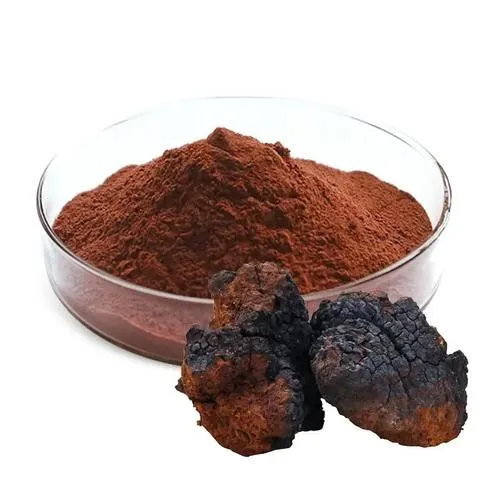
Red Yeast Rice
Green Sky Bio is the largest plant extract manufacturer exporter and supplier, provide plant extract, annual production 2500 tons China

In the search for gentler ways to support healthy cholesterol levels, two plant-based ingredients keep coming up together: red yeast rice and bergamot. Each has been studied for decades on its own, but the real question many people are asking is whether taking them together offers benefits you would not get from either ingredient alone. The short answer is yes, and in this article we break down the science in plain language, look at how the two ingredients work, and explain why the combination is attracting so much attention among formulators and consumers alike.
Red yeast rice and bergamot at a glance
Red yeast rice is rice that has been fermented by the yeast Monascus purpureus, a process with a long history in traditional Chinese food and medicine. Bergamot is a fragrant citrus fruit grown mainly in southern Italy, and its peel and juice are rich in polyphenols. On the surface the two seem unrelated, yet both happen to act on the same cholesterol pathway in different ways, which is exactly what makes them a promising pair.
What is red yeast rice?
Red yeast rice owes its cholesterol-lowering reputation to a family of compounds called monacolins, the best-known of which is monacolin K. Chemically, monacolin K is identical to the active ingredient in a widely prescribed statin, and it works the same way: it inhibits HMG-CoA reductase, the key enzyme the liver uses to produce cholesterol. Clinical work on red yeast rice has reported reductions in LDL cholesterol in the region of 14% to 24%, with results typically appearing within several weeks of consistent use.
Because monacolin K behaves like a statin, its level in a product matters a great deal. Some formulations choose lower doses to keep the monacolin K intake moderate, particularly when the goal is to provide gentle support over the long term. This is one reason why manufacturers put so much emphasis on measuring monacolin K content and on controlling the fermentation process carefully.
What is bergamot?
Bergamot (Citrus bergamia) is a citrus fruit whose juice and peel contain a concentrated mix of flavonoids and polyphenols, among them compounds such as brutieridin, melitidin and neoeriocitrin. Research on a bergamot polyphenolic fraction has shown that it can help lower LDL cholesterol and triglycerides while supporting levels of HDL cholesterol, the so-called good cholesterol. These changes are accompanied by antioxidant effects and, in animal models, by a reduction in PCSK9, a protein that influences how well the liver clears LDL from the bloodstream.
In other words, bergamot works on a wider lipid panel than red yeast rice alone: it does not stop at LDL, but also lends a hand to triglycerides and HDL.
How the two ingredients work
The two ingredients share a common target but approach it from different angles. Red yeast rice delivers monacolin K, which directly suppresses the liver's cholesterol production machinery. Bergamot polyphenols interfere with cholesterol synthesis as well, while adding antioxidant protection and helping the body manage triglycerides and HDL more effectively.
So the key difference comes down to coverage. Red yeast rice is very good at its primary job of lowering LDL. Bergamot broadens that benefit. Studies comparing the two side by side in hyperlipidemic animals found that both lowered serum cholesterol, but the bergamot polyphenolic fraction produced additional improvements in triglycerides, HDL cholesterol and markers of oxidative stress that red yeast rice alone, at the doses tested, did not.
Why take red yeast rice and bergamot together?
This is where the combination earns its place. Because red yeast rice and bergamot act on complementary aspects of the lipid profile, a combined formula can aim for comprehensive support from a single product. A blend of the two means a manufacturer can formulate with a less aggressive level of monacolin K, reducing the total statin-like dose, while still delivering meaningful support across LDL, triglycerides and HDL.
That is why you increasingly see products marketed around the citrus bergamot red yeast rice pairing. The idea is simple: use the proven LDL-lowering effect of red yeast rice, then lean on bergamot's polyphenols to round out triglyceride and HDL support and to add antioxidant protection. For people with only mildly elevated cholesterol who would rather try a food-based approach before stronger medication, this kind of combination is an increasingly popular starting point.
Who should consider this combination?
The combination is aimed mainly at adults dealing with borderline-high cholesterol who are not yet on medication, as well as formulators and brands building heart-health products. That said, it is important to be clear where the evidence currently stands. The benefits are well documented at the level of individual ingredients and in comparison studies, but clinical data on the finished combination in humans is still accumulating. Red yeast rice, because of its monacolin K content, deserves respect: anyone pregnant, taking cholesterol or liver medication, or living with liver or muscle conditions should check with a healthcare professional before using red yeast rice products. It is a helper, not a replacement for medical care, and it is always wise to have cholesterol levels checked by a doctor.
Quality matters: choose a trusted supplier
Because the safety and consistency of red yeast rice depend so heavily on how it is produced, sourcing matters as much as the ingredient itself. A responsible manufacturer controls fermentation tightly, standardizes monacolin K content within a clear range, and screens for citrinin, an unwanted fermentation by-product that regulators ask brands to keep to a minimum.
For companies building a formulation around red yeast rice from china, a dedicated producer makes a real difference. A vertically integrated manufacturer with its own fermentation lines, in-house laboratories and export documentation can supply functional red yeast rice with monacolin K that can be standardized anywhere from 0.2% to 5%, produced to be citrinin-free, and backed by certificates such as ISO22000, HALAL and Kosher. When you buy from a factory rather than a trader, you get batch consistency, full traceability and the confidence that comes from a product made in a 100,000-class clean production area under independent quality control.
The bottom line
Taken together, red yeast rice and bergamot offer a well-rounded way to support cardiovascular health. Red yeast rice provides the cholesterol-lowering core through monacolin K, while bergamot adds support for triglycerides, HDL and antioxidant defenses. Combined in a single formula, the two can offer more complete lipid support than either delivers alone, and they allow formulators to keep monacolin K levels moderate. As with any ingredient that behaves even mildly like a statin, the sensible path is to talk to a healthcare provider first, buy from a manufacturer with verifiable quality, and treat the combination as part of a heart-healthy lifestyle rather than a shortcut.
Hangzhou Greensky Biological Tech. Co., Ltd., established in 2004, specializes in the production of natural plant extracts and functional red yeast rice. To learn more about functional red yeast rice and other botanical ingredients, visit www.greenskybio.com or contact the sales team at [email protected].
TAGS:
FAQ
- ▶ Hesperidin
- ▶ Citrus Bioflavonoids
- ▶ Plant Extract
- ▶ lycopene
- ▶ Diosmin
- ▶ Grape seed extract
- ▶ Sea buckthorn Juice Powder
- ▶ Fruit Juice Powder
- ▶ Hops Extract
- ▶ Artichoke Extract
- ▶ Mushroom extract
- ▶ Astaxanthin
- ▶ Green Tea Extract
- ▶ Curcumin
- ▶ Horse Chestnut Extract
- ▶ Other Product
- ▶ Boswellia Serrata Extract
- ▶ Resveratrol
- ▶ Marigold Extract
- ▶ Grape Leaf Extract
- ▶ New Product
- ▶ Aminolevulinic acid
- ▶ Cranberry Extract
- ▶ Red Yeast Rice
- ▶ Red Wine Extract
- ▶ blog
Recommended Products
-
Scutellaria Extract
2026-08-19
-
Nettle Root Extract
2026-08-19
-
White Peony Extract
2026-08-19
-
Curcumin
2026-08-19
-
Phellodendron Extract
2026-08-19
-
Marigold Extract
2026-08-19
-
Natural grape seed extract
2026-08-19
-
Mulberry leaf Extract
2026-08-19
-
White Willow Bark Extract
2026-08-19
-
Calendula Extract
2026-08-19
Get a Quote
