- 0086-571-85302990
- [email protected]






What are the active compounds in hop extract?
2026-08-19
Hops (Humulus lupulus L.) have served brewers for centuries, but the green lupulin glands inside the female cones hold far more than bittering power. Today, hop extract is in growing demand as a natural functional-food ingredient, a botanical sedative for sleep support, and a source of antimicrobial and anti-inflammatory compounds. Understanding its active constituents helps formulators and buyers choose a product that actually delivers on its promises.
Instead of a single molecule, Hops Extract contains a whole family of compounds that work together. These fall into four broad groups: bitter acids (resins), flavonoids, essential oils, and polyphenols.
1. Bitter acids: alpha acids and beta acids
The resin fraction is the most studied group and the one that gives the plant its characteristic bitterness. Alpha acids (also called humulones) such as humulone, cohumulone, and adhumulone are the primary source of bitterness. During brewing they are rearranged into iso-alpha acids, which are also the molecules most often linked to antibacterial activity. Beta acids (lupulones) such as lupulone, colupulone, and adlupulone are even more strongly antimicrobial and sedative, though they contribute little bitterness.
For functional-food applications, standardized extracts are usually measured by their alpha-acid, beta-acid, or total bitter-acid content, because these figures determine both potency and batch consistency.
2. Flavonoids and prenylated chalcones
Hops are unusually rich in prenylated flavonoids, the most famous of which is xanthohumol. Along with its relatives isoxanthohumol and 8-prenylnaringenin, xanthohumol is the compound most frequently studied for antioxidant, anti-inflammatory, and estrogen-modulating effects. It is one of the reasons Hops Extract appears so often in supplements aimed at relaxation, women’s wellness, and general antioxidant support.
3. Essential oils
A typical hop essential oil is a complex mixture of hundreds of volatile compounds, led by the terpene myrcene, humulene, caryophyllene, and farnesene. Although the oil makes up only a small share of the cone, it carries the aroma and contributes mild sedative and antimicrobial traits. In finished extracts the oil fraction also shapes sensory experience, which matters for beverages and confectionery.
4. Polyphenols
Beyond the flavonoids, hops contain a wide pool of polyphenols, including proanthocyanidins and various phenolic acids. These compounds supply much of the extract’s antioxidant capacity and its anti-inflammatory character, and they are the group most sensitive to extraction conditions because they are polar and water-soluble.
Why the active-compound profile matters to buyers
The chemistry of hops extract is only as reliable as the process behind it. Solvent choice, drying method, and standardization all change the final profile. Ethanol-based extraction recovers a broad range of compounds including polyphenols, while supercritical carbon dioxide is prized for a cleaner, solvent-free resin and oil profile. Reliable hops extract suppliers back each batch with laboratory analysis so that alpha-acid, beta-acid, and total polyphenol values are stated on the certificate, not guessed at.
Sourcing standardized hop extract
Hangzhou Greensky Biological Tech. Co., Ltd. has manufactured botanical ingredients since 2004 and supplies standardized hop extract alongside a broad catalog of functional-food raw materials. An independent laboratory equipped with HPLC, GC, and UV instruments verifies each active group, and production runs under ISO22000, BRCGS, and organic-certified management systems. For buyers who need consistency across every batch rather than a single lucky one, that verification is what turns a list of active compounds into a dependable ingredient.
The active compounds in hop extract, from bitter acids to prenylated flavonoids, are what give the plant its versatile reputation for relaxation, antioxidant, and antimicrobial support. Choosing a supplier who measures and documents them is the difference between a good idea on paper and a product that performs on the shelf.
- ▶ Hesperidin
- ▶ Citrus Bioflavonoids
- ▶ Plant Extract
- ▶ lycopene
- ▶ Diosmin
- ▶ Grape seed extract
- ▶ Sea buckthorn Juice Powder
- ▶ Fruit Juice Powder
- ▶ Hops Extract
- ▶ Artichoke Extract
- ▶ Mushroom extract
- ▶ Astaxanthin
- ▶ Green Tea Extract
- ▶ Curcumin
- ▶ Horse Chestnut Extract
- ▶ Other Product
- ▶ Boswellia Serrata Extract
- ▶ Resveratrol
- ▶ Marigold Extract
- ▶ Grape Leaf Extract
- ▶ New Product
- ▶ Aminolevulinic acid
- ▶ Cranberry Extract
- ▶ Red Yeast Rice
- ▶ Red Wine Extract
- ▶ blog
-
Uridine-5'-monophosphate Disodium salt
2026-08-19
-
Bilberry Extract
2026-08-19
-
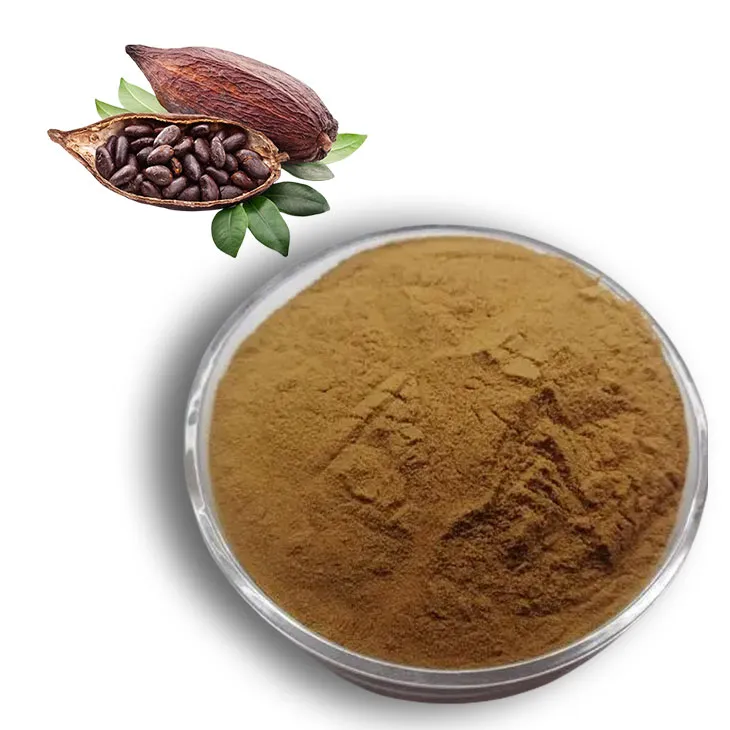
Cocoa Extract
2026-08-19
-
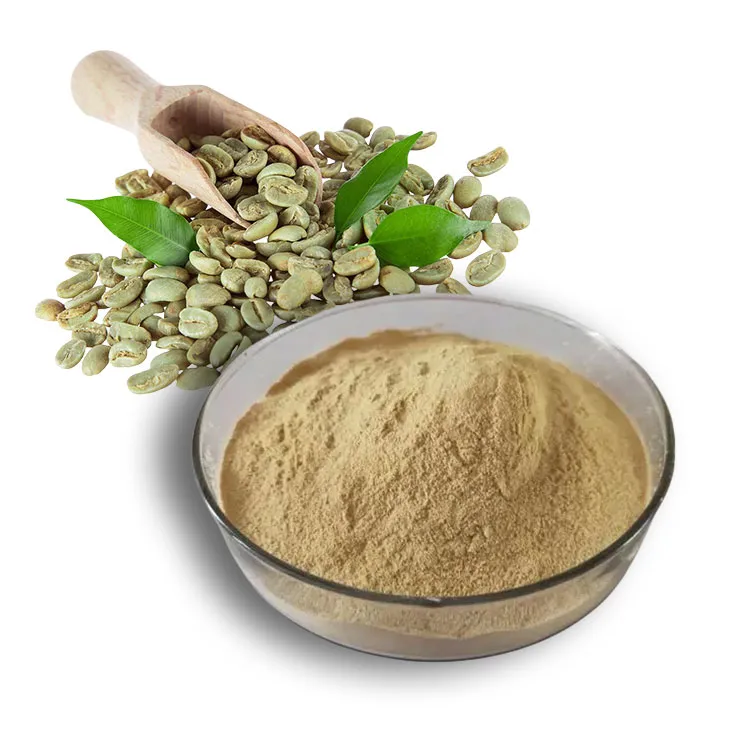
Green coffee bean Extract
2026-08-19
-
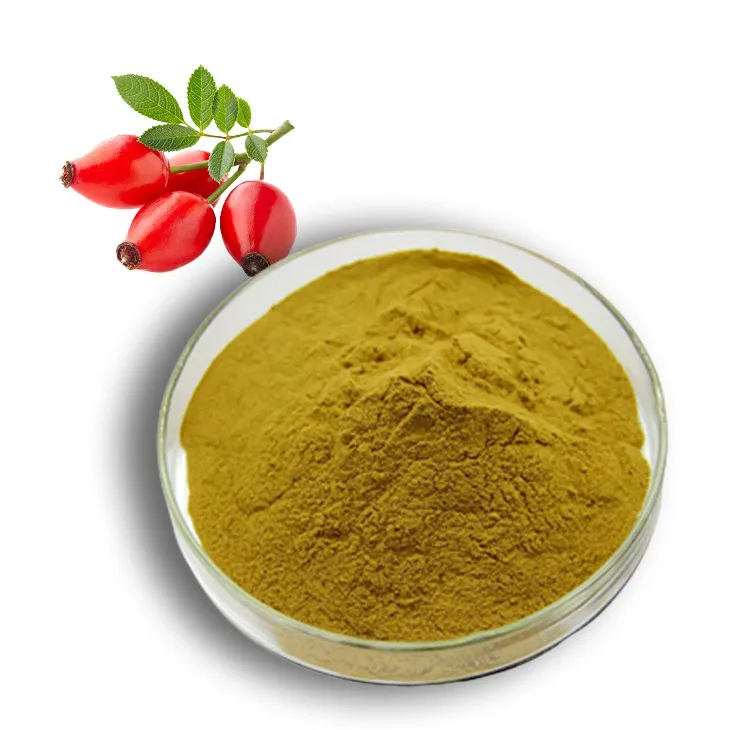
Rose Hip Extract
2026-08-19
-
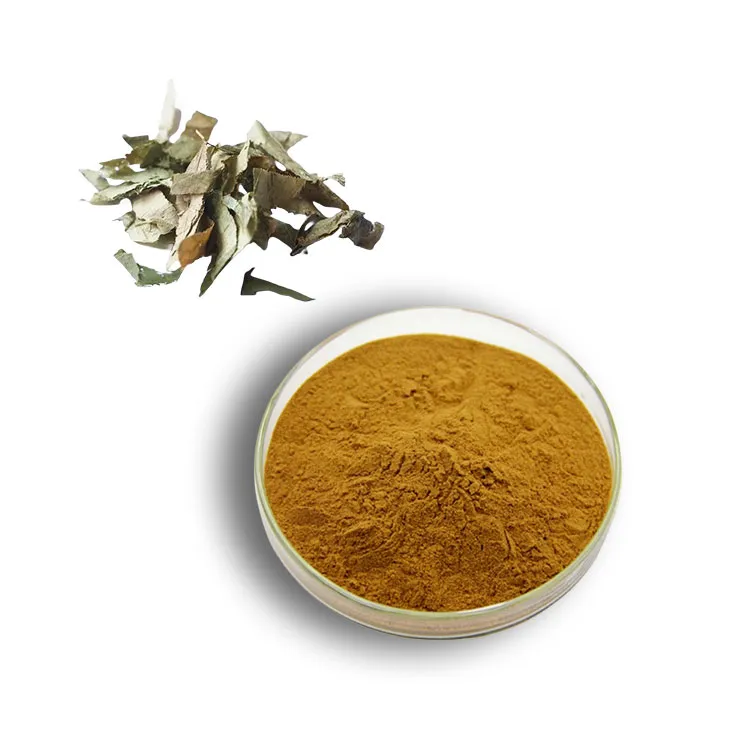
Epimedium extract powder
2026-08-19
-
Gynostemma pentaphyllum extract
2026-08-19
-
Acerola Extract
2026-08-19
-
Nutmeg Extract
2026-08-19
-
Purple Sweet Potato Extract
2026-08-19
