- 0086-571-85302990
- [email protected]




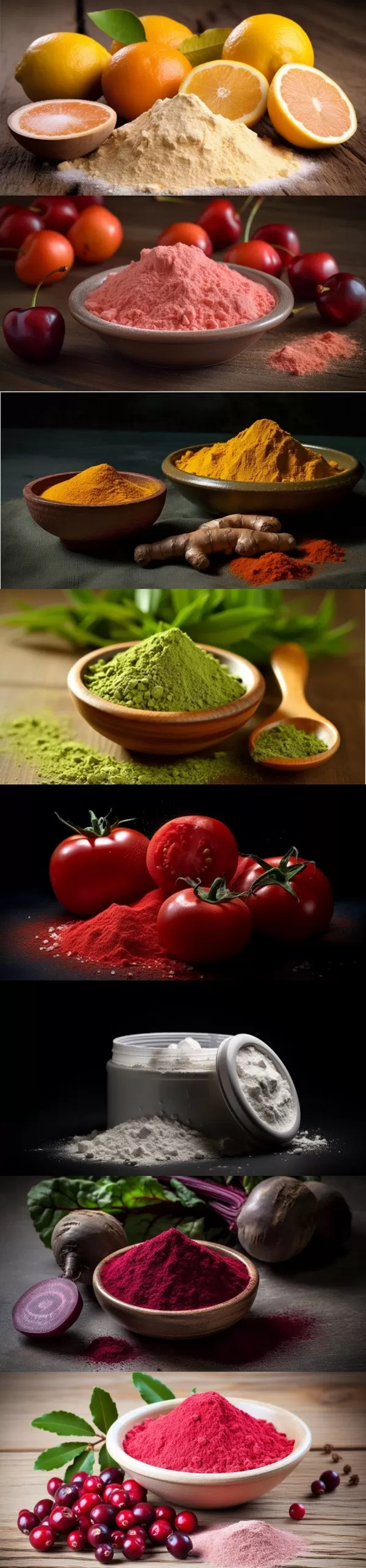

What agreements are involved in contract manufacturing plant extract?
2026-08-14
Contract manufacturing of plant extracts has become the standard way for supplement brands, food companies and cosmetics makers to bring botanical ingredients to market without building their own factories. But before a single batch is produced, both sides need to agree on a set of documents that define what will be made, at what quality, at what price, and who owns the result. For anyone new to this business, the number of agreements involved can be confusing. This article walks through the main contracts you are likely to encounter when working with a plant extract manufacturer, and what each one actually does.
1. Non-Disclosure Agreement (NDA)
The NDA is usually the first document signed, and it protects the confidential information you share before and during production. This includes your formula, extraction parameters, target specifications, pricing details and any proprietary process notes. A well-drafted NDA states what counts as confidential, how long the obligation lasts, and what happens if the information is leaked.
It is worth understanding the limits of an NDA. It prevents a manufacturer from handing your formula to a third party, but it does not by itself control how the manufacturer uses the information internally, whether they can develop a similar product for another client, or what happens when the relationship ends. For that reason, the NDA is best treated as the entry-level document, not the only one you need.
2. Contract Manufacturing Agreement
The contract manufacturing agreement is the core document of the whole engagement. It sets out exactly what is being produced, the product specifications and standards, the quantity and delivery schedule, the price and payment terms, and the responsibilities of each party. Unlike a simple purchase order, which covers a single transaction, this agreement governs the ongoing relationship and should be signed before production begins.
Key clauses to look for include the scope of work, the raw material sourcing responsibility, the acceptance criteria for finished goods, packaging and labeling requirements, and the terms for changes to specifications. A clear agreement prevents most of the disputes that arise later, because both sides know in writing what was promised.
3. Quality Agreement
In the plant extract industry, quality is not optional, and a quality agreement is where the standards are locked in. This document defines the testing methods, the specifications for each parameter, the sampling plan, and the responsibilities for product release. It also covers how the manufacturer handles deviations, out-of-specification results, and customer complaints.
A serious manufacturer will back this up with real capability. When you evaluate a plant extract supplier, it pays to ask about their laboratory equipment, their clean production area, and their certifications. For example, a manufacturer operating a 100,000-class clean production area with an independent laboratory equipped with GC, HPLC and UV instruments, and holding certifications such as ISO22000, BRCGS, SGS-GMP, ISO9001, HALAL and Kosher, is able to document quality in a way that smaller operations cannot.
4. Supply Agreement
A supply agreement is often signed alongside the manufacturing agreement when the buyer needs a guaranteed, ongoing source of a specific ingredient. It typically includes minimum purchase quantities, supply forecasts, pricing and volume-based discounts, and lead times. For brands that depend on a steady flow of raw material, this agreement provides the security that the manufacturer will reserve capacity and keep the pipeline full.
5. Toll Processing Agreement
Toll processing is a different model that deserves its own agreement. In this arrangement, the customer supplies the raw botanical material and pays the manufacturer a fee to process it into an extract. The customer keeps ownership of the material and the finished product, while the manufacturer provides the equipment, labor and technical expertise. This model suits companies that already have a source of raw herbs but do not want to invest in extraction equipment.
The toll processing agreement must clearly state the yield expectations, the handling of the raw material, the processing parameters, and what happens to any by-products. Because ownership stays with the customer, the agreement also needs to define how the finished extract is collected, tested and released.
6. Intellectual Property and Exclusivity Clauses
Intellectual property is where many buyers make their biggest mistake. If you bring your own formula, the agreement must state in writing that the formula is your property, that the manufacturer produces it under license, and that the license ends when the contract ends. If the manufacturer develops a formula for you, you need to decide whether it becomes your property or shared intellectual property, and put that decision in writing.
Exclusivity is a related but separate point. It is reasonable to ask a manufacturer not to sell your specific formula to a competitor, but demanding exclusivity over an entire botanical category is usually unrealistic and will be rejected. The practical approach is to negotiate exclusivity on the specific formula and dosage form, which protects your product without strangling the manufacturer's other business.
7. Regulatory and Documentation Agreements
Plant extracts sold into food, supplements and cosmetics are subject to regulation, and the paperwork matters as much as the product. Export registration, certificates of analysis, and documentation for regulatory submissions should all be covered in your agreements. A manufacturer with export experience can provide the documents needed for global submissions, which saves buyers a great deal of time when entering new markets.
This is one reason many international buyers choose a plant extract factory with a track record of exporting. A company that has supplied markets in Europe, the United States, South Korea and Russia for years will already have the documentation systems in place, and its experience with regulatory requirements reduces the risk of customs or compliance problems.
How to Approach the Agreement Process
The practical advice from experienced buyers is to stage your disclosure. At first contact, you do not need to share the full formula. A general description of the product is enough to get a quotation. The precise ratios and process details should only go on the table after the NDA and the manufacturing agreement are in place. This protects you during the early evaluation phase.
It is also wise to plan for the exit before you start. Ask how your formula and batch records will be handled if the relationship ends, and make sure you will have access to the documentation you need to transfer production elsewhere. A clean documentation package, including the formula sheet, process parameters and finished-product specifications, makes a future transition possible. Relying on the manufacturer's institutional memory does not.
Conclusion
Contract manufacturing of plant extracts involves more than a single contract. The NDA protects your confidential information, the manufacturing agreement defines the production terms, the quality agreement locks in the standards, the supply agreement secures your pipeline, and the toll processing agreement covers the case where you supply your own raw material. Intellectual property, exclusivity and regulatory documentation complete the picture.
The right set of agreements, signed with a manufacturer that has the facilities, certifications and export experience to back them up, turns a risky process into a dependable one. When you are ready to discuss a project, a manufacturer with over twenty years of experience in botanical ingredients, vertically integrated production and a full range of quality certifications is a strong place to start.
TAGS:
- ▶ Hesperidin
- ▶ Citrus Bioflavonoids
- ▶ Plant Extract
- ▶ lycopene
- ▶ Diosmin
- ▶ Grape seed extract
- ▶ Sea buckthorn Juice Powder
- ▶ Fruit Juice Powder
- ▶ Hops Extract
- ▶ Artichoke Extract
- ▶ Mushroom extract
- ▶ Astaxanthin
- ▶ Green Tea Extract
- ▶ Curcumin
- ▶ Horse Chestnut Extract
- ▶ Other Product
- ▶ Boswellia Serrata Extract
- ▶ Resveratrol
- ▶ Marigold Extract
- ▶ Grape Leaf Extract
- ▶ New Product
- ▶ Aminolevulinic acid
- ▶ Cranberry Extract
- ▶ Red Yeast Rice
- ▶ Red Wine Extract
- ▶ blog
-
Cactus Extract
2026-08-14
-
Sugarcane Extract
2026-08-14
-
American Ginseng Root Extract
2026-08-14
-
Bamboo Leaf extract
2026-08-14
-
Pomegranate Extract
2026-08-14
-
Cat Claw Extract
2026-08-14
-
Berberis aristata Extract
2026-08-14
-
Giant Knotweed Extract
2026-08-14
-
Beta Carotene
2026-08-14
-
Tormentil Extract
2026-08-14