We have five factories and 23 years of experience in plant extracts
- 0086-571-85302990
- [email protected]






What active compounds are in sugarcane extract?
2026-08-14
Related Product
Sugarcane Extract
We are the leading sugarcane extract manufacturer and also the leading supplier and exporter of sugarcane extract. We specialize in providing natural and organic sugarcane extract to meet your needs
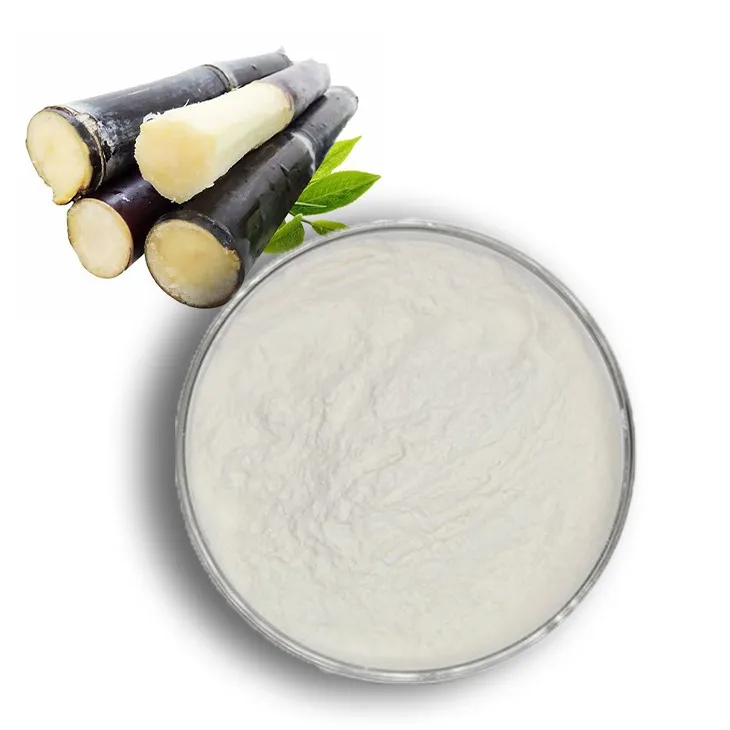
Sugarcane has been grown for thousands of years, yet most people only know it as the source of table sugar. In reality, the plant is far more interesting. When the stalks of Saccharum officinarum are processed into a concentrated botanical ingredient, the result is a complex mixture of sugars, phenolic acids, flavonoids, fatty alcohols and minerals. This is why sugarcane extract has found its way into food, beverages, skin care products and pharmaceuticals. Below is a closer look at the main active compounds that give this extract its value.
Natural Sugars: The Foundation of the Extract
The most obvious components of Sugarcane Extract are its natural sugars. Fresh cane juice contains roughly 70 to 75 percent water, 13 to 15 percent sucrose and 10 to 15 percent fiber. Sucrose is the dominant sugar, but glucose and fructose are also present in smaller amounts. These sugars provide the clean, familiar sweetness that makes Sugarcane Extract a practical choice for sweetening formulations and enhancing flavor in the food and beverage industry. Because the sugars come from a natural botanical source, the extract fits well into product lines that emphasize plant-based ingredients.
Phenolic Acids: The Antioxidant Workhorses
Beyond sweetness, sugarcane carries a meaningful load of phenolic acids. Analytical studies of cane juice have identified compounds such as chlorogenic acid, caffeic acid, ferulic acid, sinapic acid and other hydroxycinnamic acid derivatives. These molecules are well known for their antioxidant activity, which helps protect formulations from oxidation and supports the growing consumer demand for ingredients with a natural antioxidant profile. The presence of these phenolic acids is one reason unrefined sugarcane products such as molasses and brown sugar are valued for their nutritional content.
Flavonoids: Apigenin, Luteolin and Tricin
Sugarcane is also a genuine source of flavonoids. Among the flavones identified in cane juice are apigenin, luteolin and tricin, with tricin derivatives typically present in the highest concentration. In addition to these free flavones, the plant contains a range of flavone glycosides, including orientin, vitexin, schaftoside and swertisin. Flavonoids are widely studied for their antioxidant and anti-inflammatory properties, which makes them attractive to formulators working on wellness-oriented products. For manufacturers, the flavonoid content is a useful marker of extract quality and botanical authenticity.
Policosanols and Fatty Alcohols from Cane Wax
A less familiar but highly valuable group of compounds comes from the waxy cuticle that coats the surface of sugarcane stalks. This wax, which typically makes up only a small fraction of the plant, is a commercial source of long-chain fatty alcohols known as policosanols. Octacosanol is the most abundant of these alcohols and can account for a large share of the total policosanol content. Sugarcane wax also yields long-chain fatty acids, phytosterols such as sitosterol and stigmasterol, and higher terpenoids. These lipid-soluble components are of particular interest to the nutraceutical and cosmetic industries, where they are used in formulations aimed at cholesterol support and skin conditioning.
Vitamins and Minerals
Sugarcane Extract is not only about organic compounds. The plant accumulates a variety of minerals from the soil, most notably potassium, along with smaller amounts of calcium, magnesium and iron. These minerals contribute to the extract's nutritional value and help explain its traditional use as a refreshing, energy-restoring drink in many tropical regions. For beverage and functional food manufacturers, this mineral profile adds a subtle nutritional angle that complements the extract's sweetness.
Why Standardization Matters
Because sugarcane contains so many different compounds, the quality of an extract depends heavily on how it is produced and tested. Reputable suppliers use high-performance liquid chromatography (HPLC) and spectrophotometry to verify the content of key markers and to ensure batch-to-batch consistency. A well-standardized extract gives formulators predictable performance, whether they are developing a beverage, a supplement or a cosmetic product. This is why buyers should always ask about the analytical methods and certificates behind the material they purchase.
Choosing a Reliable Source
The value of sugarcane extract ultimately comes down to the quality of its production. As a professional sugarcane extract supplier, Hangzhou Greensky Biological Tech. Co., Ltd. has more than 20 years of experience in developing and producing active botanical ingredients. The company operates its own production facilities with a 100,000-class clean area, maintains an independent laboratory equipped with GC, HPLC and UV instruments, and holds certifications including ISO22000, BRCGS, Ecocert Organic Standard, SGS-GMP, ISO9001, HALAL and Kosher. If you are looking for a dependable plant extract partner, Greensky's vertically integrated operation covers research, production and export under one roof.
From natural sugars and phenolic acids to flavonoids, policosanols and minerals, sugarcane extract is far more than a sweetener. Understanding these active compounds helps buyers select the right specification for their application and work with a supplier that can deliver consistent, well-tested material. For more information about specifications, testing and availability, contact the Greensky team directly.
TAGS:
FAQ
- ▶ Hesperidin
- ▶ Citrus Bioflavonoids
- ▶ Plant Extract
- ▶ lycopene
- ▶ Diosmin
- ▶ Grape seed extract
- ▶ Sea buckthorn Juice Powder
- ▶ Fruit Juice Powder
- ▶ Hops Extract
- ▶ Artichoke Extract
- ▶ Mushroom extract
- ▶ Astaxanthin
- ▶ Green Tea Extract
- ▶ Curcumin
- ▶ Horse Chestnut Extract
- ▶ Other Product
- ▶ Boswellia Serrata Extract
- ▶ Resveratrol
- ▶ Marigold Extract
- ▶ Grape Leaf Extract
- ▶ New Product
- ▶ Aminolevulinic acid
- ▶ Cranberry Extract
- ▶ Red Yeast Rice
- ▶ Red Wine Extract
- ▶ blog
Recommended Products
-
Tamarind extract powder
2026-08-14
-
Lemon Balm Extract
2026-08-14
-
Selenium yeast
2026-08-14
-
Gynostemma pentaphyllum extract
2026-08-14
-
Maitake Mushroom Extract
2026-08-14
-
Ginger Extract
2026-08-14
-
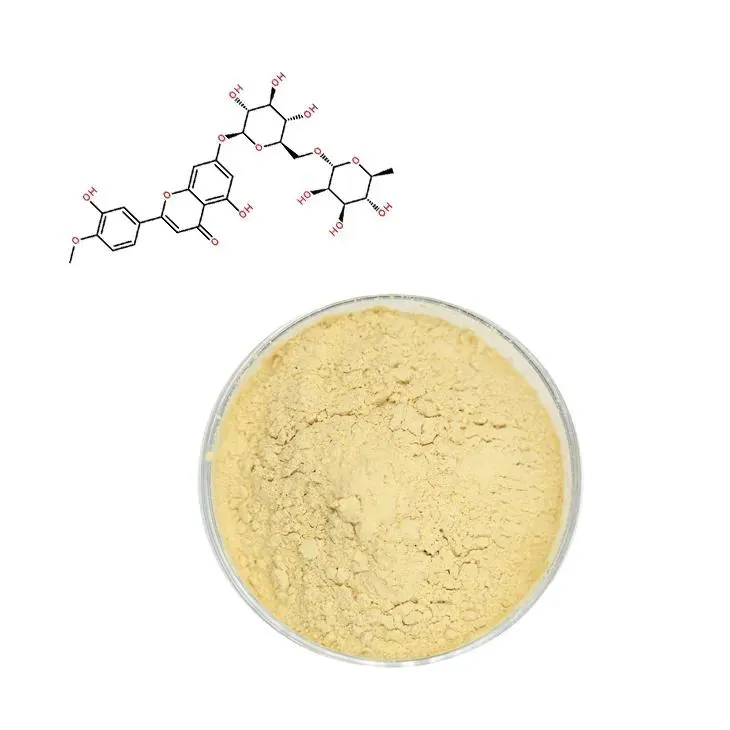
Diosmin
2026-08-14
-
Kidney Bean Extract
2026-08-14
-
Sea buckthorn Juice Powder
2026-08-14
-
melatonin
2026-08-14
Get a Quote
