We have five factories and 23 years of experience in plant extracts
- 0086-571-85302990
- [email protected]






Is high purity stevia extract suitable for clean label products?
2026-08-18
Related Product
Stevia Extract
We are the leading stevia extract manufacturer and also the leading supplier and exporter of stevia extract. We specialize in providing natural and organic stevia extract to meet your needs.
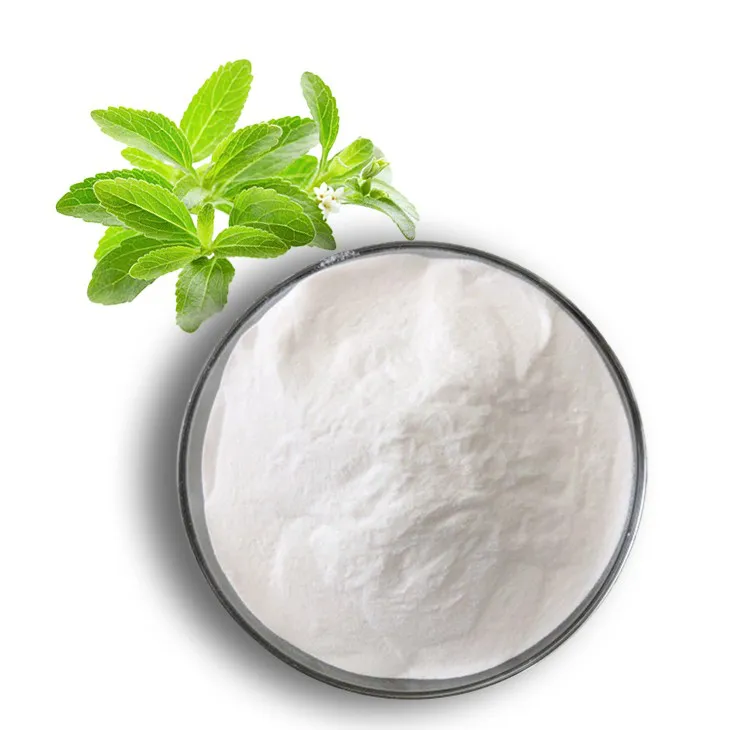
As shoppers scan ingredient labels with growing scepticism, "clean label" has moved from a marketing trend to a practical requirement across food, beverage and supplement categories. Clean label usually means short, recognisable ingredients, no artificial additives, and transparency about what goes into a product. For formula developers tasked with cutting sugar, the obvious tension is how to deliver sweetness without resorting to synthetic sweeteners that buyers do not trust. One answer that keeps coming up is stevia, and more specifically high purity Stevia Extract. The question many R&D and sourcing teams are asking is straightforward: is a high purity extract genuinely suitable for clean label products?
The short answer is yes, provided you understand what "high purity" means, which glycoside you are working with, and how the extract fits your regulatory and formulation picture. This article walks through each of those points so you can make a confident sourcing decision.
What high purity Stevia Extract actually is
High purity Stevia Extract is a concentrated sweetener derived from the leaves of Stevia rebaudiana. The leaves contain a family of compounds called steviol glycosides, which are responsible for the intense sweetness. Rebaudioside A is the most common, while Rebaudioside M and Rebaudioside D are valued for their cleaner, less bitter taste profile. In a high purity extract, a single glycoside or a defined blend is isolated to a very high concentration, typically around 95% or above, rather than the mixed, lower-purity fractions found in crude leaf powders.
The switch from "stevia powder" to "high purity stevia extract" is not a cosmetic difference. Purity drives consistency: every batch delivers the same sweetness, the same taste and the same regulatory standing. It also matters for taste, because many of the bitter or lingering off-notes associated with stevia come from the less-refined glycosides that a high purity process strips away.
Why purity is the bridge to clean label
There are two reasons high purity matters if your goal is a clean label. The first is regulatory. Most major food authorities do not grant blanket approval to stevia as a whole; they approve specific high purity steviol glycosides. The United States Food and Drug Administration, the European Food Safety Authority and the joint FAO/WHO committee JECFA have all based their safety assessments on extracts of defined purity. If you want to declare stevia on a label and stand behind the claim in any regulated market, working with a high purity grade is the practical route.
The second is label honesty. A clean label product should be able to list its ingredients with confidence. A high purity extract lets you write "stevia leaf extract" or "steviol glycosides" on the label knowing the raw material is consistent and verifiable, and it gives you access to certifications such as organic, Halal and Kosher that a loosely defined crude product cannot reliably carry.
Real-world formulation behaviour
Impressive as the marketing claims are, what formula developers actually need is a sweetener that behaves in production. High purity stevia extract performs well here. Because the sweetening power of steviol glycosides is hundreds of times higher than sugar, very small quantities are needed, which keeps the ingredient declaration clean and the carbohydrate contribution negligible.
It is also heat stable, so it holds its sweetness through pasteurisation, UHT sterilisation and baking steps where some sweeteners break down. It tolerates a wide pH range, which makes it workable in acidic beverages and fermented dairy alike. And unlike sugar, it does not ferment in the gut or trigger the same glycaemic response, which is exactly what brands in the low-sugar and diabetic-friendly space are looking for.
Where it fits best in the product portfolio
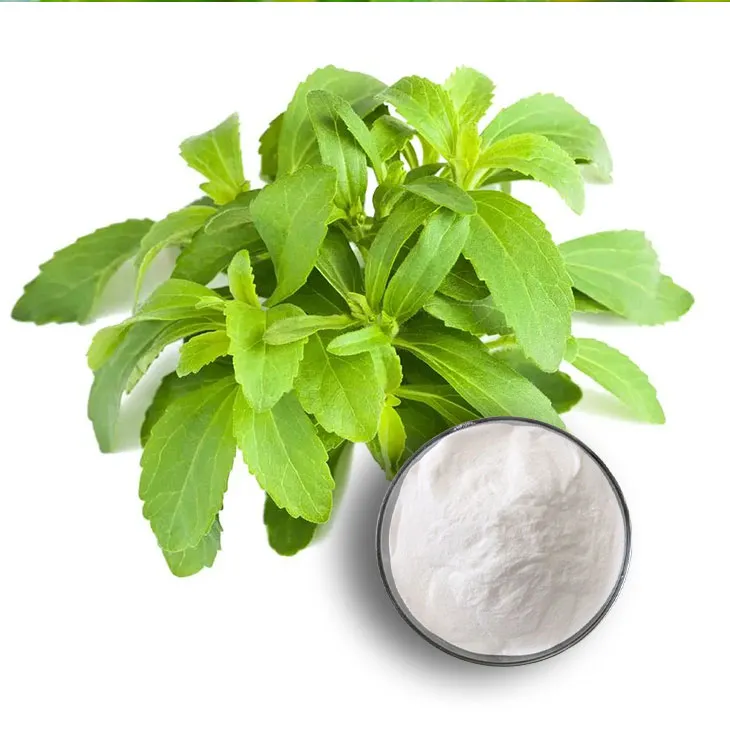
The applications have widened well beyond tabletop packets. Carbonated and still beverages, flavoured waters, iced teas and ready-to-drink health drinks are the most common homes for stevia, because liquid systems suit a water-soluble extract and the zero-calorie positioning is a natural fit. Dairy products such as flavoured yoghurt and protein shakes also benefit, since the extract remains stable in acidic fermented matrices. Bakery and confectionery are workable too, with the caveat that stevia does not caramelise or provide bulk, so formulators pair it with fibres or other bulking agents to preserve texture and browning.
In supplements and functional foods, high purity stevia is especially popular. Protein powders, effervescent tablets, gummies and herbal formulations all need sweetness that aligns with health-forward positioning, and stevia delivers it without compromising keto, low-carb or sugar-free claims.
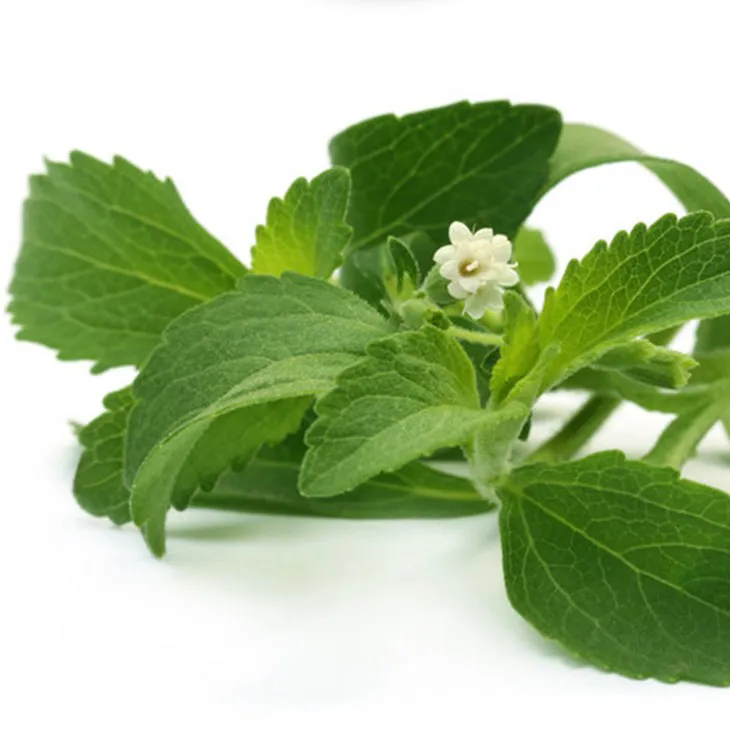
What to look for when sourcing
Whether high purity stevia extract is right for your clean label product depends heavily on who you buy it from. Several checks protect your formulation and your label. First, ask for a full certificate of analysis for every batch, not a summary, and confirm the glycoside content is stated as a specific value rather than a vague range. Second, verify the supplier's plant operates under food-grade and GMP conditions, and look for independent certifications that back the claim. Third, check that the supplier can provide the regulatory documentation needed for your target export markets.
Greensky, a plant extract manufacturer with over two decades of production experience, supplies high purity stevia extract alongside a broad catalogue of botanical ingredients. Its production facilities operate under ISO22000 and GMP standards and hold BRCGS, Ecocert Organic, HALAL and Kosher certifications, which gives food and supplement brands a solid base for building a compliant, believable clean label claim. If you are evaluating high purity stevia extract and want a supplier that can back its specification with documentation, requesting a sample and a full certificate of analysis is the right place to start.
A clean label verdict
So is high purity stevia extract suitable for clean label products? For most sugar-reduction projects, the answer is clearly yes. It delivers real sweetness from a recognisable plant source, keeps the calorie and glycaemic contribution minimal, survives real production processes, and aligns with the transparency today's buyers demand. The defining variable is the extract itself: its purity, its consistency and the documentation behind it. Choose a stevia extract supplier that treats purity and certification as non-negotiable, and you can launch reformulated products with a label that is as clean as the story behind it.
TAGS:
FAQ
- ▶ Hesperidin
- ▶ Citrus Bioflavonoids
- ▶ Plant Extract
- ▶ lycopene
- ▶ Diosmin
- ▶ Grape seed extract
- ▶ Sea buckthorn Juice Powder
- ▶ Fruit Juice Powder
- ▶ Hops Extract
- ▶ Artichoke Extract
- ▶ Mushroom extract
- ▶ Astaxanthin
- ▶ Green Tea Extract
- ▶ Curcumin
- ▶ Horse Chestnut Extract
- ▶ Other Product
- ▶ Boswellia Serrata Extract
- ▶ Resveratrol
- ▶ Marigold Extract
- ▶ Grape Leaf Extract
- ▶ New Product
- ▶ Aminolevulinic acid
- ▶ Cranberry Extract
- ▶ Red Yeast Rice
- ▶ Red Wine Extract
- ▶ blog
Recommended Products
-
Hawthorn Extract
2026-08-18
-
Ginger Extract
2026-08-18
-
Saffron Extract Powder
2026-08-18
-
Diosmin
2026-08-18
-
Aguaje Extract
2026-08-18
-
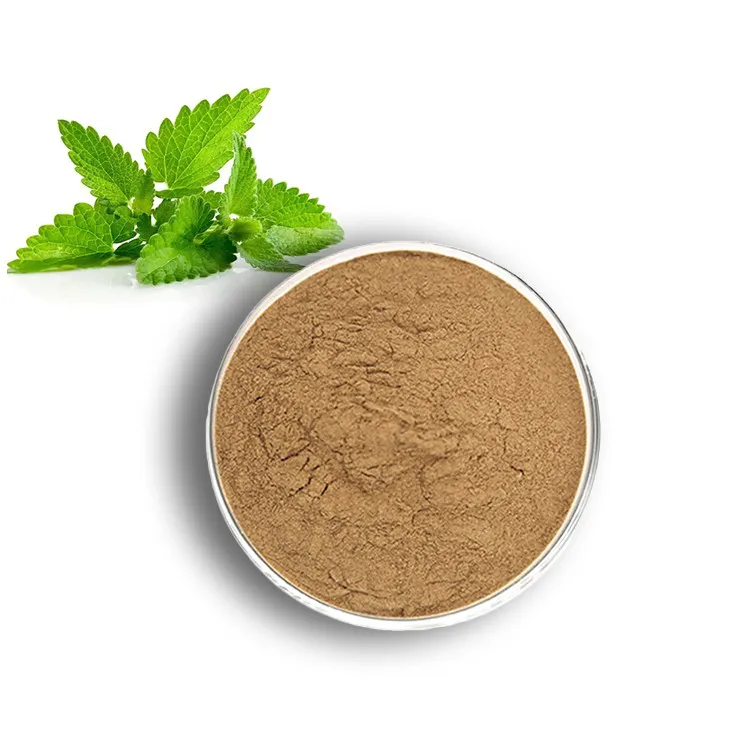
Lemon Balm Extract
2026-08-18
-
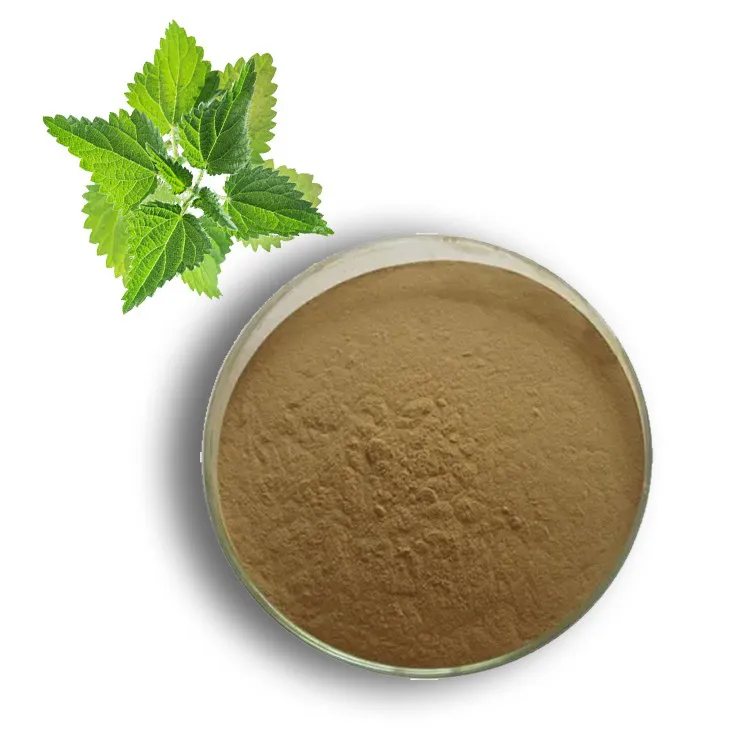
Nettle leaf extract
2026-08-18
-
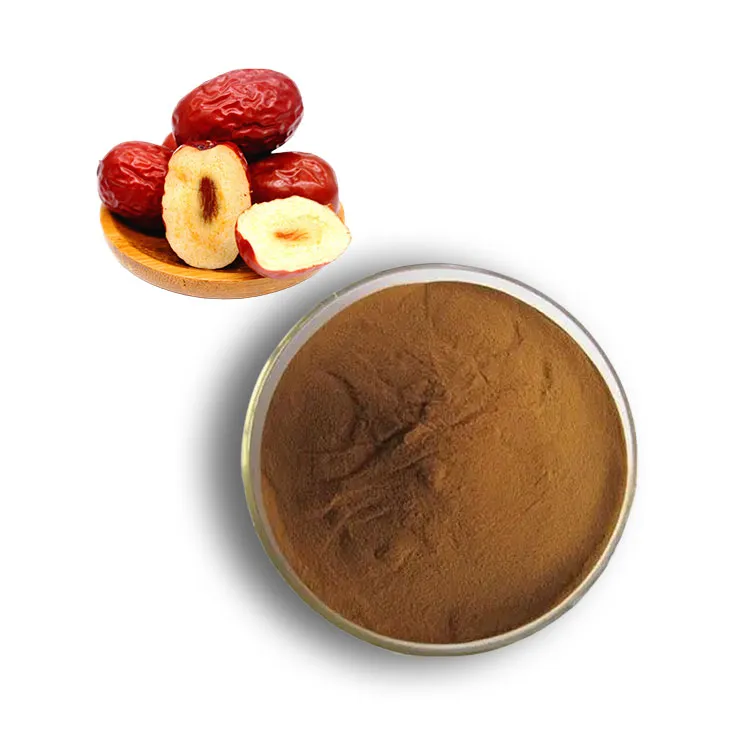
Red Date Extract
2026-08-18
-
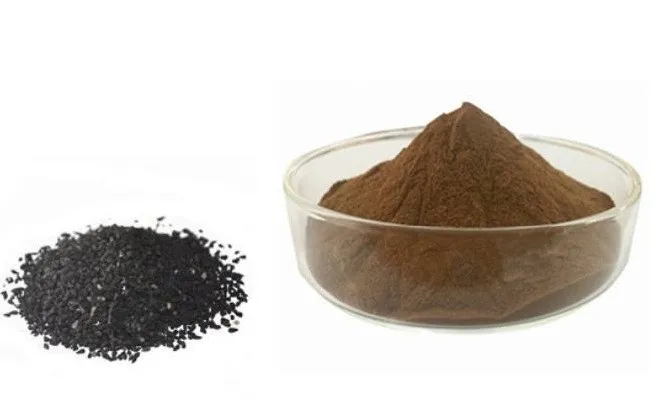
Black Seed Extract
2026-08-18
-
Cat Claw Extract
2026-08-18
Get a Quote
