- 0086-571-85302990
- [email protected]






Is a 500 mg lycopene supplement the best dosage?
2026-08-14
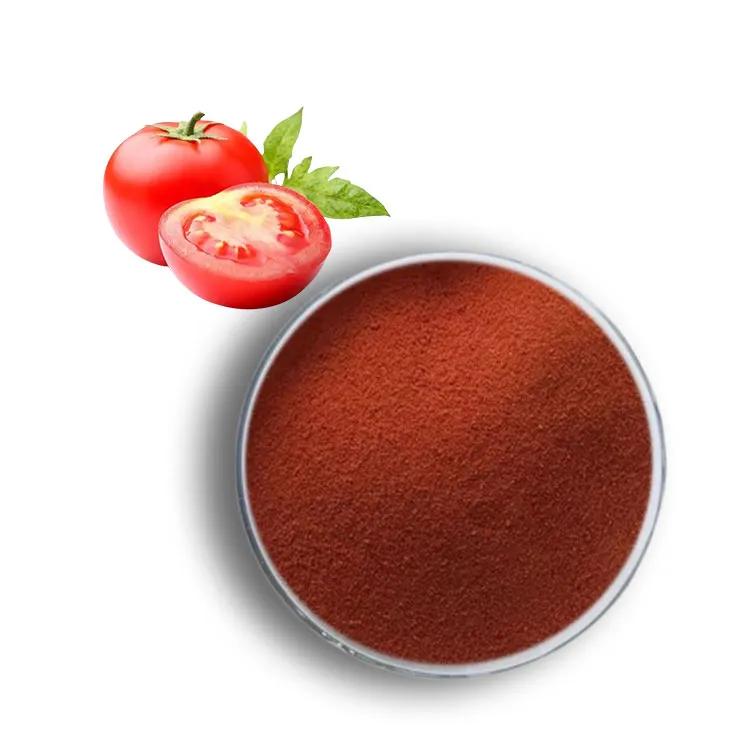
If you have browsed the supplement aisle recently, you have probably seen tomato-based capsules labeled "500 mg Lycopene" and wondered whether that number is the dose you should be taking. It is a fair question, because the answer is not as straightforward as the label makes it look. The short version is this: a 500 mg capsule is rarely 500 mg of pure Lycopene, and the dose that clinical research actually supports is far lower than most people expect. Understanding the difference between the two numbers is the key to choosing a lycopene supplement that works.
What "500 mg" on a Lycopene label really means
The first thing to understand is that lycopene is almost never sold as a pure compound. What you see on a label is usually the total weight of the capsule contents, which is typically a tomato extract, an oleoresin, or a beadlet blend that carries lycopene at a certain concentration. A capsule that weighs 500 mg might contain only 5 to 50 mg of actual lycopene, depending on the standardization ratio. A 10% extract, for example, delivers roughly 50 mg of lycopene from a 500 mg capsule, while a 5% extract delivers only about 25 mg. In other words, the "500 mg" figure tells you how much material is in the capsule, not how much active lycopene you are actually getting.
This is why the most reliable way to compare products is to look for the standardized lycopene content, usually expressed as a percentage on the specification sheet, and to check how many milligrams of pure lycopene each serving provides. Reputable manufacturers publish this information because they know that buyers in the supplement and functional food industry are comparing active content, not total fill weight.
What dose does clinical research actually use?
Once you strip away the marketing, the clinical picture is remarkably consistent. Research on lycopene has repeatedly used doses of 15 to 30 mg of pure lycopene per day for meaningful health outcomes. Studies on cardiovascular markers and LDL oxidation have typically used 8 to 25 mg daily, trials on oxidative stress have used 10 to 30 mg daily, and prostate health research has centered on 15 to 30 mg daily. Even the most generous clinical protocols rarely exceed 30 mg of pure lycopene per day for long-term use.
To put that in perspective, a typical serving of raw tomato contains roughly 2 to 4 mg of lycopene. Reaching the 15 to 30 mg range through diet alone would mean eating six to fifteen servings of tomatoes every day, which is why supplementation exists in the first place. But it also means that a product delivering 50 mg or more of pure lycopene per serving is well above what the evidence supports, and the extra amount is unlikely to provide additional benefit.
Matching the dose to your health goal
Because lycopene is fat-soluble and its absorption varies, the "best" dose depends on what you are trying to support. The most commonly studied benefits of lycopene extract fall into three areas:
- Cardiovascular health. Clinical trials have used 8 to 25 mg of lycopene daily to reduce LDL oxidation and support healthy blood pressure, with benefits typically appearing after 8 to 12 weeks of consistent use.
- Immune support. Lycopene's antioxidant activity helps neutralize reactive oxygen species that can burden the immune system. Doses in the 10 to 30 mg range are the most commonly studied for this purpose.
- Eye protection. Lycopene concentrates in ocular tissue and helps defend the eyes against oxidative damage. Research on carotenoids for eye health generally supports daily doses in the 10 to 20 mg range.
For most healthy adults taking lycopene for general antioxidant support, a daily dose of 10 to 20 mg of pure lycopene is a practical and conservative starting point. Those with specific cardiovascular or prostate concerns may reasonably use 25 to 30 mg daily under professional guidance. Very few situations call for more than 30 mg of pure lycopene per day, and none of the clinical literature supports 500 mg of pure lycopene as a target.
Bioavailability matters more than the number on the label
A high dose on paper means little if the lycopene is not absorbed. Because lycopene is fat-soluble, taking it with a meal that contains healthy fats significantly improves absorption. The form of the ingredient also matters: cis-isomer lycopene and oleoresin-based extracts are generally absorbed more efficiently than poorly formulated powders. This is one reason a well-formulated capsule with a moderate dose can outperform a poorly formulated product with a higher label number.
For formulators and buyers, this is where ingredient quality becomes the deciding factor. A reliable supplier can provide a certificate of analysis showing the exact lycopene content, the extraction method, and the heavy metal and microbiological results. When you are building a supplement or functional food product, the active content per serving, the standardization ratio, and the manufacturing quality matter far more than the total capsule weight printed on the label.
Is lycopene safe at higher doses?
Lycopene has an excellent safety profile, and no tolerable upper intake level has been established by regulatory authorities. The most notable effect of very high intake is lycopenemia, a harmless orange-yellow tint to the skin that resolves when the dose is reduced. Clinical trials have used doses up to 75 mg daily for short periods without serious adverse events. That said, the dose-response curve shows a ceiling effect above roughly 30 mg daily, where additional lycopene does not proportionally raise blood or tissue levels. More is not better once you are past the effective range.
How to choose a quality lycopene supplement
Whether you are a consumer comparing brands or a manufacturer sourcing raw material, the same principles apply. Look for a product that states the standardized lycopene content per serving, not just the total capsule weight. Check that the lycopene comes from a reputable source with documented quality control. And prefer suppliers with recognized certifications and independent laboratory testing, because those are the signals that the active content on the spec sheet matches what is actually in the product.
For brands and formulators, working with an experienced lycopene manufacturer simplifies this process. A manufacturer with vertical integration controls the raw material, the extraction, and the quality testing under one roof, which makes it far easier to guarantee consistent active content batch after batch. This is the standard that serious supplement brands look for when they select their ingredient partners.
The bottom line on 500 mg lycopene
So, is a 500 mg lycopene supplement the best dosage? The honest answer is that 500 mg is a label weight, not a lycopene dose. What matters is how many milligrams of pure, standardized lycopene each serving delivers, and the evidence points to 15 to 30 mg daily as the most effective range for most health goals. A capsule labeled 500 mg can be a perfectly good product if its standardized lycopene content falls in that range, but the number itself tells you very little. Read the active content, check the source, and choose a supplement backed by real quality control. That is how you get the dose that actually works.
- ▶ Hesperidin
- ▶ Citrus Bioflavonoids
- ▶ Plant Extract
- ▶ lycopene
- ▶ Diosmin
- ▶ Grape seed extract
- ▶ Sea buckthorn Juice Powder
- ▶ Fruit Juice Powder
- ▶ Hops Extract
- ▶ Artichoke Extract
- ▶ Mushroom extract
- ▶ Astaxanthin
- ▶ Green Tea Extract
- ▶ Curcumin
- ▶ Horse Chestnut Extract
- ▶ Other Product
- ▶ Boswellia Serrata Extract
- ▶ Resveratrol
- ▶ Marigold Extract
- ▶ Grape Leaf Extract
- ▶ New Product
- ▶ Aminolevulinic acid
- ▶ Cranberry Extract
- ▶ Red Yeast Rice
- ▶ Red Wine Extract
- ▶ blog
-
Angelica sinensis extract
2026-08-14
-
Kupilu Extract
2026-08-14
-
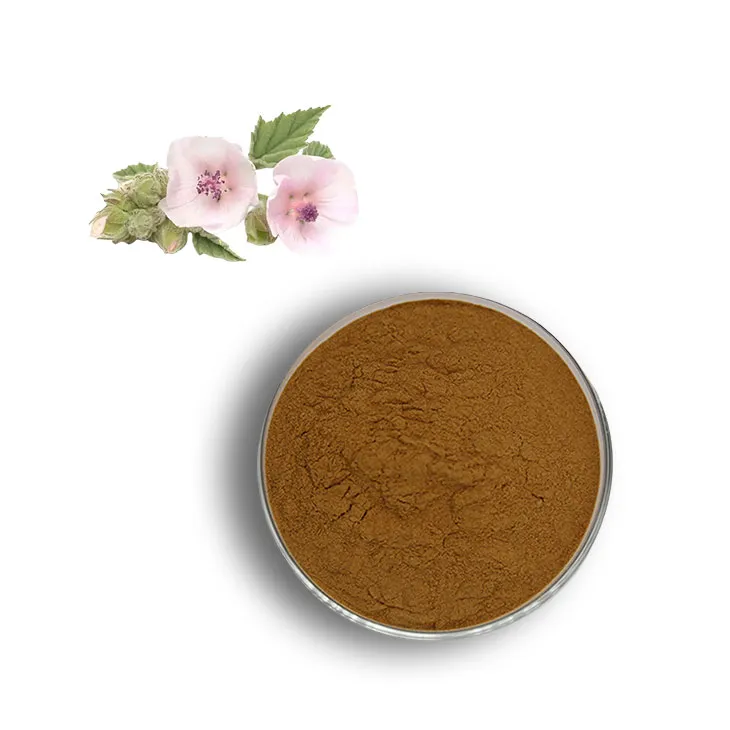
Medicinal Marshmallow Extract
2026-08-14
-
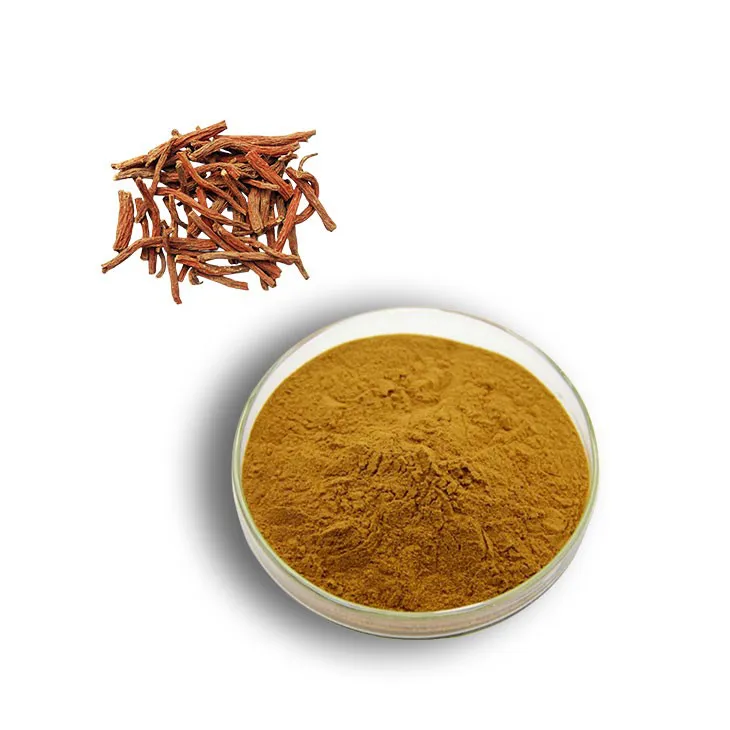
Dan Shen Root Extract/Salvia Root Extract
2026-08-14
-
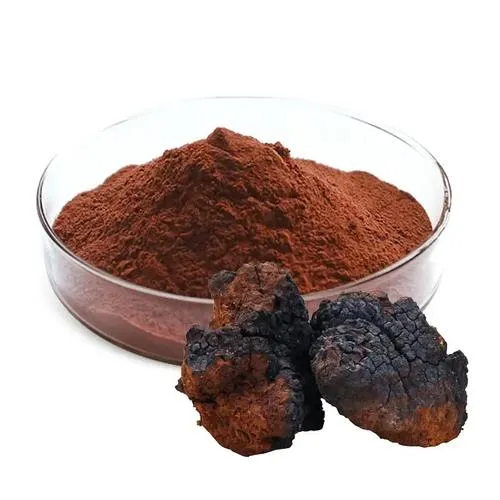
Chaga Mushroom Extract
2026-08-14
-
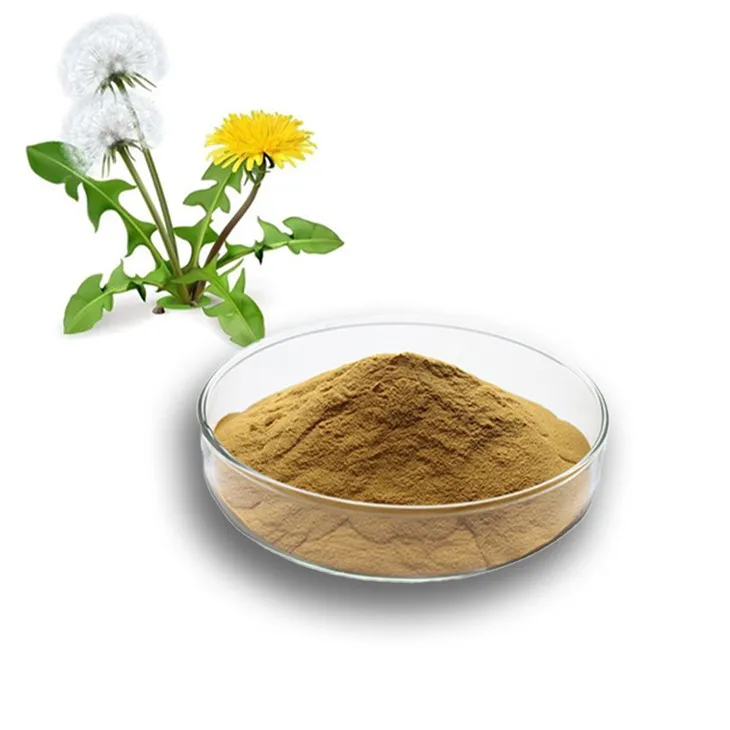
Dandelion Leaf Extract
2026-08-14
-
Diosmin
2026-08-14
-
Konjac Powder
2026-08-14
-
Giant Knotweed Extract
2026-08-14
-
Cocoa Extract
2026-08-14
