- 0086-571-85302990
- [email protected]






How is saponin extract standardized?
2026-08-18
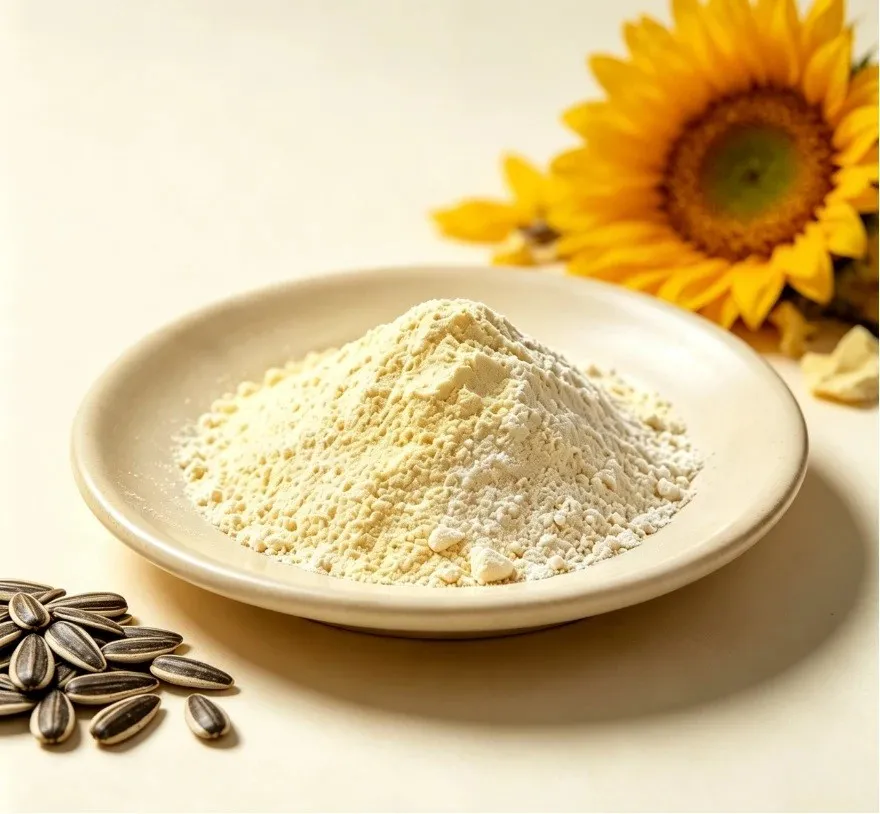
If you have ever bought a saponin extract from a supplier, you have probably noticed that every batch arrives with a certificate of analysis carrying a specification such as a minimum percent of total saponins or the content of a named marker compound. Those numbers are not decorative. They are the product of a careful process called standardization, and they are the main reason one batch behaves almost exactly like the next. This article explains what standardization really means for Saponin Extracts and the steps a qualified manufacturer follows to make sure the label is honest.
Saponins are naturally occurring glycosides found in a wide range of plants, from ginseng and honey locust to soybean, yucca, fenugreek and gynostemma. They all share a common chemical skeleton, but each plant produces its own signature mix of saponin molecules, and even the same plant can vary with harvest season, soil and processing. That natural variability is exactly why an unstandardized powder performs differently from lot to lot. Standardization is the set of techniques that pulls that variability under control so that the active content you measure in one drum matches the next.
The first step is defining a target. Saponin Extracts are standardized to one of two references: a specific marker compound (for example a named ginsenoside) or the total saponin content measured as a group. The marker is chosen because it is abundant, stable and representative of the rest of the saponin family in that plant. Once the marker is agreed, the manufacturer tests each batch against a certified reference standard and documents the result on the certificate of analysis.
Measuring the marker is harder than it sounds. Many saponins have little or no ultraviolet absorption, so a simple UV reading can miss them entirely or count the wrong molecules. Reliable labs therefore turn to separation-based methods such as high-performance liquid chromatography (HPLC), ultra-performance liquid chromatography and increasingly UPLC coupled to detectors that do not depend on UV absorption. For rapid screening, colorimetric methods such as the vanillin-sulfuric acid assay still serve as a practical way to estimate the total saponin content of a batch. More advanced suppliers will also run a chromatographic fingerprint of the full extract and compare it against a reference profile, which catches changes no single number would reveal.
A good method is only as trustworthy as its calibration. When a quantitative method is developed, it is validated for accuracy, precision, linearity, detection limits and robustness, and the batch measurement is tied back to a certified reference standard rather than an in-house guess. This is what turns a number on a certificate into a reproducible fact instead of a hopeful estimate.
Standardization does not stop at the analytical bench. The whole chain matters, starting with a consistent botanical source and an extraction process that is held to the same parameters batch after batch. Solvent choice, temperature and pH all shape the saponin profile that comes out, so a disciplined factory keeps these conditions under control and documents them. The plant extract manufacturers that supply consistent material are the ones that operate this way from raw material intake to finished powder.
Safety testing runs alongside the purity testing. A responsible certificate of analysis reports not only active content but also limits for heavy metals, residual solvents, microbial counts and, where relevant, pesticides. These building blocks of quality assurance mean that "standardized" describes a finished product that is both consistent and safe to use as a food or supplement ingredient, not just a powder with one marker to its name.
Underneath all of this sits good manufacturing practice. Facilities that follow GMP, and that can show certification such as ISO22000 or BRCGS, are far more likely to produce reliable results than those running ad hoc methods. This is the practical difference between buying from a dedicated functional-extract operation and buying from a reseller who never owns the process. When you are evaluating a plant extract supplier, ask for the certificate of analysis on several batches, check that the marker method is named, and confirm the reference standard behind the numbers.
At Greensky, standardization is built into every stage of production. The company operates an independent laboratory equipped with GC, HPLC and UV instruments, produces inside a 100,000-class clean area that meets food-grade requirements, and confirms each release against the documented specification. That attention to detail is why customers across Europe, the United States, South Korea and Russia keep coming back for consistent botanical ingredients. If you are sourcing saponin extract for your own products, the difference will show up first in the certificate and then in the performance of your formulation.
Standardization is ultimately about trust. It turns a variable natural material into a defined, repeatable ingredient, and it gives both the formulator and the consumer a concrete reason to believe that what is on the label is what is in the container.
TAGS:
- ▶ Hesperidin
- ▶ Citrus Bioflavonoids
- ▶ Plant Extract
- ▶ lycopene
- ▶ Diosmin
- ▶ Grape seed extract
- ▶ Sea buckthorn Juice Powder
- ▶ Fruit Juice Powder
- ▶ Hops Extract
- ▶ Artichoke Extract
- ▶ Mushroom extract
- ▶ Astaxanthin
- ▶ Green Tea Extract
- ▶ Curcumin
- ▶ Horse Chestnut Extract
- ▶ Other Product
- ▶ Boswellia Serrata Extract
- ▶ Resveratrol
- ▶ Marigold Extract
- ▶ Grape Leaf Extract
- ▶ New Product
- ▶ Aminolevulinic acid
- ▶ Cranberry Extract
- ▶ Red Yeast Rice
- ▶ Red Wine Extract
- ▶ blog
-
Mangosteen extract powder
2026-08-18
-
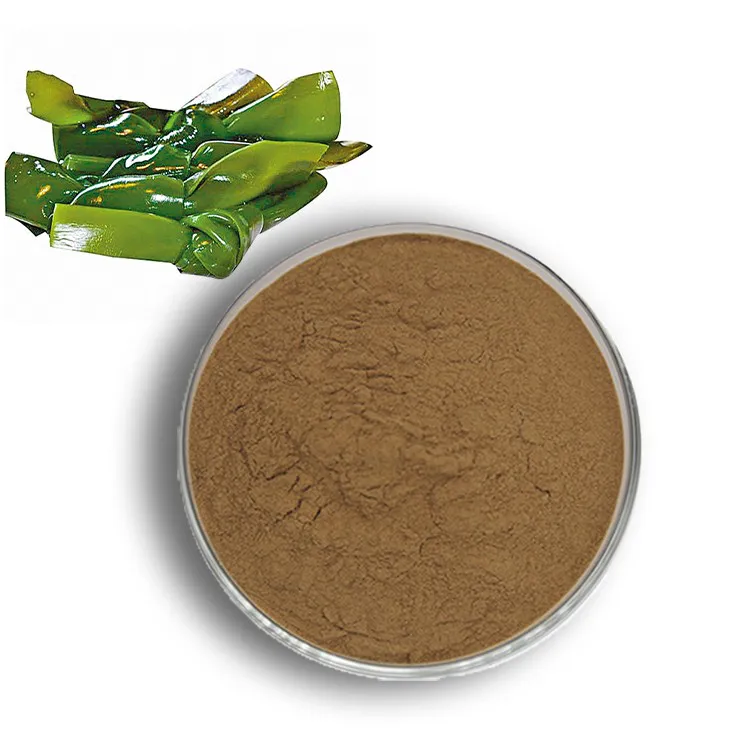
Kelp Extract Powder
2026-08-18
-
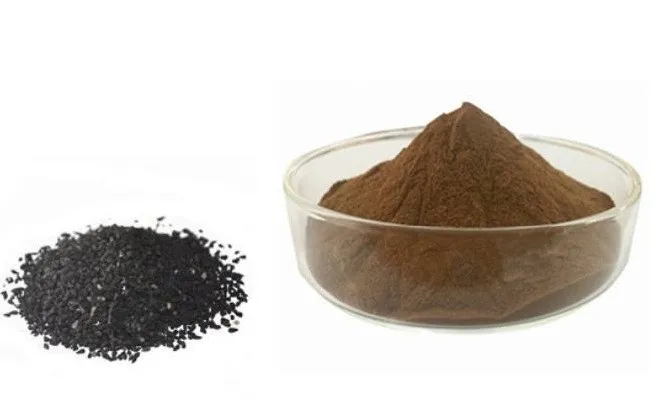
Black Seed Extract
2026-08-18
-
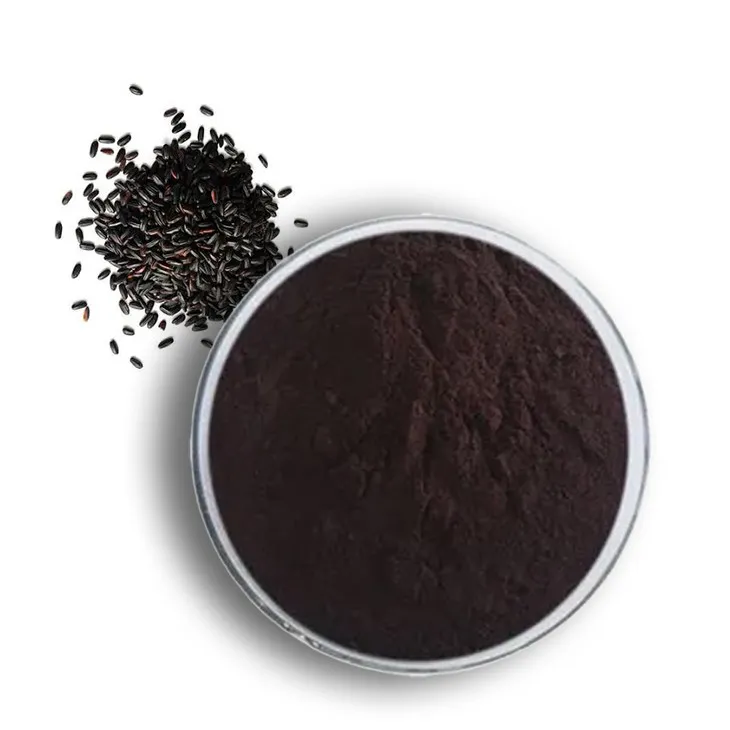
Black Rice Extract
2026-08-18
-
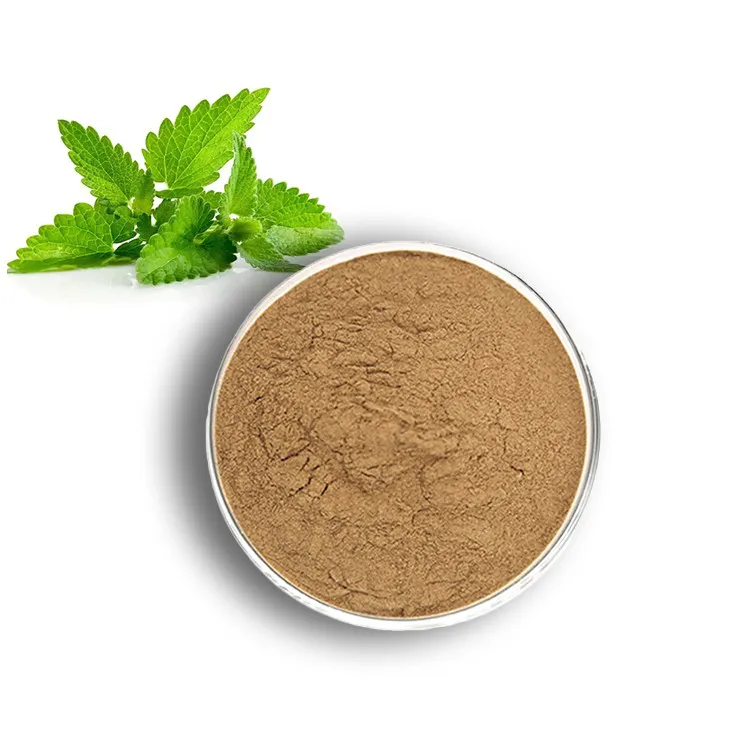
Lemon Balm Extract
2026-08-18
-
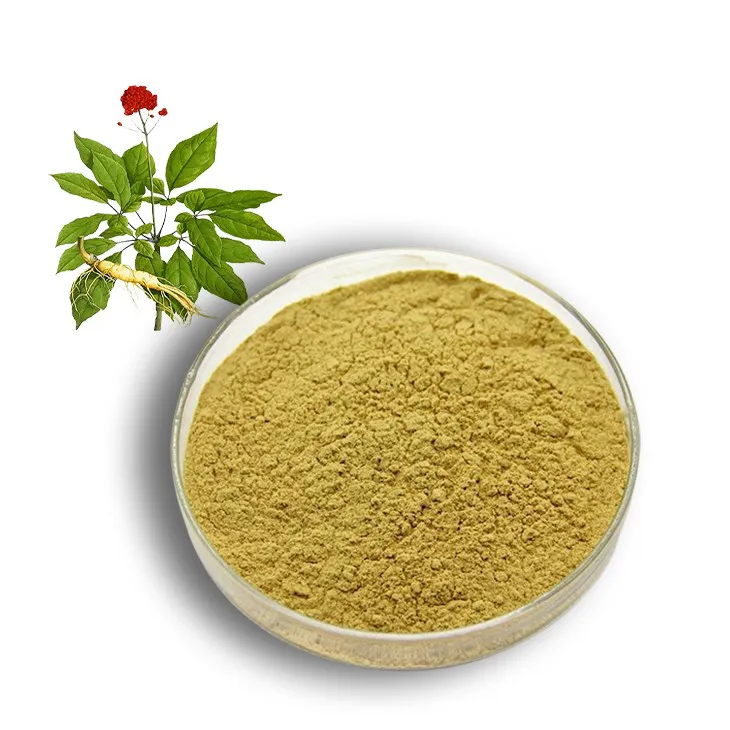
Panax Ginseng Leaf Extract
2026-08-18
-
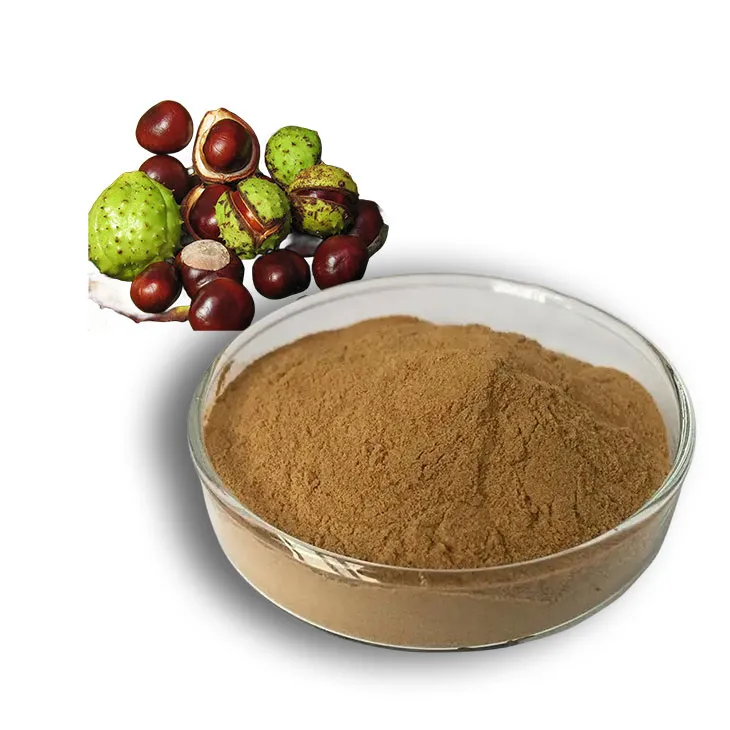
Horse Chestnut Extract
2026-08-18
-
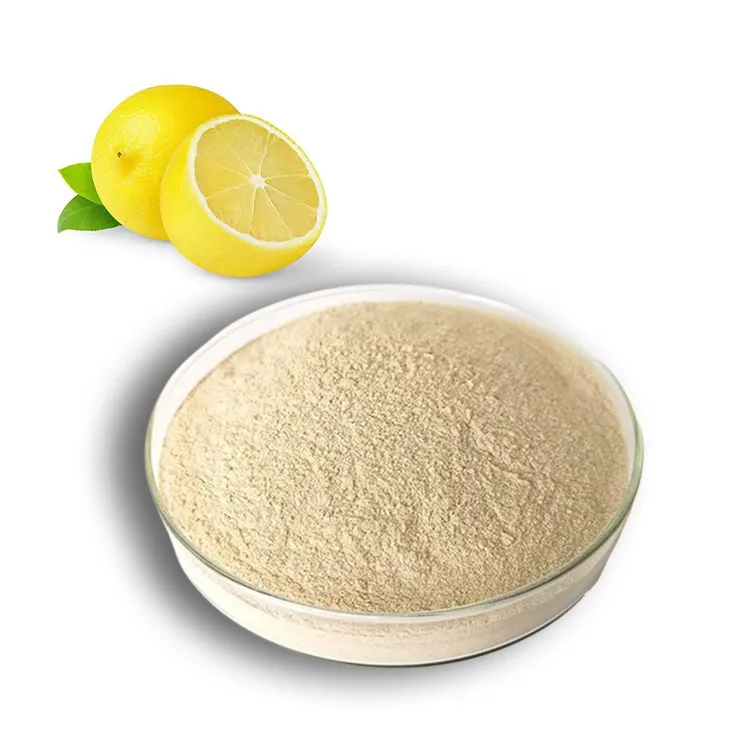
Lemon Extract
2026-08-18
-
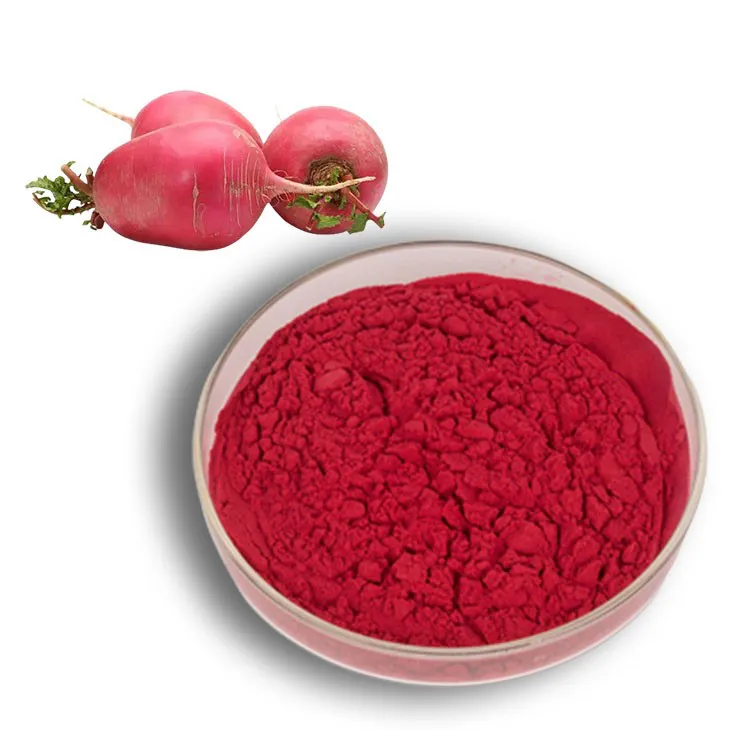
Beetroot Powder
2026-08-18
-
Tinospora cordifolia extract
2026-08-18
