- 0086-571-85302990
- [email protected]






How does vegetable extract powder compare to fruit extract powder in nutrition?
2026-08-15
From smoothie mixes and breakfast bars to functional beverages and sports nutrition, powdered fruit and vegetable ingredients have moved from a niche trend to a staple on the formulation bench. For food and beverage brands, nutrition-supplement manufacturers, and ingredient buyers, one question keeps coming up: how does a vegetable extract powder compare to a fruit extract powder in nutrition?
The honest answer is that neither is "better" in absolute terms. They deliver different nutritional profiles, and the right choice depends on what your finished product needs to achieve. This guide breaks down the differences in vitamins, minerals, sugar, fiber, and antioxidants between the two, and explains why the way an ingredient is processed matters just as much as the plant it comes from.
Vegetable extract powder vs. fruit extract powder: what they are
Before comparing nutrition, it helps to clarify what these ingredients actually are. A whole-plant powder is made by drying and milling the entire fruit or vegetable. An extract powder, by contrast, uses a solvent or water to pull out concentrated active compounds, which are then dried into a powder. This means an extract can deliver a higher concentration of specific phytochemicals in a smaller serving, which is often what formulators want when they need a measurable, consistent dose of one component.
Common vegetable and root options include beetroot, carrot, spinach, and kale. On the fruit side, popular choices are lemon, acerola, sea buckthorn, and berry varieties. A manufacturer such as a plant extract supplier typically produces both categories, which makes it easier to source a consistent line of botanicals from one partner.
Nutritional comparison at a glance
The table below summarizes the main nutritional differences you will typically see between the two categories.
| Aspect | Vegetable extract powder | Fruit extract powder |
|---|---|---|
| Sugar content | Naturally low | Higher, depends on the fruit |
| Fiber | Generally higher, especially root and leafy options | Moderate to high for berries |
| Primary vitamins | A, K, and some B vitamins | Vitamin C and bioflavonoids |
| Key minerals | Iron, calcium, potassium | Potassium, magnesium |
| Antioxidants | Chlorophyll, carotenoids | Anthocyanins, polyphenols |
| Best suited for | Low-sugar, savory, and weight-management formulas | Natural sweetness, vitamin C, and color |
Put simply, vegetable powders tend to be lower in sugar and richer in fiber and certain vitamins, while fruit powders bring natural sweetness and a different set of nutrients to the table.
Key nutritional differences explained
Vitamins: A and K versus C
Vegetable extracts tend to stand out for provitamin A (beta-carotene) and vitamin K, both of which support vision, skin, and bone health. Carrot and beetroot are classic examples. Fruit extracts, on the other hand, shine for vitamin C. Acerola is a well-known example, prized for a vitamin C content that rivals or exceeds citrus fruits, along with immune-supporting antioxidants. If your formula is built around immunity or collagen support, a fruit-based ingredient such as lemon juice powder is a practical way to add vitamin C and a fresh citrus character.
Minerals: where each side leads
Vegetable and root powders often lead on iron and calcium, two minerals that matter for energy and bone health. Beetroot powder is also valued for its natural nitrate content, which has been studied in the context of circulation and exercise performance. Fruit powders bring potassium and magnesium, useful for muscle and nerve function. None of this means one category is superior; it means each answers a different formulation brief.
Sugar and fiber: the two most practical differences
For anyone watching sugar intake, the difference is clearest here. Vegetable powders are naturally low in sugar, making them a good fit for clean-label, low-calorie, and weight-management products. Fruit powders contain more natural sugar, but they still come with fiber, vitamins, and antioxidants that slow absorption—a clear step up from adding refined sugar. That makes them attractive as a natural sweetener replacement in breakfast, baking, and beverage applications.
Why processing and quality matter as much as the plant
The nutritional value of any extract or powder depends heavily on how it is produced. Gentle drying and careful extraction preserve heat-sensitive vitamins and active compounds, while poor processing can degrade them before the product ever reaches your line. A reliable manufacturer uses controlled extraction, spray drying, and low-temperature concentration, and verifies every batch through an in-house laboratory equipped with tools such as HPLC and UV analysis. This is why sourcing from an experienced fruit and vegetable extract manufacturer matters: consistent specifications and documented quality give you a formula you can reproduce from one batch to the next.
Certifications also speak to what a supplier can guarantee. Look for partners with recognized food-safety and quality systems, such as ISO22000, BRCGS, organic standards, HALAL, and Kosher, along with clean production areas that meet food-grade requirements. These are the practical signals that an ingredient is consistent, traceable, and safe for global markets.
How to choose for your product
- For low-sugar, savory, or weight-management products: lean on vegetable and root extracts such as beetroot and carrot, which add nutrients and color without raising sugar.
- For natural sweetness or vitamin C positioning: choose fruit extracts like lemon, acerola, or sea buckthorn to deliver flavor and immune-supporting value.
- For a balanced profile: a combination of both lets you pair the fiber and minerals of vegetables with the antioxidants and sweetness of fruit.
- Always confirm specifications: check active-compound content, particle size, moisture, and microbiological limits with your supplier before committing to a formula.
Final thoughts
When it comes to nutrition, vegetable extract powders and fruit extract powders complement rather than compete with each other. Vegetables deliver fiber, minerals, and vitamins A and K with minimal sugar; fruits add vitamin C, natural sweetness, and antioxidant-rich anthocyanins. The best choice is the one that matches your product's goals, ingredient positioning, and target audience.
For brands that need a dependable, vertically integrated source for either category, a manufacturer with in-house labs, food-grade clean production, and global certifications can simplify the entire supply chain. With a range of fruit juice powders and vegetable extracts, a partner like Greensky can help you turn a sound nutritional concept into a market-ready ingredient.
TAGS:
- ▶ Hesperidin
- ▶ Citrus Bioflavonoids
- ▶ Plant Extract
- ▶ lycopene
- ▶ Diosmin
- ▶ Grape seed extract
- ▶ Sea buckthorn Juice Powder
- ▶ Fruit Juice Powder
- ▶ Hops Extract
- ▶ Artichoke Extract
- ▶ Mushroom extract
- ▶ Astaxanthin
- ▶ Green Tea Extract
- ▶ Curcumin
- ▶ Horse Chestnut Extract
- ▶ Other Product
- ▶ Boswellia Serrata Extract
- ▶ Resveratrol
- ▶ Marigold Extract
- ▶ Grape Leaf Extract
- ▶ New Product
- ▶ Aminolevulinic acid
- ▶ Cranberry Extract
- ▶ Red Yeast Rice
- ▶ Red Wine Extract
- ▶ blog
-
Sophora Japonica Flower Extract
2026-08-15
-
Liposomal Berberine HCl
2026-08-15
-
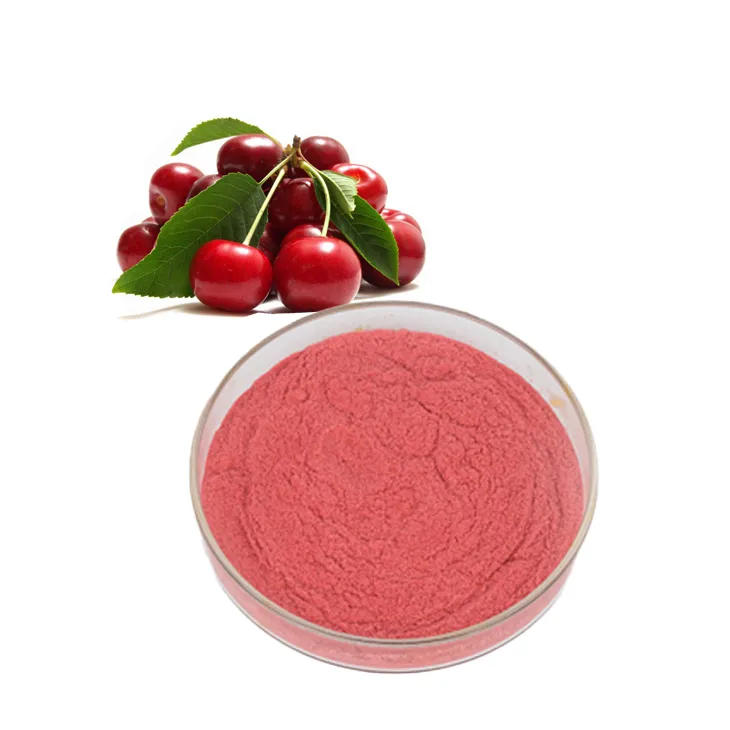
Acerola Extract
2026-08-15
-
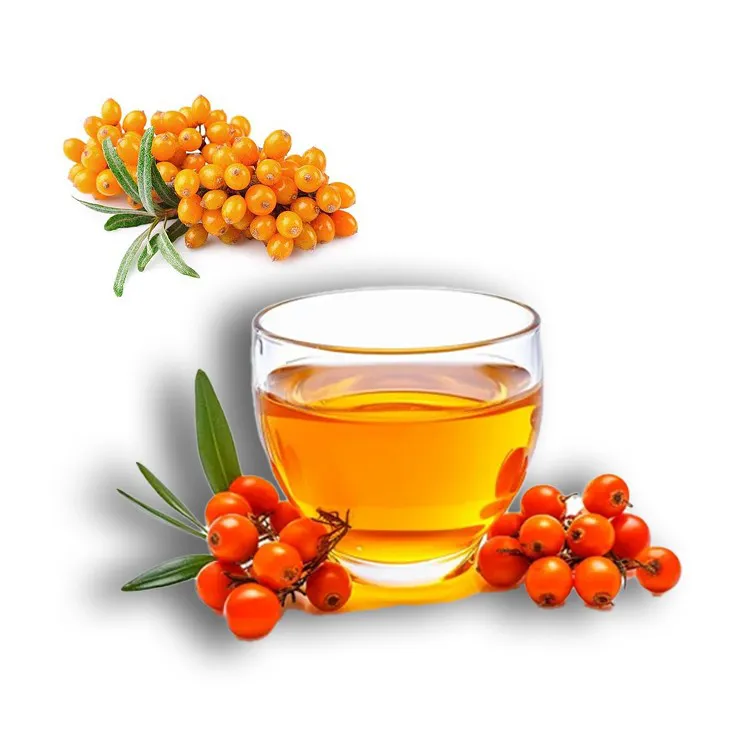
Sea buckthorn oil
2026-08-15
-
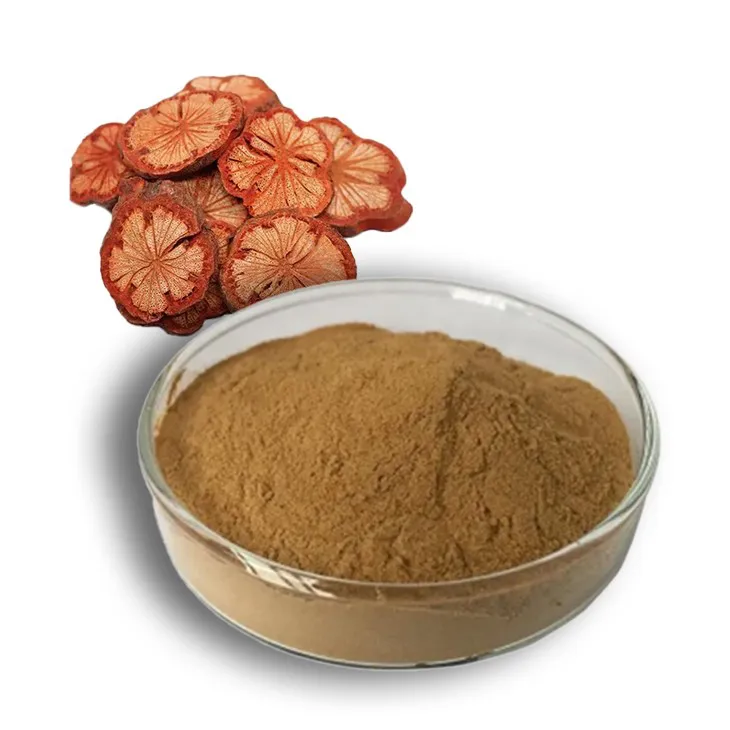
Red Vine Extract
2026-08-15
-
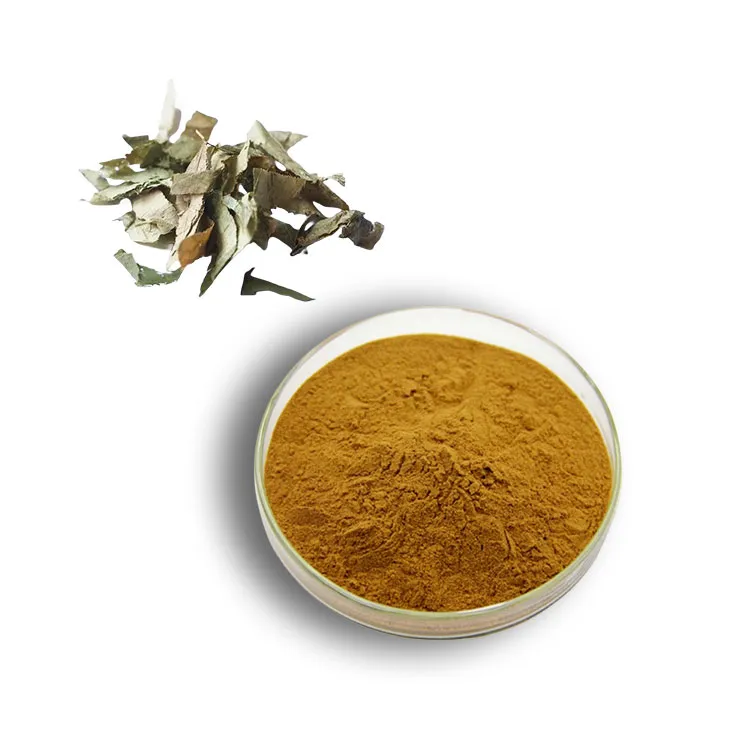
Epimedium extract powder
2026-08-15
-
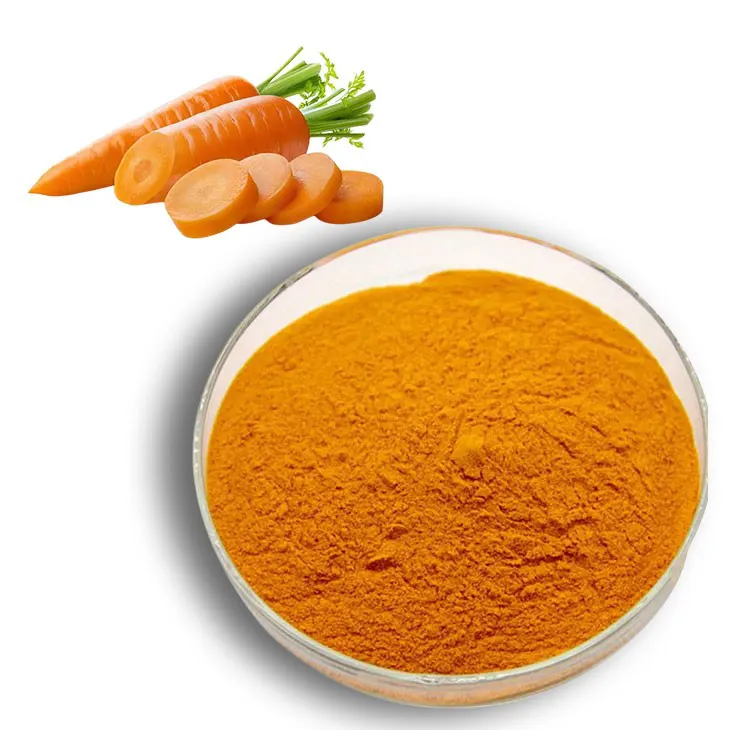
Beta Carotene
2026-08-15
-
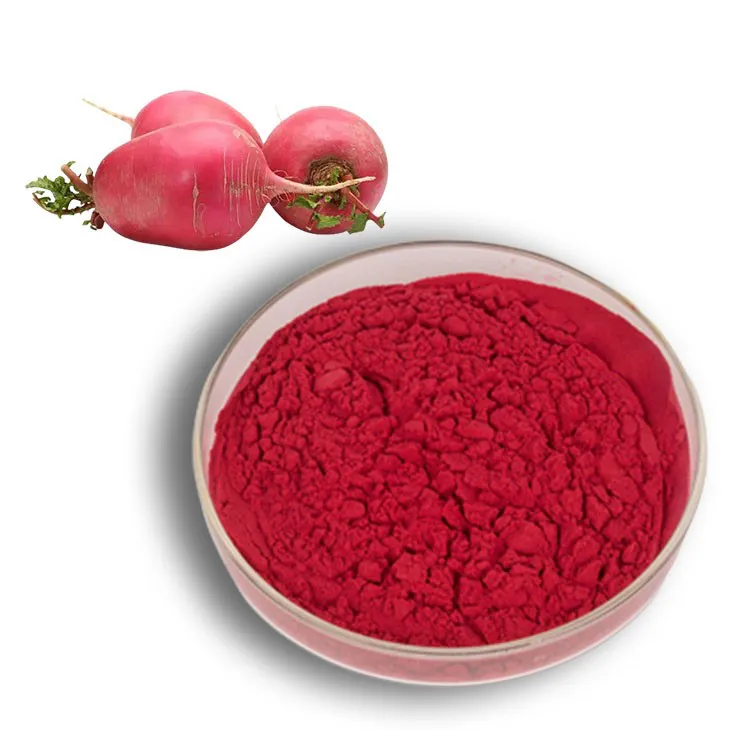
Beetroot Powder
2026-08-15
-
Shikonin
2026-08-15
-
Nattokinase
2026-08-15
