- 0086-571-85302990
- [email protected]




How does modern stevia culture improve yield and quality?
2026-08-13
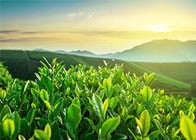
Stevia has become one of the most talked-about natural sweeteners in the food and beverage industry. Because its leaves are packed with steviol glycosides that can be hundreds of times sweeter than sugar while contributing almost no calories, demand for high-quality stevia raw material keeps growing. Yet not every crop delivers the same result. The difference between an ordinary harvest and a premium one usually comes down to how the plant is cultivated. Modern stevia culture, when done well, raises both the amount of leaf biomass produced and the concentration of the sweet compounds inside those leaves, which together determine yield and quality.
What yield and quality really mean for stevia
For stevia, yield is not simply the total weight of the plant. What matters most is the harvestable leaf mass, because the sweet steviol glycosides are concentrated mainly in the leaves. Quality, on the other hand, refers to the level and profile of those glycosides, especially stevioside and rebaudioside A. Rebaudioside A is prized because it tastes cleaner and closer to sugar, while stevioside can carry a slight bitter aftertaste. Together, stevioside and rebaudioside A typically make up a large share of the dry leaf weight, but the exact figures vary with the variety, the growing conditions, and the timing of the harvest. A grower who understands these two factors can manage the crop to produce more leaves and sweeter leaves at the same time.
Choosing the right variety is the first step
The foundation of a successful stevia crop is the variety. Traditional breeding has focused on selecting plants with a higher content of stevioside and a higher proportion of rebaudioside A, because these traits translate directly into a sweeter, better-tasting extract. Recurrent selection works well for stevia because it is a cross-pollinated species, and breeders can also use heterosis to produce more vigorous hybrids. More recently, polyploidy induction has emerged as a powerful tool. Treating germinating seeds with colchicine can double the chromosome number of the plant, and studies have shown that this approach can boost both growth and the production of steviol glycosides. In short, the variety a grower plants sets the ceiling for what the rest of the cultivation work can achieve.
Light, water, and soil set the stage
Stevia does not demand particularly rich soil, but it is sensitive to how that soil is managed. A uniform supply of moisture combined with good drainage is essential, because the plant has a shallow, extensive root system that dries out quickly. Full access to light is just as important. Even partial shade slows growth, delays flowering, and reduces both the yield of leaves and the content of steviol glycosides. In many growing regions, including parts of China where stevia is widely cultivated, growers plan the field layout carefully so that every plant receives full sun throughout the day. Good field preparation, consistent irrigation, and well-drained beds give the roots the stable environment they need to support steady leaf production.
Feeding the crop for better sweetness
Nutrition plays a direct role in both yield and quality. Balanced fertilization supports healthy vegetative growth, which means more leaves per plant. Beyond the basics, research has shown that certain growth regulators and micronutrients can influence glycoside accumulation. For example, paclobutrazol applied at low concentrations has been reported to enhance growth, glycoside production, and antioxidant capacity, while newer precision nano-fertilizers have improved plant height, biomass, and the concentration of stevioside and rebaudiana A under challenging soil conditions. The practical takeaway is that a well-planned nutrition program, matched to the soil and the growth stage, can push a crop toward both higher leaf yield and a sweeter final product.
Harvest timing and post-harvest care
When stevia is harvested matters as much as how it is grown. Glycoside content changes as the plant matures, so harvesting at the right stage locks in the highest sweetness. With careful planning, a stevia stand can be cultivated for several years and harvested multiple times in a single season, which raises the total output from the same piece of land. After cutting, the leaves must be dried and handled promptly to preserve the glycosides and prevent degradation. Clean, controlled post-harvest processing protects the quality that was built up through the whole growing season.
From the field to a reliable Stevia Extract
All of this careful cultivation work leads to one goal: a consistent, high-quality stevia extract that food and supplement manufacturers can rely on. That is where an experienced supplier makes the difference. A manufacturer that combines good sourcing with modern extraction and quality control can turn well-grown leaves into a clean, high-purity Stevia Extract with a stable glycoside profile. For buyers looking for a dependable partner, working with a stevia extract supplier that understands both the agricultural and the processing side of the business helps ensure that the final ingredient meets specifications every time.
Modern stevia culture is about more than planting and watering. It is a chain of decisions, from choosing the right variety to managing light, water, nutrition, and harvest timing, that together determine how much leaf a field produces and how sweet that leaf really is. When each step is handled well, the result is a better crop, a better extract, and ultimately a better natural sweetener for consumers. For brands and manufacturers seeking a consistent source of this versatile ingredient, exploring a trusted Stevia Extract supplier can be the first step toward a more reliable supply chain.
TAGS:
- ▶ Hesperidin
- ▶ Citrus Bioflavonoids
- ▶ Plant Extract
- ▶ lycopene
- ▶ Diosmin
- ▶ Grape seed extract
- ▶ Sea buckthorn Juice Powder
- ▶ Fruit Juice Powder
- ▶ Hops Extract
- ▶ Artichoke Extract
- ▶ Mushroom extract
- ▶ Astaxanthin
- ▶ Green Tea Extract
- ▶ Curcumin
- ▶ Horse Chestnut Extract
- ▶ Other Product
- ▶ Boswellia Serrata Extract
- ▶ Resveratrol
- ▶ Marigold Extract
- ▶ Grape Leaf Extract
- ▶ New Product
- ▶ Aminolevulinic acid
- ▶ Cranberry Extract
- ▶ Red Yeast Rice
- ▶ Red Wine Extract
- ▶ blog
-
Sugarcane Extract
2026-08-13
-
Bilberry Extract
2026-08-13
-
Rose Hip Extract
2026-08-13
-
Eucommia Ulmoides Extract
2026-08-13
-
Green Tea Extract
2026-08-13
-
Kelp Extract Powder
2026-08-13
-
Red Date Extract
2026-08-13
-
Citrus bioflavonoids
2026-08-13
-
Senna Leaf Extract
2026-08-13
-
Black Seed Extract
2026-08-13