- 0086-571-85302990
- [email protected]






How does extract of horse chestnut support vascular health?
2026-08-19
Healthy blood vessels are the quiet foundation of overall well-being. When circulation in the lower limbs starts to weaken, many people first notice heavy, tired legs at the end of the day, mild ankle swelling, or a dull ache that lingers after long periods of standing. Left unaddressed, these everyday discomforts can develop into more visible concerns such as varicose veins and chronic venous insufficiency. For centuries, European herbalists turned to one botanical remedy for exactly these problems, and modern research has confirmed why: horse chestnut extract, with its signature active compound aescin, offers genuine support for vascular health.
This article explains what Horse Chestnut Extract is, how its active compounds work inside the body, what clinical evidence says about its benefits, and what to look for when sourcing a reliable supply of this increasingly popular botanical ingredient.
What Is Horse Chestnut Extract?
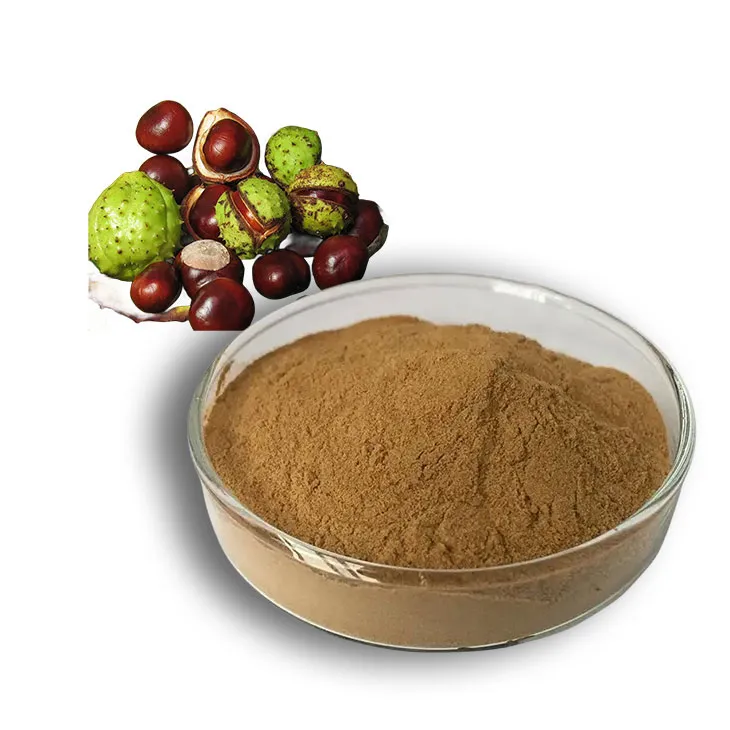
Horse chestnut (Aesculus hippocastanum) is a large deciduous tree native to the Balkan Peninsula that is now widely cultivated across Europe and North America. Its glossy brown seeds, often called conkers, have been used in traditional European medicine for centuries, particularly for circulatory complaints and leg discomfort.
It is important to note that raw horse chestnut seeds are toxic and should never be consumed directly, as they contain esculin and other coumarin glycosides. Commercial Horse Chestnut Extract is produced through a careful extraction and purification process that removes these undesirable compounds while concentrating the beneficial saponins, making the ingredient safe for use in dietary supplements and functional products.
The Active Compound: Aescin
The therapeutic value of horse chestnut extract comes almost entirely from aescin (also spelled escin), a complex mixture of triterpene saponins. Aescin is responsible for the ingredient's well-documented effects on vein health, and quality extracts are standardized to a guaranteed aescin content, typically in the range of 16% to 20%. This standardization is essential, because it ensures every batch delivers a consistent level of the active compound, which is exactly what formulators and supplement manufacturers need for reliable finished products.
How Aescin Supports Vascular Health
Aescin supports the veins through several complementary mechanisms that have been confirmed in laboratory and clinical research:
1. Improving Venous Tone
Veins have elastic walls that can stretch and lose firmness when the one-way valves inside them are impaired. Aescin increases the tone of vein walls by enhancing the contraction of smooth muscle and supporting the integrity of the connective tissue around the veins. Stronger, firmer veins are better able to push blood back toward the heart and resist the pooling that leads to varicose veins.
2. Reducing Capillary Permeability
When capillary walls become overly permeable, fluid leaks out of the blood vessels and accumulates in surrounding tissue, causing the swelling known as edema. Aescin helps tighten the junctions between the cells lining the capillary walls, reducing fluid leakage and easing swelling in the legs and ankles. This anti-edematous action is one of the most consistently observed benefits of the ingredient.
3. Anti-Inflammatory Activity
Chronic inflammation in vein tissue is a key driver of venous discomfort. Aescin inhibits enzymes involved in the breakdown of the capillary wall and reduces the activity of inflammatory mediators, helping to calm irritated vein tissue and the surrounding areas.
4. Antioxidant Protection
Oxidative stress gradually weakens vein walls and valves over time. Aescin also acts as an antioxidant, helping to protect the delicate endothelial lining of blood vessels from free-radical damage and supporting the long-term resilience of the vascular system.
What Clinical Research Shows
Horse chestnut extract is one of the most thoroughly studied botanical ingredients for venous health. A well-known Cochrane review of randomized controlled trials concluded that horse chestnut seed extract significantly reduces leg pain, edema, and other symptoms of chronic venous insufficiency compared with placebo. In several European countries, particularly Germany, standardized horse chestnut extract is an officially recognized treatment for chronic venous insufficiency, a level of regulatory acceptance few botanical ingredients achieve.
Clinical studies typically use doses providing 100 to 300 mg of aescin per day, usually divided into two daily doses. Consistent daily use over several weeks is generally needed before the full benefits on leg heaviness and swelling become apparent. It is also worth noting that while horse chestnut extract can relieve symptoms and help slow the progression of vein problems, it does not eliminate existing varicose veins; severe cases still require medical evaluation.
Safety and Considerations
Properly processed horse chestnut extract has a good safety record and is generally well tolerated. Mild digestive discomfort is the most commonly reported side effect, and it can often be minimized by taking the supplement with food. As with any botanical ingredient, a few precautions apply: people taking anticoagulant or antiplatelet medication should consult a healthcare professional before use, as should pregnant or nursing women and individuals with kidney or liver conditions. Because raw seeds are toxic, only properly processed, standardized extract should ever be used in formulations.
Sourcing Quality Horse Chestnut Extract
For supplement brands and formulators, the quality of the raw material determines the quality of the finished product. When sourcing horse chestnut extract, buyers should look for a manufacturer that can provide consistent aescin standardization, full documentation for regulatory submissions, and reliable batch-to-batch consistency. A supplier with vertical integration, an in-house laboratory, and internationally recognized certifications offers the assurance that B2B customers need.
Hangzhou Greensky Biological Tech. Co., Ltd. is a professional manufacturer of natural plant extracts with more than 20 years of experience in the field. Its horse chestnut extract is produced in a 100,000-class clean production area and supported by an independent laboratory equipped with HPLC and other analytical instruments, ensuring that every batch meets strict quality standards. As a plant extract supplier, Greensky serves customers in Europe, the United States, South Korea, and Russia, and holds certifications including ISO22000, BRCGS, HALAL, and Kosher.
Conclusion
Horse chestnut extract supports vascular health through a well-understood combination of mechanisms: it tones the veins, reduces capillary permeability, calms inflammation, and protects blood vessels from oxidative stress. Backed by decades of clinical research and recognized in European medicine as a treatment for chronic venous insufficiency, it remains one of the most trusted botanical ingredients for leg circulation and vein support.
For manufacturers and brands looking to add this proven ingredient to their product lines, choosing a dependable supplier is the first step. To learn more about sourcing high-quality horse chestnut extract and other botanical ingredients, contact the Greensky team directly.
- ▶ Hesperidin
- ▶ Citrus Bioflavonoids
- ▶ Plant Extract
- ▶ lycopene
- ▶ Diosmin
- ▶ Grape seed extract
- ▶ Sea buckthorn Juice Powder
- ▶ Fruit Juice Powder
- ▶ Hops Extract
- ▶ Artichoke Extract
- ▶ Mushroom extract
- ▶ Astaxanthin
- ▶ Green Tea Extract
- ▶ Curcumin
- ▶ Horse Chestnut Extract
- ▶ Other Product
- ▶ Boswellia Serrata Extract
- ▶ Resveratrol
- ▶ Marigold Extract
- ▶ Grape Leaf Extract
- ▶ New Product
- ▶ Aminolevulinic acid
- ▶ Cranberry Extract
- ▶ Red Yeast Rice
- ▶ Red Wine Extract
- ▶ blog
-
Tongkat Ali Extract Powder
2026-08-19
-
Clove Powder
2026-08-19
-
Dan Shen Root Extract/Salvia Root Extract
2026-08-19
-
Bilberry Extract
2026-08-19
-
Konjac Powder
2026-08-19
-
Kupilu Extract
2026-08-19
-
Fenugreek Extract Powder
2026-08-19
-
Jujube Extract
2026-08-19
-
Golden Seal Extract
2026-08-19
-
Artichoke Extract
2026-08-19
