- 0086-571-85302990
- [email protected]






How does a plant extract manufacturer in china handle export logistics?
2026-08-15
For buyers of botanical ingredients, the plant extract itself is only part of the story. Getting a clean, compliant, batch-labelled powder from a factory floor in China to a warehouse in Europe, the United States, South Korea, or Russia is a task that demands real logistics experience. A manufacturer that handles export well protects both the quality of the extract and the buyer's timeline. This article explains how a serious plant extract manufacturer in China manages export logistics, step by step.
The logic is simple: an extract that arrives damaged, delayed, or short of paperwork is worth less than one that arrives intact, on time, and documented. Export logistics is therefore treated as a quality function, not just a shipping formality.
Choosing the right shipping mode
There is no single "best" way to move plant extracts. The right choice depends on volume, value, destination, and how quickly the material needs to be in hand. Most plant extract manufacturers rely on a mix of options:
Sea freight is the most economical route for bulk orders of powders that do not need temperature control. Transit times are longer, typically two to four weeks, but for large tonnages the cost saving is significant. Major ports such as Ningbo and Shanghai are close to many manufacturing hubs, which shortens the journey from factory to port.
Air freight suits time-sensitive or higher-value loads, with delivery usually reaching the buyer within a week or so. It is the preferred option when a customer is running a production schedule and cannot afford a long lead time.
International couriers such as DHL, FedEx, and UPS are ideal for samples and small orders. They offer door-to-door pickup, real-time tracking, and automated customs clearance, which makes them convenient for buyers who are still testing a product.
Cold chain logistics is reserved for extracts that are heat- or humidity-sensitive. Managing temperature-controlled transport requires planning, but it is essential for materials that degrade in transit.
Documentation and compliance come first
Customs delays are almost always caused by missing or incorrect documents. A responsible exporter prepares the full packet before the goods leave the factory. This includes a Certificate of Analysis (CoA) for the batch, a Material Safety Data Sheet (MSDS), the Certificate of Origin, packing lists, and the commercial invoice. Buyers should confirm which Incoterms apply, such as FOB, CIF, or DDP, so that responsibility for freight and insurance is clear on both sides.
Manufacturers exporting on a regular basis also register and maintain the certifications that foreign regulators recognise. Certifications such as ISO22000, BRCGS, Ecocert Organic Standard, SGS-GMP, ISO9001, HALAL, and Kosher, together with an export food production enterprise registration, help shipments clear inspection more smoothly and reassure buyers that the source is audited.
Protecting quality while goods are in transit
Powdered extracts are vulnerable to moisture and contamination. Sealed, food-grade, moisture-proof packaging is not optional; it is the difference between a batch arriving intact and one arriving ruined. A well-run factory controls the internal environment with a clean production area and checks moisture levels before packing, so the product leaves in a stable condition.
Independent laboratory testing with instruments such as GC, HPLC, and UV before dispatch gives the buyer confidence that the stated active content is present in that specific batch. When the CoA travels with the shipment and matches the lot number, the receiving party can verify the product on arrival.
How a manufacturer like Greensky approaches export
Hangzhou Greensky Biological Tech. Co., Ltd. is a useful example of how this works in practice. Founded in 2004, the company operates with five wholly owned subsidiaries and runs a vertically integrated chain from research and development through production to sales. Its main markets are Europe, the United States, South Korea, and Russia, and its export value reached nearly 30 million US dollars in 2023.
Because the factories and warehouse are located in Zhejiang, near the main ports of Ningbo and Shanghai, goods can move quickly from production to the vessel or aircraft. Regular export registration and documented quality systems mean the company is able to prepare the paperwork that global regulators expect, and buyers work with a single point of contact throughout the process.
Practical tips for buyers
If you are sourcing botanical ingredients, a few steps will make the difference between a smooth delivery and a frustrating one:
- Confirm the Incoterms and who covers freight and insurance before you place the order.
- Request the CoA and MSDS for every batch, and match the lot number on arrival.
- Choose the shipping mode that matches your volume and deadline rather than simply the cheapest option.
- Check that the packaging is sealed and moisture-proof for powdered extracts.
- Ask whether the supplier has export registration and the certifications your market requires.
Handling export logistics well is a strong signal of a reliable plant extract supplier. When documentation is complete, packaging is sound, and the shipping route fits the product, buyers receive exactly what they ordered, in the right condition and on time.
TAGS:
- ▶ Hesperidin
- ▶ Citrus Bioflavonoids
- ▶ Plant Extract
- ▶ lycopene
- ▶ Diosmin
- ▶ Grape seed extract
- ▶ Sea buckthorn Juice Powder
- ▶ Fruit Juice Powder
- ▶ Hops Extract
- ▶ Artichoke Extract
- ▶ Mushroom extract
- ▶ Astaxanthin
- ▶ Green Tea Extract
- ▶ Curcumin
- ▶ Horse Chestnut Extract
- ▶ Other Product
- ▶ Boswellia Serrata Extract
- ▶ Resveratrol
- ▶ Marigold Extract
- ▶ Grape Leaf Extract
- ▶ New Product
- ▶ Aminolevulinic acid
- ▶ Cranberry Extract
- ▶ Red Yeast Rice
- ▶ Red Wine Extract
- ▶ blog
-
Yam Extract
2026-08-15
-
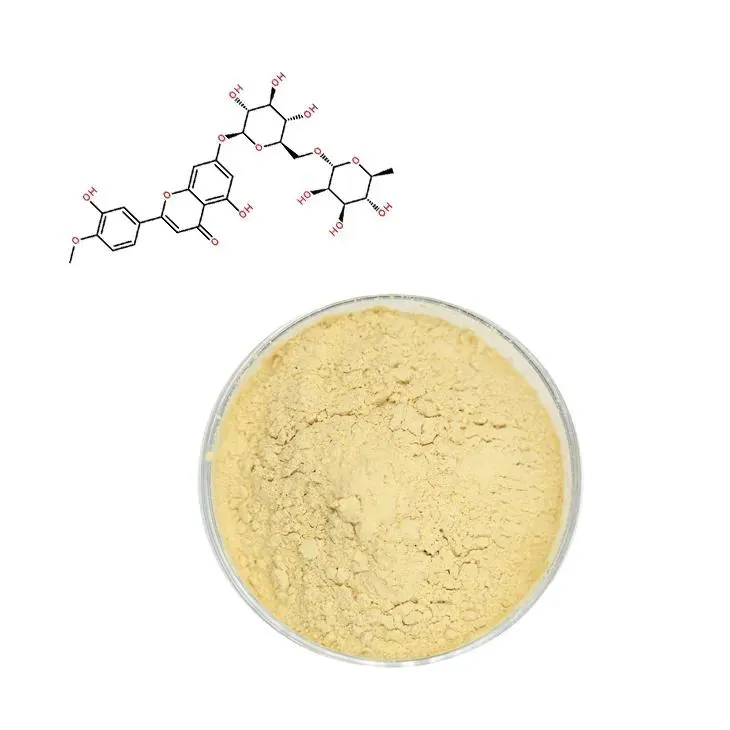
Diosmin
2026-08-15
-
Lemon Balm Extract
2026-08-15
-
Sugarcane Extract
2026-08-15
-
Phellodendron Extract
2026-08-15
-
Kupilu Extract
2026-08-15
-
Pomegranate Extract
2026-08-15
-
Nettle Root Extract
2026-08-15
-
Astaxanthin
2026-08-15
-
Stevia Extract
2026-08-15
