- 0086-571-85302990
- [email protected]






How do plant extracts for hair growth compare with pharmaceutical treatments?
2026-08-14
Hair loss is one of the most common concerns people bring to their doctors, and it is easy to see why. Millions of men and women watch their hair thin over time and wonder what actually works. For decades, the answer has been pharmaceutical treatments such as minoxidil and finasteride, which are supported by extensive clinical research. In recent years, however, plant extracts have moved out of the herbal aisle and into serious scientific study, with a growing number of trials comparing them directly against conventional drugs. This article takes a balanced look at how plant extracts for hair growth compare with pharmaceutical treatments in terms of effectiveness, safety, and everyday practicality.
Before comparing treatments, it helps to understand why hair falls out in the first place. Hair grows in a cycle with three phases: anagen, the active growth phase that lasts two to six years; catagen, a short transition phase; and telogen, a resting phase of a few months before the hair sheds and a new one begins. When this cycle is disrupted, hair loss follows. The most common form is androgenetic alopecia, or pattern hair loss, which affects roughly half of older men and a significant share of postmenopausal women. It is driven largely by dihydrotestosterone (DHT), a hormone that shrinks hair follicles over time. Other forms include alopecia areata, an autoimmune condition that causes patchy bald spots, and telogen effluvium, a temporary shedding often triggered by stress, illness, or nutritional gaps.
Pharmaceutical treatments target these mechanisms directly. Topical minoxidil works as a vasodilator, opening potassium channels in the scalp to improve blood flow and stimulate follicle activity. Finasteride, taken orally, blocks the enzyme 5-alpha reductase and lowers DHT levels. Corticosteroids, applied topically or injected, calm the immune attack in alopecia areata. These drugs are effective, but they are not without trade-offs. Minoxidil can cause scalp irritation, itching, and flaking, while finasteride carries a risk of sexual side effects that leads many men to stop using it. Corticosteroids require careful supervision and can thin the skin over time. It is precisely these side effects that push many people to look for gentler, natural alternatives.
Plant extracts offer a different path, and the evidence behind several of them is now surprisingly strong. Rosemary is among the most studied. In a well-known six-month trial, rosemary oil applied to the scalp produced hair growth comparable to 2% minoxidil, with the added benefit of less scalp itching. The active compounds in rosemary improve microcirculation in the scalp and act as antioxidants, protecting follicles from oxidative stress. For formulators and supplement brands, rosemary leaf extract for hair is available as a standardized ingredient that can be built into serums, oils, and shampoos with consistent potency.
Saw palmetto takes a different approach that mirrors finasteride without the hormonal baggage. The fatty acids and phytosterols in the ripe berries of Serenoa repens inhibit 5-alpha reductase, the same enzyme finasteride targets, helping to keep DHT in check. Clinical studies of saw palmetto have shown meaningful improvements in hair density and thickness, and because it does not interfere with systemic hormone levels the way oral drugs can, it is often better tolerated. Suppliers can source pure saw palmetto extract as a clean, standardized raw material for both topical and oral formulations.
Ginseng and Polygonum multiflorum round out the botanical toolkit. Ginsenosides from ginseng root have been shown to stimulate dermal papilla cells, the cells at the base of the follicle that drive hair growth, and to prolong the anagen phase. Polygonum multiflorum, a staple of traditional Chinese medicine, is rich in polyphenols and has long been used for hair care and skin health. Green Tea Extract, through its EGCG content, reduces inflammation around the follicle and protects against the damaging effects of DHT. Together, these extracts target hair loss from several angles: circulation, hormone regulation, inflammation, and follicle nourishment.
The most telling evidence comes from studies that put the two approaches head to head. In a 24-week randomized trial, a herbal combination containing biochanin A, acetyl tetrapeptide-3, and ginseng extracts performed comparably to 3% minoxidil, with no local adverse reactions reported. Another trial found that a combination of Redensyl, Capixyl, and Procapil outperformed 5% minoxidil on photographic evaluation scores. These results do not mean plant extracts have replaced pharmaceuticals, but they do show that well-formulated botanical products can hold their own, particularly for people with mild to moderate hair loss who want to avoid drug side effects.
There are honest limitations to acknowledge. Plant extracts generally work more slowly than prescription drugs, and results typically take three to six months of consistent use to become visible. The quality of the extract matters enormously: a poorly standardized ingredient may contain very little of the active compound. This is why sourcing is the single most important decision for any brand entering the hair care space. Working with experienced plant extract manufacturers who can provide certificates of analysis, consistent batch-to-batch potency, and documented purity is essential for building a product that actually delivers on its claims.
For many people, the best answer is not a choice between plant extracts and pharmaceuticals but a thoughtful combination. Those who tolerate minoxidil well can add a botanical serum to support scalp health, while those who cannot tolerate finasteride may find saw palmetto a reasonable alternative worth discussing with their doctor. Anyone with sudden or patchy hair loss should see a dermatologist first, because some conditions need medical treatment that no topical can replace. For everyone else, the growing body of evidence suggests that plant extracts are no longer a fringe option but a credible, science-backed part of the hair care conversation.
The comparison ultimately comes down to a trade-off between speed and gentleness. Pharmaceutical treatments act quickly but carry side effects that many people find hard to live with. Plant extracts are slower and subtler, yet they offer a gentler route to healthier hair, especially when sourced from a manufacturer with rigorous quality control. As clinical research continues to close the gap between the two, botanical ingredients are earning their place as a serious option for anyone looking to protect their hair without compromising their wellbeing.
TAGS:
- ▶ Hesperidin
- ▶ Citrus Bioflavonoids
- ▶ Plant Extract
- ▶ lycopene
- ▶ Diosmin
- ▶ Grape seed extract
- ▶ Sea buckthorn Juice Powder
- ▶ Fruit Juice Powder
- ▶ Hops Extract
- ▶ Artichoke Extract
- ▶ Mushroom extract
- ▶ Astaxanthin
- ▶ Green Tea Extract
- ▶ Curcumin
- ▶ Horse Chestnut Extract
- ▶ Other Product
- ▶ Boswellia Serrata Extract
- ▶ Resveratrol
- ▶ Marigold Extract
- ▶ Grape Leaf Extract
- ▶ New Product
- ▶ Aminolevulinic acid
- ▶ Cranberry Extract
- ▶ Red Yeast Rice
- ▶ Red Wine Extract
- ▶ blog
-
Red Date Extract
2026-08-14
-
Yohimbine Bark Extract
2026-08-14
-
Sophora Japonica Flower Extract
2026-08-14
-
Feverfew Extract
2026-08-14
-
Cocoa Extract
2026-08-14
-
Kupilu Extract
2026-08-14
-
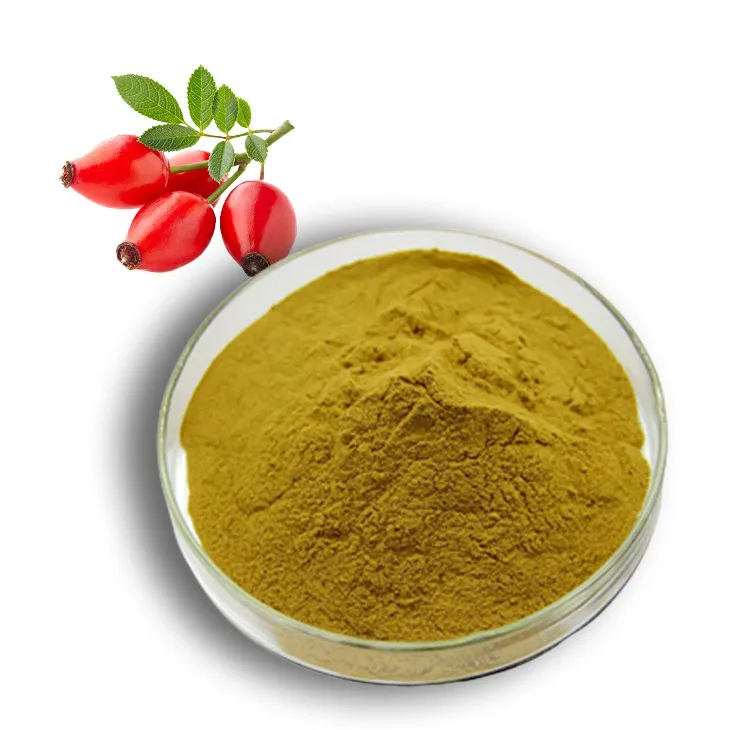
Rose Hip Extract
2026-08-14
-
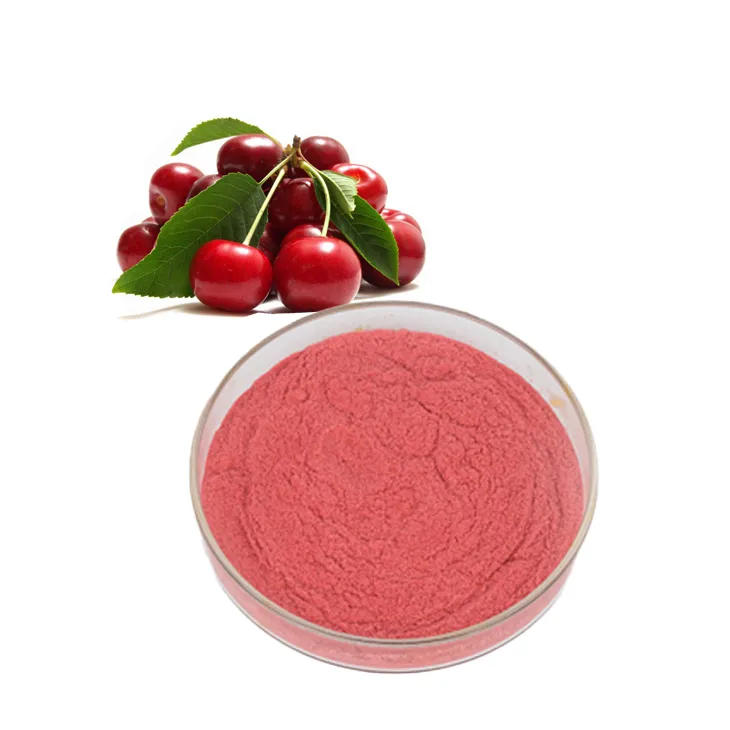
Acerola Extract
2026-08-14
-
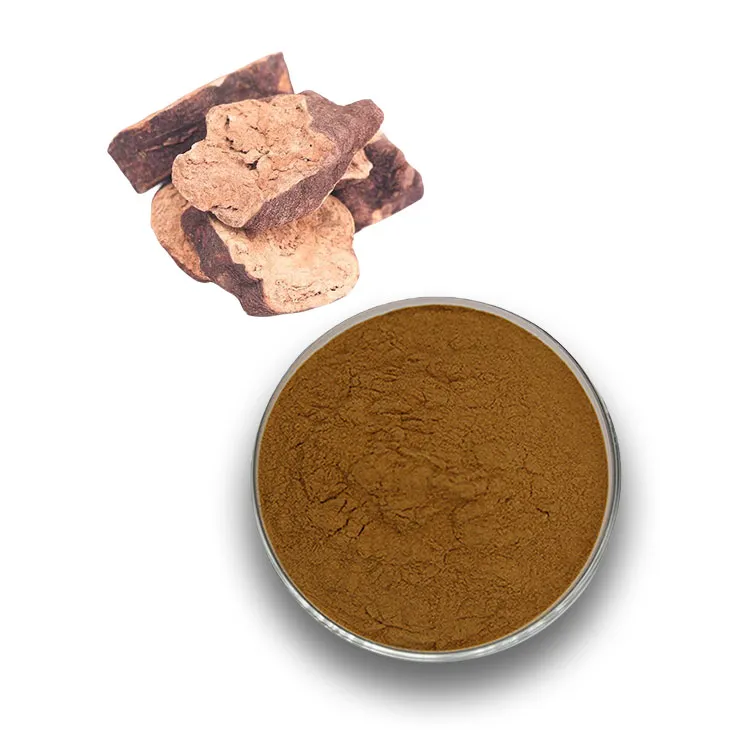
Polygonum multiflorum extract
2026-08-14
-
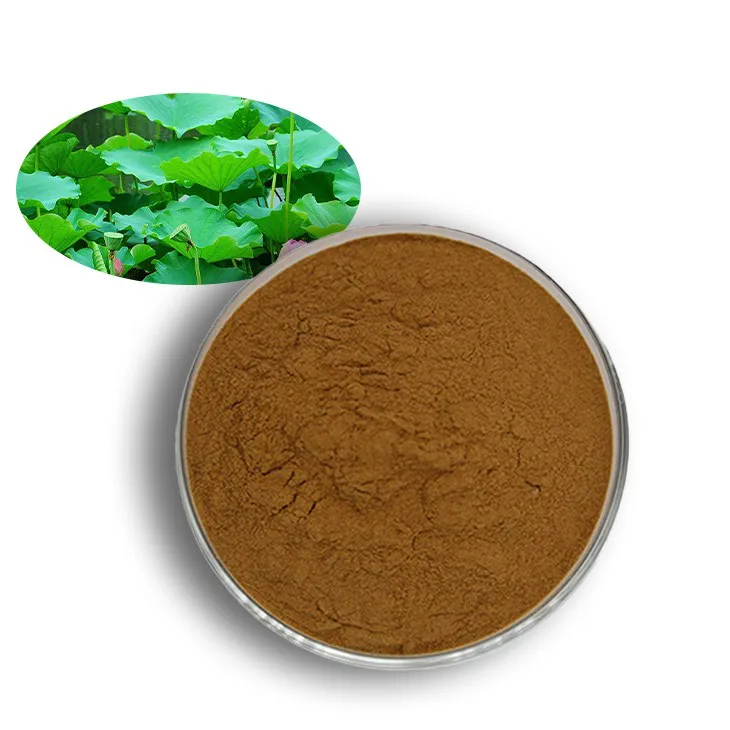
Lotus leaf extract
2026-08-14
