- 0086-571-85302990
- [email protected]






How do I source vegan plant extracts that are cruelty-free?
2026-08-14
Vegan and cruelty-free are no longer niche labels taped onto a product after launch. From dietary supplements to skincare and functional beverages, more consumers now expect ingredients that contain no animal-derived material and that were never tested on animals. For brand owners and formulators, that expectation lands squarely on the supply chain: the plant extracts you buy must be genuinely plant-based, fully traceable, and produced without animal-derived processing aids. Getting this right takes more than a quick online search. It means knowing what to ask, which documents to request, and which certifications actually matter.
What makes a plant extract truly vegan and cruelty-free
A plant extract is naturally vegan when it comes only from botanical raw materials such as roots, leaves, fruits, seeds, and flowers. Yet the finished ingredient can still hide animal-derived components. Processing aids, coating agents, carriers, and even the solvents used during extraction can be of animal origin, so the label alone never guarantees the whole recipe is plant-based.
Cruelty-free is a separate claim. It means no finished product or ingredient was tested on animals at any stage of development. The two terms are related but not interchangeable: an extract can be fully vegan and still be screened in animal tests, which is why you should verify both claims independently rather than assuming one proves the other.
Start with established plant extract manufacturers
The most reliable way to source vegan, cruelty-free extracts is to work directly with plant extract manufacturers that control every step from raw botanical to finished powder. A manufacturer with vertical integration can gather or source the plant material, run the extraction, and finish the product in one place, which means it can tell you exactly what goes into each batch. This also lowers the risk of animal-derived contamination that can creep in when several different suppliers handle separate stages of the same run.
When you compare candidate plant extract suppliers, ask to see the complete ingredient list and every processing aid used. A supplier that cannot, or will not, document the origin of each input should raise an immediate red flag. Transparency about sourcing is the foundation of any credible vegan claim.
Verify certifications and documentation
Certifications are the fastest way to confirm what a supplier claims. Third-party audits add real credibility. For vegan sourcing, the certifications that matter most are the food-safety and quality systems, including ISO22000, BRCGS, ISO9001, and GMP, alongside organic and religious-suitability standards such as Ecocert Organic, HALAL, and Kosher. None of these, on its own, proves that an extract is vegan, but taken together they signal a facility with rigorous, documented quality control. No animal-testing commitment is often captured in a separate cruelty-free policy, so ask for that policy in writing.
Beyond certificates, request a Certificate of Analysis (COA) for every batch. The COA documents purity, active compound levels, and tests for heavy metals and microbial contamination. For vegan verification, also ask for a statement of non-animal origin for each raw material and for documented cleaning procedures that prevent cross-contamination when animal-derived products are processed on shared lines.
Look for in-house testing and clean production
A supplier's ability to verify its own claims matters as much as the claims themselves. Manufacturers with independent laboratories equipped with instruments such as GC, HPLC, and UV can test every batch in-house instead of depending only on outside labs. Clean, food-grade production also reduces contamination risk. As one example, Greensky Bio Tech operates a 100,000-class clean production area and runs its own laboratory, which supports consistent, documentable quality and gives buyers something concrete to audit when visiting or reviewing a facility.
A practical sourcing checklist
- Confirm the extract is derived only from botanical raw materials.
- Request a written statement of non-animal origin for every input.
- Ask for batch Certificates of Analysis, including heavy metal and microbial testing.
- Review quality certifications such as ISO22000, BRCGS, GMP, organic, HALAL, and Kosher.
- Verify cleaning procedures and allergen or cross-contamination controls.
- Ask in writing whether any finished ingredient was tested on animals.
- Request samples and third-party test results before committing to a volume order.
Build a supply chain you can defend
Sourcing vegan, cruelty-free plant extracts comes down to transparency and traceability as much as to the extract itself. By choosing suppliers with documented certifications, in-house testing, and clean production, you build a supply chain you can defend to your customers and to regulators. If you are ready to evaluate a partner, buying plant extracts from a manufacturer that can back its claims with documentation is the right first step. Reach out to Greensky Bio Tech to discuss your sourcing requirements and request samples today.
TAGS:
- ▶ Hesperidin
- ▶ Citrus Bioflavonoids
- ▶ Plant Extract
- ▶ lycopene
- ▶ Diosmin
- ▶ Grape seed extract
- ▶ Sea buckthorn Juice Powder
- ▶ Fruit Juice Powder
- ▶ Hops Extract
- ▶ Artichoke Extract
- ▶ Mushroom extract
- ▶ Astaxanthin
- ▶ Green Tea Extract
- ▶ Curcumin
- ▶ Horse Chestnut Extract
- ▶ Other Product
- ▶ Boswellia Serrata Extract
- ▶ Resveratrol
- ▶ Marigold Extract
- ▶ Grape Leaf Extract
- ▶ New Product
- ▶ Aminolevulinic acid
- ▶ Cranberry Extract
- ▶ Red Yeast Rice
- ▶ Red Wine Extract
- ▶ blog
-
Troxerutin
2026-08-14
-
Green coffee bean Extract
2026-08-14
-
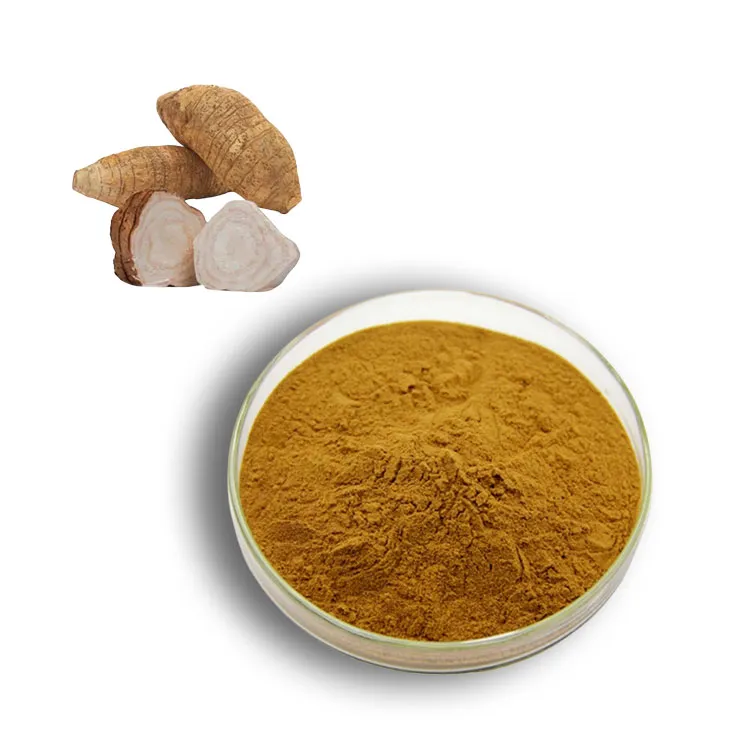
Pueraria Lobata Extract
2026-08-14
-
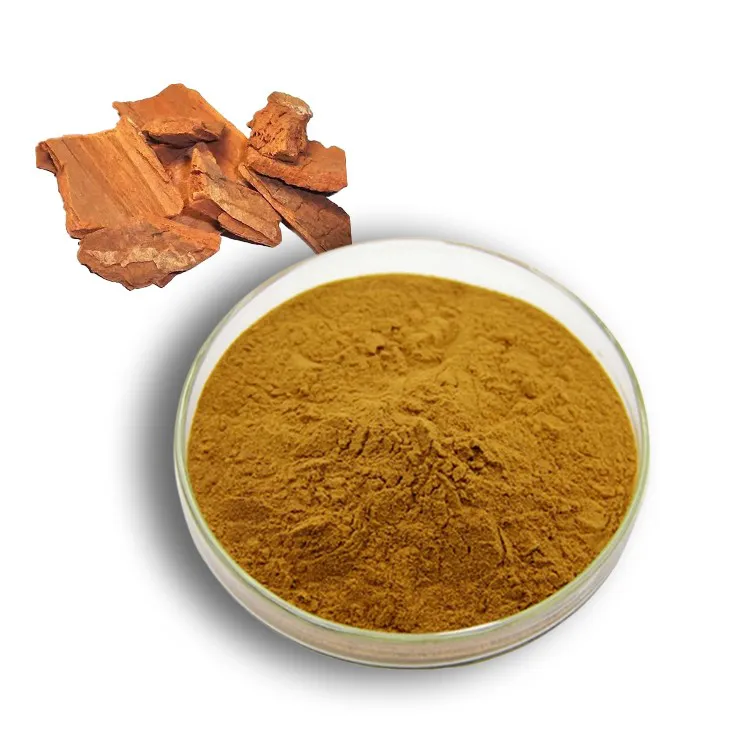
Yohimbine Bark Extract
2026-08-14
-
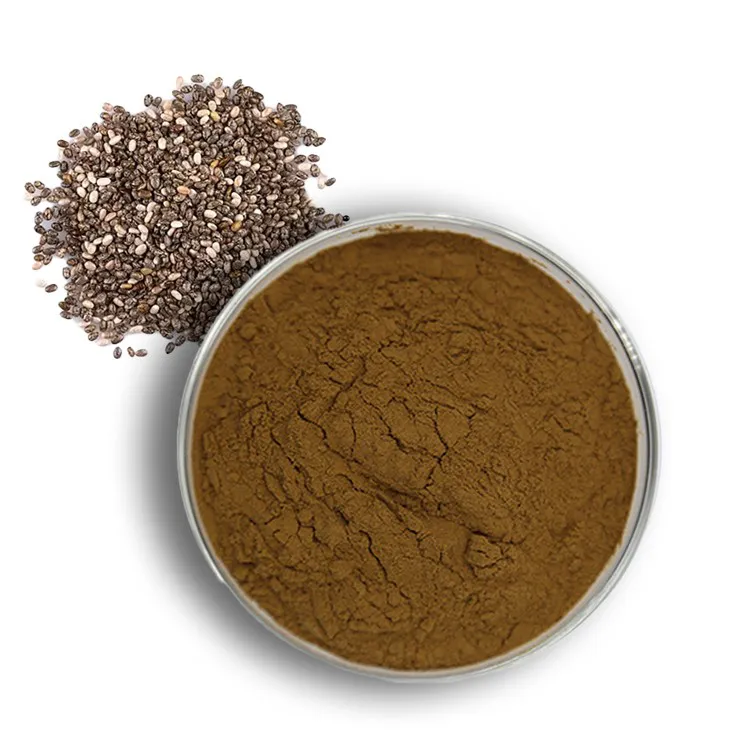
Chia Seed Powder
2026-08-14
-
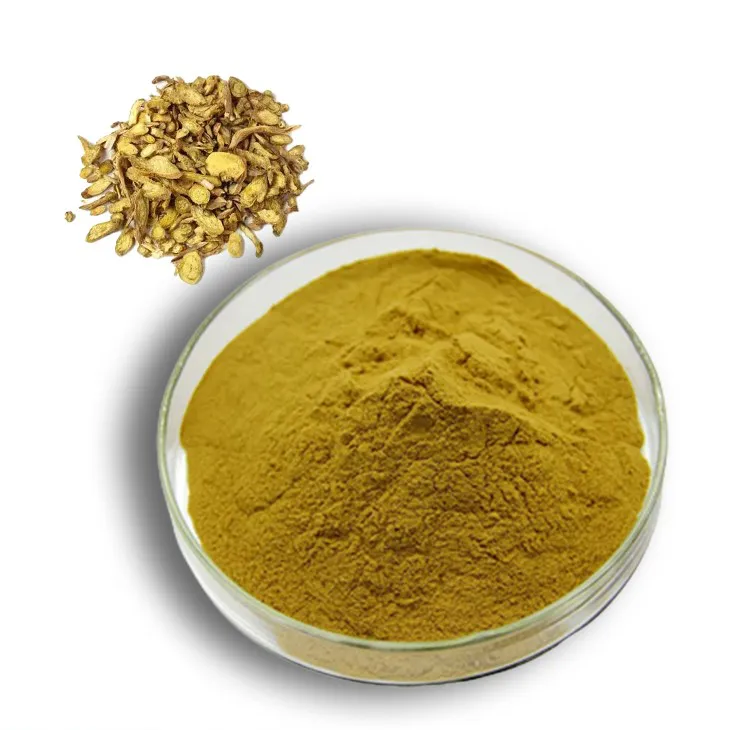
Scutellaria Extract
2026-08-14
-
Yam Extract
2026-08-14
-
Carrageenan Extract Powder
2026-08-14
-
Acerola Juice Powder
2026-08-14
-
Garcinia Cambogia Extract
2026-08-14
