- 0086-571-85302990
- [email protected]




How do I select natural plant extracts for a clean-label product?
2026-08-13
Clean-label products are no longer a niche trend. Consumers increasingly read ingredient lists and expect short, recognizable, plant-based formulations without synthetic additives. For manufacturers and formulators, this shift puts the spotlight on the raw materials behind every label, and few ingredients matter more than natural plant extracts. Choosing the right extract is about more than picking a familiar botanical name; it is about verifying purity, traceability, and the quality systems of the supplier behind it. This guide walks through the practical criteria for selecting natural plant extracts for a clean-label product and explains what to look for in a dependable manufacturing partner.
Why plant extracts fit clean-label products
Plant extracts deliver concentrated bioactive compounds from leaves, roots, bark, flowers, and seeds, and they let formulators add function without resorting to long lists of synthetic additives. A clean-label product benefits from ingredients that are easy to recognize, minimally processed, and backed by transparent sourcing. Because the quality of an extract depends heavily on the raw material, the extraction method, and post-processing control, the choice of supplier directly shapes whether a finished product can honestly carry a clean-label claim.
Key criteria for selecting plant extracts
Before comparing prices or samples, evaluate every candidate extract against a consistent set of technical criteria. These factors determine both safety and performance in the final formulation.
1. Botanical identity and traceability
Always confirm the full scientific name and the plant part used. Different species and different parts of the same plant can have very different phytochemical profiles. A reliable supplier documents the origin of the raw material and can trace each batch back to its source, which is essential for regulatory submissions and for consistency across production runs.
2. Extraction method and solvent residue
The extraction method affects both efficacy and clean-label credibility. Water, ethanol, and CO2-based processes are generally preferred, while residual solvents from low-grade processing can raise safety concerns. Ask for technical data sheets and certificates of analysis that confirm residual solvent levels, so the extract remains compliant with food-grade requirements.
3. Standardization and active content
Standardized extracts guarantee a defined percentage of one or more active constituents, ensuring batch-to-batch consistency. Whether you need a Curcumin extract with a high Curcuminoid content or a red yeast rice powder with a specified Monacolin K level, the specification should be clearly stated and verified by testing rather than left to vague marketing language.
4. Purity and additives
High-quality extracts avoid unnecessary fillers, artificial preservatives, and undisclosed flow agents. For clean-label positioning, the fewer hidden additives, the better. Confirm what is actually in the powder or liquid beyond the active compounds.
5. Testing and certifications
Reputable suppliers provide certificates of analysis covering identity confirmation, heavy metals, microbial contamination, and pesticide residues. Certifications add another layer of assurance. For food and supplement applications, look for recognized systems such as ISO22000, BRCGS, organic standards, HALAL, and Kosher, as well as GMP compliance.
What to expect from a reliable plant extract supplier
A dependable plant extract supplier combines technical expertise with real production capability. Rather than simply reselling powders, an experienced manufacturer can provide documentation, consistent specifications, and support for regulatory submissions. When evaluating a partner, consider whether they control the full chain from raw material selection through production and testing, and whether they can supply the paperwork your market requires.
How a vertically integrated manufacturer supports clean-label
Greensky, founded in 2004 and headquartered in Hangzhou, is one example of a manufacturer built around this kind of control. With more than 20 years of experience and five wholly-owned subsidiaries, the company manages research, development, production, and sales within a single group. Its 100,000-class clean production area meets food-grade requirements, and an independent laboratory equipped with GC, HPLC, and UV instruments supports in-house quality control. This vertical integration means specifications, traceability, and testing are managed in one place, which simplifies the work of formulators who need consistent, well-documented ingredients.
The company produces a broad catalog of botanical extracts, functional red yeast rice, fruit juice powders, and functional food raw materials. Certifications including ISO22000, BRCGS, Ecocert Organic Standard, SGS-GMP, ISO9001, HALAL, and Kosher reflect a commitment to the kind of documentation that clean-label and food-grade products require. Whether a project calls for a standardized red yeast rice powder or a fruit and vegetable extract for a beverage, working with plant extract manufacturers who can supply full documentation reduces risk and shortens development time.
A practical checklist for your next formulation
Use this checklist when reviewing extracts and suppliers for a clean-label product:
- Confirm the botanical name and plant part for every ingredient.
- Review the extraction method and request residual solvent data.
- Check that active content is standardized and clearly specified.
- Ask for current certificates of analysis covering identity, heavy metals, microbes, and pesticides.
- Verify relevant certifications for your target market, such as food safety, organic, HALAL, or Kosher.
- Request samples and run your own verification before committing to bulk orders.
- Confirm the supplier can provide export and regulatory documentation.
Conclusion
Selecting natural plant extracts for a clean-label product comes down to transparency, standardization, and reliable quality systems. By checking botanical identity, extraction methods, active content, purity, and certifications, and by partnering with a manufacturer that controls the full production chain, you can build formulations that are both effective and honest on the label. The most thoroughly documented supplier is usually the safest choice, because consistent, well-tested ingredients are the foundation of any credible clean-label claim.
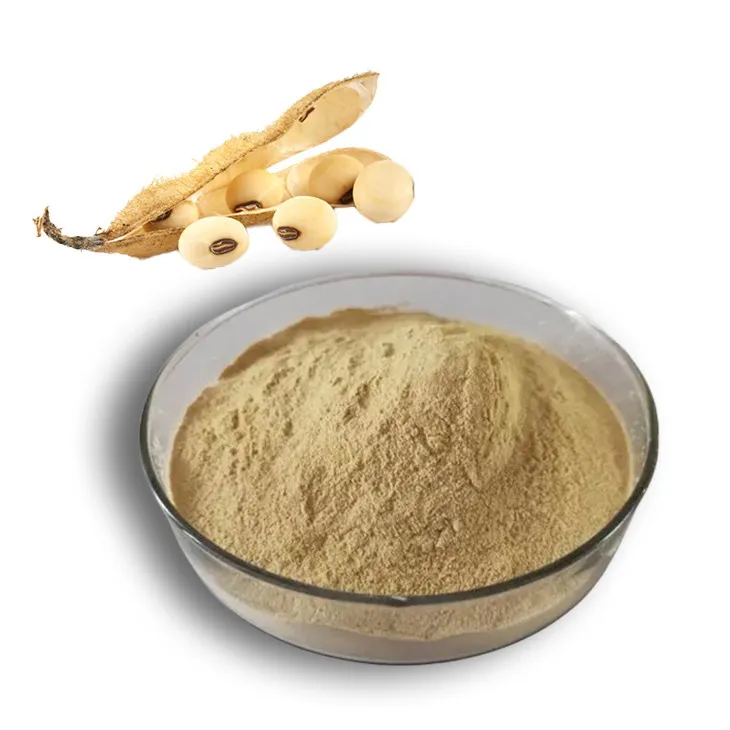
- ▶ Hesperidin
- ▶ Citrus Bioflavonoids
- ▶ Plant Extract
- ▶ lycopene
- ▶ Diosmin
- ▶ Grape seed extract
- ▶ Sea buckthorn Juice Powder
- ▶ Fruit Juice Powder
- ▶ Hops Extract
- ▶ Artichoke Extract
- ▶ Mushroom extract
- ▶ Astaxanthin
- ▶ Green Tea Extract
- ▶ Curcumin
- ▶ Horse Chestnut Extract
- ▶ Other Product
- ▶ Boswellia Serrata Extract
- ▶ Resveratrol
- ▶ Marigold Extract
- ▶ Grape Leaf Extract
- ▶ New Product
- ▶ Aminolevulinic acid
- ▶ Cranberry Extract
- ▶ Red Yeast Rice
- ▶ Red Wine Extract
- ▶ blog
-
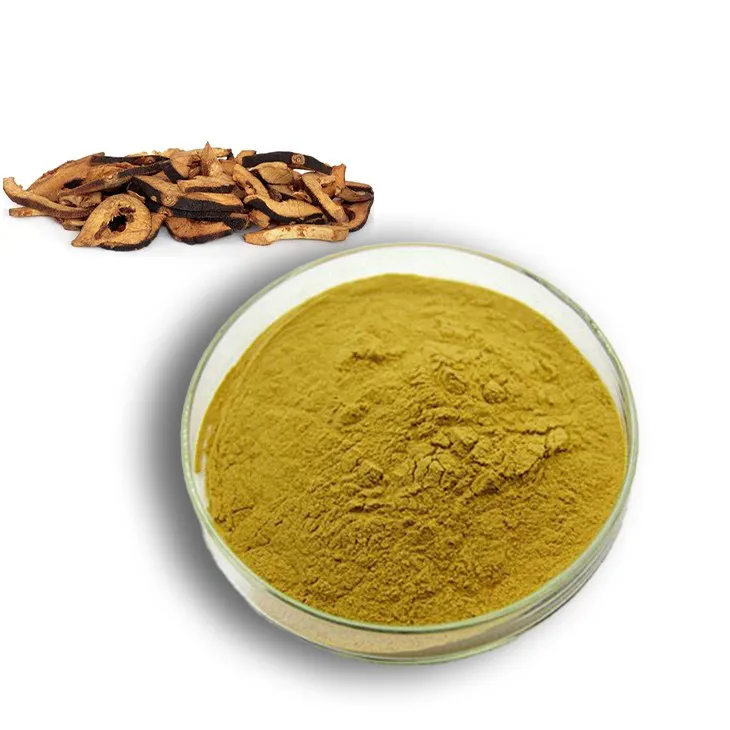
Citrus Aurantium Extract
2026-08-13
-
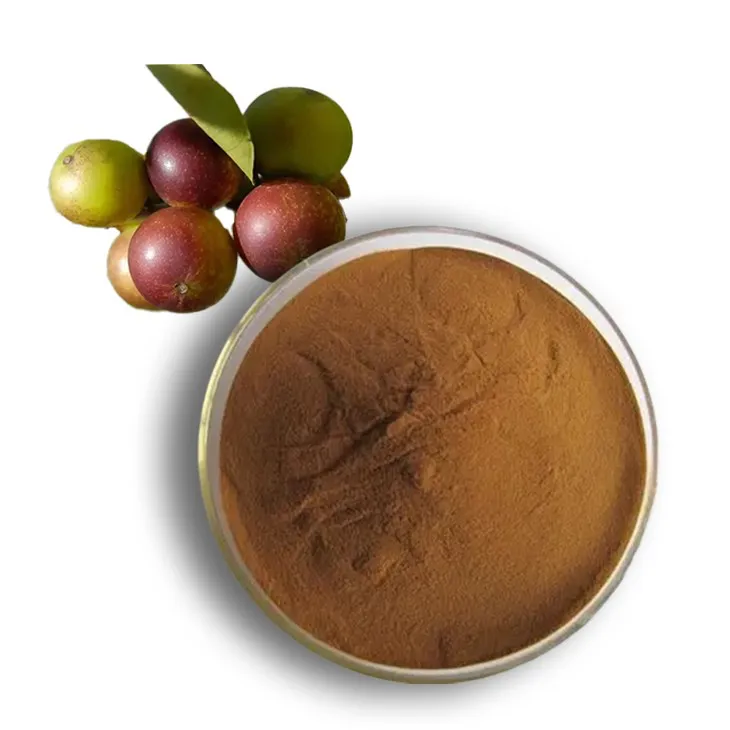
Camu Camu Extract
2026-08-13
-
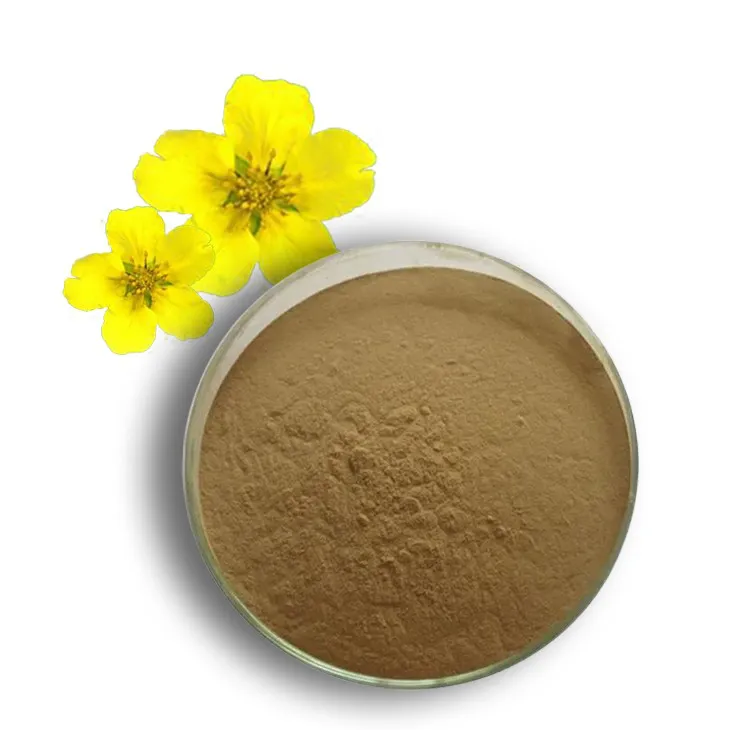
Tormentil Extract
2026-08-13
-
Hesperidin
2026-08-13
-
Mangosteen extract powder
2026-08-13
-
Plantain extract
2026-08-13
-
Lotus leaf extract
2026-08-13
-
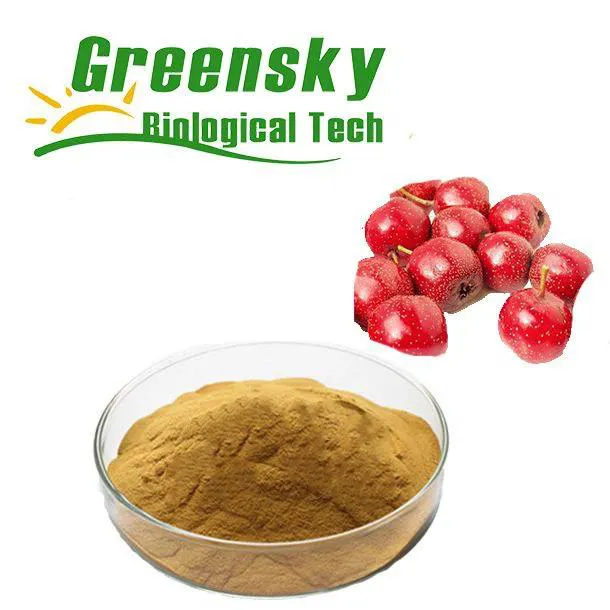
Hawthorn Extract
2026-08-13
-
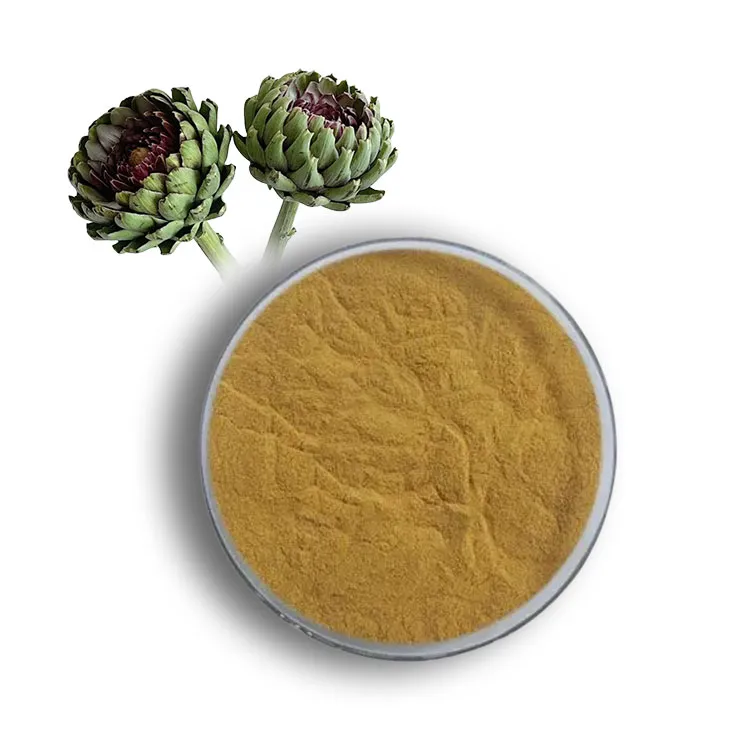
Artichoke Leaf Extract
2026-08-13
-
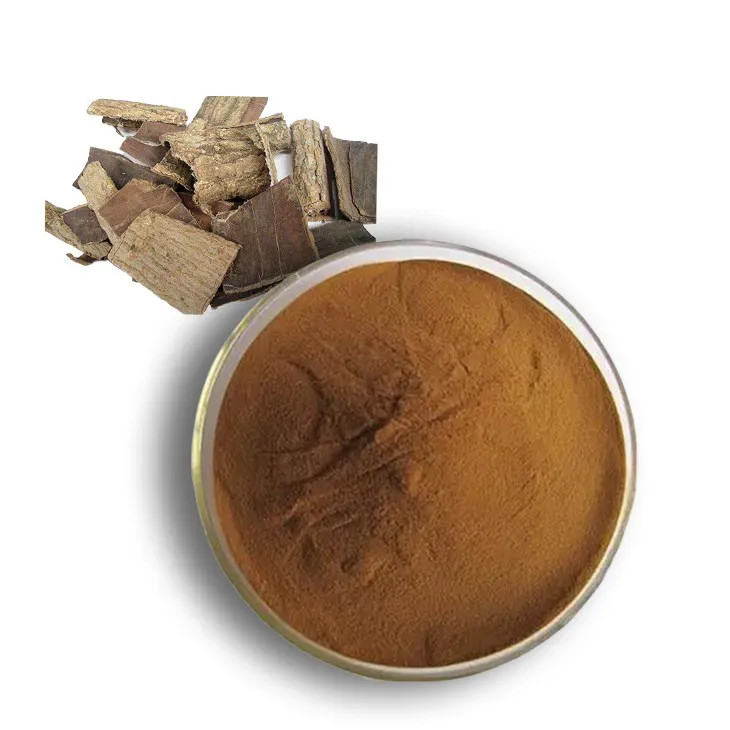
Eucommia Ulmoides Extract
2026-08-13