- 0086-571-85302990
- [email protected]






How do I compare the best moringa leaf powder brand options?
2026-08-15
If you have ever stood in front of a shelf of Moringa powders and wondered why the prices range from a few dollars to thirty or more for the same-looking green powder, you are not alone. The truth is that moringa leaf powder is one of the most variable natural products on the market. Two bags can carry the same name and look similar at a glance, yet differ enormously in nutrient content, freshness, and safety. Comparing brands is not about finding the cheapest option or the most famous label — it is about learning to read what a brand is actually telling you through its sourcing, processing, and testing. This guide walks through the criteria that genuinely separate the best moringa powder options from the rest.
Why the same product can differ so much between brands
Moringa leaf powder is made by drying and grinding the leaves of the Moringa oleifera tree, a plant native to parts of Africa and South Asia that has been used in traditional food systems for centuries. The powder is prized for its dense nutrition — it is a natural source of vitamin C, provitamin A, calcium, potassium, iron, and plant protein. But how much of that nutrition survives depends on decisions made long before the powder reaches a jar.
The leaves can be harvested young or old, from plants grown in rich or depleted soil, dried in the shade, in the sun, or in a heated chamber, and ground to different fineness levels. Each step changes the final product. Leaves dried quickly in the shade keep their bright green color and most of their heat-sensitive nutrients. Leaves dried in direct sun or at high heat turn brownish, lose vitamins, and develop a more bitter taste. This is why the same botanical can produce powders that look and perform completely differently — and why brand comparison has to go deeper than the label.
The criteria that actually separate good brands from average ones
When you compare moringa leaf powder brands, these seven points matter more than price or packaging design:
- Purity of ingredients. A quality product lists only "moringa oleifera leaf powder" on the label. Watch for hidden fillers, anti-caking agents, or vague terms like "natural flavors" that mask added ingredients. Whole-leaf powder should contain the leaf, and nothing else.
- Drying and processing method. Shade-drying or low-temperature drying preserves the nutrients that make moringa valuable. Brands that openly describe their drying process are usually the ones doing it properly. High-heat processing is a warning sign unless it is clearly justified for microbial safety.
- Color and texture. Fresh, well-made Moringa powder is a vibrant green with a fine, silky feel. A dull olive or brownish tone suggests sun-drying, heat damage, or an old batch. Clumping after opening can point to moisture exposure during storage.
- Certifications. Recognized certifications such as organic, GMP, ISO, HALAL, or Kosher show that a producer follows documented quality systems rather than guesswork. They are not just stickers — they represent audits and ongoing inspection.
- Third-party lab testing. The most reliable brands publish Certificates of Analysis (COAs) for each batch, covering heavy metals, microbial counts, and pesticide residues. A brand that cannot or will not show test results is asking you to trust it blindly.
- Origin and traceability. Brands that can name where the moringa is grown and how it is harvested are easier to trust than those that blend from anonymous sources. Traceability matters for consistency between batches.
- Packaging. Opaque, airtight containers protect the powder from light and oxygen, which degrade nutrients. A resealable pouch or dark jar is a small detail with a real effect on freshness.
Red flags to watch for
A few warning signs should make you pause before choosing a brand. Extremely low prices usually mean corners were cut somewhere — often in sourcing or testing. Vague labeling that never says where the moringa comes from or how it was processed is another concern. Exaggerated health claims, such as promises to cure or treat specific conditions, are both a red flag and, in most markets, a regulatory violation. And if a brand advertises "lab tested" but provides no way to see the results, treat the claim as unverified.
If you buy in bulk, compare the manufacturer, not just the brand
For supplement companies, food manufacturers, and distributors, the comparison does not end at the retail brand — it moves upstream to the producer. When you source Moringa powder in volume, the questions change. Ask for a physical sample first and assess its color, aroma, and solubility. Request batch-specific COAs rather than a single generic document. Ask about the production environment, the drying method, and whether the facility is certified for food-grade production. Confirm that the supplier can provide the export and regulatory documentation your market requires.
This is where working with an established moringa powder manufacturer makes the comparison easier. A manufacturer with real production capacity can answer these questions directly instead of forwarding them to a third party. Hangzhou Greensky Biological Tech. Co., Ltd., for example, has been producing plant extracts since 2004 and operates a fully integrated group that covers research, development, and production. Its moringa powder is produced from Moringa oleifera leaves in a 100,000-class clean production area that meets food-grade requirements, with an independent laboratory equipped with GC, HPLC, and UV instruments for in-house quality control. The company holds ISO22000, BRCGS, Ecocert Organic Standard, SGS-GMP, ISO9001, HALAL, and Kosher certifications, and it supplies export-registered product with the documentation needed for global regulatory submissions. That combination of production control and certification is exactly what to look for when evaluating a supplier.
A quick comparison checklist
| What to check | What a good brand looks like |
|---|---|
| Ingredient list | Only moringa oleifera leaf powder |
| Drying method | Shade-dried or low-temperature dried |
| Color | Vibrant green, fine and free-flowing |
| Certifications | Organic, GMP, ISO, HALAL, or Kosher |
| Lab testing | Published batch COAs for heavy metals, microbes, pesticides |
| Traceability | Named origin and transparent sourcing |
| Packaging | Opaque, airtight, resealable |
For buyers who want a shortcut, the most dependable route is to compare manufacturers directly. A producer that publishes its certifications, runs its own laboratory, and opens its production standards to inspection is giving you the information you need to judge quality yourself. That is a far stronger signal than any marketing claim on a retail label.
Comparing moringa leaf powder brands comes down to a handful of questions: What is really in the powder? How was it processed? Who verified it? Once you learn to look past the packaging and check purity, drying method, color, certifications, lab testing, and traceability, the differences between brands become obvious. Whether you are choosing a powder for your own kitchen or sourcing for a production line, the same standards apply. Start with the checklist above, request samples and test reports, and give preference to manufacturers who can show their work. That is how you find a moringa powder you can trust — and how you avoid paying for a label instead of a product.
- ▶ Hesperidin
- ▶ Citrus Bioflavonoids
- ▶ Plant Extract
- ▶ lycopene
- ▶ Diosmin
- ▶ Grape seed extract
- ▶ Sea buckthorn Juice Powder
- ▶ Fruit Juice Powder
- ▶ Hops Extract
- ▶ Artichoke Extract
- ▶ Mushroom extract
- ▶ Astaxanthin
- ▶ Green Tea Extract
- ▶ Curcumin
- ▶ Horse Chestnut Extract
- ▶ Other Product
- ▶ Boswellia Serrata Extract
- ▶ Resveratrol
- ▶ Marigold Extract
- ▶ Grape Leaf Extract
- ▶ New Product
- ▶ Aminolevulinic acid
- ▶ Cranberry Extract
- ▶ Red Yeast Rice
- ▶ Red Wine Extract
- ▶ blog
-
Red Wine Extract
2026-08-15
-
Saffron Extract Powder
2026-08-15
-
Angelica sinensis extract
2026-08-15
-
Rosemary extract
2026-08-15
-
Chaste Berry Extract
2026-08-15
-
Liposomal NMN
2026-08-15
-
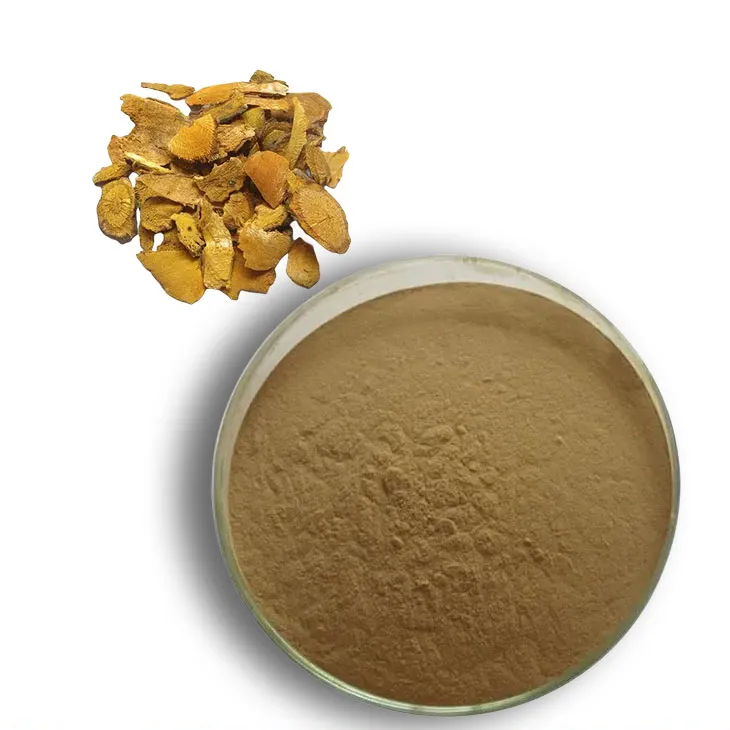
Giant Knotweed Extract
2026-08-15
-
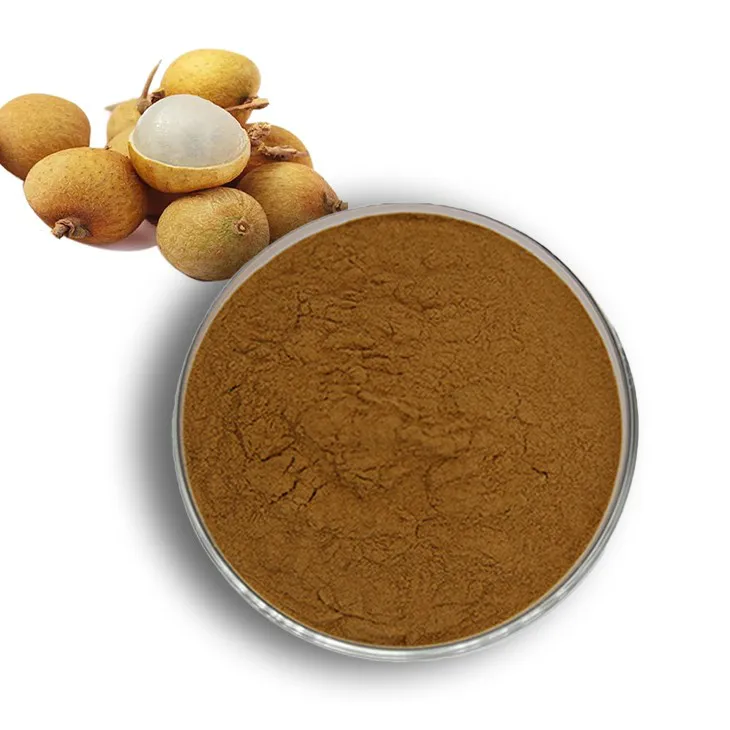
Longan Extract
2026-08-15
-
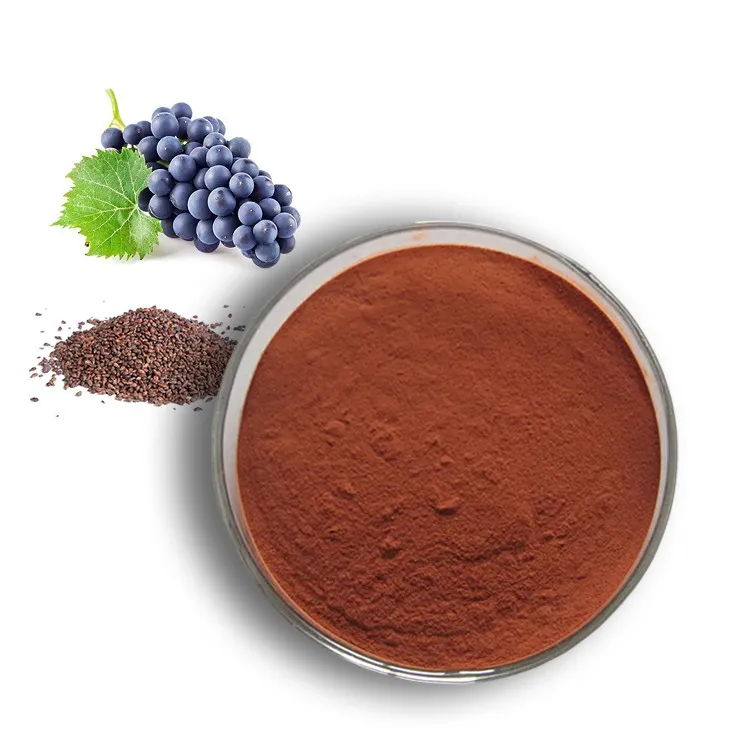
Natural grape seed extract
2026-08-15
-
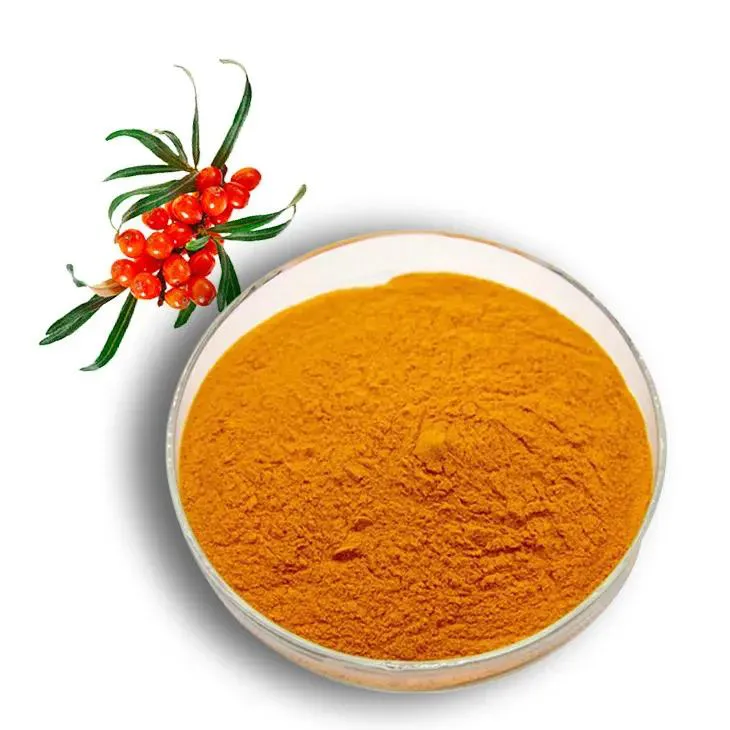
Sea buckthorn Juice Powder
2026-08-15
