- 0086-571-85302990
- [email protected]





Do rosemary extract suppliers provide samples and Certificates of Analysis?
2026-08-19
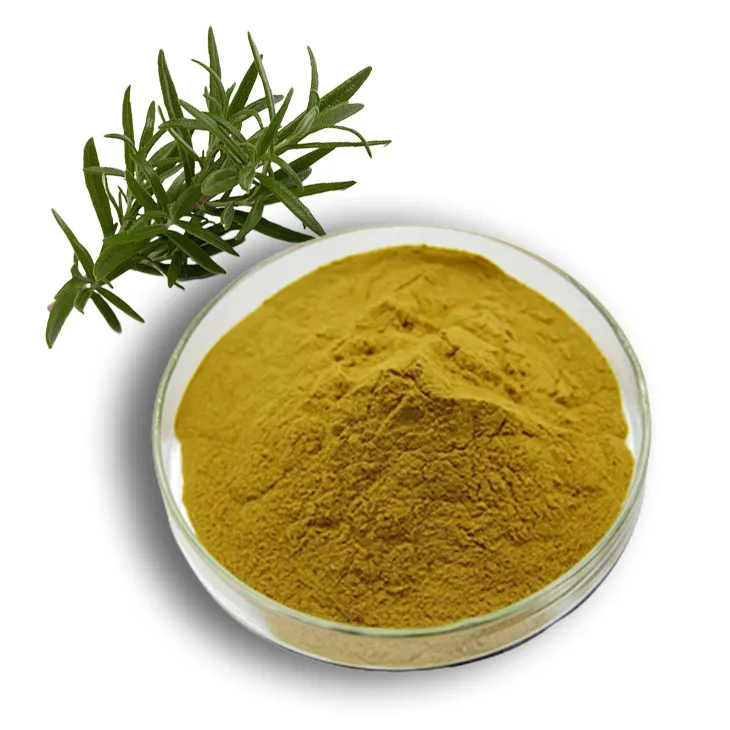
If you have ever sent an inquiry for rosemary extract and promptly received a small pouch in the mail together with a spec sheet, you already know the answer: yes, the short answer is that serious Rosemary extract suppliers provide both pre-shipment samples and Certificates of Analysis (COA). The useful question is not whether they offer them, but how those two documents are prepared, and how you can tell a manufacturer who provides them responsibly from one who simply uploads a PDF. This article walks through what to expect and what to check.
Samples come before contracts in any serious sourcing conversation
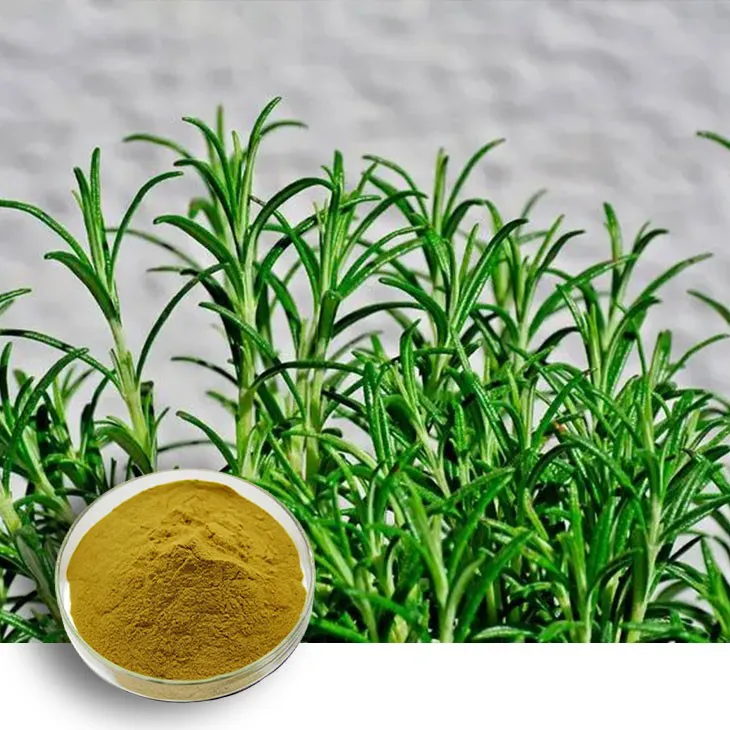
Rosemary extract is a graded ingredient rather than a single product. Depending on the marker used, the carrier, and the target application, the same botanical can be supplied as powder, liquid, or an oil-soluble form, and it can differ in the concentration of actives such as carnosic acid or rosmarinic acid. Because of that variation, no responsible buyer commits to a container load on the strength of a brochure. Samples are the natural first step, and a reputable rosemary extract supplier expects you to ask for one.
A well-run supplier normally keeps the process simple. You request an amount that is enough for your own lab work, typically anywhere from tens of grams for a formulation test to a small box when you plan to run application or stability trials. Many manufacturers provide the first sample free of charge, especially when it will be followed by a bulk order. Others ask you to cover the small sample fee or the freight cost, which is reasonable and no reason to be discouraged. What matters is what arrives with it.
What a genuine sample request should tell you about the supplier
The way a samples request is handled is a surprisingly accurate early signal of how the company operates. A supplier that grew the raw material chain, extracted, and tested the material itself usually responds quickly with a clear lead time. By contrast, a trading house may only be able to forward what a third-party factory already made, which complicates batch traceability later.
- Ask whether the sample comes from the same production batch you would actually receive, not a separate "showcase" batch prepared specially. Production consistency is exactly what you are trying to verify.
- Check whether the packaging shows the lot number and expiry date. A sample with the same traceability markings as bulk goods is a good sign.
- Treat a supplier who can tailor the form to your application, such as a stable powder for a dry blend rather than a default liquid, higher up. Equipment and process control matter more than catalogue length.
Real manufacturing capability shows up in these small details. A factory such as a vertically integrated botanical producer with in-house extraction lines and its own quality lab can walk you through exactly how a given grade was made, because the people answering your questions work where the material was produced.
What a Certificates of Analysis (COA) actually is
A COA is not one general document that describes the product line. It is a batch-by-batch quality report that states what a specific production batch tested as, and it should always be traceable to a lot number. When you buy Rosemary extract in bulk, the COA you ask for during negotiation should be replaced or confirmed against the COA for the actual batch shipped to you.
A useful COA for rosemary extract answers several practical questions at once. First, it names the active markers and their tested levels, which is how you confirm you are getting the grade you specified. Second, it shows the physical properties such as appearance, colour, odour, and particle size. Third, it reports safety parameters, including residual solvent, heavy metals, and microbiology such as total plate count and absence of pathogens. A clear COA is the point where the supplier's claims meet independent, repeatable testing.
The balance between an in-house lab and independent certification
There are two layers of quality evidence, and it helps to understand the difference. In-house testing is the everyday control that happens on every batch inside a factory laboratory. Independent certification is the third-party verification that a facility operates according to recognised standards. A serious rosemary extract manufacturer keeps both arms working.
As a buyer you can reasonably check for a few things on the certificate side. Food-grade plant extract production is commonly underpinned by management-system certifications such as ISO 22000 and ISO 9001, food-safety and quality schemes such as BRCGS, and market-specific marks such as HALAL, Kosher, or organic certification where applicable. These labels tell you that systems exist. The COA tells you whether the individual batch met its specification. You want both.
Why samples and COA should be reviewed together
Samples and Certificates of Analysis each answer half of the same question, and the mistake buyers sometimes make is to rely on only one. A sample without a COA shows you what the material looks and feels like, but says nothing about whether its actives sit within the agreed range. A COA without a sample shows you numbers on paper, but does not let your own development team judge sensory quality, solubility, or handling. Checking them together, and against the same lot, is the reliable path.
This is also the moment to test how well the supplier responds to follow-up. A confident manufacturer is happy for you to request the analytical method used, to clarify a single figure on the certificate, or to ask for additional supporting documents for your regulatory filing. Hesitation about the details is a far more meaningful warning sign than a slightly higher sample cost.
How to request samples and a COA from a rosemary extract supplier
When you are ready to shortlist suppliers, keep the request focused so you can compare answers fairly. Share your target grade, the form you need, the quantity you plan to order, and your destination market, if the product must meet a specific regulatory framework. A responsible manufacturer will then confirm the specification, offer a sample, and provide a COA that matches the grade they can actually supply at scale, avoiding the trap of a grade being showcased only as a sample.
Because rosemary is one of the bulk rosemary extract lines supplied to the food, beverage, and supplement industries, the whole process should feel straightforward. If a supplier can point to a dedicated plant, list the equipment used for extraction, and walk you from leaf to finished powder, you are likely talking to a factory rather than a middleman, and that difference tends to become visible in the quality of both the sample and the documentation that travels with it.
- ▶ Hesperidin
- ▶ Citrus Bioflavonoids
- ▶ Plant Extract
- ▶ lycopene
- ▶ Diosmin
- ▶ Grape seed extract
- ▶ Sea buckthorn Juice Powder
- ▶ Fruit Juice Powder
- ▶ Hops Extract
- ▶ Artichoke Extract
- ▶ Mushroom extract
- ▶ Astaxanthin
- ▶ Green Tea Extract
- ▶ Curcumin
- ▶ Horse Chestnut Extract
- ▶ Other Product
- ▶ Boswellia Serrata Extract
- ▶ Resveratrol
- ▶ Marigold Extract
- ▶ Grape Leaf Extract
- ▶ New Product
- ▶ Aminolevulinic acid
- ▶ Cranberry Extract
- ▶ Red Yeast Rice
- ▶ Red Wine Extract
- ▶ blog
-
Tamarind extract powder
2026-08-19
-
Medicinal Marshmallow Extract
2026-08-19
-
White mustard seed extract
2026-08-19
-
Magnolia Bark Extract
2026-08-19
-
Konjac Powder
2026-08-19
-
American Ginseng Root Extract
2026-08-19
-
Bitter Melon Extract
2026-08-19
-
Phellodendron Extract
2026-08-19
-
Pueraria Lobata Extract
2026-08-19
-
Red Wine Extract
2026-08-19