- 0086-571-85302990
- [email protected]






Do pomegranate extract supplements interact with medications?
2026-08-19
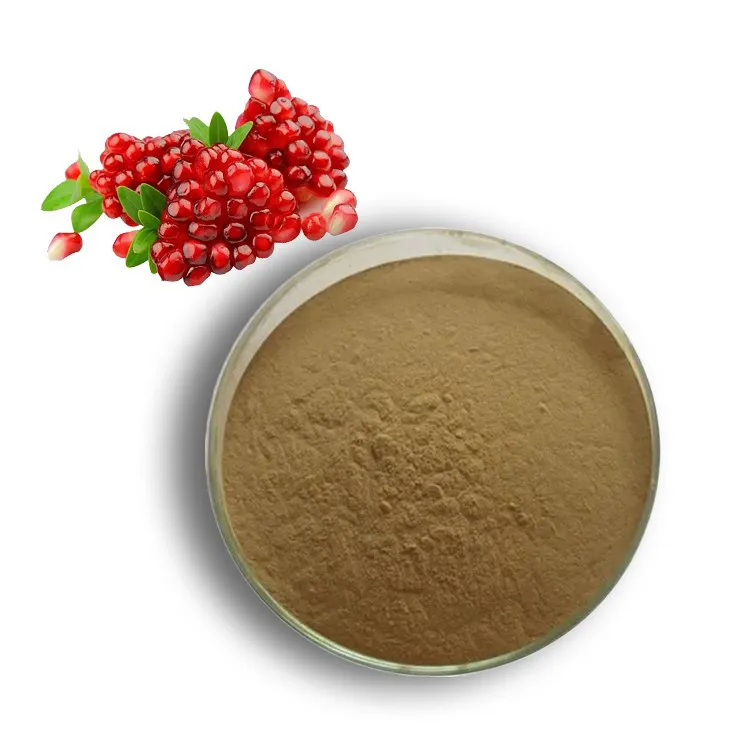
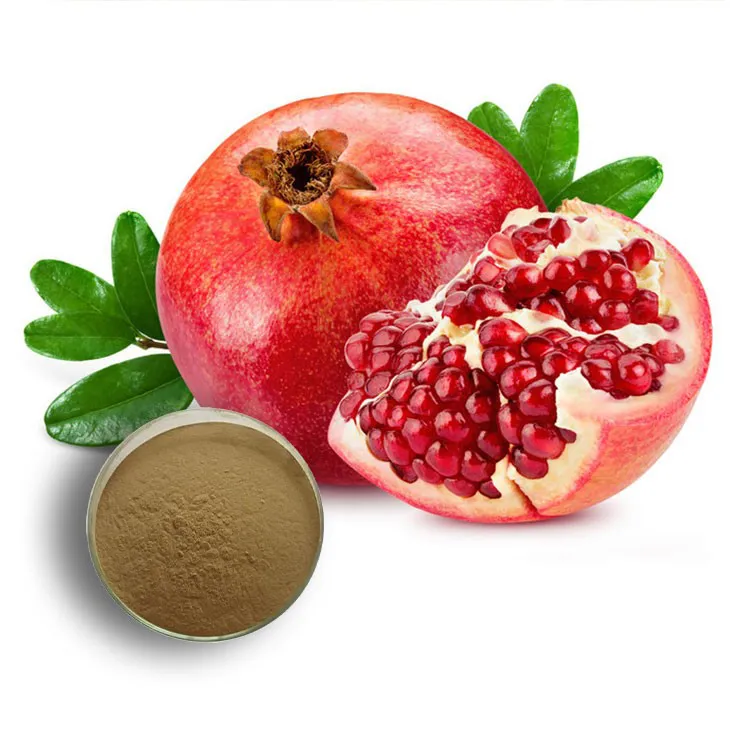
Pomegranate Extract has earned a reputation as one of the most antioxidant-rich botanical ingredients around, and for good reason. It is packed with polyphenols such as ellagic acid and punicalagins, which is why it shows up in everything from heart health formulas to anti-aging supplements. But if you take prescription medication, a sensible question comes up before you add another supplement to your routine: do Pomegranate Extract supplements interact with medications? The short answer is that they can, for certain drugs. The longer answer involves a group of enzymes in your liver and intestines, a handful of specific medication classes, and a few practical steps you can take to stay safe.
What Is Pomegranate Extract?
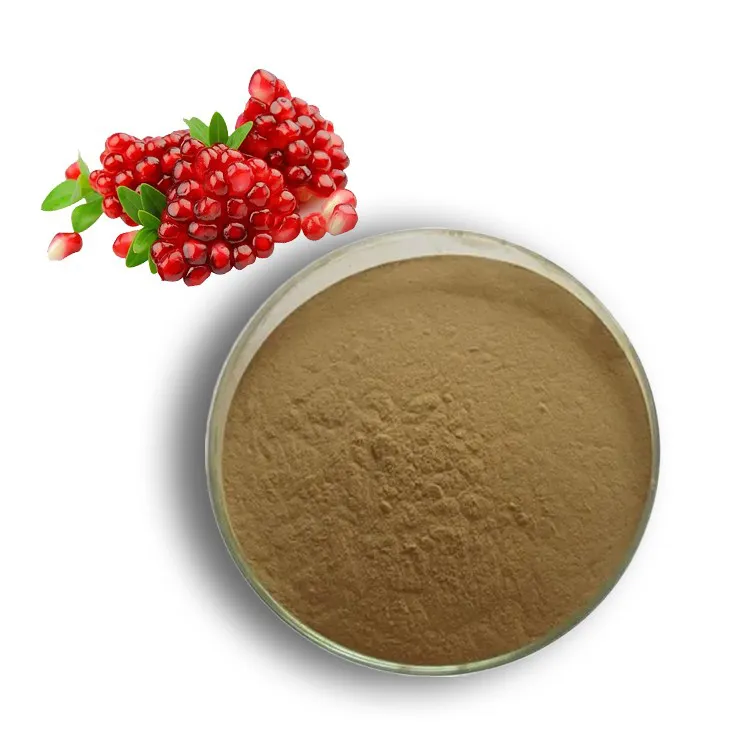
Pomegranate extract is a natural ingredient obtained from the fruit and seeds of the pomegranate (Punica granatum). Unlike simply eating the fruit, the extract concentrates the active compounds, particularly ellagic acid and a family of polyphenols known as ellagitannins, which include punicalagins. These compounds are responsible for most of the extract's antioxidant and anti-inflammatory activity, and they are the same compounds behind the potential medication interactions discussed below. A quality pomegranate extract is standardized to a measurable level of these markers, which matters both for effectiveness and for predictable, consistent use.
How Can Pomegranate Extract Interact With Medications?
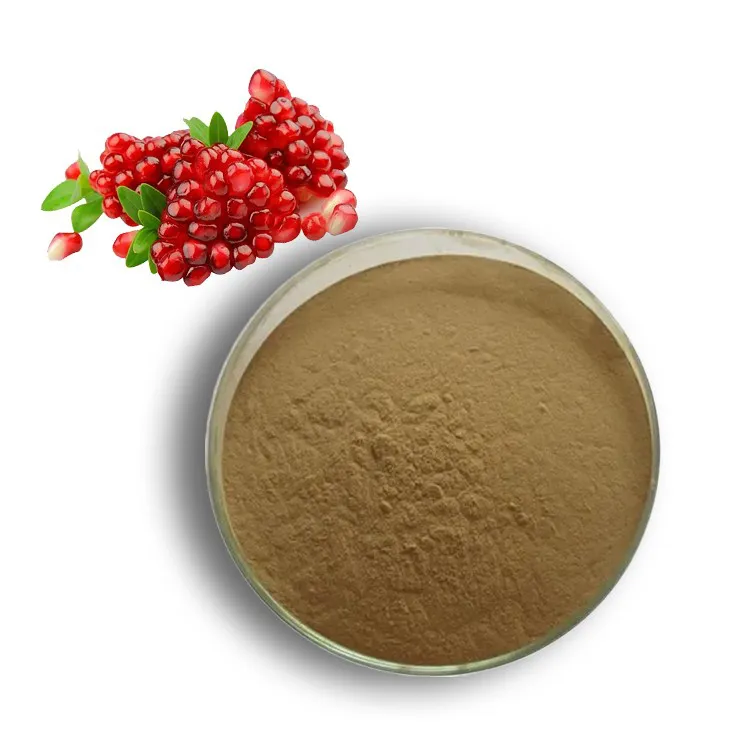
Most drug interactions involving pomegranate come down to a single mechanism: enzyme inhibition. Your body relies on a group of liver and intestinal enzymes called cytochrome P450, the most relevant here being CYP3A4 and CYP2C9, to break down and clear many prescription drugs. Certain compounds in pomegranate can slow these enzymes down. When that happens, a drug that would normally be cleared quickly can linger in your bloodstream at higher levels than intended, which raises the risk of side effects. In principle this is the same type of interaction that makes grapefruit juice famous, although pomegranate's effect is generally considered milder and less consistent from person to person.
Medications That May Interact
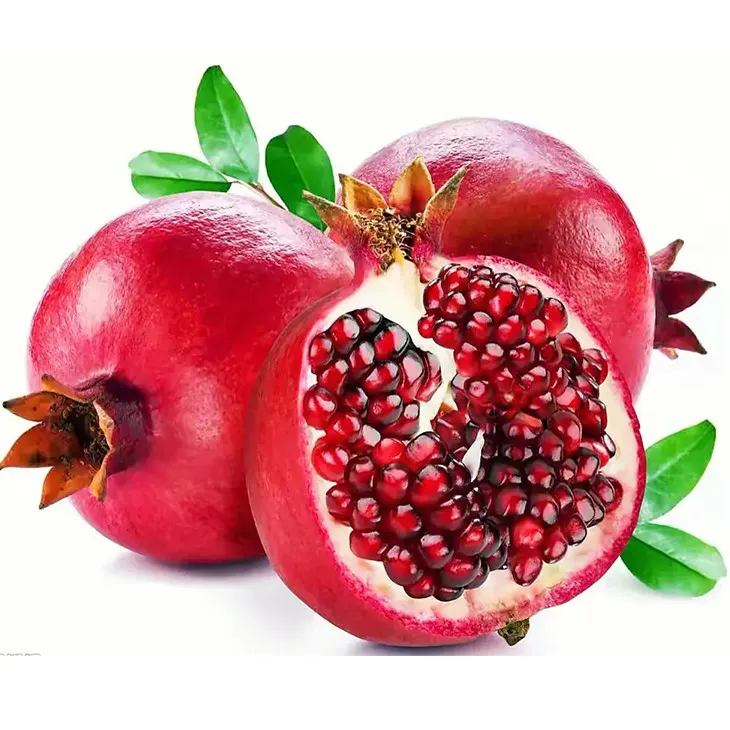
The medications most often discussed in connection with pomegranate fall into a few clear groups:
- Blood thinners (warfarin). Warfarin is the medication most frequently flagged in pomegranate interaction discussions. Pomegranate can inhibit the CYP2C9 and CYP3A4 enzymes that help clear warfarin, which may raise the drug's level in the blood and increase bleeding risk. If you take warfarin, keep your pomegranate intake steady rather than starting and stopping, and have your INR monitored if you change anything about your routine.
- Statins. Statins such as atorvastatin, simvastatin and lovastatin are broken down largely by CYP3A4. If pomegranate slows that enzyme, statin levels can climb, and with them the risk of muscle pain or, in rare cases, more serious muscle problems. Many people combine the two without issue, but it is worth checking with your prescriber, especially if you notice unusual muscle discomfort.
- Blood pressure medications. Pomegranate has its own mild blood-pressure-lowering effect, which is one of the reasons it is studied for cardiovascular health. If you already take medication for high blood pressure, adding pomegranate extract can produce an additive effect, potentially driving blood pressure lower than intended. This is usually manageable, but it is worth flagging with your doctor, particularly when you first start.
- ACE inhibitors. ACE inhibitors work by blocking an enzyme involved in blood pressure regulation, and pomegranate polyphenols appear to have a similar, much weaker activity of their own. The concern is a possible additive effect, meaning the two together could lower blood pressure more than either alone.
- Proton pump inhibitors. Some sources note that pomegranate may interfere with the absorption of proton pump inhibitors such as omeprazole, which could reduce how well the medication works. The evidence here is thinner, but if you take a PPI and notice your symptoms changing, it is worth mentioning to your doctor.
- Other CYP3A4-metabolized drugs. Because the enzyme-inhibition effect is not limited to one drug class, pomegranate could in theory affect any medication that relies heavily on CYP3A4, including certain immunosuppressants, antiarrhythmics and some psychiatric medications. For drugs with a narrow therapeutic window, even a modest change in blood levels matters, so it is always safest to confirm with the prescribing doctor.
What the Evidence Actually Shows
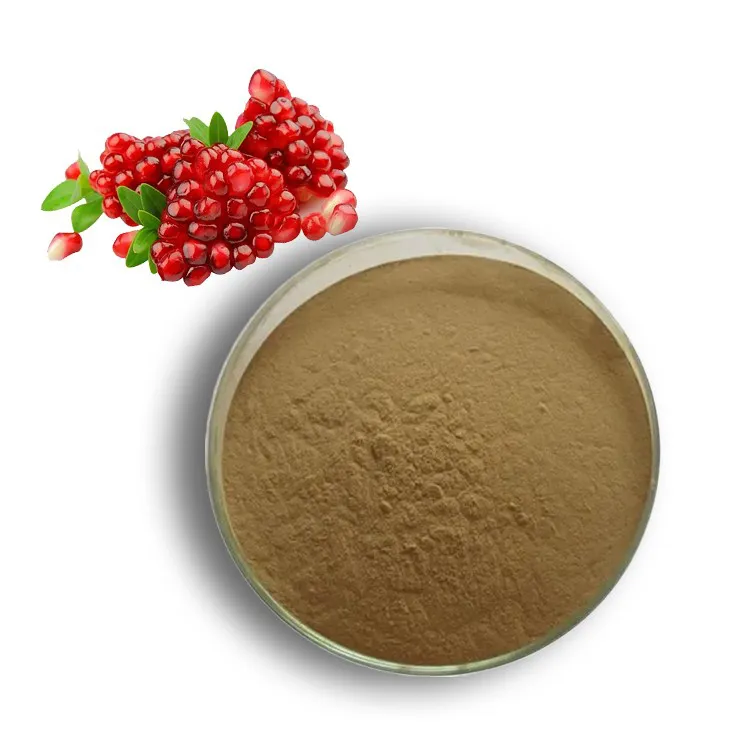
Here is where things get more nuanced. Much of what we know about pomegranate interactions comes from laboratory studies and enzyme-inhibition theory rather than large clinical trials in people, and the clinical evidence that does exist is mixed. For example, a study in healthy volunteers found that neither pomegranate juice nor pomegranate extract impaired the body's clearance of flurbiprofen, a drug metabolized by CYP2C9, a result that diverged from what lab tests had predicted. What this means in practice is that interactions are possible but not guaranteed, and individual response varies. The responsible approach is to assume a potential interaction exists, talk to your healthcare provider, and never stop or adjust a prescription medication on your own.
How to Take Pomegranate Extract Safely
None of this means you have to avoid pomegranate extract entirely. For most people it is well tolerated, and a few simple habits make it much easier to use alongside medication:
- Talk to your doctor or pharmacist before starting, especially if you take any of the medication classes listed above.
- Keep your intake consistent rather than starting and stopping, since a steady routine is easier for your prescriber to work with.
- Start with a lower dose and watch how you feel, particularly for dizziness, unusual bruising or bleeding, or muscle pain.
- Follow the dosage on the label and choose a product from a reputable manufacturer that can show you the specification and test results for the extract.
Frequently Asked Questions
Can I take pomegranate extract with warfarin? It is possible that pomegranate raises warfarin levels by slowing the enzymes that clear it, which could increase bleeding risk. Check with your doctor first and keep your INR monitored if you use both.
Can I take pomegranate extract with statins? Pomegranate may slow the breakdown of statins such as atorvastatin and simvastatin, potentially raising their levels. Many people combine them without problems, but mention it to your prescriber and watch for muscle symptoms.
Is pomegranate extract safe in general? Yes, for most healthy adults it is very well tolerated. The main cautions are mild digestive discomfort at very high doses and the potential interactions described above.
Should I stop my medication if I take pomegranate extract? No. Never stop or adjust a prescription medication on your own. Speak with your doctor, who can help you decide whether the extract fits your routine.
Final Takeaway
Pomegranate extract is a genuinely useful botanical ingredient, and for most people it is a safe addition to a healthy routine. But because it can influence the enzymes that process certain medications, the honest answer to "do pomegranate extract supplements interact with medications?" is: they can, particularly blood thinners, statins, blood pressure drugs and ACE inhibitors. The good news is that with a quick conversation with your doctor or pharmacist, a consistent routine and a quality product, most people can enjoy the benefits without problems.
When you are choosing a supplement or sourcing the raw ingredient, the quality of the extract itself matters. A reliable plant extract supplier should be able to share full specifications, third-party test results and regulatory documentation. Greensky, a plant extract manufacturer founded in 2004 with over 20 years of experience in botanical ingredients, produces pomegranate extract in a 100,000-class clean production area, with an in-house laboratory equipped with HPLC and other analytical instruments, and holds certifications including ISO22000, BRCGS, HALAL and Kosher. Their team can help you match the right specification to your target market.
- ▶ Hesperidin
- ▶ Citrus Bioflavonoids
- ▶ Plant Extract
- ▶ lycopene
- ▶ Diosmin
- ▶ Grape seed extract
- ▶ Sea buckthorn Juice Powder
- ▶ Fruit Juice Powder
- ▶ Hops Extract
- ▶ Artichoke Extract
- ▶ Mushroom extract
- ▶ Astaxanthin
- ▶ Green Tea Extract
- ▶ Curcumin
- ▶ Horse Chestnut Extract
- ▶ Other Product
- ▶ Boswellia Serrata Extract
- ▶ Resveratrol
- ▶ Marigold Extract
- ▶ Grape Leaf Extract
- ▶ New Product
- ▶ Aminolevulinic acid
- ▶ Cranberry Extract
- ▶ Red Yeast Rice
- ▶ Red Wine Extract
- ▶ blog
-
Agaricus Blazei Extract
2026-08-19
-
American Ginseng Root Extract
2026-08-19
-
Garcinia Cambogia Extract
2026-08-19
-
Jujube Extract
2026-08-19
-
Nattokinase
2026-08-19
-
Soy Extract
2026-08-19
-
Mangosteen extract powder
2026-08-19
-
Kelp Extract Powder
2026-08-19
-
Acerola Juice Powder
2026-08-19
-
Tormentil Extract
2026-08-19
