- 0086-571-85302990
- [email protected]





Define astaxanthin and explain how it works.
2026-08-15
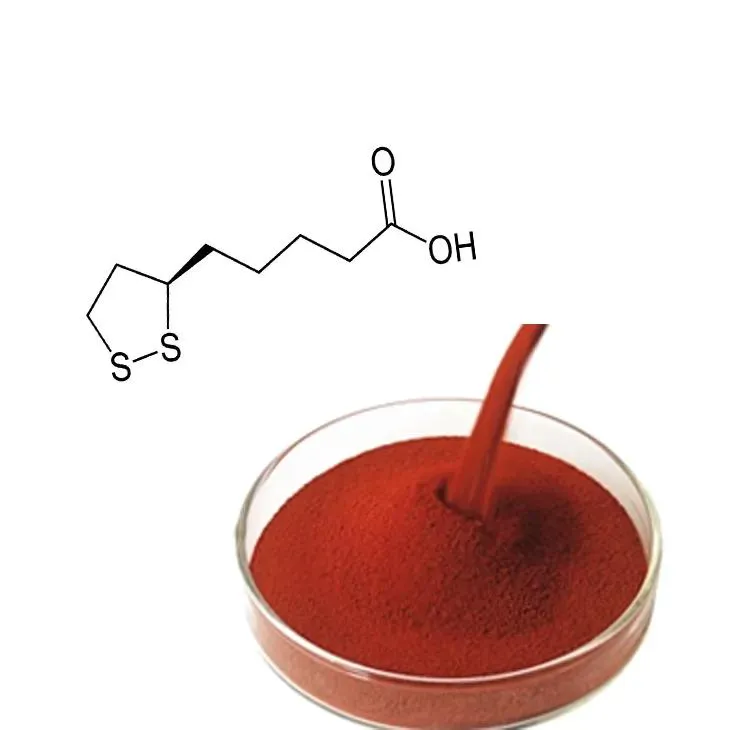
Astaxanthin is one of the most talked-about natural compounds in the health and nutrition world today, and for good reason. It is a naturally occurring pigment that gives salmon, shrimp, lobster, and flamingos their distinctive pink-red color, but its real value goes far beyond appearance. This article explains exactly what Astaxanthin is, where it comes from, and how it works inside the body to support health.
What is Astaxanthin?
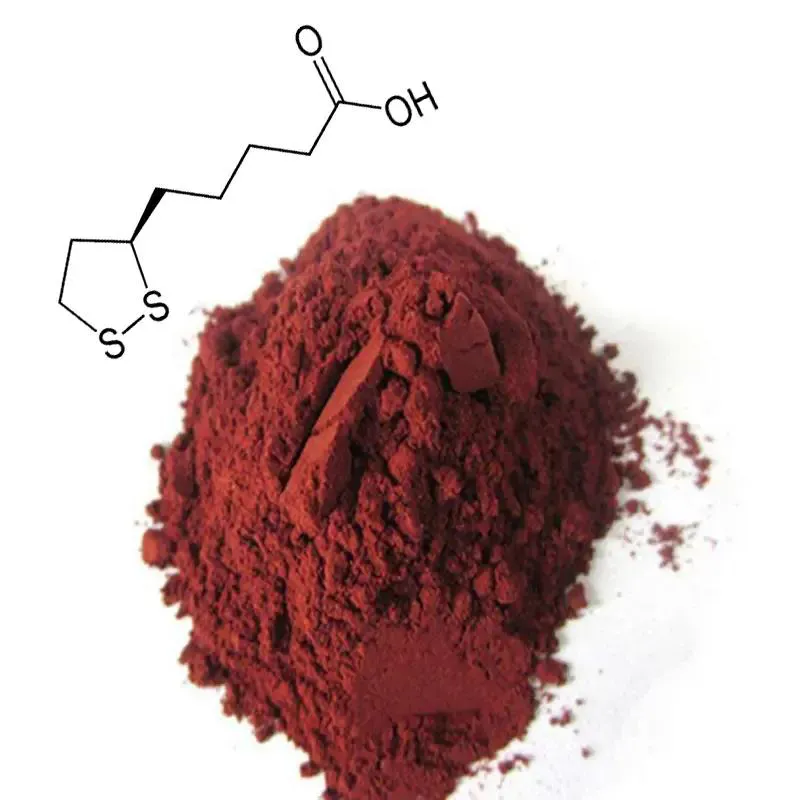
Astaxanthin is a carotenoid, a family of naturally occurring pigments found in plants, algae, and some animals. More specifically, it belongs to a subgroup called xanthophylls, which are oxygen-containing carotenoids. Its chemical name is 3,3′-dihydroxy-β,β-1-carotene-4,4′-dione, and its molecular formula is C40H52O4.
Unlike beta-carotene, which the body can convert into vitamin A, astaxanthin does not have pro-vitamin A activity. Instead, its reputation rests on something else: it is widely regarded as one of the most powerful natural antioxidants known to science. In fact, its antioxidant activity has been reported to far exceed that of many other well-known carotenoids and even conventional antioxidants such as vitamin E.
Where does astaxanthin come from?
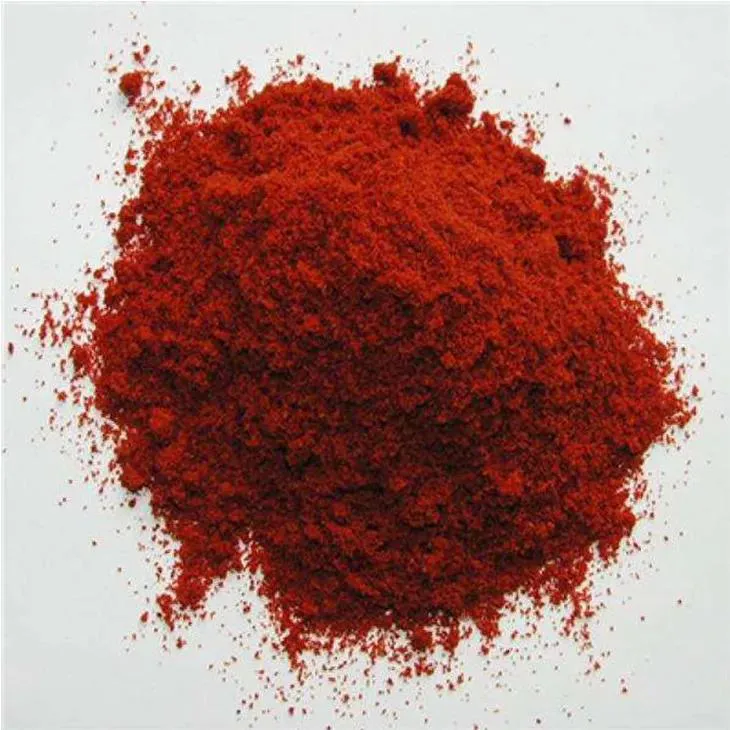
Astaxanthin is produced naturally by microalgae, most notably Haematococcus lacustris (formerly known as Haematococcus pluvialis), which is considered the richest natural source. When these algae are eaten by small crustaceans such as krill and shrimp, the pigment moves up the food chain. Fish like salmon and trout accumulate it in their flesh, and birds like flamingos pick it up from the shellfish they eat, which is why they appear pink.
For dietary supplements and food ingredients, astaxanthin is typically produced in one of two ways: extracted from cultivated microalgae, or produced synthetically. Natural astaxanthin from algae is generally preferred for human nutrition because it occurs in the same molecular form found in nature.
How does astaxanthin work?
To understand how astaxanthin works, it helps to understand the problem it addresses. The body constantly produces unstable molecules called free radicals, which are atoms or molecules carrying an unpaired electron. Because electrons prefer to be paired, free radicals try to steal electrons from other molecules, and when they do, they can damage important structures such as cell membranes, proteins, and DNA. This process, known as oxidative stress, is linked to aging and a wide range of chronic conditions.
Antioxidants work by donating electrons to free radicals, neutralizing them before they can cause harm. Astaxanthin is exceptionally good at this job for a few reasons. First, its long chain of conjugated double bonds allows it to absorb and neutralize free radicals very efficiently. Second, its unique molecular structure lets it span the entire width of the cell membrane, so it can protect both the outer and inner surfaces of cells, something many other antioxidants cannot do. Third, it helps activate the body’s own internal antioxidant defense systems, including pathways that boost enzymes such as superoxide dismutase and catalase.
Beyond its antioxidant role, astaxanthin also has notable anti-inflammatory properties. It can help regulate inflammatory signaling in the body, which is one reason researchers are studying it across so many areas of health.
What are the health benefits of astaxanthin?
Because of the way it works, astaxanthin has been extensively researched for a range of health applications. It is commonly used to support eye health, where it may help protect the retina from light-induced damage and support comfortable vision during prolonged screen use. It is also popular in skin care, where its antioxidant action helps defend the skin against UV-related stress and supports a healthy, youthful appearance.
Cardiovascular health is another major area of interest. Studies suggest astaxanthin may help support healthy blood lipid levels and normal blood pressure, and its anti-inflammatory action may benefit the health of blood vessels. It is also studied for immune support, helping the body maintain a balanced and responsive immune system, as well as for supporting recovery after exercise by reducing exercise-induced muscle soreness.
While research is ongoing and results vary from person to person, the consistent theme across these areas is that astaxanthin helps the body manage oxidative stress and inflammation, two processes that underlie many aspects of aging and wellness.
Natural vs. synthetic astaxanthin
Not all astaxanthin is the same. Natural astaxanthin from microalgae exists mainly in the 3S,3′S form, which is the form most commonly found in nature and the one favored for human consumption. Synthetic astaxanthin, by contrast, is a mixture of several forms and is more commonly used in animal feed such as aquaculture. For brands and manufacturers developing supplements for people, natural astaxanthin derived from Haematococcus algae is generally the preferred choice.
Choosing a reliable astaxanthin supplier
For supplement brands, food companies, and formulators, the quality of the astaxanthin raw material determines the quality of the final product. Working with an experienced astaxanthin manufacturer ensures consistent purity, reliable documentation, and a stable supply chain. A trustworthy astaxanthin supplier should be able to provide certificates of analysis, regulatory documentation, and clear specifications for every batch.
Greensky, a professional plant extract manufacturer based in Hangzhou, China, has been producing natural active botanical ingredients since 2004. Its vertically integrated operation covers research, development, and production, with an independent laboratory equipped with HPLC, GC, and UV instruments, and a clean production area that meets food-grade requirements. If you are looking to buy astaxanthin in bulk for your product line, Greensky’s team can support you with specifications, samples, and export documentation.
Conclusion
Astaxanthin is a remarkable natural compound that combines powerful antioxidant activity with anti-inflammatory benefits. It works by neutralizing free radicals, protecting cell membranes from oxidative damage, and supporting the body’s own defense systems. Whether your interest is eye health, skin care, cardiovascular support, or immunity, astaxanthin is one of the most versatile ingredients in the natural health space. And when it comes to sourcing, choosing an experienced manufacturer makes all the difference in quality and consistency.
TAGS:
- ▶ Hesperidin
- ▶ Citrus Bioflavonoids
- ▶ Plant Extract
- ▶ lycopene
- ▶ Diosmin
- ▶ Grape seed extract
- ▶ Sea buckthorn Juice Powder
- ▶ Fruit Juice Powder
- ▶ Hops Extract
- ▶ Artichoke Extract
- ▶ Mushroom extract
- ▶ Astaxanthin
- ▶ Green Tea Extract
- ▶ Curcumin
- ▶ Horse Chestnut Extract
- ▶ Other Product
- ▶ Boswellia Serrata Extract
- ▶ Resveratrol
- ▶ Marigold Extract
- ▶ Grape Leaf Extract
- ▶ New Product
- ▶ Aminolevulinic acid
- ▶ Cranberry Extract
- ▶ Red Yeast Rice
- ▶ Red Wine Extract
- ▶ blog
-
Grape Seed Extract
2026-08-15
-
Thunder God Vine Extract
2026-08-15
-
Cassia Seed Extract
2026-08-15
-
Centella Asiatica Extract
2026-08-15
-
Baobab Fruit Extract
2026-08-15
-
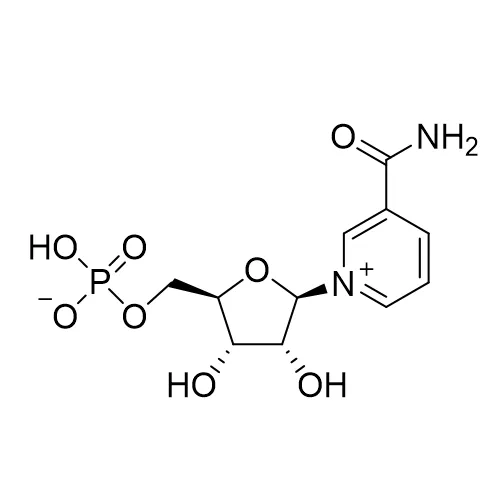
Liposomal NMN
2026-08-15
-
Kupilu Extract
2026-08-15
-
Lemon Juice Powder
2026-08-15
-
Clove Powder
2026-08-15
-
Carrageenan Extract Powder
2026-08-15