- 0086-571-85302990
- [email protected]






Can red yeast rice with coq10 provide additional cardiovascular benefits?
2026-08-14

Heart health is a topic that never goes out of style, and for good reason. Cardiovascular disease remains one of the leading causes of death worldwide, and high cholesterol sits near the top of the list of modifiable risk factors. In recent years, two natural ingredients have steadily gained attention for their complementary roles in supporting the cardiovascular system: red yeast rice and Coenzyme Q10. When combined, do they really offer additional benefits? Let's look at what the science says and how the two work together.
What is red yeast rice?
Red yeast rice is a traditional food ingredient produced by fermenting rice with a specific yeast, most commonly Monascus purpureus. During fermentation, a family of naturally occurring compounds called monacolins is formed. The most studied of these is Monacolin K, which works by inhibiting an enzyme called HMG-CoA reductase, the same target used by many cholesterol-management drugs. This is why red yeast rice has become one of the most talked-about natural options for supporting healthy cholesterol levels.
Not all red yeast rice is created equal, however. The amount of Monacolin K can vary widely from one batch to another, and quality depends heavily on the fermentation process and the standards of the manufacturer. A reputable supplier will control the Monacolin K content within a defined range. Greensky, for example, produces functional red yeast rice containing 0.2% to 5% Monacolin K, fermented under a strict technological process. Cleanliness is another key point: a trusted product should be free of citrinin, a fermentation by-product that is best avoided.
Why Coenzyme Q10 matters
Coenzyme Q10, often written as CoQ10, is a fat-soluble compound found in the membranes of nearly every cell in the body. It is a vital part of the mitochondrial respiratory chain, meaning it helps cells produce energy. It also acts as a powerful antioxidant, protecting cells from oxidative stress. Levels of CoQ10 naturally decline with age, and there is evidence to suggest that certain cholesterol-lowering approaches can further deplete the body's stores of this nutrient.
Because CoQ10 is so closely tied to energy production in the heart muscle and to antioxidant defense, pairing it with a cholesterol-supporting ingredient like red yeast rice is a logical combination. The idea is simple: one ingredient works on the lipid profile, while the other supports the cells and tissues that need to stay healthy along the way.
What the research shows about combining them
Clinical studies have looked specifically at the combination of red yeast rice and CoQ10. In one year-long study of young adults with mildly elevated cholesterol, participants took a daily supplement containing red yeast rice (equivalent to 10 mg of Monacolin K) together with 30 mg of CoQ10 while following a Mediterranean-style diet. By the end of the year, total cholesterol dropped from about 227 mg/dl to 201 mg/dl, LDL cholesterol fell from roughly 150 mg/dl to 130 mg/dl, and triglycerides also decreased. The same study reported a reduction in high-sensitivity C-reactive protein, a marker of inflammation, as well as improvements in measures of carotid artery wall thickness and elasticity.
These findings are encouraging, but they should be read with care. The study population was small, and the participants were healthy enough to avoid drug therapy. What the results do suggest is that the combination appears to be well tolerated and may offer a multitargeted approach for people with mild to moderate cholesterol concerns who are looking for a natural first step.
The practical case for the combination
For many people, the appeal of pairing red yeast rice with CoQ10 is that the two ingredients address different parts of the same problem. Red yeast rice targets the production of cholesterol in the liver, while CoQ10 supports the energy and antioxidant needs of the heart and blood vessels. This complementary mechanism is the reason the combination is so common in formulated supplements, and why many consumers specifically search for a red yeast rice supplement that also includes CoQ10.
It is also worth remembering that no supplement works in a vacuum. Diet, physical activity, stress management, and regular checkups all play a role. A product like this is best seen as one part of an overall heart-healthy lifestyle, not a replacement for medical advice.
Choosing a quality source
Because the quality of red yeast rice varies so widely, the choice of supplier matters a great deal for brands and formulators. When sourcing, look for a manufacturer that can document consistent Monacolin K levels, confirm the absence of citrinin, and back its production with recognized certifications. Greensky, a manufacturer founded in 2004 with more than twenty years of experience in botanical ingredients, produces red yeast rice under food-grade conditions and holds certifications including ISO22000, BRCGS, HALAL, and Kosher. For businesses looking for a reliable red yeast rice manufacturer for their own formulations, verifying these details is an essential part of the process.
Final thoughts
So, can red yeast rice with CoQ10 provide additional cardiovascular benefits? The available evidence points in a promising direction. The two ingredients work through different mechanisms, and controlled studies suggest the combination can support cholesterol levels, reduce markers of inflammation, and even improve vascular flexibility. As with any supplement, quality and consistency of the raw materials are the foundation of a trustworthy product. By choosing a well-controlled red yeast rice and combining it thoughtfully with CoQ10, manufacturers and consumers alike can add a meaningful natural option to a heart-healthy approach.
TAGS:
- ▶ Hesperidin
- ▶ Citrus Bioflavonoids
- ▶ Plant Extract
- ▶ lycopene
- ▶ Diosmin
- ▶ Grape seed extract
- ▶ Sea buckthorn Juice Powder
- ▶ Fruit Juice Powder
- ▶ Hops Extract
- ▶ Artichoke Extract
- ▶ Mushroom extract
- ▶ Astaxanthin
- ▶ Green Tea Extract
- ▶ Curcumin
- ▶ Horse Chestnut Extract
- ▶ Other Product
- ▶ Boswellia Serrata Extract
- ▶ Resveratrol
- ▶ Marigold Extract
- ▶ Grape Leaf Extract
- ▶ New Product
- ▶ Aminolevulinic acid
- ▶ Cranberry Extract
- ▶ Red Yeast Rice
- ▶ Red Wine Extract
- ▶ blog
-
Red Wine Extract
2026-08-14
-
Epimedium extract powder
2026-08-14
-
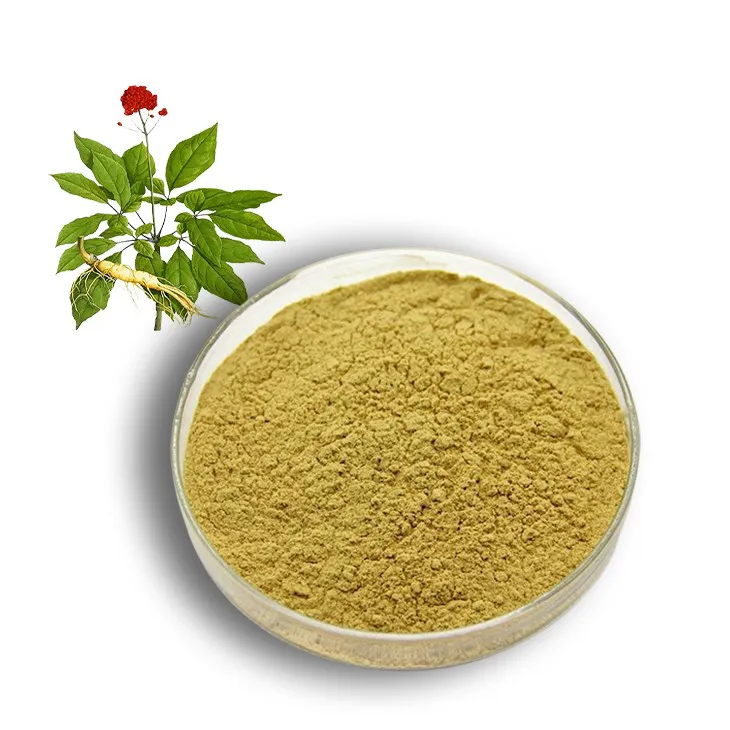
Panax Ginseng Leaf Extract
2026-08-14
-
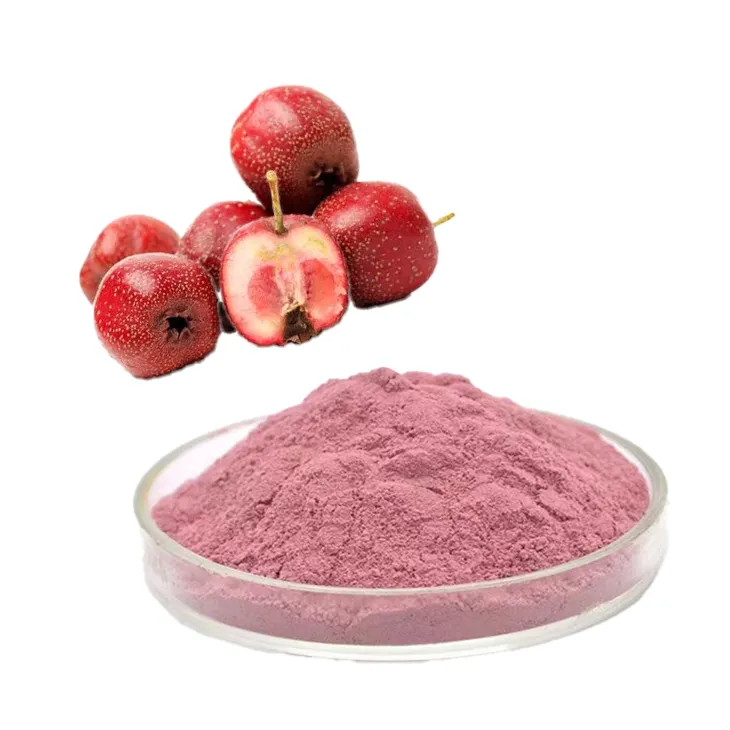
Hawthorn powder
2026-08-14
-
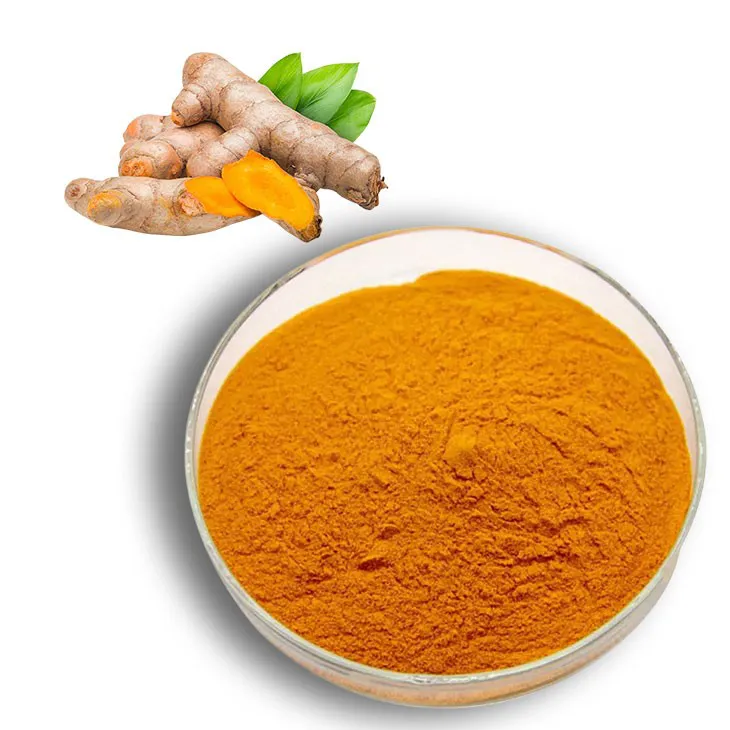
Curcuma Longa Extract/Turmeric extract
2026-08-14
-
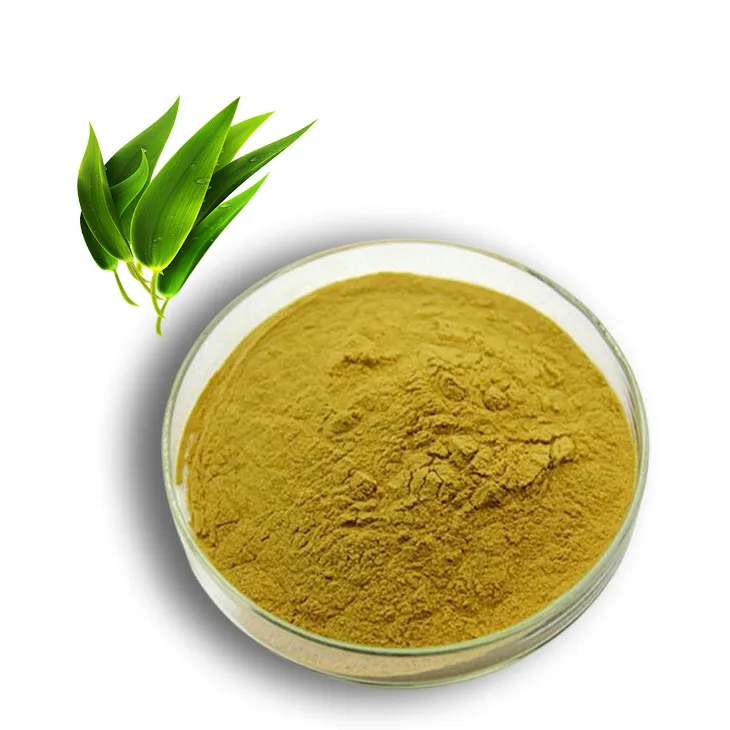
Bamboo Leaf extract
2026-08-14
-
Fig Extract
2026-08-14
-
Citrus Aurantium Extract
2026-08-14
-
Buckthorn bark extract
2026-08-14
-
Rosemary extract
2026-08-14
