- 0086-571-85302990
- [email protected]






Are the benefits of rosemary leaf extract supported by research?
2026-08-15
Rosemary (Salvia rosmarinus) has been used for centuries in traditional medicine, but in recent years, a growing body of scientific research has begun to validate many of its purported health benefits. From cognitive enhancement and hair growth to skin wound healing and anti-inflammatory effects, rosemary extract is emerging as one of the most versatile botanical ingredients in the natural health and wellness industry. But which benefits are actually supported by rigorous research, and what does the science say?
Cognitive Function and Memory Enhancement
One of the most well-documented areas of rosemary research relates to cognitive function. A review published in the Iranian Journal of Basic Medical Sciences highlighted the neuroprotective potential of rosemary and its main bioactive compounds — rosmarinic acid, carnosic acid, and ursolic acid — in Alzheimer's disease, anxiety, depression, and Parkinson's disease. The study found that these compounds modulate key molecular pathways including NF-κB, Nrf2, and BDNF, leading to reduced oxidative stress, neuro-inflammation, and apoptosis in brain cells. Clinical studies have shown that participants who took 500 mg of rosemary leaf powder twice daily for one month demonstrated significant improvements in memory performance and reduced anxiety levels compared to placebo groups.
Skin Wound Healing and Scar Reduction
Perhaps the most striking recent evidence comes from a November 2025 study published in JCI Insight by researchers at the Perelman School of Medicine at the University of Pennsylvania. The study demonstrated that carnosic acid, a naturally occurring antioxidant abundant in rosemary, can significantly improve skin wound healing and reduce scarring. In preclinical models, a cream formulated with carnosic acid accelerated wound closure and restored hair follicles, oil glands, and cartilage at the injury site. The mechanism involves activation of the TRPA1 nerve sensor, which was previously identified as essential for scarless healing. The researchers noted that rosemary stood out among tested herbs for its potency and safety, without the irritation caused by other natural alternatives.
Hair Growth and Androgenetic Alopecia
The use of rosemary leaf extract for hair has gained widespread attention, and the supporting evidence is compelling. A review in Clinical, Cosmetic and Investigational Dermatology confirmed that rosemary oil demonstrated efficacy in treating androgenetic alopecia comparable to minoxidil (2%), the standard pharmaceutical treatment. In a single-blind randomized clinical trial involving 100 male patients aged 18–49 years, those receiving topical rosemary oil showed similar hair count improvements to the minoxidil group, with less scalp itching reported. The study attributed the effect to rosemary's ability to improve scalp vascularity and blood circulation, enhance hair follicle regeneration, and inhibit 5-alpha-reductase — showing 82.4% inhibition at 200 mg/mL and 94.6% at 500 mg/mL, comparable to finasteride.
Antioxidant and Anti-Inflammatory Properties
Rosemary's antioxidant capacity is among the highest of any culinary herb. Research has demonstrated that Rosemary extract significantly boosts endogenous antioxidant enzymes including superoxide dismutase (SOD), glutathione peroxidase, and catalase. The extract showed strong free radical scavenging activity, with rosemary essential oil at 50 mg/mL achieving an increased inhibition rate of free radicals. In animal models of inflammation, Rosemary extract reduced paw edema comparable to NSAIDs. In murine models of colitis and arthritis, rosemary downregulated COX-2, iNOS, and pro-inflammatory cytokines (IL-1β, TNF-α), confirming its potent anti-inflammatory mechanisms at the molecular level.
Antimicrobial and Food Preservation Applications
A comprehensive review of rosemary's health-promoting benefits and food preservative properties confirmed its strong antimicrobial activity against both Gram-negative and Gram-positive bacteria, including Candida albicans, Staphylococcus aureus, and Enterococcus faecalis. Rosemary extract at 200 mg/mL showed particularly strong activity against C. albicans with low minimum inhibitory concentrations. This antimicrobial activity, combined with its antioxidant capacity, makes rosemary extract an effective natural food preservative that prevents microbial growth while decreasing food spoilage through oxidation. These properties are increasingly valued in the food and beverage industry as consumers demand natural alternatives to synthetic preservatives.
Anti-Glycation and Skin Anti-Aging
Emerging research published in PMC (2025) investigated the antiglycation activity of rosemary extract, revealing its potential in reversing glycation — a process that contributes to skin aging and age-related diseases. The study showed that rosemary's bioactive constituents effectively inhibit advanced glycation end-products (AGEs) formation. Additionally, topical application of rosmarinic acid has been clinically shown to reduce pruritus and transepidermal water loss in patients with mild atopic dermatitis, and to reduce erythema, crusting, and edema in moderate cases. A separate Frontiers in Pharmacology review confirmed that rosemary's antimicrobial, anti-inflammatory, antioxidant, and collagen-promoting properties contribute to beneficial effects on UV-irradiated skin and wound recovery.
Quality and Standardization Matter
The effectiveness of rosemary extract in any application depends heavily on the quality of the raw material, extraction process, and standardization of active compounds. Professional manufacturers like Greensky — a Hangzhou-based company with over 20 years of experience in botanical extracts — ensure consistent quality through vertically integrated production, from raw material sourcing to final product. With ISO22000, BRCGS, Ecocert Organic, HALAL, and Kosher certifications, and an independent laboratory equipped with GC, HPLC, and UV testing, professional-grade rosemary extract products can deliver the standardized levels of carnosic acid, rosmarinic acid, and other active compounds that research has shown to be effective.
Conclusion
The benefits of rosemary leaf extract are increasingly well-supported by research. From cognitive enhancement and neuroprotection to wound healing, hair growth, and antimicrobial activity, the scientific evidence continues to accumulate. As the Penn researchers concluded, if rosemary is part of your regimen and you think it is working, it likely is. For manufacturers and formulators seeking a reliable supply of standardized rosemary extract, partnering with an experienced supplier like Greensky — with its 100,000-class clean production facility, independent quality control laboratory, and comprehensive international certifications — ensures access to research-grade botanical ingredients that meet the highest industry standards.
TAGS:
- ▶ Hesperidin
- ▶ Citrus Bioflavonoids
- ▶ Plant Extract
- ▶ lycopene
- ▶ Diosmin
- ▶ Grape seed extract
- ▶ Sea buckthorn Juice Powder
- ▶ Fruit Juice Powder
- ▶ Hops Extract
- ▶ Artichoke Extract
- ▶ Mushroom extract
- ▶ Astaxanthin
- ▶ Green Tea Extract
- ▶ Curcumin
- ▶ Horse Chestnut Extract
- ▶ Other Product
- ▶ Boswellia Serrata Extract
- ▶ Resveratrol
- ▶ Marigold Extract
- ▶ Grape Leaf Extract
- ▶ New Product
- ▶ Aminolevulinic acid
- ▶ Cranberry Extract
- ▶ Red Yeast Rice
- ▶ Red Wine Extract
- ▶ blog
-
Reishi mushroom extract
2026-08-15
-
Boswellia Serrata Extract
2026-08-15
-
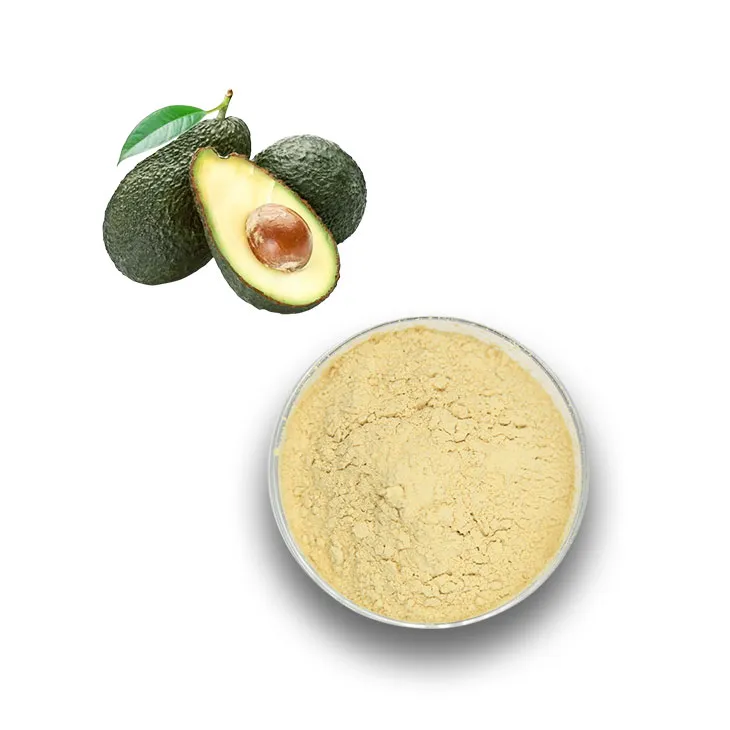
Avocado Extract Powder
2026-08-15
-
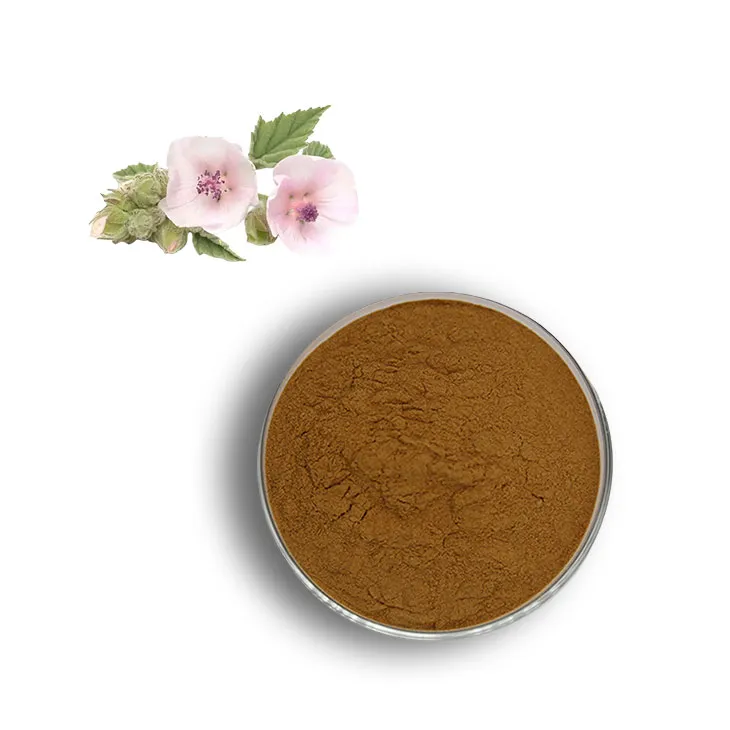
Medicinal Marshmallow Extract
2026-08-15
-
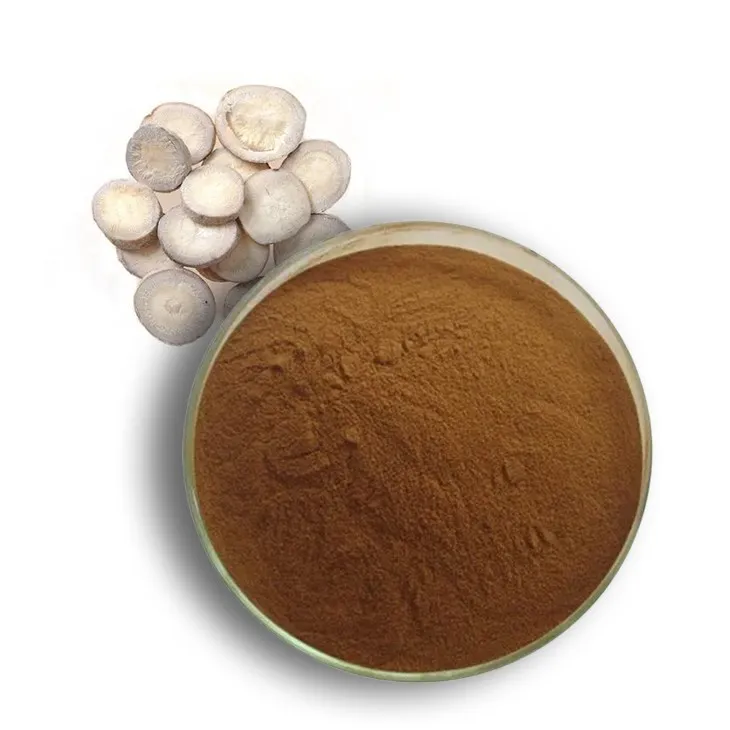
White Peony Extract
2026-08-15
-
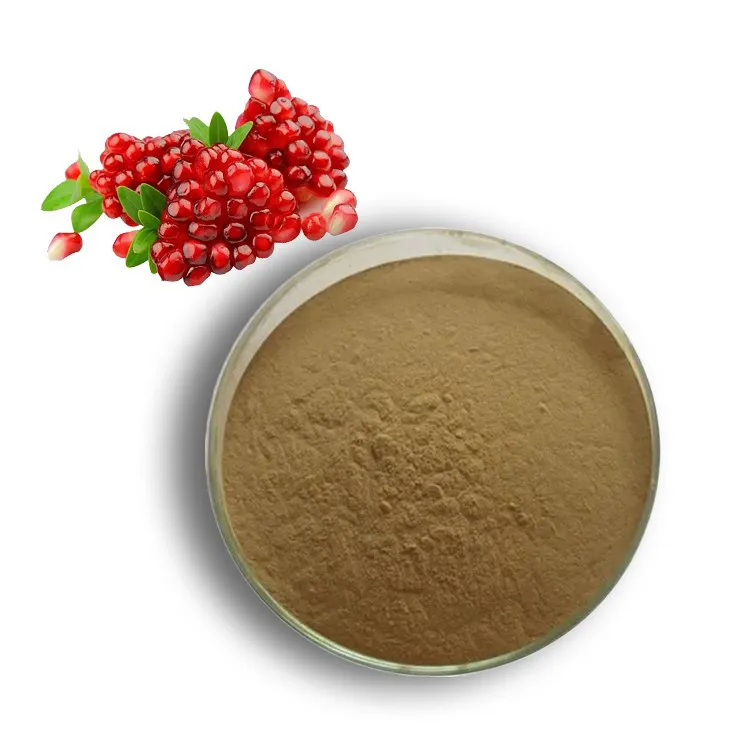
Pomegranate Extract
2026-08-15
-
Passionflower Extract
2026-08-15
-
Pueraria Lobata Extract
2026-08-15
-
Coconut Water Powder
2026-08-15
-
Acerola Juice Powder
2026-08-15
