- 0086-571-85302990
- [email protected]





Are cloves good for high blood pressure?
2026-08-14
Cloves have been a kitchen staple and a traditional remedy for centuries, so it is natural to wonder whether this fragrant spice can do anything for blood pressure. The short answer is that the evidence is promising but far from conclusive. Research so far points to a modest, possible benefit driven mainly by eugenol, the signature compound in clove buds, but cloves should never be treated as a replacement for prescribed blood pressure medication.
This article walks through what cloves are, how they might influence blood pressure, what the science actually says, and what to look for if you are sourcing clove ingredients for a supplement or functional food project.
What Are Cloves and Why Do They Matter?
Cloves are the dried flower buds of the Syzygium aromaticum tree, a plant native to the Maluku Islands of Indonesia and now cultivated across tropical regions. The buds are harvested before they open, then dried until they turn dark brown and release their intense, warming aroma.
What makes cloves interesting from a health standpoint is their chemical profile. The buds are rich in volatile oils, aromatic compounds, and minerals, and the star of the show is eugenol, which can make up a large share of clove oil. Eugenol is the reason cloves smell and taste the way they do, and it is also the compound most often studied for its antioxidant and anti-inflammatory activity.
How Could Cloves Affect Blood Pressure?
Researchers have proposed several pathways through which cloves might influence blood pressure, and most of them trace back to eugenol.
The first is antioxidant activity. Oxidative stress damages the inner lining of blood vessels and contributes to stiffening of the arteries, both of which push blood pressure up. Eugenol is a strong antioxidant, and by neutralizing free radicals it may help protect the endothelium and keep vessels more flexible.
The second is nitric oxide signaling. Healthy blood vessels produce nitric oxide, a signaling molecule that tells the smooth muscle in vessel walls to relax. Some animal studies suggest that eugenol can enhance nitric oxide availability, which promotes vasodilation, or widening of the blood vessels, and lowers resistance to blood flow.
The third is anti-inflammatory action. Chronic low-grade inflammation is a known driver of hypertension, and eugenol has demonstrated meaningful anti-inflammatory effects in laboratory models. By calming inflammatory pathways, cloves could indirectly support healthier blood pressure over time.
What Does the Research Actually Show?
Here is where the picture gets honest. Most of the evidence for cloves and blood pressure comes from animal studies and laboratory experiments, and those results have been encouraging but not uniform. Some studies report a measurable drop in blood pressure after clove or eugenol administration, while others find little or no change.
Human data is thinner still. The trials that exist tend to be small, short, and inconsistent in how cloves were prepared and dosed, which makes it difficult to draw firm conclusions. What the evidence does support is a modest, plausible benefit that varies from person to person, not a dramatic or guaranteed effect.
In practical terms, that means cloves are best viewed as a complementary ingredient within a broader heart-healthy routine, alongside regular exercise, a balanced diet, limited sodium, and stress management. Anyone with elevated blood pressure should talk to a doctor before adding cloves or any supplement to their regimen, and cloves should never be used to replace medication that has been prescribed.
Different Forms of Cloves and How They Compare
Cloves come in several forms, and the form matters for both convenience and consistency.
Whole dried buds are the most traditional option. They release their compounds slowly during cooking and are gentle on the stomach, but their active content can vary from batch to batch. Ground cloves are convenient and easy to measure, though they lose potency faster once exposed to air. Clove oil delivers a concentrated dose of eugenol and is used in small amounts, while standardized extracts and powders are the preferred choice for manufacturers because they offer consistent active compound levels from one lot to the next.
For supplement and food companies, that consistency is the whole point. A product label can only promise a reliable amount of active ingredient if the raw material behind it is standardized and quality-controlled, which is exactly why sourcing matters.
Safety, Side Effects, and Who Should Be Cautious
Used in normal culinary amounts, cloves are safe for most people. Problems tend to appear only when intake climbs well above what you would use in cooking, such as repeated high doses of clove oil or concentrated extracts.
Potential side effects include stomach irritation, mouth or skin irritation from concentrated oil, and, in rare cases, allergic reactions. Because eugenol has mild antiplatelet activity, people taking blood-thinning medication should be especially careful and should discuss clove use with their healthcare provider, since the combined effect could increase bleeding risk.
Pregnant women, people with liver conditions, and anyone about to undergo surgery should also check with a professional before using concentrated clove products. When in doubt, keep cloves in the spice rack rather than the medicine cabinet.
What to Look for When Sourcing Clove Ingredients
If you are developing a supplement, beverage, or functional food that includes cloves, the quality of your raw material will determine the quality of your finished product. A few things are worth checking with any potential supplier.
First, look for traceability. The best suppliers can tell you exactly where the clove buds were grown and how they were processed. Second, demand testing. Reputable manufacturers test for active compound content, heavy metals, pesticide residues, and microbial safety, and they should be able to share certificates of analysis. Third, consider certifications. Food-grade production standards, organic certification, and quality management systems such as ISO and HACCP all signal a serious operation. Finally, ask about standardization, because a standardized clove powder with a defined active content is far more reliable for formulation than an unstandardized batch.
Companies that manufacture their own extracts in-house, rather than reselling third-party material, tend to offer better control over quality and supply. A manufacturer with its own extraction facilities, laboratory testing, and export documentation can also simplify regulatory submissions in your target markets.
A Reliable Partner for Clove and Botanical Ingredients
For brands looking for a dependable source of botanical ingredients, Greensky is a plant extract manufacturer with more than two decades of experience. Founded in 2004 and headquartered in Hangzhou, China, the company operates with full vertical integration, meaning research, development, production, and sales all happen within one group.
Greensky produces a wide range of plant extracts, including Clove Powder made from high-quality clove buds and rich in clove oil and aromatic compounds. The company operates a 100,000-class clean production area that meets food-grade requirements, maintains an independent laboratory equipped with GC, HPLC, and UV instruments, and holds certifications including ISO22000, BRCGS, Ecocert Organic Standard, SGS-GMP, ISO9001, HALAL, and Kosher. With export value reaching nearly 30 million dollars in 2023 and customers across Europe, the United States, South Korea, and Russia, Greensky has the scale and documentation to support global brands.
The Bottom Line
So, are cloves good for high blood pressure? The honest answer is that they may offer a modest, supportive benefit through eugenol's antioxidant, anti-inflammatory, and vessel-relaxing properties, but the human evidence is not strong enough to call them a treatment. Cloves are a sensible addition to a heart-healthy diet, not a substitute for medical care.
If you are formulating a product around cloves, focus on sourcing a standardized, tested, and traceable ingredient from a manufacturer you can trust, and always encourage consumers to consult a healthcare professional about their individual situation.
TAGS:
- ▶ Hesperidin
- ▶ Citrus Bioflavonoids
- ▶ Plant Extract
- ▶ lycopene
- ▶ Diosmin
- ▶ Grape seed extract
- ▶ Sea buckthorn Juice Powder
- ▶ Fruit Juice Powder
- ▶ Hops Extract
- ▶ Artichoke Extract
- ▶ Mushroom extract
- ▶ Astaxanthin
- ▶ Green Tea Extract
- ▶ Curcumin
- ▶ Horse Chestnut Extract
- ▶ Other Product
- ▶ Boswellia Serrata Extract
- ▶ Resveratrol
- ▶ Marigold Extract
- ▶ Grape Leaf Extract
- ▶ New Product
- ▶ Aminolevulinic acid
- ▶ Cranberry Extract
- ▶ Red Yeast Rice
- ▶ Red Wine Extract
- ▶ blog
-
Black Garlic Extract
2026-08-14
-
Chasteberry Extract
2026-08-14
-
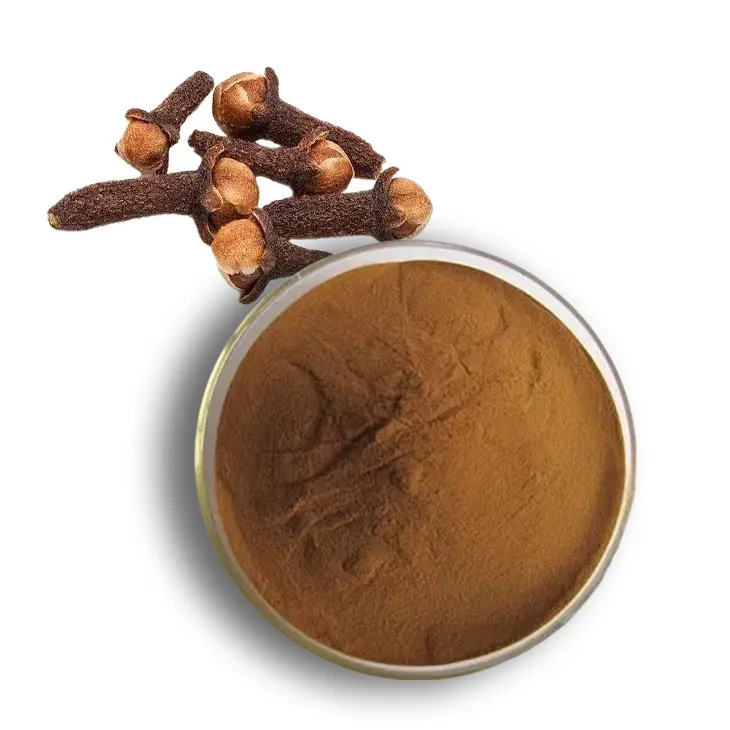
Clove Powder
2026-08-14
-
Shikone Extract
2026-08-14
-
Hedyotis Diffusa Extract
2026-08-14
-
Agaricus Blazei Extract
2026-08-14
-
Yohimbine Bark Extract
2026-08-14
-
Tinospora cordifolia extract
2026-08-14
-
Eucommia Ulmoides Extract
2026-08-14
-
Grapefruit Seed Extract Powder
2026-08-14