- 0086-571-85302990
- [email protected]



What Is Artichoke Extract? Chlorogenic Acid Science, Liver Health & B2B Sourcing Guide (2026)
2026-10-25
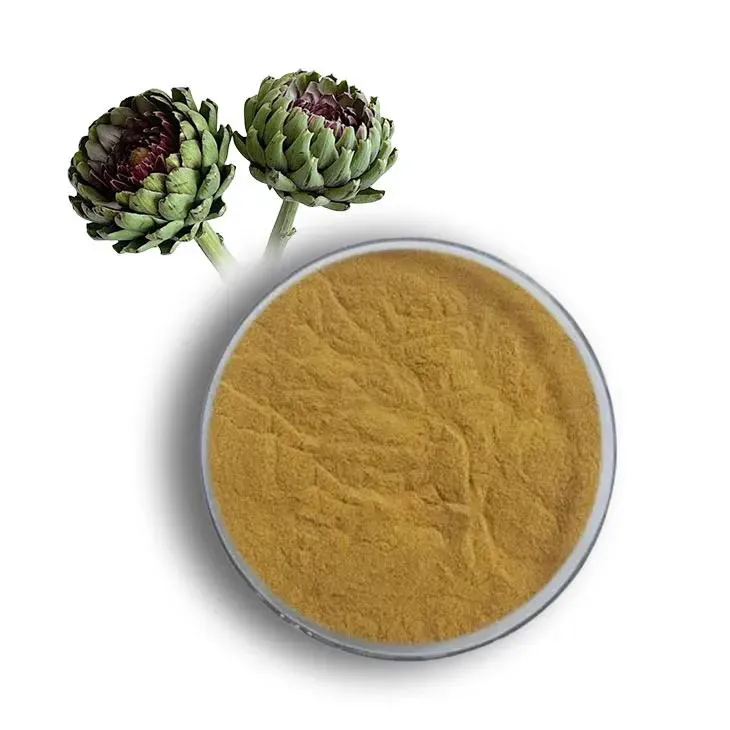
What Is Artichoke Extract? Chlorogenic Acid Science, Liver Health & B2B Sourcing Guide (2026)
1. What Is Artichoke Extract and Why Is It a Fast-Growing Liver Health Ingredient?
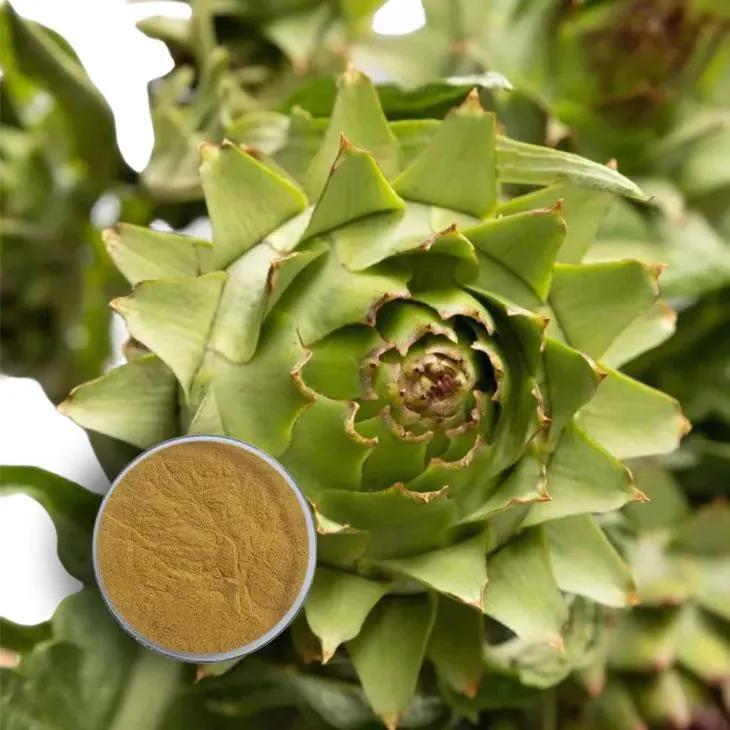
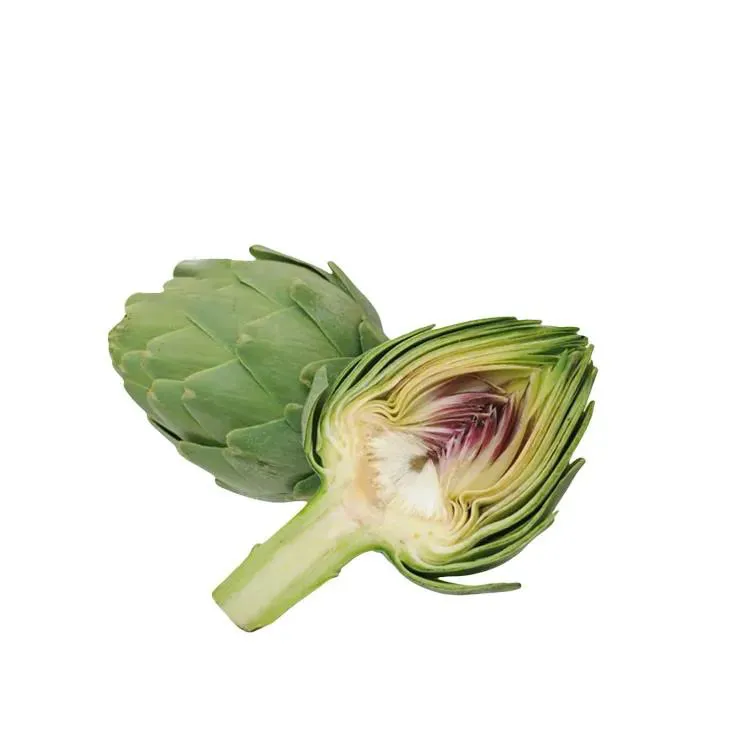
Artichoke Extract (朝鲜蓟提取物) is a concentrated botanical preparation derived from the leaves of Cynara scolymus, the globe artichoke. While artichoke hearts are widely enjoyed as a culinary vegetable, it is the leaves that contain the highest concentrations of bioactive compounds — making them the preferred raw material for supplement and pharmaceutical-grade extraction.
The global artichoke extract market is experiencing strong growth, driven by rising consumer interest in natural liver support, digestive health, and cholesterol management solutions. Artichoke extract has gained particular traction in European dietary supplements, where it is one of the most widely used hepatoprotective botanicals.
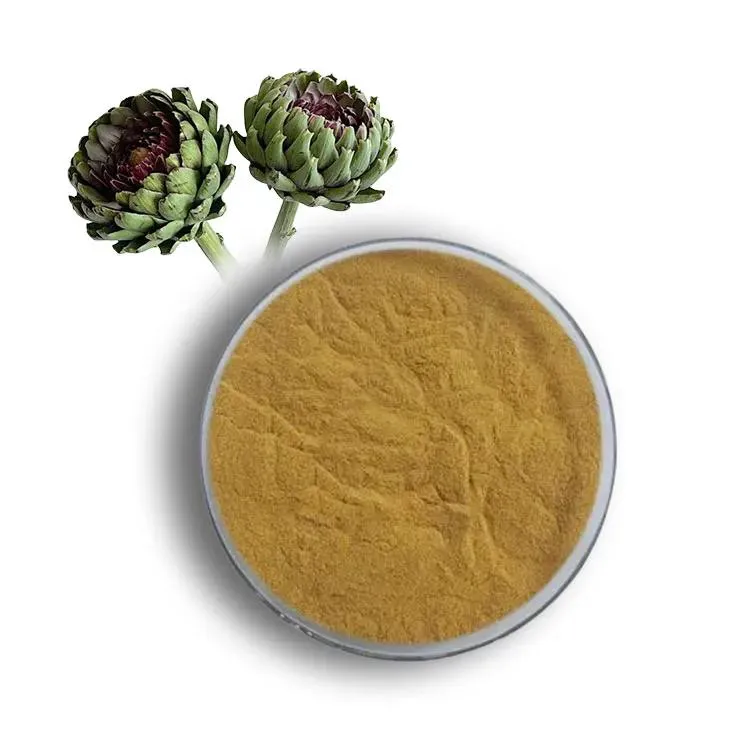
Greensky Bio offers artichoke extract standardized to 1%–5% cynarin content, produced using advanced bio-purification technology.
2. What Are the Key Active Compounds in Artichoke Extract?
2.1 Chlorogenic Acid (CGA)
Chlorogenic acid is the most abundant phenolic compound in artichoke leaves and is responsible for much of the extract's antioxidant and metabolic benefits. It works by:
Inhibiting glucose-6-phosphatase, helping regulate blood sugar metabolism
Scavenging free radicals and reducing oxidative stress in liver tissue
Modulating lipid metabolism through AMPK activation
2.2 Cynarin (1,3-Dicaffeoylquinic Acid)
Cynarin is the signature compound of artichoke extract and is widely used as the primary standardization marker. Its key pharmacological actions include:
Choleretic effect: Stimulates bile production and secretion, supporting fat digestion and liver detoxification
Hepatoprotective activity: Protects liver cells from toxin-induced damage
Lipid-lowering: Reduces total cholesterol and LDL levels through enhanced bile acid excretion
2.3 Luteolin and Other Flavonoids
Artichoke extract also contains significant levels of luteolin, a potent flavonoid with anti-inflammatory, anti-allergic, and neuroprotective properties, along with other caffeoylquinic acids that contribute to the extract's overall antioxidant capacity.
2.4 Standard Specifications
| Specification | Details |
|---|---|
| Cynarin Content | 1%, 2.5%, 5% (HPLC) |
| Chlorogenic Acid | 0.5%–3% (HPLC) |
| Total Flavonoids | ≥5% (UV) |
| Appearance | Brown to yellowish-brown fine powder |
| Particle Size | 80–100% through 80 mesh |
| Heavy Metals | Pb <2ppm, As <1ppm, Cd <0.5ppm, Hg <0.1ppm |
| Pesticide Residues | EU/US pharmacopoeia compliant |
3. What Are the Scientifically Supported Benefits of Artichoke Extract?
3.1 Liver Health & Hepatoprotection
Artichoke extract's most established application is in supporting liver function. Clinical studies have demonstrated that artichoke leaf extract:
Reduces markers of liver stress (ALT, AST) in individuals with mild hepatic dysfunction
Enhances bile flow, supporting the liver's natural detoxification pathways
Provides antioxidant protection against alcohol-induced and chemical-induced liver damage
A randomized, double-blind study published in Phytomedicine (2002) found that artichoke leaf extract (1,800 mg/day) significantly reduced symptoms of functional dyspepsia compared to placebo after 6 weeks.
3.2 Cholesterol & Lipid Management
Multiple clinical trials have shown that artichoke extract can reduce total cholesterol by 4–12% and LDL cholesterol by 5–15% over 6–12 weeks. The mechanism involves:
Inhibition of cholesterol synthesis (complementary to the HMG-CoA reductase pathway)
Enhanced bile acid excretion, forcing the liver to use circulating cholesterol for new bile acid production
Reduced lipid peroxidation, protecting against oxidized LDL formation
3.3 Digestive Health & IBS Support
Artichoke extract has shown promise in managing symptoms of irritable bowel syndrome (IBS). A study in Alimentary Pharmacology & Therapeutics (2003) found that artichoke leaf extract significantly reduced IBS symptom severity and improved quality of life scores compared to placebo.
3.4 Blood Sugar & Metabolic Support
The chlorogenic acid content in artichoke extract contributes to improved insulin sensitivity and postprandial glucose management. This makes artichoke extract a valuable ingredient in formulations targeting metabolic syndrome and pre-diabetic conditions.
4. What Are the Main Applications of Artichoke Extract?
4.1 Dietary Supplements
Liver support formulas: Combined with milk thistle (silymarin), NAC, and dandelion root
Digestive enzyme blends: Paired with bile salts, lipase, and Ginger Extract
Cardiovascular formulas: Combined with plant sterols, red yeast rice, and omega-3s
Formats: Capsules, tablets, liquid tinctures, and tea blends
4.2 Functional Beverages
Detox and cleanse drink formulations
Post-meal digestive support beverages
Herbal tea blends targeting liver and gallbladder health
4.3 Cosmetics & Personal Care
Anti-cellulite creams (artichoke extract supports microcirculation)
Anti-aging serums leveraging the antioxidant properties of chlorogenic acid
5. How to Choose a Quality Artichoke Extract Supplier?
5.1 Raw Material Origin & Variety
The cynarin and chlorogenic acid content of artichoke varies significantly by cultivar and growing conditions. Premium extracts use leaves harvested at the optimal growth stage (pre-flowering) from high-yielding cultivars.
5.2 Extraction Method
| Method | Pros | Cons |
|---|---|---|
| Water/Ethanol Extraction | Preserves full polyphenol spectrum; food-grade | Requires careful solvent removal |
| Supercritical CO₂ | Solvent-free; selective compound targeting | Higher cost; may miss water-soluble compounds |
| Standardized Blending | Ensures batch-to-batch consistency | Requires robust QC infrastructure |
5.3 Quality Certifications to Look For
✅ ISO22000 / HACCP — Food safety management
✅ BRCGS — Global food safety standard
✅ Ecocert Organic — Organic cultivation and processing
✅ Halal / Kosher — Broader market access
✅ HPLC-verified COA — Per-batch potency confirmation
6. About Greensky Bio: Certified Artichoke Extract Manufacturer
Hangzhou Greensky Biological Tech Co., Ltd., established in 2004, is a professional natural plant extract manufacturer specializing in botanical extraction, quality control, and global distribution. Our artichoke extract is produced in our Jiangxi facility — a national high-tech enterprise operating under GMP standards with a 100,000-grade clean production area.
Why Choose Greensky Bio for Artichoke Extract?
✅ Standardized to 1%–5% cynarin with HPLC-verified potency
✅ ISO22000, BRCGS, Ecocert Organic, SGS-GMP certified
✅ Independent laboratory with GC, HPLC, UV capabilities
✅ 20+ years of plant extract R&D and production experience
✅ Export markets across Europe, the United States, South Korea, and Russia
Contact Greensky Bio for artichoke extract pricing and samples →
7. Artichoke Extract FAQ
Q: What is the recommended daily dose of artichoke extract?
Clinical studies typically use 640–1,800 mg of artichoke leaf extract per day, divided into 2–3 doses. The specific dose depends on the standardization level (cynarin content) and the intended health benefit.
Q: Are there any contraindications for artichoke extract?
Individuals with gallstones or bile duct obstruction should consult a physician before using artichoke extract, as its choleretic effect may exacerbate these conditions. It is generally well-tolerated in healthy individuals.
Q: Can artichoke extract be combined with other liver support ingredients?
Yes. Artichoke extract is commonly combined with milk thistle (silymarin), turmeric (Curcumin), dandelion root, and N-acetyl cysteine (NAC) for comprehensive liver support formulations. These ingredients have complementary mechanisms and are well-studied in combination.
Q: Do you provide custom standardization for artichoke extract?
Yes. Please contact our sales team to discuss custom cynarin or chlorogenic acid standardization, particle size requirements, and private labeling options.
- ▶ Hesperidin
- ▶ Citrus Bioflavonoids
- ▶ Plant Extract
- ▶ lycopene
- ▶ Diosmin
- ▶ Grape seed extract
- ▶ Sea buckthorn Juice Powder
- ▶ Fruit Juice Powder
- ▶ Hops Extract
- ▶ Artichoke Extract
- ▶ Mushroom extract
- ▶ Astaxanthin
- ▶ Green Tea Extract
- ▶ Curcumin
- ▶ Horse Chestnut Extract
- ▶ Other Product
- ▶ Boswellia Serrata Extract
- ▶ Resveratrol
- ▶ Marigold Extract
- ▶ Grape Leaf Extract
- ▶ New Product
- ▶ Aminolevulinic acid
- ▶ Cranberry Extract
- ▶ Red Yeast Rice
- ▶ Red Wine Extract
- ▶ blog
-
Acerola Extract
2026-10-25
-
Coconut Water Powder
2026-10-25
-
Saffron Extract Powder
2026-10-25
-
Phellodendron Extract
2026-10-25
-
Bamboo Leaf extract
2026-10-25
-
Nettle Root Extract
2026-10-25
-
Kupilu Extract
2026-10-25
-
Honeysuckle Pollen
2026-10-25
-
Black Rice Extract
2026-10-25
-
Lemon Extract
2026-10-25