- 0086-571-85302990
- [email protected]




Quercetin: The Complete B2B Buyer's Guide to Sourcing High-Purity Quercetin Dihydrate
2026-10-03
Meta Title: Quercetin Manufacturer | Quercetin Dihydrate 95% Bulk Supplier | Greensky BioMeta Description: Leading quercetin manufacturer offering quercetin dihydrate 95% from Sophora japonica. GMP certified, HPLC verified, bulk supply for immune and allergy supplements.
Related Product
We are a professional quercetin manufacturer, specializing in high-purity quercetin dihydrate extracted from Sophora japonica flower buds for dietary supplements, functional foods, and beverage applications.
Quercetin: The Complete B2B Buyer's Guide to Sourcing High-Purity Quercetin Dihydrate
Quercetin — the most abundant dietary flavonoid in the human diet and one of the most extensively researched plant polyphenols — has experienced a dramatic surge in commercial demand driven by its immune support, respiratory health, and anti-inflammatory properties. The global quercetin market, valued at approximately USD 600 million in 2024, is projected to grow at a compound annual growth rate of 8–10% through 2032, accelerated by increased consumer interest in immune health following the global health events of recent years.
For B2B buyers in the dietary supplement, functional food, and beverage industries, sourcing high-purity quercetin from a qualified requires understanding the botanical sources, quality parameters, and formulation considerations outlined in this comprehensive guide.
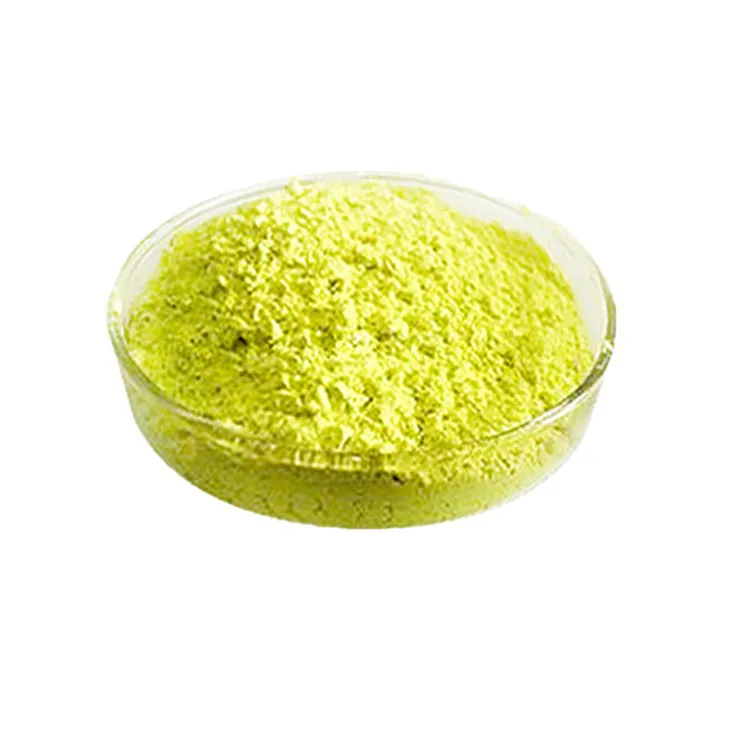
What Is Quercetin? Chemistry and Natural Distribution
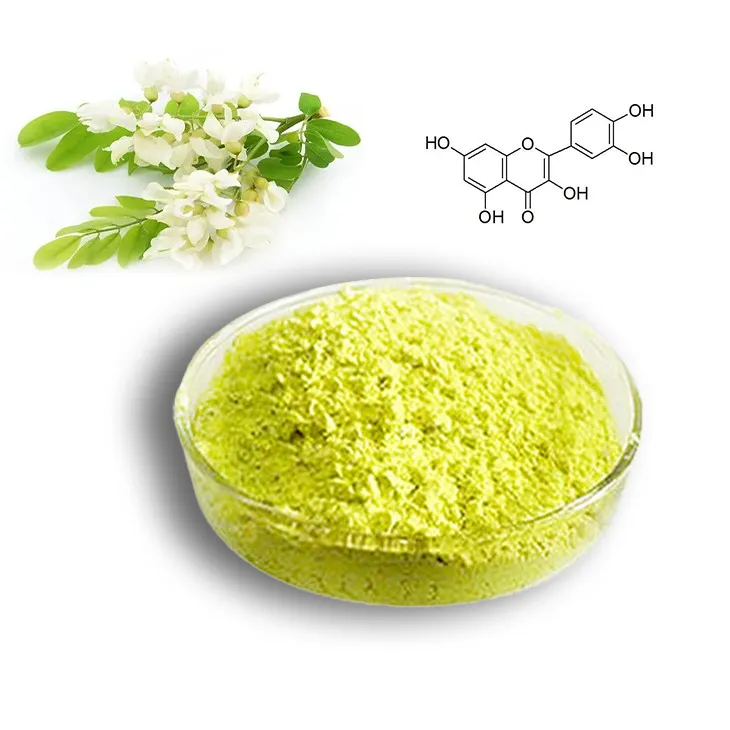
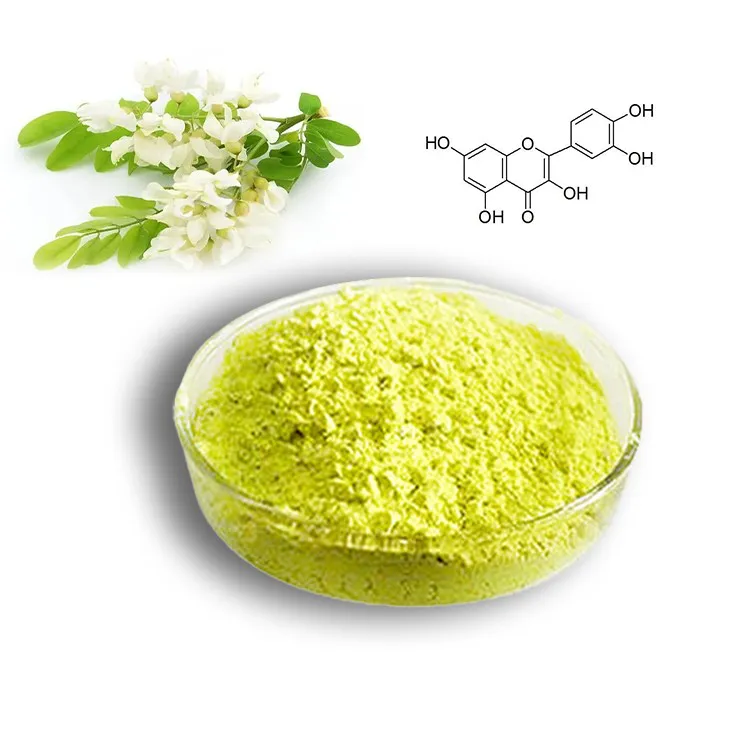
Quercetin (3,3′,4′,5,7-pentahydroxyflavone) is a flavonol — a subclass of flavonoid polyphenols — characterized by its distinctive polyphenolic structure with five hydroxyl groups. It is the most widely distributed flavonoid in the plant kingdom and the most commonly consumed dietary flavonoid in Western diets.
Primary Dietary Sources
Quercetin is naturally present in many fruits, vegetables, and beverages:
Capers — The richest known dietary source, containing up to 234 mg per 100g
Onions (red and yellow) — Particularly the outer rings, containing 11–30 mg per 100g
Apples — Concentrated in the skin, containing 4–14 mg per 100g
Berries — Blueberries, cranberries, and blackberries
Tea — Both green and black tea contain significant quercetin glycosides
Broccoli, kale, and other cruciferous vegetables
Red wine and citrus fruits — Containing quercetin glycosides
However, the amounts obtainable through diet alone (estimated at 10–100 mg/day in typical Western diets) are substantially lower than the doses used in clinical studies (500–1,000 mg/day), driving consumer demand for concentrated quercetin supplements.
Glycoside vs. Aglycone Forms
In nature, quercetin primarily exists as glycosides — molecules with sugar groups attached — including rutin (quercetin-3-rutinoside), isoquercitrin (quercetin-3-glucoside), and quercitrin (quercetin-3-rhamnoside). These glycosides require enzymatic hydrolysis in the digestive tract to release the active quercetin aglycone (the sugar-free form) before absorption.
Commercial quercetin supplements are available in both forms:
Quercetin aglycone (quercetin dihydrate) — The pure, sugar-free form offering the highest quercetin content per gram and direct absorption without enzymatic conversion. This is the form used in most clinical studies and the preferred format for supplement manufacturers seeking precise dosing.
Quercetin glycosides (e.g., rutin) — More water-soluble but requiring hydrolysis for absorption, resulting in lower bioavailability. However, some evidence suggests that certain glycosides may have distinct absorption pathways and tissue distribution patterns.
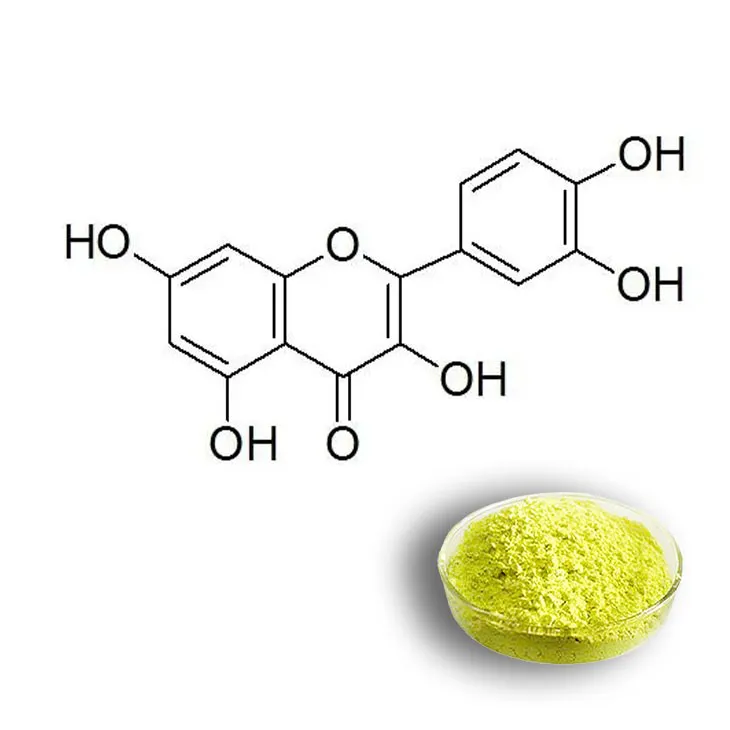
Clinically Supported Health Benefits
Quercetin's health benefits are supported by thousands of research publications spanning immunology, respiratory medicine, cardiovascular science, and exercise physiology.
Immune System Support
Quercetin's immune-modulating properties represent its most commercially significant application:
Zinc ionophore activity — Quercetin facilitates the transport of zinc into cells, where zinc exerts antiviral effects by inhibiting viral RNA-dependent RNA polymerase. This zinc ionophore activity gained significant attention during the global health events of 2020–2022 and remains a key driver of quercetin supplement demand.
Immune cell modulation — Quercetin modulates the activity of T-cells, B-cells, natural killer cells, and macrophages, supporting balanced immune function.
Antioxidant defense — As a potent free radical scavenger, quercetin protects immune cells from oxidative stress during active immune responses.
Anti-inflammatory cytokine modulation — Quercetin reduces the production of pro-inflammatory cytokines (TNF-α, IL-6, IL-1β) while supporting anti-inflammatory pathways.
Respiratory and Allergy Support
One of quercetin's most well-established applications is in respiratory health and seasonal allergy management:
Mast cell stabilization — Quercetin inhibits mast cell degranulation, reducing the release of histamine and other inflammatory mediators that trigger allergy symptoms. This mechanism has been demonstrated in both in vitro and human studies, positioning quercetin as a natural alternative for seasonal allergy support.
Anti-inflammatory effects in respiratory tissues — Quercetin reduces inflammatory signaling in bronchial and nasal tissues, supporting comfortable breathing during allergy season or respiratory challenges.
Antihistamine properties — By stabilizing mast cells and modulating histamine receptor activity, quercetin provides natural antihistamine support without the drowsiness associated with conventional antihistamine medications.
Clinical studies have demonstrated that quercetin supplementation (500–1,000 mg/day) significantly reduces allergy symptom severity, including nasal congestion, sneezing, and itchy eyes, in individuals with seasonal allergic rhinitis.
Cardiovascular Health
Quercetin's cardiovascular benefits complement its immune and anti-inflammatory properties:
Blood pressure support — A meta-analysis of randomized controlled trials found that quercetin supplementation (≥500 mg/day) significantly reduced systolic blood pressure by an average of 3–5 mmHg, with greater effects observed in hypertensive populations.
Endothelial function — Quercetin improves endothelial nitric oxide production, supporting healthy blood vessel function and blood flow.
LDL oxidation prevention — Like other flavonoid antioxidants, quercetin protects LDL cholesterol from oxidative modification, a key step in atherosclerotic plaque development.
Platelet aggregation inhibition — Quercetin modulates platelet function, supporting healthy blood fluidity.
Exercise Performance and Recovery
Quercetin has attracted significant interest in sports nutrition for its potential to enhance exercise performance and recovery:
Mitochondrial biogenesis — Quercetin activates PGC-1α signaling, promoting the formation of new mitochondria in muscle cells and potentially improving aerobic capacity.
Exercise-induced inflammation reduction — Post-exercise supplementation reduces inflammatory markers and muscle damage indicators, supporting faster recovery.
Endurance performance — While findings vary by study population, several trials have demonstrated modest improvements in time-to-exhaustion and VO₂ max following quercetin supplementation, particularly in untrained or moderately trained individuals.
Metabolic Health
Emerging research is exploring quercetin's potential in metabolic health applications:
Insulin sensitivity improvement through AMPK activation
Adipocyte differentiation modulation
Gut microbiome modulation through prebiotic-like effects on beneficial bacterial populations
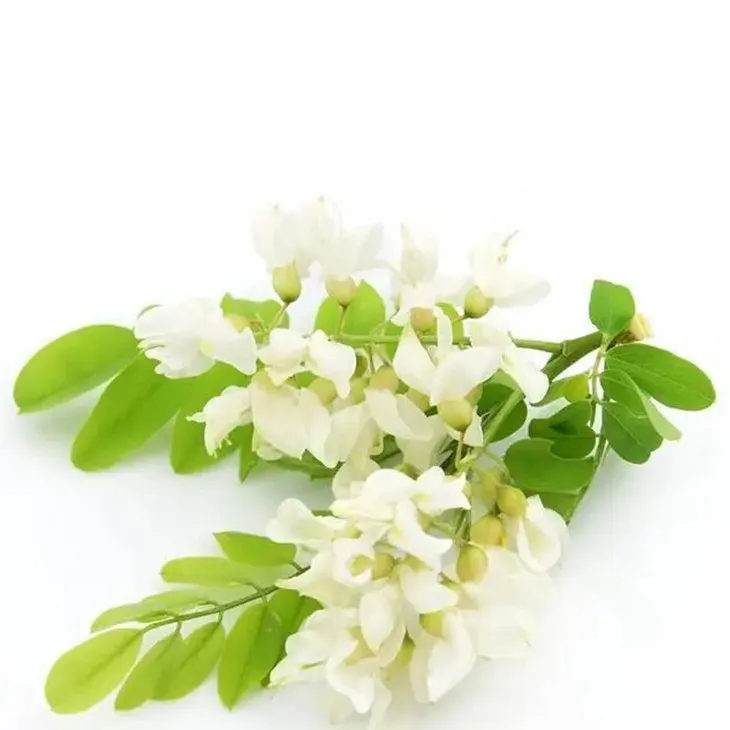
Extraction Sources and Manufacturing
Commercial quercetin production relies primarily on two botanical sources.
Sophora Japonica (Japanese Pagoda Tree)
The flower buds of Sophora japonica (also known as Styphnolobium japonicum) represent the primary commercial source for quercetin production. These flower buds are exceptionally rich in rutin (quercetin-3-rutinoside), which can constitute 10–20% of the dry weight of the flower buds.
The production process involves:
Rutin extraction — Flower buds are extracted with hot water or dilute alkali solution to dissolve rutin.
Rutin isolation — The extract is concentrated and rutin is precipitated through pH adjustment and cooling.
Hydrolysis — Isolated rutin is hydrolyzed using acid or enzymatic treatment to cleave the rutinose sugar group, releasing quercetin aglycone.
Purification and crystallization — The quercetin is purified through recrystallization to achieve ≥95% purity.
Sophora japonica-derived quercetin offers the advantages of sustainable cultivation (the tree is widely planted as an ornamental species across Asia), high rutin yield, and well-established production technology.
Onion Skin Extract
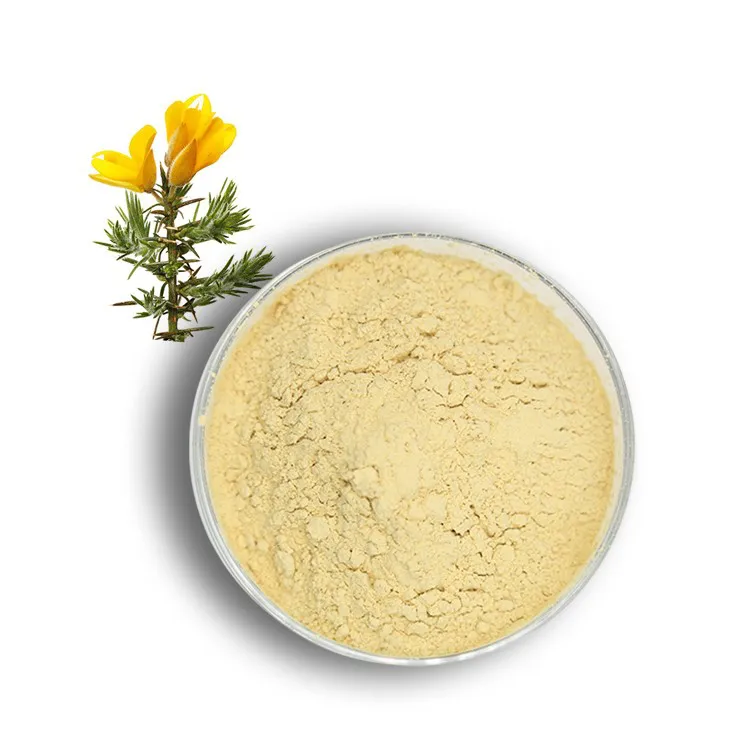
Onion skins — a byproduct of the onion processing industry — contain significant amounts of quercetin glycosides (primarily quercetin-4′-glucoside and quercetin-3,4′-diglucoside). While onion skin extraction provides a circular economy approach to quercetin sourcing, the glycoside-rich profile and lower total yield make it less suitable for high-purity quercetin aglycone production compared to Sophora japonica.
Quality Manufacturing at Greensky Bio
As a with GMP-standard production facilities, Greensky Bio produces quercetin dihydrate through a controlled hydrolysis and purification process that ensures:
Complete conversion of rutin to quercetin aglycone (verified by HPLC)
Consistent ≥95% purity across production batches
Minimal residual solvent content through thorough purification
Comprehensive quality documentation including COA, HPLC chromatograms, and heavy metal analysis
Quality Specifications
B2B buyers should require the following quality specifications when sourcing quercetin:
Parameter Premium Specification Quercetin dihydrate content (HPLC) ≥95% (dried basis) Rutin content ≤1.0% Kaempferol ≤1.0% Moisture ≤8.0% Loss on drying ≤8.0% Ash ≤0.5% Heavy metals (Pb) ≤2.0 ppm Heavy metals (Cd) ≤1.0 ppm Heavy metals (As) ≤1.0 ppm Heavy metals (Hg) ≤0.1 ppm Residual solvents Compliant with ICH Q3C Total plate count ≤1,000 CFU/g E. coli / Salmonella Negative
Bioavailability Enhancement
Quercetin's relatively low oral bioavailability (estimated at 2–20% depending on formulation and individual factors) is a well-known limitation that drives formulation innovation. B2B buyers should consider the following bioavailability-enhancing strategies:
Phospholipid complexes (phytosomes) — Complexation with phosphatidylcholine significantly improves quercetin absorption by creating a lipid-soluble complex that crosses the intestinal membrane more efficiently. Studies have demonstrated 2–3× higher plasma quercetin levels with phytosome formulations.
Vitamin C combination — Co-administration with vitamin C may improve quercetin absorption and synergistically enhance antioxidant activity.
Bromelain and papain combination — Proteolytic enzymes may improve quercetin absorption through multiple mechanisms, and this combination has become a popular immune and respiratory health formulation.
Liposomal encapsulation — Liposomal delivery systems protect quercetin from degradation and enhance intestinal absorption, though at higher manufacturing cost.
Quercetin glycoside formulations — Some evidence suggests that quercetin glucosides (rather than the aglycone) may be more efficiently absorbed in the small intestine via SGLT1 glucose transporters.
Regulatory Status
Quercetin is accepted as a dietary supplement ingredient in major global markets:
United States — Accepted dietary supplement ingredient. GRAS notification available for food and beverage use at defined levels.
European Union — Accepted in food supplements. EFSA has evaluated quercetin safety.
Australia/New Zealand — Listed for use in complementary medicines.
China — Approved as a food ingredient and health food raw material.
Market Trends
Several trends are shaping the quercetin market:
Immune health category growth — The immune support supplement category has experienced sustained growth, with quercetin positioned as a foundational immune ingredient alongside vitamin C, vitamin D, zinc, and elderberry.
Allergy season demand — Seasonal allergy support represents a significant annual demand cycle for quercetin, particularly in North America and Europe where seasonal allergic rhinitis affects 10–30% of the population.
Combination product innovation — Quercetin is increasingly formulated with bromelain, vitamin C, zinc, and NAC to create comprehensive immune and respiratory support products.
Functional beverage applications — Water-soluble quercetin formulations are enabling incorporation into functional beverages, expanding beyond traditional capsule and tablet formats.
Conclusion
Quercetin's combination of extensive scientific validation, broad health application potential, strong consumer recognition, and favorable regulatory status make it an essential ingredient for dietary supplement manufacturers operating in the immune health, allergy support, cardiovascular, and sports nutrition categories. Its role as a zinc ionophore, mast cell stabilizer, and broad-spectrum antioxidant provides multiple product development opportunities.
Greensky Bio offers premium quercetin dihydrate (≥95%) sourced from sustainably cultivated Sophora japonica, produced under GMP-standard conditions with comprehensive quality documentation. Our ensure consistent quality and reliable supply for commercial-scale orders.
Ready to source premium quercetin? today for specifications, pricing, and free sample requests. Our team provides formulation guidance and regulatory documentation support to accelerate your product development timeline.
- ▶ Hesperidin
- ▶ Citrus Bioflavonoids
- ▶ Plant Extract
- ▶ lycopene
- ▶ Diosmin
- ▶ Grape seed extract
- ▶ Sea buckthorn Juice Powder
- ▶ Fruit Juice Powder
- ▶ Hops Extract
- ▶ Artichoke Extract
- ▶ Mushroom extract
- ▶ Astaxanthin
- ▶ Green Tea Extract
- ▶ Curcumin
- ▶ Horse Chestnut Extract
- ▶ Other Product
- ▶ Boswellia Serrata Extract
- ▶ Resveratrol
- ▶ Marigold Extract
- ▶ Grape Leaf Extract
- ▶ New Product
- ▶ Aminolevulinic acid
- ▶ Cranberry Extract
- ▶ Red Yeast Rice
- ▶ Red Wine Extract
- ▶ blog
-
5-HTP (5-Hydroxytryptophan)
2026-10-03
-
Cassia Seed Extract
2026-10-03
-
Curcuma Longa Extract/Turmeric extract
2026-10-03
-
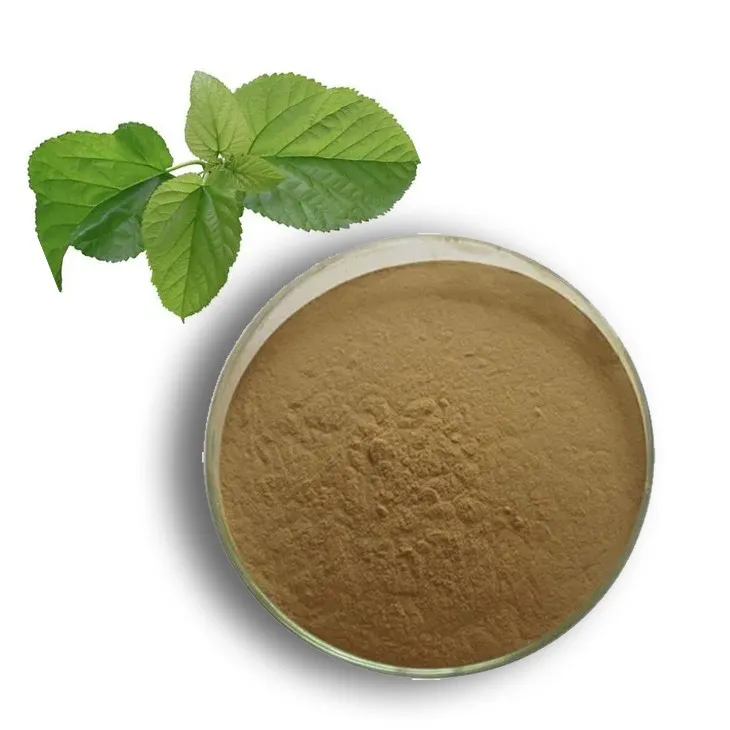
Mulberry leaf Extract
2026-10-03
-
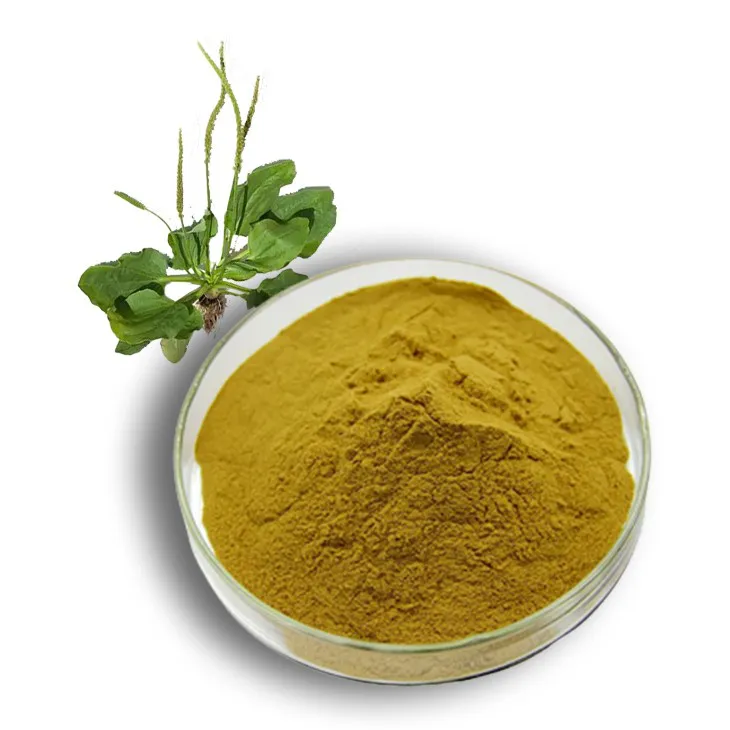
Plantain extract
2026-10-03
-
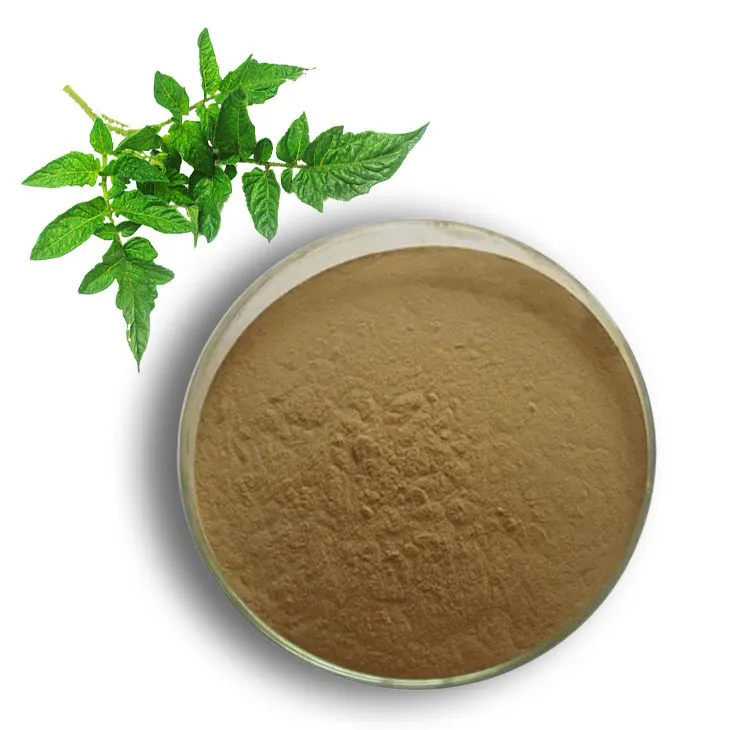
Senna Leaf Extract
2026-10-03
-
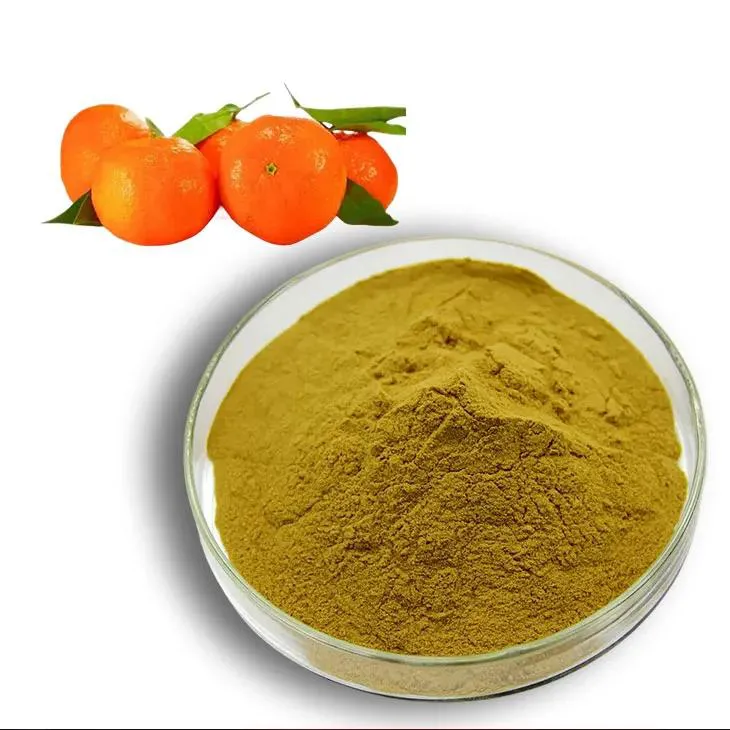
Citrus bioflavonoids
2026-10-03
-
White mustard seed extract
2026-10-03
-
Phellodendron Extract
2026-10-03
-
Grapefruit Seed Extract Powder
2026-10-03