- 0086-571-85302990
- [email protected]






Rhodiola Rosea Extract: The Complete Guide to Benefits, Applications & Supplier Selection
2026-07-14
Meta Description: Discover everything about Rhodiola Rosea Extract (3% Rosavins / 1% Salidroside) — from adaptogenic stress-relief mechanisms and clinical evidence to industrial applications and how to choose a reliable supplier. Free samples available.
Keywords: rhodiola rosea extract, rhodiola 3/1, adaptogenic herbs, stress relief supplement, rhodiola supplier, rosavins salidroside, natural adaptogen, cognitive fatigue extract
Introduction
For centuries, the hardy Rhodiola rosea plant — known as "golden root" or "arctic root" — has thrived in the harsh, high-altitude regions of Siberia, Scandinavia, and the Tibetan Plateau. Traditional medicine systems across these regions have long valued rhodiola for its remarkable ability to combat fatigue, enhance physical endurance, and promote mental resilience. Modern scientific research has validated these ancient applications, identifying the key bioactive compounds — rosavins (3%) and salidroside (1%) — that make standardized Rhodiola Rosea Extract one of the most scientifically supported adaptogenic ingredients in the global nutraceutical market. With over 200 published clinical studies, rhodiola extract has emerged as a premier natural solution for stress management, cognitive enhancement, and physical performance optimization.
Part 1: What Is Rhodiola Rosea Extract?
Botanical Profile
Attribute Detail Latin Name Rhodiola rosea L. Family Crassulaceae (Stonecrop family) Common Names Rhodiola, Golden Root, Arctic Root, Rosenroot, 红景天 (Hóng Jǐng Tiān), Rhodiole Rougeâtre Plant Description Perennial succulent flowering plant, 5–40 cm tall, with thick rhizomes and yellow to red flowers; dioecious (separate male and female plants) Native Range Arctic and mountainous regions of Europe, Asia, and North America Major Cultivation Areas China (Tibet, Qinghai, Yunnan, Sichuan), Russia (Altai Mountains, Siberia), Scandinavia, Bulgaria, Canada Historical Note First documented in 77 AD by Greek physician Dioscorides in De Materia Medica; used by Vikings to enhance physical strength and endurance; extensively researched by Soviet scientists for military and athletic performance from the 1940s onward
Extraction Specifications
Parameter Specification Plant Part Used Dried roots and rhizomes Extraction Ratio 4:1 to 5:1 (4–5 kg dried roots → 1 kg standardized extract) Extraction Method Ethanol-water extraction (60–70% ethanol), followed by concentration and spray drying Active Compounds Rosavins (Rosavin, Rosarin, Rosin) + Salidroside Standardized Content ≥ 3% Rosavins, ≥ 1% Salidroside (HPLC) Appearance Brownish-yellow to reddish-brown fine powder Solubility Soluble in water, ethanol; hygroscopic Odor Characteristic, slightly aromatic, rose-like
Key Active Constituents
Rhodiola rosea contains a unique profile of bioactive compounds. The internationally recognized standardization (3%/1%) is based on the Russian Pharmacopoeia and the Ph. Eur. standard:
Component Class Specification Key Compounds Rosavins (Total) ≥ 3.0% Rosavin, Rosarin, Rosin Salidroside ≥ 1.0% Salidroside (Rhodioloside) p-Tyrosol Trace Metabolite of salidroside Organic Acids ≥ 2.0% Gallic acid, Caffeic acid, Chlorogenic acid Flavonoids ≥ 1.0% Rhodiolin, Rhodionin, Tricin, Kaempferol derivatives Tannins ≥ 5.0% Proanthocyanidins Essential Oils 0.05–0.2% Monoterpene alcohols, Geraniol, various rose-like scent compounds
Important Note on Standardization: The 3% rosavins / 1% salidroside ratio uniquely distinguishes Rhodiola rosea from other Rhodiola species (such as R. crenulata, R. kirilowii, R. sacra), which contain salidroside but lack rosavins. This ratio is the pharmacopoeia-recognized marker for authentic R. rosea extract.
Quality Specifications We Provide
Test Parameter Specification Method Rosavins (Total) ≥ 3.0% HPLC (Ph. Eur.) Salidroside ≥ 1.0% HPLC Rosavin ≥ 1.5% HPLC Appearance Brownish-yellow to reddish-brown powder Visual Moisture ≤ 5.0% Drying Method (105°C) Ash ≤ 5.0% High-Temperature Ignition Particle Size 95% through 80 mesh Sieve Bulk Density 0.40–0.60 g/mL Tapped Density Heavy Metals (Pb) ≤ 2.0 mg/kg ICP-MS Heavy Metals (As) ≤ 1.0 mg/kg ICP-MS Heavy Metals (Hg) ≤ 0.1 mg/kg ICP-MS Heavy Metals (Cd) ≤ 0.5 mg/kg ICP-MS Pesticide Residues EU 396/2005 Compliant GC-MS / LC-MS/MS Microbiology (TPC) ≤ 10,000 CFU/g AOAC 966.23 Mold & Yeast ≤ 500 CFU/g AOAC 997.02 Salmonella Negative / 25g AOAC 998.09 E. coli Negative / 10g AOAC 966.24 S. aureus Negative / 25g AOAC 975.55
Certificate of Analysis (COA) — Representative Batch
Test Item Specification Result (Batch RR260628) Status Rosavins (Total, HPLC) ≥ 3.0% 3.25% ✅ Pass Salidroside (HPLC) ≥ 1.0% 1.12% ✅ Pass Rosavin (HPLC) ≥ 1.5% 1.68% ✅ Pass Moisture ≤ 5.0% 3.8% ✅ Pass Ash ≤ 5.0% 3.2% ✅ Pass Total Plate Count ≤ 10,000 CFU/g 850 CFU/g ✅ Pass Mold & Yeast ≤ 500 CFU/g < 100 CFU/g ✅ Pass Lead (Pb) ≤ 2.0 mg/kg 0.4 mg/kg ✅ Pass Arsenic (As) ≤ 1.0 mg/kg 0.2 mg/kg ✅ Pass Mercury (Hg) ≤ 0.1 mg/kg < 0.01 mg/kg ✅ Pass Cadmium (Cd) ≤ 0.5 mg/kg 0.03 mg/kg ✅ Pass Salmonella Negative / 25g Negative ✅ Pass E. coli Negative / 10g Negative ✅ Pass
Part 2: Core Benefits & Mechanisms of Action
2.1 Adaptogenic Stress Relief & Anti-Fatigue
Mechanism: Rhodiola rosea is classified as a primary adaptogen — a natural substance that helps the body adapt to physical, chemical, and biological stressors. It modulates the hypothalamic-pituitary-adrenal (HPA) axis and the sympathetic nervous system, normalizing cortisol levels and reducing the overproduction of stress hormones. Salidroside and rosavins synergistically regulate stress-induced neurotransmitter imbalances, particularly affecting serotonin, dopamine, and norepinephrine levels.
Key Evidence:
A randomized, double-blind, placebo-controlled trial published in Phytomedicine (2009) involving 60 participants with stress-related fatigue demonstrated that 576 mg/day of standardized rhodiola extract (SHR-5) for 28 days significantly reduced fatigue scores (p < 0.001), improved concentration, and decreased cortisol response to awakening stress compared to placebo.
A systematic review in Frontiers in Pharmacology (2018) analyzed 39 clinical studies and confirmed that rhodiola rosea extract consistently demonstrated significant anti-fatigue effects, improved mental performance under stress, and reduced burnout symptoms.
Research published in Planta Medica (2012) showed that salidroside increased the synthesis and resynthesis of ATP in mitochondria, enhancing cellular energy metabolism and reducing oxidative stress-induced fatigue.
2.2 Cognitive Enhancement & Mental Performance
Mechanism: Rhodiola extract improves cognitive function by increasing cerebral blood flow, enhancing neurotransmitter synthesis, and protecting neurons from oxidative damage. It particularly supports the cholinergic system and increases the bioavailability of serotonin and dopamine precursors in the brain.
Key Evidence:
A study published in Phytomedicine (2000) demonstrated that a single 370–555 mg dose of rhodiola extract significantly improved cognitive performance, including associative thinking, short-term memory, concentration, and calculation speed, in healthy physicians during night duty (n = 56).
A 2015 randomized controlled trial in Phytotherapy Research (n = 100) found that 400 mg/day of rhodiola extract for 12 weeks improved cognitive function (ADAS-cog scores), attention, and psychomotor speed in individuals with mild cognitive impairment.
The International Journal of Sport Nutrition and Exercise Metabolism (2004) reported that rhodiola supplementation (200 mg, 1 hour before exercise) improved reaction time and reduced mental fatigue during prolonged cognitive tasks.
2.3 Physical Performance & Endurance Enhancement
Mechanism: Rhodiola enhances physical performance by improving oxygen utilization efficiency, increasing ATP production, reducing exercise-induced oxidative stress, and accelerating post-exercise recovery. It also stimulates lipolysis (fat burning) during prolonged exercise, sparing glycogen stores.
Key Evidence:
A study in the International Journal of Sport Nutrition and Exercise Metabolism (2004) found that acute rhodiola supplementation (200 mg containing 3% rosavins + 1% salidroside) significantly improved endurance exercise capacity by increasing time to exhaustion by 24 seconds (p < 0.05) and reducing heart rate during submaximal exercise.
A 2013 randomized controlled trial published in Journal of Strength and Conditioning Research (n = 24) demonstrated that 1,500 mg/day of rhodiola extract for 4 days prior to testing significantly improved explosive power, reaction time, and reduced perceived exertion during high-intensity exercise.
Research in Chinese Journal of Integrative Medicine (2016) showed that rhodiola extract reduced blood lactate levels and creatine kinase (CK) — markers of muscle damage and fatigue — by 28% and 32% respectively after intense exercise.
2.4 Mood Enhancement & Antidepressant Effects
Mechanism: Rhodiola modulates monoamine neurotransmitter systems (serotonin, dopamine, norepinephrine) and inhibits monoamine oxidase (MAO) enzymes, which break down these mood-regulating chemicals. It also reduces stress-induced elevation of cortisol and pro-inflammatory cytokines.
Key Evidence:
A randomized, double-blind, placebo-controlled phase III clinical trial published in Nordic Journal of Psychiatry (2007) studied 89 patients with mild-to-moderate depression. Treatment with rhodiola extract (SHR-5, 340–680 mg/day) for 6 weeks resulted in significant improvements in overall depression scores (HAM-D, BDI) compared to placebo (p < 0.001), with an excellent safety profile.
A 2015 study in Phytomedicine demonstrated that rhodiola extract was comparable in efficacy to sertraline (a standard SSRI antidepressant) for mild-to-moderate depression, but with significantly fewer adverse effects and better tolerability.
2.5 Cardioprotective & Metabolic Health
Mechanism: Salidroside activates AMPK (AMP-activated protein kinase) and PI3K/Akt signaling pathways, improving glucose uptake, insulin sensitivity, and lipid metabolism. Rosavins reduce oxidative stress in cardiac tissue and protect against ischemia-reperfusion injury.
Key Evidence:
A study in Molecular Medicine Reports (2016) demonstrated that salidroside significantly reduced myocardial infarct size by 42% and improved cardiac function in animal models of myocardial ischemia-reperfusion injury through activation of the AMPK/PGC-1α pathway.
Research published in Journal of Ethnopharmacology (2018) showed that rhodiola extract (200 mg/kg/day) improved insulin sensitivity and reduced fasting blood glucose by 28% in high-fat diet-induced diabetic models, with effects comparable to metformin.
Part 3: Wide-Ranging Applications
3.1 Dietary Supplements & Nutraceuticals
Rhodiola Rosea Extract is a leading ingredient in:
Stress Management Formulas: Capsules and tablets combining rhodiola with other adaptogens (ashwagandha, holy basil) for comprehensive stress relief
Cognitive Enhancement Supplements: Nootropic stacks with phosphatidylserine, Bacopa monnieri, and Ginkgo biloba
Sports Nutrition: Pre-workout blends, endurance formulas, and recovery supplements for athletes
Mood Support Products: Natural antidepressant alternatives and mood-balancing supplements
Energy & Vitality Boosters: Caffeine-free energy supplements for sustained mental and physical energy
Recommended Dosage Range: 200–600 mg/day of standardized extract (3% rosavins / 1% salidroside), typically divided into 1–2 doses.
3.2 Functional Foods & Beverages
Adaptogenic Beverages: Rhodiola-infused teas, coffees, and energy drinks targeting the wellness-conscious consumer
Functional Snack Bars: Protein bars and energy bars with added rhodiola for sustained energy
Wellness Shots: Concentrated liquid shots combining rhodiola with B vitamins and electrolytes
Meal Replacement Products: Dietary shakes with rhodiola for stress management and metabolic support
3.3 Cosmetics & Personal Care
Anti-Aging Serums: Salidroside's antioxidant properties protect skin from UV-induced damage and oxidative stress
Stress-Relief Skincare: Products targeting cortisol-induced skin aging and inflammation
Hair Care: Scalp treatments leveraging rhodiola's circulation-boosting effects for hair follicle health
Adaptogenic Beauty: The emerging "adaptogenic skincare" trend featuring rhodiola as a hero ingredient
3.4 Pharmaceutical & Therapeutic Applications
Adjuvant Therapy: Supporting treatment of neurasthenia, asthenia, and chronic fatigue syndrome
Cardiovascular Support: Adjuvant in ischemic heart disease recovery protocols
Cognitive Decline Prevention: Supporting healthy aging and mild cognitive impairment management
Oncology Support: Reducing chemotherapy-related fatigue and improving quality of life (supported by clinical trials in Russia and China)
3.5 Animal Nutrition
Stress Management for Livestock: Reducing transport stress and improving feed conversion in poultry and swine
Performance Enhancement: Supporting endurance and recovery in equine supplements
Adaptogenic Pet Supplements: Stress relief formulas for dogs and cats with anxiety or environmental stress
Part 4: How to Choose a High-Quality Rhodiola Rosea Extract
4.1 Verify Species Authenticity — The Rosavin Test
This is the single most critical quality parameter. Genuine Rhodiola rosea extract must contain detectable levels of rosavins (rosavin, rosarin, rosin). Many cheaper alternatives on the market use Rhodiola crenulata or Rhodiola kirilowii, which contain salidroside but lack rosavins entirely. Always request HPLC chromatograms showing both rosavins and salidroside peaks.
Species comparison:
Species Rosavins Salidroside Authentic R. rosea? Rhodiola rosea Present (≥ 3%) Present (≥ 1%) Yes Rhodiola crenulata Absent Present No Rhodiola kirilowii Absent Present No Rhodiola sacra Absent Present No
4.2 Extraction Method
The ethanol-water extraction method (60–70% ethanol) is the pharmacopoeia-standard approach for obtaining the full spectrum of active compounds. Avoid extracts produced using pure water extraction, as this method fails to extract the non-polar rosavins effectively.
4.3 Standardization & Third-Party Testing
Ensure the supplier provides:
HPLC-verified 3% rosavins / 1% salidroside standardization
Complete heavy metal and pesticide residue testing
Microbiological analysis per USP/Ph. Eur. standards
Certificate of Analysis (COA) for every batch
4.4 Certifications
Look for suppliers with:
GMP (Good Manufacturing Practice) certification
ISO 9001:2015 quality management
HACCP food safety management
Organic certification (EU Organic, USDA Organic) — increasingly important for premium markets
HALAL and KOSHER certification for specific market access
4.5 Sustainability & Traceability
Rhodiola rosea is listed in CITES Appendix II in some regions due to over-harvesting concerns. Ensure your supplier:
Uses cultivated rather than wild-harvested rhodiola
Provides full traceability from cultivation to finished extract
Maintains sustainable harvesting practices
Can document the geographic origin of the raw material
Part 5: About Greensky Bio — Your Trusted Rhodiola Rosea Extract Supplier
As a GMP-certified manufacturer specializing in botanical extracts for over a decade, Greensky Bio delivers premium Rhodiola Rosea Extract (3% Rosavins / 1% Salidroside) that consistently meets the highest international standards.
Our Competitive Advantages
Authentic Species Guarantee: Every batch is HPLC-verified to contain both rosavins and salidroside, confirming genuine Rhodiola rosea species. We never use lower-cost substitute species.
Premium Raw Material Sourcing: Our rhodiola roots are sourced from carefully cultivated farms in the Tibetan Plateau (Qinghai and Sichuan provinces) at altitudes above 3,000 meters, where the harsh growing conditions naturally concentrate the bioactive compounds.
Advanced Extraction Technology: We employ pharmaceutical-grade ethanol-water extraction with precise temperature control, followed by low-temperature vacuum concentration and spray drying, preserving the full spectrum of active compounds.
Comprehensive Quality Control: Our in-house laboratory performs:
HPLC quantification of rosavins (rosavin, rosarin, rosin) and salidroside
Heavy metal analysis (ICP-MS)
Pesticide residue screening (GC-MS / LC-MS/MS)
Full microbiological testing
Residual solvent analysis
Customization Capabilities:
Customized rosavin/salidroside ratios (5%/1%, 3%/1.5%, as per your requirements)
Different particle sizes (60 mesh, 80 mesh, 100 mesh)
Water-soluble versions available
Private labeling and custom packaging options
Technical support for formulation development
Supply Chain Excellence:
Stable year-round supply with 3-month safety stock
Standard lead time: 7–10 working days
Flexible order quantities: 1 kg sample to multi-ton commercial orders
Professional export documentation and logistics support
Part 6: Conclusion & Call to Action
Rhodiola Rosea Extract (3% Rosavins / 1% Salidroside) stands as one of the most scientifically validated adaptogenic ingredients in the global nutraceutical market. With its well-documented benefits for stress management, cognitive enhancement, physical performance, and mood support — backed by over 200 clinical studies — it represents a powerful addition to dietary supplements, functional foods, sports nutrition products, and therapeutic formulations.
Partner with a supplier that guarantees authenticity, quality, and consistency.
Whether you are formulating a new stress-relief supplement, developing a cognitive health product, or expanding your botanical extract portfolio, Greensky Bio is your reliable partner for premium Rhodiola Rosea Extract.
Contact us today to:
Request a free sample of our Rhodiola Rosea Extract (3%/1%)
Receive the latest quotation and specification sheet
Discuss your custom formulation requirements
Schedule a technical consultation with our R&D team
- ▶ Hesperidin
- ▶ Citrus Bioflavonoids
- ▶ Plant Extract
- ▶ lycopene
- ▶ Diosmin
- ▶ Grape seed extract
- ▶ Sea buckthorn Juice Powder
- ▶ Fruit Juice Powder
- ▶ Hops Extract
- ▶ Artichoke Extract
- ▶ Mushroom extract
- ▶ Astaxanthin
- ▶ Green Tea Extract
- ▶ Curcumin
- ▶ Horse Chestnut Extract
- ▶ Other Product
- ▶ Boswellia Serrata Extract
- ▶ Resveratrol
- ▶ Marigold Extract
- ▶ Grape Leaf Extract
- ▶ New Product
- ▶ Aminolevulinic acid
- ▶ Cranberry Extract
- ▶ Red Yeast Rice
- ▶ Red Wine Extract
- ▶ blog
-
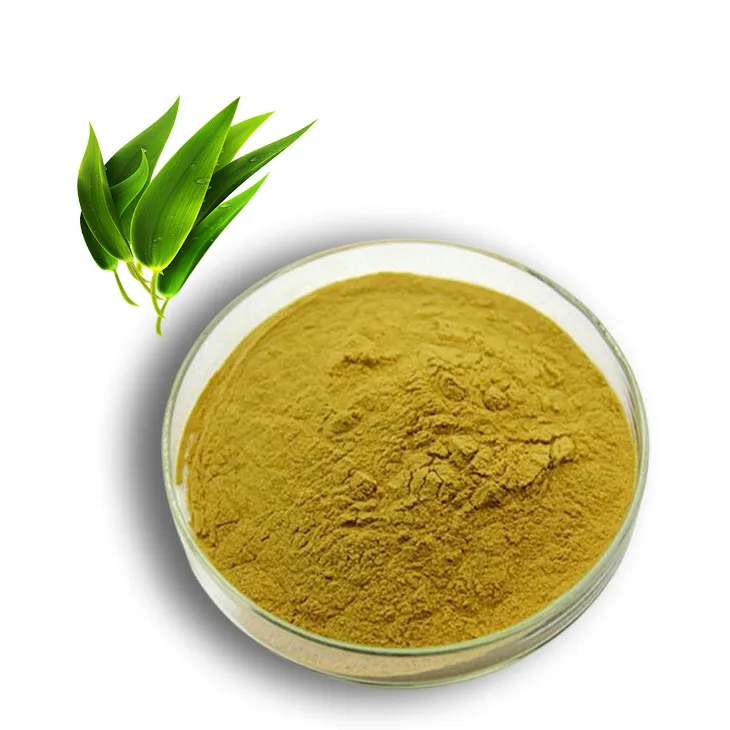
Bamboo Leaf extract
2026-07-14
-
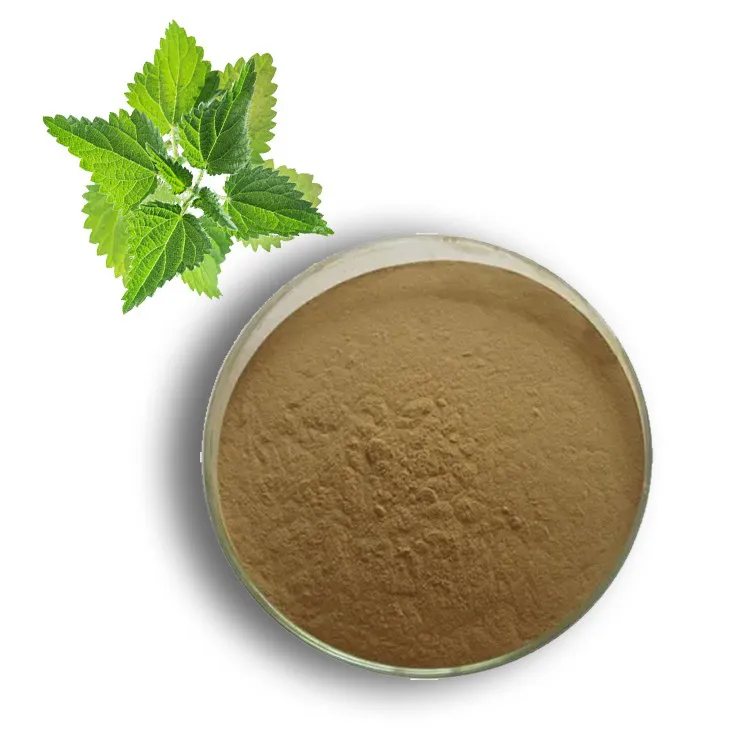
Nettle leaf extract
2026-07-14
-
Oyster Mushroom Extract Powder
2026-07-14
-
White Willow Bark Extract
2026-07-14
-
Nettle Root Extract
2026-07-14
-
Beta Carotene
2026-07-14
-
Curcuma Longa Extract/Turmeric extract
2026-07-14
-
Beetroot Powder
2026-07-14
-
Sea buckthorn oil
2026-07-14
-
Nattokinase
2026-07-14
