- 0086-571-85302990
- [email protected]






What Is Cranberry Extract? PAC Science, Urinary Health Benefits & B2B Sourcing Guide (2026)
2026-10-11
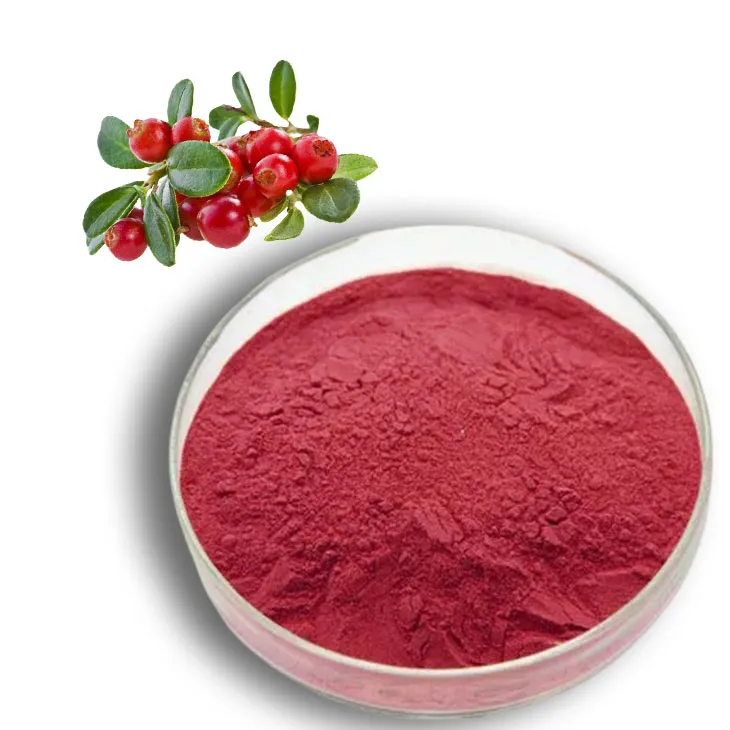
What Is Cranberry Extract? PAC Science, Urinary Health Benefits & B2B Sourcing Guide (2026)
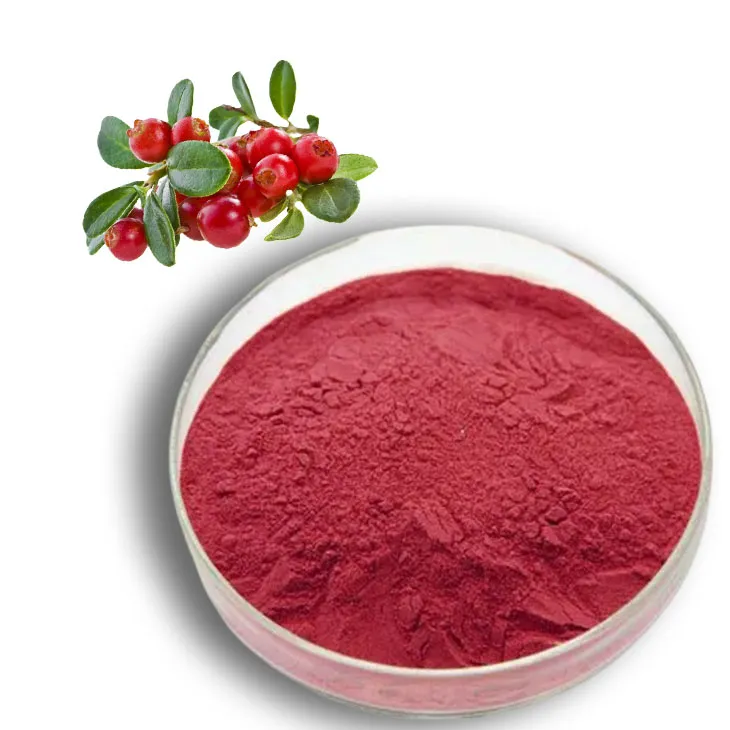
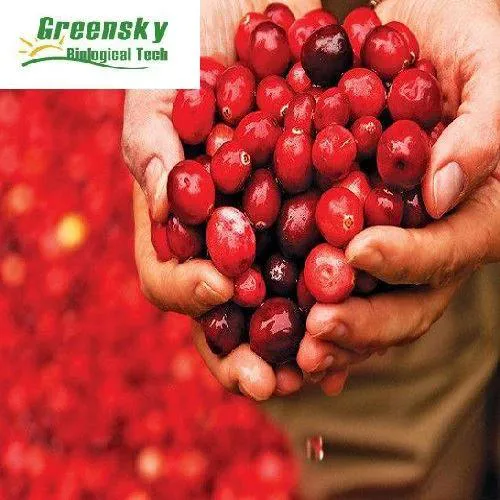
Cranberry Extract, derived from Vaccinium macrocarpon (American cranberry), has become one of the most recognized and clinically validated botanical ingredients for urinary tract health. Unlike many other berries, cranberries contain a unique class of A-type proanthocyanidins (PACs) — oligomeric compounds that prevent pathogenic bacteria, particularly E. coli, from adhering to the urinary tract lining. This distinctive mechanism, combined with cranberry's broad antioxidant profile, makes Cranberry Extract a cornerstone ingredient for urinary health, women's wellness, and immune support formulations.
For supplement manufacturers, private label brands, and functional food developers, cranberry extract offers strong consumer recognition, extensive clinical validation, and versatile application potential. This comprehensive guide covers the science of cranberry extract, its health benefits, standardization requirements, and key considerations for B2B sourcing.
What Makes Cranberry Unique: A-Type vs. B-Type Proanthocyanidins
Most fruits and berries contain B-type proanthocyanidins — the same class of compounds found in grape seed, cocoa, and green tea. Cranberries are unique in that they contain significant amounts of A-type proanthocyanidins, which have an additional ether bond between flavan-3-ol monomer units.
This structural difference is functionally critical: A-type PACs are responsible for cranberry's anti-adhesion activity — the ability to prevent bacteria from attaching to uroepithelial cells. This is the mechanism behind cranberry's well-documented urinary tract health benefits and cannot be replicated by B-type proanthocyanidin sources.
Structural Comparison
Found In
| Type | Bond Structure | |
|---|---|---|
| A-type PACs | C4→C8 + ether bond (C2→O→C7) | Cranberry, blueberry, plum, cinnamon |
| B-type PACs | C4→C8 or C4→C6 only | Grape seed, cocoa, green tea, apple |
When sourcing cranberry extract for urinary health applications, verifying A-type PAC content is essential. Not all cranberry extracts maintain meaningful levels of A-type PACs after processing, so analytical confirmation is critical.
Science-Backed Health Benefits of Cranberry Extract
1. Urinary Tract Health — The Anti-Adhesion Mechanism
Cranberry's most well-established benefit is its ability to support urinary tract health through bacterial anti-adhesion. Here's how it works:
PAC Anti-Adhesion: A-type proanthocyanidins in cranberry extract bind to P-fimbriae (adhesion structures) on the surface of E. coli and other uropathogenic bacteria, preventing them from attaching to the uroepithelial lining.
Non-Antibiotic Approach: Unlike antibiotics, cranberry extract does not kill bacteria — it prevents colonization. This means it doesn't contribute to antibiotic resistance and can be used preventively.
Clinical Validation: Multiple systematic reviews and meta-analyses have confirmed cranberry's efficacy in reducing urinary tract infection (UTI) recurrence, particularly in women with recurrent UTIs and children.
A 2023 meta-analysis published in the Journal of Urology found that cranberry products reduced the risk of UTI recurrence by approximately 26-35% in susceptible populations. The European Food Safety Authority (EFSA) has approved a health claim for cranberry PACs and urinary tract health, providing strong regulatory support for product marketing.
2. Antioxidant and Anti-Inflammatory Activity
Beyond its anti-adhesion properties, cranberry extract is a potent antioxidant source:
ORAC Value: Cranberry extract demonstrates high oxygen radical absorbance capacity, comparable to other berry extracts
Polyphenol Profile: Contains anthocyanins (cyanidin and peonidin glycosides), flavonols (Quercetin, myricetin), phenolic acids, and both A-type and B-type PACs
Inflammatory Modulation: Cranberry polyphenols reduce inflammatory markers including CRP, IL-6, and TNF-α
Cardiovascular Support: Emerging evidence suggests cranberry extract may improve endothelial function and support healthy lipid profiles
3. Oral Health and Dental Applications
Research has shown that cranberry PACs can also prevent bacterial adhesion in the oral cavity, offering potential benefits for:
Reducing plaque formation by preventing bacterial attachment to teeth
Inhibiting Streptococcus mutans adhesion, a primary causative agent of dental caries
Supporting gum health by reducing periodontal inflammation
Oral care product formulations (mouthwash, dental supplements)
4. Gut Microbiome and Digestive Health
Cranberry polyphenols exert prebiotic-like effects by:
Inhibiting the adhesion of pathogenic bacteria (e.g., H. pylori) to gastric mucosa
Promoting beneficial gut bacteria such as Bifidobacterium and Lactobacillus species
Supporting gut barrier integrity through anti-inflammatory mechanisms
5. Women's Health and Wellness
Cranberry extract is a foundational ingredient in women's health formulations, commonly combined with:
D-Mannose: Synergistic anti-adhesion mechanism for urinary tract support
Probiotics: Comprehensive urinary and vaginal microbiome support
Vitamin C: Enhanced antioxidant and immune support
Cranberry Extract Standardization: PAC Quantification
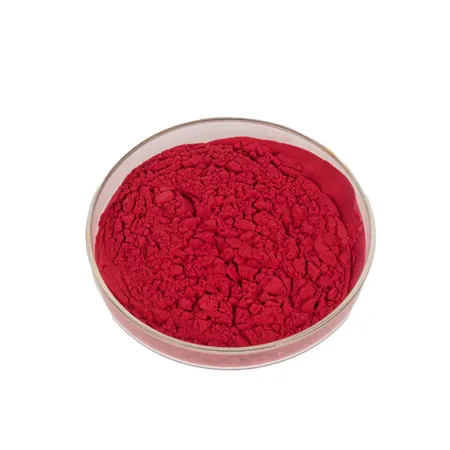
The standardization of cranberry extract is more complex than many botanical extracts due to the importance of A-type PAC verification:
| Standardization | Active Marker | Application |
|---|---|---|
| 10:1 or 20:1 Concentrate | Total polyphenols | General antioxidant, food/beverage fortification |
| ≥25% PAC (DMAC) | Total proanthocyanidins | Urinary health supplements, women's wellness |
| ≥36 mg PAC/day (DMAC) | A-type PACs (EFSA health claim threshold) | EFSA health claim-compliant products |
Important for B2B buyers: The DMAC (4-dimethylaminocinnamaldehyde) method is the preferred analytical method for PAC quantification in cranberry products. It specifically detects intact proanthocyanidin oligomers and is more accurate than UV-based methods for PAC determination.
Extraction Methods for Cranberry Extract
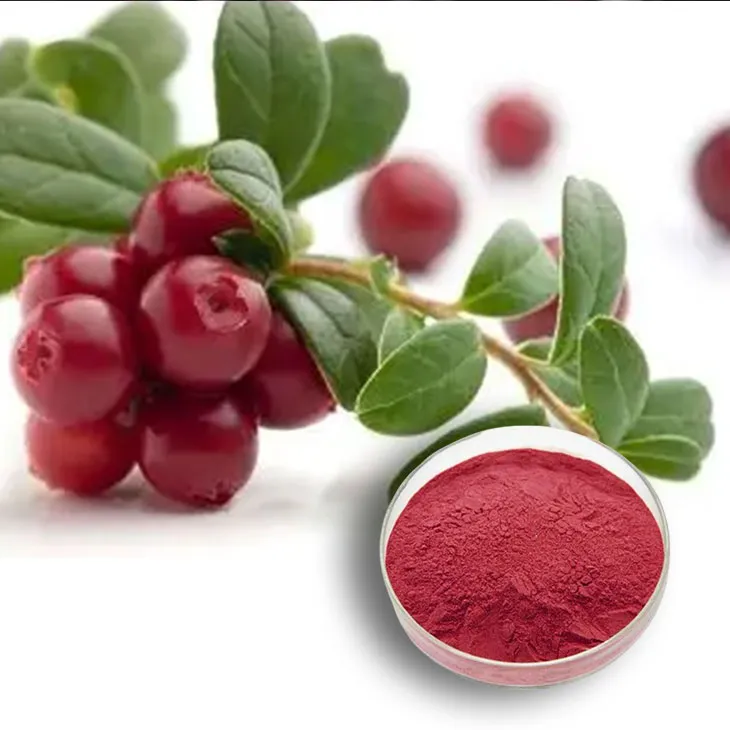
Producing high-quality cranberry extract requires careful processing to preserve the delicate A-type PAC structures:
1. Juice Concentration Method
Cranberry juice is concentrated through vacuum evaporation or membrane filtration, retaining water-soluble PACs and other polyphenols. This method produces a cranberry juice concentrate powder suitable for food and beverage applications.
2. Whole Fruit Extraction
Whole cranberries (including skins, seeds, and pulp) are extracted using food-grade ethanol-water mixtures. This method captures a broader spectrum of bioactive compounds, including skin-based anthocyanins and seed-based lipids, in addition to PACs.
3. PAC-Enriched Fractionation
Advanced extraction processes use membrane filtration and column chromatography to enrich the A-type PAC fraction, producing a standardized extract with verified PAC content suitable for clinical-grade urinary health supplements.
4. Quality Control
Premium cranberry extract production requires comprehensive testing:
PAC content verification (DMAC method)
A-type PAC ratio analysis (LC-MS for structural confirmation)
Anthocyanin content (for color and antioxidant standardization)
Heavy metal and microbiological testing
Moisture content and solubility analysis
Cranberry Extract vs. Other Urinary Health Ingredients
| Ingredient | Primary Mechanism | Evidence Level |
|---|---|---|
| Cranberry Extract (PACs) | Bacterial anti-adhesion | Strong — multiple meta-analyses, EFSA health claim |
| D-Mannose | Bacterial anti-adhesion (mannose-specific) | Moderate — emerging clinical evidence |
| Bearberry (Uva Ursi) | Antimicrobial (arbutin → hydroquinone) | Moderate — traditional use, limited modern trials |
| Buchu | Diuretic, antimicrobial | Traditional — limited clinical data |
| Goldenrod | Anti-inflammatory, diuretic | Moderate — ESCOP and Commission E approved |
For comprehensive urinary health formulations, combining cranberry extract with D-mannose provides complementary anti-adhesion mechanisms — cranberry PACs target P-fimbriae while D-mannose targets type 1 fimbriae, covering multiple bacterial adhesion pathways simultaneously.
Market Trends: Growing Demand for Cranberry Extract
The global cranberry extract market is projected to grow at a CAGR of 7-9% through 2030, driven by:
Women's Health Category Growth: The women's wellness supplement market continues to expand, with urinary health as a core segment
Antibiotic Resistance Awareness: Growing consumer preference for natural, non-antibiotic approaches to UTI prevention
EFSA Health Claim: The approved EU health claim for cranberry PACs strengthens product marketing and consumer confidence
Functional Beverage Integration: Cranberry extract is increasingly used in functional drinks, kombucha, and wellness beverages
Men's Health Expansion: Urinary health is a growing concern for aging men, particularly those with prostate-related urinary symptoms
Recommended Dosage for Cranberry Extract Supplements
Based on clinical research and EFSA guidelines:
Urinary Tract Health (EFSA claim): Minimum 36 mg PAC/day (DMAC method)
UTI Prevention: 300-500 mg/day of standardized cranberry extract (≥25% PAC)
General Antioxidant Support: 100-300 mg/day
Oral Health: 300-600 mg/day in dental supplement formulations
For optimal urinary tract support, consistent daily intake is more effective than intermittent use, as the anti-adhesion effect is temporary (PACs are excreted within 8-12 hours).
Quality Certifications for Cranberry Extract
When sourcing cranberry extract for commercial products, verify:
ISO 22000: Food safety management system
BRCGS: Global food safety standard
GMP Compliance: Good Manufacturing Practice
Halal & Kosher: Dietary compliance for global markets
Organic (Ecocert/USDA): For organic product claims
DMAC-Verified PAC Content: Essential for urinary health efficacy claims
GreenSky Bio, as a professional plant extract manufacturer since 2004, offers cranberry extract with verified PAC content, produced in our GMP-certified facility with ISO22000, BRCGS, and Ecocert Organic certifications.
Applications of Cranberry Extract Across Industries
Dietary Supplements: Capsules, tablets, gummies, and powders for urinary and women's health
Functional Beverages: Juices, wellness shots, kombucha, and sports drinks
Gummies & Confectionery: Cranberry-flavored gummies are among the top-selling supplement formats
Pet Supplements: Growing category for pet urinary health products
Oral Care Products: Mouthwash, toothpaste, and dental supplements
FAQ: Cranberry Extract
Q: How do I verify that a cranberry extract contains A-type PACs?
Request LC-MS (liquid chromatography-mass spectrometry) analysis from the supplier, which can differentiate between A-type and B-type proanthocyanidin structures. The DMAC method measures total PAC content but does not distinguish between types. For urinary health applications, A-type PAC verification is essential.
Q: What is the difference between cranberry juice concentrate powder and cranberry extract?
Cranberry juice concentrate powder is produced by concentrating and spray-drying cranberry juice, primarily containing water-soluble compounds. Cranberry extract (whole fruit extract) captures a broader spectrum of bioactive compounds from the entire fruit, including skin-based anthocyanins and seed components. For standardized PAC content, whole fruit extraction with fractionation is preferred.
Q: Can cranberry extract interact with medications?
Cranberry extract may interact with warfarin (blood thinner), potentially increasing INR values. Individuals on anticoagulant therapy should consult a healthcare professional before use. Cranberry extract is generally well-tolerated with no significant drug interactions reported in clinical studies.
Q: Is cranberry extract suitable for gummy supplements?
Yes. Cranberry extract is widely used in gummy supplements due to its natural flavor profile and water solubility. We can provide cranberry extract in formats optimized for gummy manufacturing, including water-soluble powders and liquid concentrates.
Partner with GreenSky Bio for Premium Cranberry Extract
As a trusted natural plant extract manufacturer since 2004, GreenSky Bio offers cranberry extract with:
Standardized PAC content (DMAC verified)
A-type PAC structural confirmation (LC-MS available)
Multiple formats: powder, liquid concentrate, spray-dried
ISO22000, BRCGS, GMP, Halal, Kosher, and Ecocert Organic certifications
Production capacity of 500 tons/year from our Jiangxi facility
Technical formulation support from our experienced R&D team
Reliable supply for European, American, and Asian markets
Whether you're developing a women's urinary health supplement, a functional beverage, or a gummy supplement, our cranberry extract delivers the quality, potency, and consistency your brand demands.
Contact us today to discuss your cranberry extract requirements, request a sample, or schedule a technical consultation with our team.
- ▶ Hesperidin
- ▶ Citrus Bioflavonoids
- ▶ Plant Extract
- ▶ lycopene
- ▶ Diosmin
- ▶ Grape seed extract
- ▶ Sea buckthorn Juice Powder
- ▶ Fruit Juice Powder
- ▶ Hops Extract
- ▶ Artichoke Extract
- ▶ Mushroom extract
- ▶ Astaxanthin
- ▶ Green Tea Extract
- ▶ Curcumin
- ▶ Horse Chestnut Extract
- ▶ Other Product
- ▶ Boswellia Serrata Extract
- ▶ Resveratrol
- ▶ Marigold Extract
- ▶ Grape Leaf Extract
- ▶ New Product
- ▶ Aminolevulinic acid
- ▶ Cranberry Extract
- ▶ Red Yeast Rice
- ▶ Red Wine Extract
- ▶ blog
-
Artichoke Leaf Extract
2026-10-11
-
Hawthorn powder
2026-10-11
-
Eucommia Ulmoides Extract
2026-10-11
-
Liposomal Berberine HCl
2026-10-11
-
Fig Extract
2026-10-11
-
Tormentil Extract
2026-10-11
-
Plantain extract
2026-10-11
-
Feverfew Extract
2026-10-11
-
Tinospora cordifolia extract
2026-10-11
-
Red Date Extract
2026-10-11
