- 0086-571-85302990
- [email protected]






Cranberry Extract: The Complete Guide to Proanthocyanidin Benefits, UTI Prevention & Premium Supplie
2026-07-23
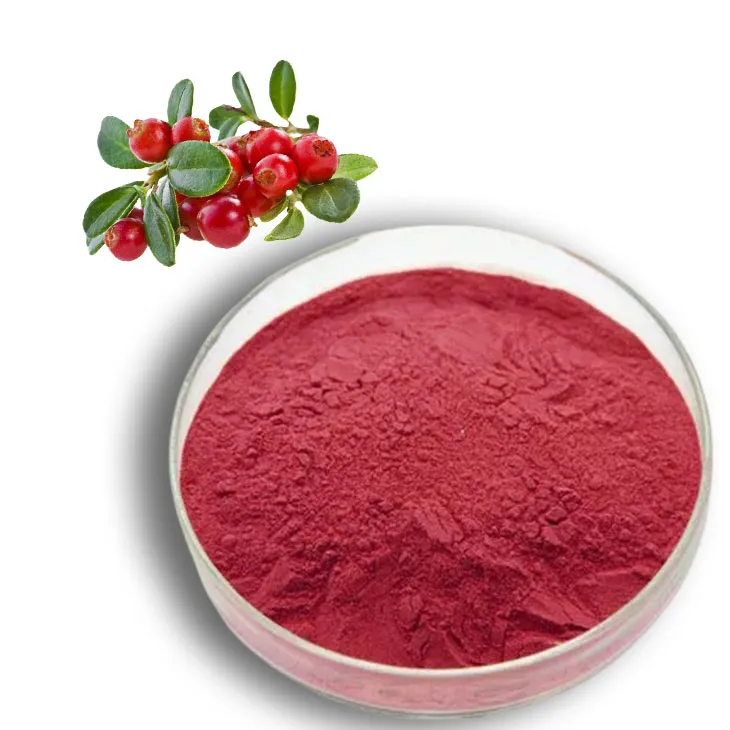
Meta Description: Discover everything about Cranberry Extract (10–30% Proanthocyanidins PACs) — from urinary tract health science, A-type PAC mechanisms to industrial applications and reliable supplier selection. Free samples available.
Keywords: Cranberry Extract, cranberry proanthocyanidins, PAC type A, UTI prevention supplement, vaccinium macrocarpon, urinary health extract, cranberry supplier, D-mannose alternative, women's health supplement
Introduction
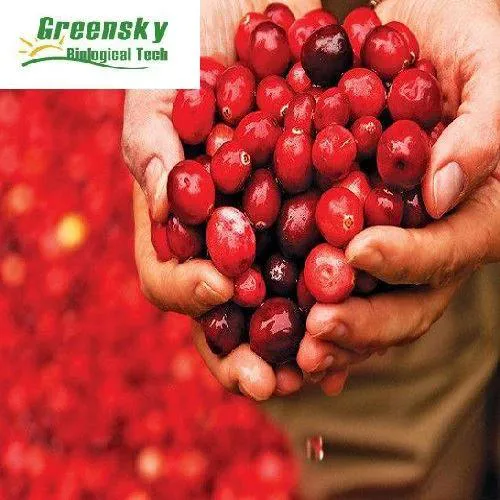
For over a century, cranberries have been recognized as one of nature's most effective defenders of urinary tract health. What began as a Native American remedy has evolved into one of the most thoroughly researched botanical ingredients in modern nutraceutical science. At the heart of cranberry's protective power lies a unique class of compounds — A-type proanthocyanidins (PACs) — that prevent harmful bacteria from adhering to the urinary tract lining. Unlike synthetic antibiotics, cranberry extract works through a physical anti-adhesion mechanism, making it an ideal ingredient for long-term urinary health maintenance. Today, standardized Cranberry Extract (10–30% PACs) powers a global market valued at over $1.2 billion, spanning dietary supplements, functional beverages, and personal care products.
Part 1: What Is Cranberry Extract?
Botanical Profile
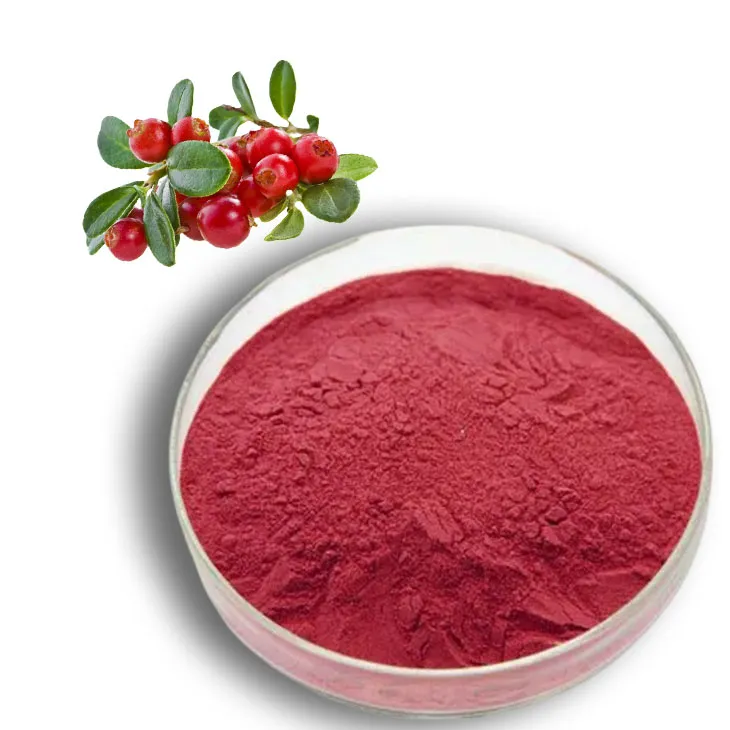
Attribute Detail Latin Name Vaccinium macrocarpon Aiton Family Ericaceae (Heath family) Common Names American Cranberry, Large Cranberry, 蔓越莓 (Mànyuèméi), Canneberge, Großfrüchtige Moosbeere Plant Description Low-growing (10–20 cm) evergreen shrub with wiry stems, small oval leaves, and distinctive pink "reflexed" flowers; produces bright red, tart berries Native Range Eastern North America (Canada, Northeastern United States) Major Cultivation Areas Wisconsin, Massachusetts, New Jersey, Oregon (USA); Quebec, British Columbia (Canada); Chile, China (Heilongjiang, Northeast) Historical Note Used by Native Americans (Wampanoag tribe) for food, dye, and medicine; European settlers adopted cranberry as a scurvy prevention; first commercial cultivation began in Massachusetts in 1816; now a $1+ billion annual crop in North America
Extraction Specifications
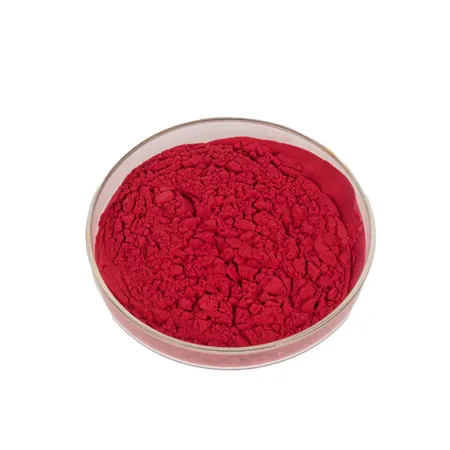
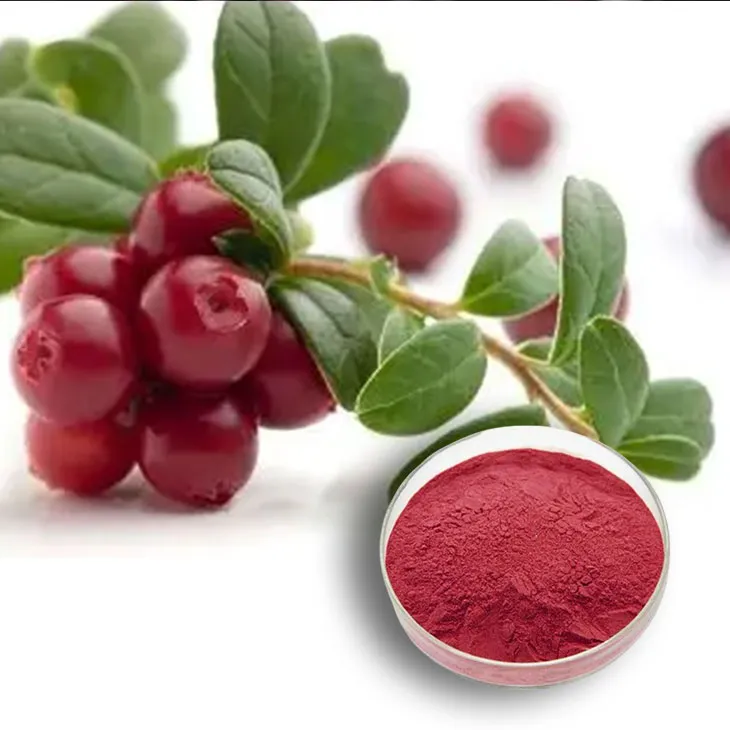
Parameter Specification Plant Part Used Dried whole fruits (berries) Extraction Ratio 4:1 to 25:1 (concentrated powder), or standardized PAC extract Extraction Method Water or hydro-ethanolic extraction, followed by membrane filtration and/or resin adsorption for PAC enrichment; spray drying or freeze drying Active Compounds A-type Proanthocyanidins (PACs), Anthocyanins (cyanidin-3-galactoside, cyanidin-3-arabinoside), Phenolic acids, Quercetin glycosides Standardized Content ≥ 10%, ≥ 15%, ≥ 25%, ≥ 30% PACs (DMAC method); 4:1 to 25:1 concentrate ratios available Appearance Deep red to purple-red fine powder (PAC-rich); reddish-brown powder (concentrate) Solubility Water-soluble (concentrate); PAC-rich extracts partially soluble in water/ethanol Odor Characteristic tart cranberry aroma (concentrate); mild (PAC extract)
Key Active Constituent Profile
Component Class Typical Content Notes A-type PACs (Oligomers) 1–30% (depending on spec) DMAC assay; dimers, trimers, tetramers with A-type interflavan linkages Anthocyanins 0.5–5% Cyanidin-3-galactoside (major), cyanidin-3-arabinoside, peonidin glycosides Phenolic Acids 1–3% Benzoic acid, p-coumaric acid, chlorogenic acid, caffeic acid Flavonols 0.5–2% Quercetin-3-galactoside, Quercetin-3-arabinoside, myricetin glycosides Organic Acids 5–15% Citric acid, malic acid, quinic acid, benzoic acid Vitamin C Trace (minimal in extract) Lost during extraction; not a significant contributor
Critical Distinction — A-type vs. B-type PACs: The anti-adhesion activity of cranberry PACs is specifically attributed to the A-type interflavan linkage (an additional ether bond between C2→O→C7 in addition to the standard C4→C8 bond). This structural feature is unique to cranberry (V. macrocarpon) among commonly consumed fruits. Most other berries (blueberry, grape seed, cocoa) contain only B-type PACs, which lack the same anti-adhesion efficacy. This is why cranberry-specific PAC standardization matters — not all "cranberry extracts" deliver the same functional benefit.
Quality Specifications We Provide
Test Parameter 4:1 Concentrate 25% PAC Standardized Test Method PACs (Total) ≥ 1.0% ≥ 25.0% DMAC (AOAC) A-type PAC Dimers ≥ 0.2% ≥ 5.0% LC-MS Anthocyanins ≥ 1.0% ≥ 0.5% HPLC Solids ≥ 95% ≥ 95% Loss on Drying Moisture ≤ 5.0% ≤ 5.0% Drying Method Ash ≤ 5.0% ≤ 3.0% High-Temperature Ignition Particle Size 95% through 80 mesh 98% through 80 mesh Sieve Heavy Metals ≤ 10 mg/kg ≤ 10 mg/kg ICP-MS Pesticide Residues EU MRL Compliant EU MRL Compliant GC-MS / LC-MS/MS Microbiology Standard Compliant Standard Compliant AOAC Methods
Part 2: Core Health Benefits & Mechanisms of Action
1. Urinary Tract Health — The Anti-Adhesion Mechanism
Cranberry extract's primary and most extensively studied benefit is supporting urinary tract health:
Anti-Adhesion Action: A-type proanthocyanidins prevent uropathogenic Escherichia coli (UPEC) — the bacteria responsible for ~80% of urinary tract infections — from adhering to the uroepithelial cells lining the bladder and urinary tract. The A-type PACs alter the structure of P-fimbriae (hair-like appendages) on E. coli, preventing the bacteria from "gripping" the bladder wall. This was first demonstrated in a landmark study by Ofek et al. (1991, Journal of Urology) and has been confirmed in numerous subsequent trials.
Clinical Evidence: A systematic review and meta-analysis published in the American Journal of Clinical Nutrition (Jepson et al., 2012) found that cranberry products significantly reduced the incidence of UTIs in women with recurrent infections (risk ratio 0.74). More recent studies using standardized PAC extracts have shown even stronger effects, with 36 mg PAC/day reducing UTI recurrence by approximately 50% over 6 months (Hickling et al., 2015, Canadian Urological Association Journal).
Biofilm Disruption: Emerging research indicates that cranberry PACs can also disrupt established bacterial biofilms, making them a potential adjunct to antibiotic therapy for chronic or recurrent UTIs (Pappas & Schafer, 2019, Frontiers in Microbiology).
2. Oral Health & Dental Applications
Anti-Adhesion for Oral Bacteria: The same anti-adhesion mechanism that works against UPEC also affects oral pathogens. Cranberry PACs inhibit the adhesion of Streptococcus mutans and Porphyromonas gingivalis to tooth surfaces, reducing plaque formation and gum disease risk (Weiss et al., 2004, Journal of Applied Microbiology).
Synergy with Fluoride: Studies suggest cranberry polyphenols may enhance the anti-caries effects of fluoride, offering a natural complementary approach to dental care.
3. Cardiovascular Health
Endothelial Function: Cranberry polyphenols improve endothelial function by increasing nitric oxide bioavailability and reducing oxidative stress in vascular tissue. A randomized controlled trial found that cranberry extract supplementation improved flow-mediated dilation (FMD) in patients with coronary artery disease (Basu et al., 2011, Nutrition Research).
Lipid Profile: Cranberry consumption has been associated with improved HDL/LDL ratios and reduced oxidized LDL levels, attributed to the antioxidant activity of PACs and anthocyanins.
Blood Pressure Modulation: The quercetin and phenolic acid content in cranberry extract contributes to mild vasodilatory and blood pressure-lowering effects.
4. Gastrointestinal Health
H. pylori Inhibition: Cranberry PACs have demonstrated inhibitory activity against Helicobacter pylori adhesion to gastric mucosa, suggesting potential as a complementary approach for gastric ulcer prevention (Burger et al., 2003, Journal of Nutrition).
Gut Microbiome Modulation: Cranberry polyphenols act as prebiotics, selectively promoting the growth of beneficial gut bacteria (e.g., Akkermansia, Bifidobacterium) while inhibiting pathogenic species.
5. Antioxidant & Anti-Inflammatory Properties
Broad-Spectrum Antioxidant: Cranberry extract scores highly on ORAC assays, with PACs, anthocyanins, and phenolic acids providing multi-target antioxidant protection.
Inflammation Modulation: Cranberry PACs downregulate COX-2 and iNOS expression in inflammatory pathways, reducing chronic inflammation markers (Bodet et al., 2006, Journal of Dental Research).
Part 3: Wide-Ranging Industrial Applications
Pharmaceutical & Nutraceutical Supplements
Application Typical Dosage Form Women's UTI Prevention 36–72 mg PAC/day Capsules, tablets, gummies Men's Prostate + Urinary Health 250–500 mg (4:1 extract) Capsules, softgels Combination with D-Mannose 18 mg PAC + 2g D-Mannose Powder sachets, tablets General Antioxidant Support 100–300 mg (4:1 extract) Multi-ingredient capsules
Cranberry extract is the #1 botanical ingredient in the women's urinary health category globally. It is frequently combined with D-mannose, Vitamin C, hibiscus extract, and probiotics (Lactobacillus strains) for synergistic urinary and vaginal health formulations.
Functional Foods & Beverages
Urinary Health Gummies: One of the fastest-growing segments in the gummy vitamin market, especially for women's health.
Functional Juices & Drinks: Cranberry concentrate is widely used in functional juice blends, kombucha, and wellness shots targeting urinary and immune health.
Oral Care Products: Cranberry extract is being explored as an active ingredient in sugar-free gummies and lozenges for oral health, leveraging its anti-adhesion properties against oral bacteria.
Cosmetics & Personal Care
Intimate Care Products: Cranberry PACs are incorporated into feminine hygiene washes and wipes for their anti-adhesion and antimicrobial properties.
Oral Care: Cranberry extract in toothpaste and mouthwash formulations to reduce plaque formation and support gum health.
Anti-Aging Skincare: Anthocyanin-rich cranberry extracts provide antioxidant protection in premium anti-aging serums and creams.
Animal Nutrition
Companion Animal UTI Support: Cranberry extract is increasingly used in canine and feline supplements for urinary tract health, particularly in breeds prone to recurrent UTIs.
Poultry Health: Research explores cranberry PACs as a natural alternative to antibiotic growth promoters in poultry production.
Part 4: How to Choose a Premium Cranberry Extract
Critical Quality Indicators
A-type PAC Verification: This is the single most important quality factor. Many "cranberry extracts" on the market contain only B-type PACs (from added grape seed or other fillers) or are simple fruit juice concentrates with minimal PAC content. Always request LC-MS analysis confirming A-type PAC dimers and oligomers. The DMAC assay alone is not sufficient — it measures total PACs but cannot distinguish A-type from B-type.
PAC Standardization Method: The DMAC (4-dimethylaminocinnamaldehyde) method is the industry standard for PAC quantification. Reputable suppliers provide DMAC-certified values. Be cautious of suppliers who only provide "total polyphenol" values, which significantly overestimate active PAC content.
Berry Origin & Variety: Vaccinium macrocarpon (American cranberry) contains significantly higher PAC levels than Vaccinium oxycoccos (European cranberry). Major cultivation regions include Wisconsin, Massachusetts, and Quebec. Wild-harvested European cranberries generally have lower PAC yields.
Extraction & Processing: Water extraction preserves the native PAC structure. Overly aggressive processing (high heat, extreme pH) can degrade the A-type interflavan linkages, reducing anti-adhesion efficacy. Look for suppliers who use gentle, low-temperature processing methods.
Third-Party Certifications: Request independent testing from accredited laboratories (Eurofins, Alkemist Labs, NSF International). Key tests should include: DMAC PAC content, LC-MS A-type PAC fingerprint, heavy metals, pesticide residues, and microbiological analysis.
Form Selection: Choose between:
4:1 to 25:1 Concentrates: Cost-effective, suitable for general antioxidant and food/beverage applications
PAC-Standardized Extracts (10–30%): Premium option for targeted urinary health supplements with clinically validated dosages
Part 5: About Greensky Biochem
As a trusted botanical extract manufacturer serving the global nutraceutical industry, Greensky Biochem supplies Cranberry Extract in multiple specifications, backed by rigorous quality control and competitive pricing:
Multiple Specifications Available: 4:1, 10:1, 20:1, 25:1 concentrates, plus PAC-standardized extracts (10%, 15%, 25%, 30%) — allowing you to select the exact potency for your application.
Verified A-type PAC Content: Every batch is tested by both DMAC assay and LC-MS fingerprinting to confirm A-type proanthocyanidin content. Full analytical reports provided with each order.
Sustainable Sourcing: Cranberries sourced from certified growers in North America and China, with documented origin traceability.
Food-Grade & Supplement-Grade Options: Available for food/beverage, dietary supplement, cosmetic, and animal nutrition applications.
Custom Formulation Support: Our R&D team can assist with custom specifications, water-soluble variants, and co-blending with complementary ingredients (D-mannose, hibiscus, Vitamin C).
Global Compliance: Products manufactured under ISO 22000 and HACCP systems. Kosher, Halal, and Organic certifications available.
Conclusion & Call to Action
Cranberry Extract stands as one of the most clinically validated botanical ingredients for urinary tract health, with its unique A-type proanthocyanidins offering a natural, non-antibiotic approach to UTI prevention. With a global market exceeding $1.2 billion and growing demand across supplements, functional foods, oral care, and intimate care categories, cranberry extract represents a reliable, high-demand ingredient for formulators worldwide.
Ready to source premium Cranberry Extract? Contact us today for:
Free Samples — Evaluate our PAC-standardized cranberry extracts in your formulations
Competitive Pricing — Volume-based quotes for all specifications (4:1 through 30% PAC)
Technical Documentation — Full COA, DMAC test reports, LC-MS A-type PAC fingerprints
Custom Solutions — Tailored specifications, co-blending, and application-specific formulations
Our experienced sales team is ready to support your cranberry extract requirements — reach out for samples and pricing today.
- ▶ Hesperidin
- ▶ Citrus Bioflavonoids
- ▶ Plant Extract
- ▶ lycopene
- ▶ Diosmin
- ▶ Grape seed extract
- ▶ Sea buckthorn Juice Powder
- ▶ Fruit Juice Powder
- ▶ Hops Extract
- ▶ Artichoke Extract
- ▶ Mushroom extract
- ▶ Astaxanthin
- ▶ Green Tea Extract
- ▶ Curcumin
- ▶ Horse Chestnut Extract
- ▶ Other Product
- ▶ Boswellia Serrata Extract
- ▶ Resveratrol
- ▶ Marigold Extract
- ▶ Grape Leaf Extract
- ▶ New Product
- ▶ Aminolevulinic acid
- ▶ Cranberry Extract
- ▶ Red Yeast Rice
- ▶ Red Wine Extract
- ▶ blog
-
Hawthorn powder
2026-07-23
-
Saw Palmetto Extract
2026-07-23
-
Horse Chestnut Extract
2026-07-23
-
Angelica sinensis extract
2026-07-23
-
Medicinal Marshmallow Extract
2026-07-23
-
Mulberry Extract
2026-07-23
-
Red Wine Extract
2026-07-23
-
Clove Powder
2026-07-23
-
Lily extract
2026-07-23
-
Agaricus Blazei Extract
2026-07-23
