- 0086-571-85302990
- [email protected]






International Plant Extract Industry News & Trends — August 2026
2026-08-04
Global Botanical Extracts Market: Innovation, Regulation & Sustainability Update
The international plant extract and botanical ingredient industry is experiencing rapid transformation in 2026. Below is a comprehensive roundup of the latest developments shaping the global market.
1. GLP-1 Revolution Creates New Opportunities for Functional Botanicals
The explosive growth of GLP-1 medications is reshaping the food, beverage, and dietary supplement industries — and plant extracts are central to the response.
Leatherhead Food Research reports that beverage manufacturers are developing GLP-1 support products including fiber-enriched drinkable yogurts, meal replacement shakes, and beverages fortified with plant-based electrolytes and botanical nutrients. However, the regulatory landscape remains fragmented: analysis of 17 international markets found no harmonized framework for classifying or labeling these products, even within the EU and ASEAN.
Implication for plant extract suppliers: Rising demand for standardized, well-characterized botanical ingredients with documented functional benefits, alongside the need for rigorous multi-jurisdictional compliance documentation.
(Source: FoodNavigator, Aug 3, 2026)
2. Clean-Label Movement Accelerates: Premium Botanicals in High Demand
Consumer definitions of "indulgence" have fundamentally shifted in 2026. According to Euromonitor International and Circana, consumers now associate premium indulgence with quality ingredients, clean labels, and provenance — not excess fat or sugar.
Demand for minimally processed, clean-label products continues to grow globally
Plant extracts serve as natural flavor enhancers, colorants, and functional additives
Traceable, sustainably sourced botanicals command premium market positioning
Implication: Plant extract companies offering transparent, sustainably produced ingredients will capture growing market share in premium segments.
(Source: FoodNavigator, Aug 3, 2026)
3. Functional Snacking Market Surges Past Conventional Products
The better-for-you snack market is dramatically outperforming traditional snacks, driving demand for natural and plant-based ingredients:
Better-for-you snacks grew 10% vs. 1% for conventional (52 weeks ending March 2026)
56% of Americans now replace meals with snacks or smaller eating occasions
Natural channel shoppers prioritize clean ingredients, minimal processing, and seed-oil-free formulations
Implication: Botanical extracts are increasingly essential in protein bars, wellness snacks, and plant-based snack formulations as natural functional ingredients.
(Source: FoodNavigator / Spins / Circana, Jul 29, 2026)
4. Gut Health Boom Drives Prebiotic Botanical Ingredient Growth
The gut health sector continues strong expansion, with plant-derived prebiotics leading the way:
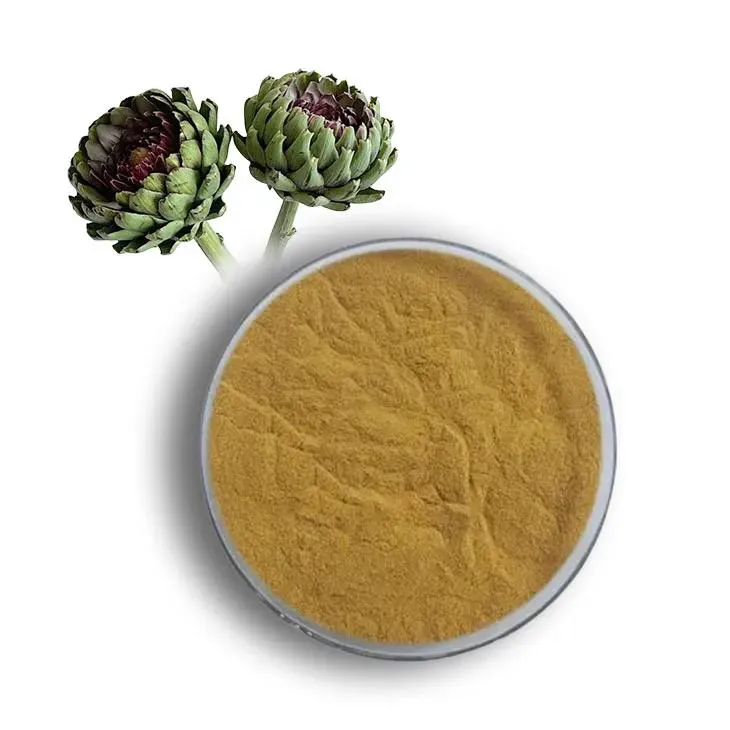
Chicory root fiber (inulin) and other plant-based prebiotic fibers are in high demand
"Food-first" gut health solutions are gaining popularity over supplement-based approaches
Formulation challenge: balancing high functional ingredient levels with taste and texture quality
Key ingredients in focus: Prebiotic plant fibers, botanical extracts with microbiome-supporting properties, diverse fiber sources from whole-food botanical ingredients.
(Source: FoodNavigator, Jul 28, 2026)
5. Sustainable Sourcing: From Nice-to-Have to Business-Critical
Mars' Shubh Mint programme demonstrates the business case for sustainable botanical sourcing:
24,000+ farmers participated, more than doubling mint farming incomes
8,500+ women trained in climate-smart agriculture
Climate-smart practices reduced costs by 20% while increasing yields
Program now expanding across Mars' wider agricultural supply chain
With ~80% of the world's natural mint originating from a single region (Uttar Pradesh, India), supply chain concentration risk is a real concern. Plant extract companies must prioritize sustainable, diversified sourcing to ensure long-term supply security.
(Source: FoodNavigator, Aug 3, 2026)
6. Ultra-Processed Food Debate: Implications for Natural Extracts
The FDA and USDA are working on defining ultra-processed foods (UPFs), with three competing frameworks under review. Non-ultra-processed snacks are already declining less sharply than ultra-processed alternatives in natural retail (−1% vs. −6% to −9%).
Implication: Natural plant extracts — as minimally processed, clean-label ingredients — are well-positioned to benefit from the consumer shift away from ultra-processed products.
(Source: FoodNavigator, Jul 17, 2026)
7. Emerging Science: Botanicals at the Intersection of Nutrition and Health
New research continues to expand potential applications for plant-derived compounds:
GLP-1 research now extends beyond weight management to cancer prevention, biological aging, and addiction treatment — potentially expanding the market for complementary botanical supplements
Growing scientific recognition of the intersection between natural compounds and health outcomes benefits the broader plant extract industry
While primarily pharmaceutical developments, these trends signal increasing mainstream acceptance of the role that natural botanical ingredients play in health and wellness.
(Source: FoodNavigator, Jun 12, 2026)
Industry Outlook: Key Takeaways for 2026
Trend Impact on Plant Extract Industry GLP-1 product development New demand for functional botanicals; regulatory complexity Clean-label consumer shift Premium positioning for natural, traceable extracts Functional snacking growth Botanicals essential in next-gen snack formulations Gut health market expansion Prebiotic plant fibers in high demand Sustainable sourcing Business-critical differentiator; supply chain resilience UPF regulatory debate Natural extracts well-positioned as clean alternatives Scientific research Growing mainstream acceptance of botanical health benefits
About this report: This industry update is compiled from publicly available sources including FoodNavigator, Leatherhead Food Research, Spins, Circana, and Euromonitor International. It is provided for informational purposes only and does not constitute investment or regulatory advice.
- ▶ Hesperidin
- ▶ Citrus Bioflavonoids
- ▶ Plant Extract
- ▶ lycopene
- ▶ Diosmin
- ▶ Grape seed extract
- ▶ Sea buckthorn Juice Powder
- ▶ Fruit Juice Powder
- ▶ Hops Extract
- ▶ Artichoke Extract
- ▶ Mushroom extract
- ▶ Astaxanthin
- ▶ Green Tea Extract
- ▶ Curcumin
- ▶ Horse Chestnut Extract
- ▶ Other Product
- ▶ Boswellia Serrata Extract
- ▶ Resveratrol
- ▶ Marigold Extract
- ▶ Grape Leaf Extract
- ▶ New Product
- ▶ Aminolevulinic acid
- ▶ Cranberry Extract
- ▶ Red Yeast Rice
- ▶ Red Wine Extract
- ▶ blog
-

Lion's Mane Mushroom Extract
2026-08-04
-
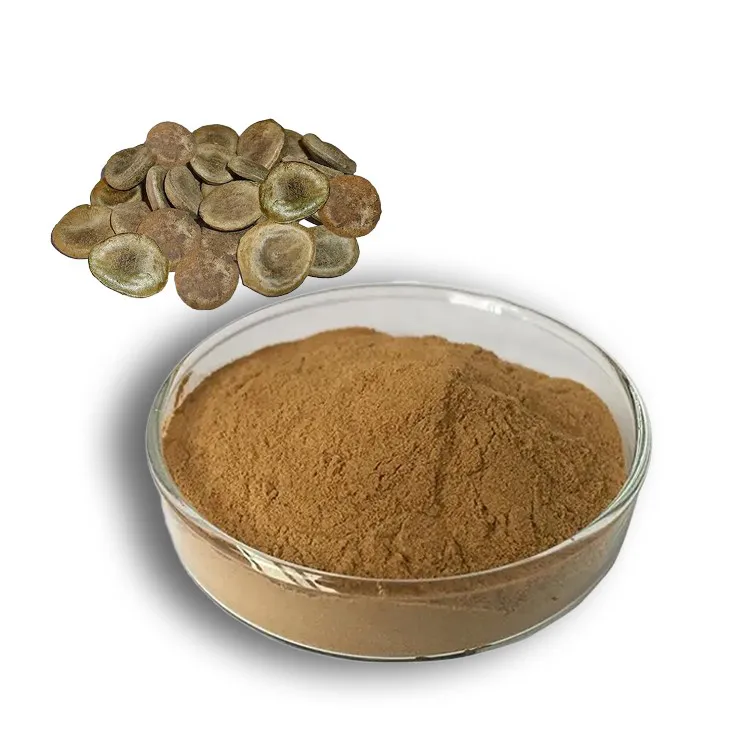
Kupilu Extract
2026-08-04
-
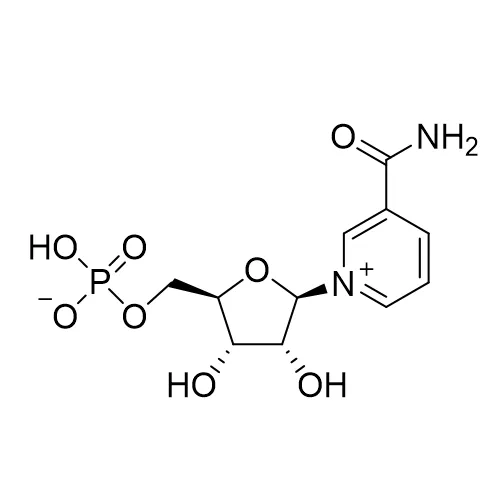
Liposomal NMN
2026-08-04
-
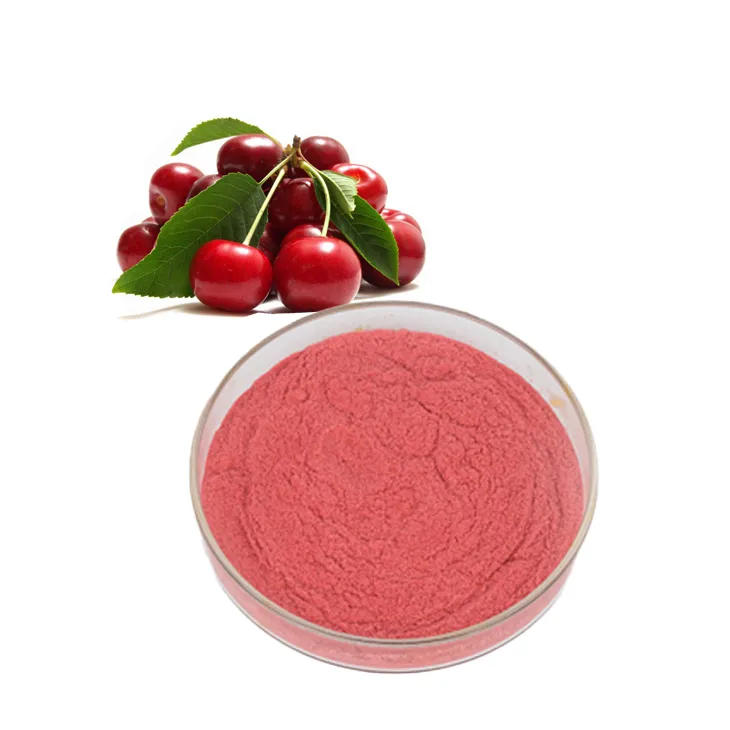
Acerola Extract
2026-08-04
-
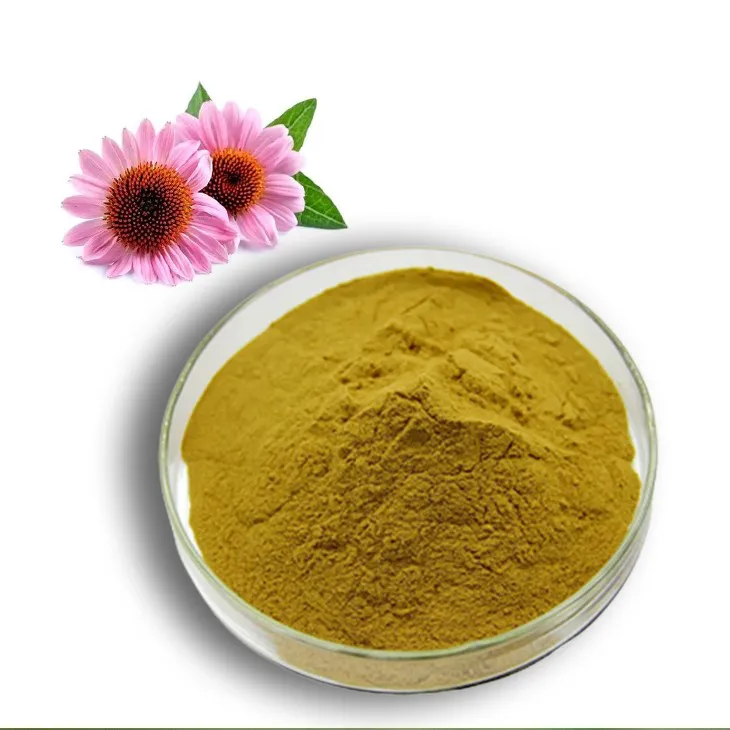
Echinacea Extract
2026-08-04
-
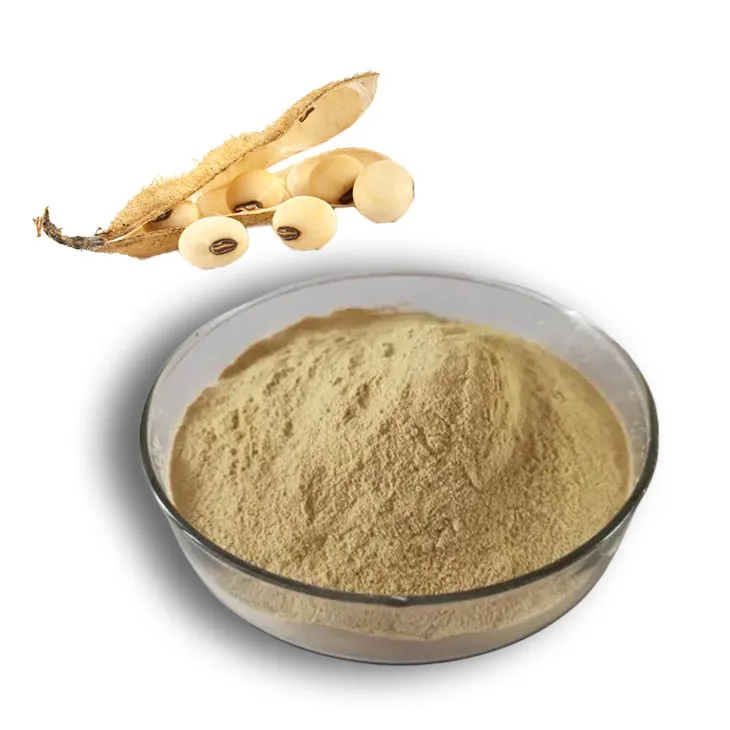
Soy Extract
2026-08-04
-
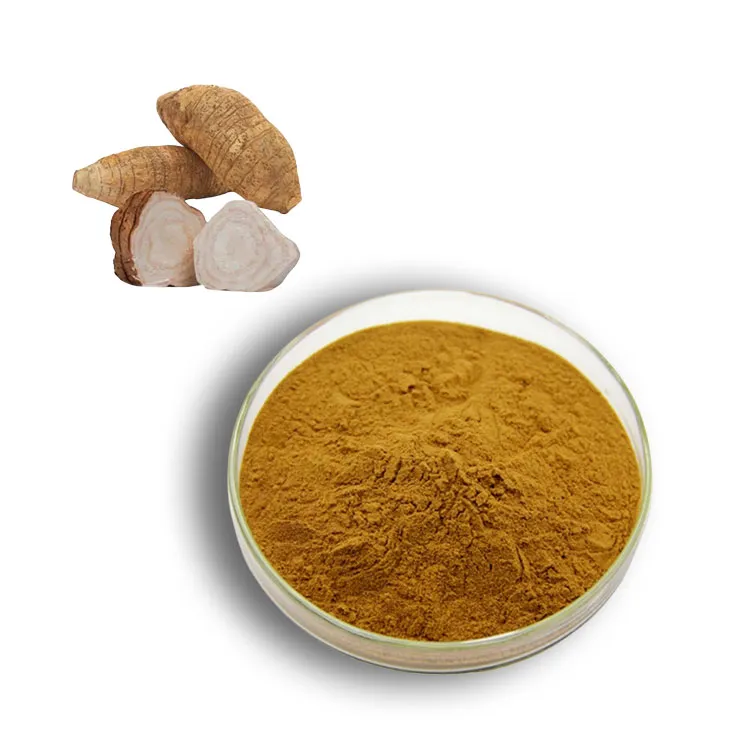
Pueraria Lobata Extract
2026-08-04
-
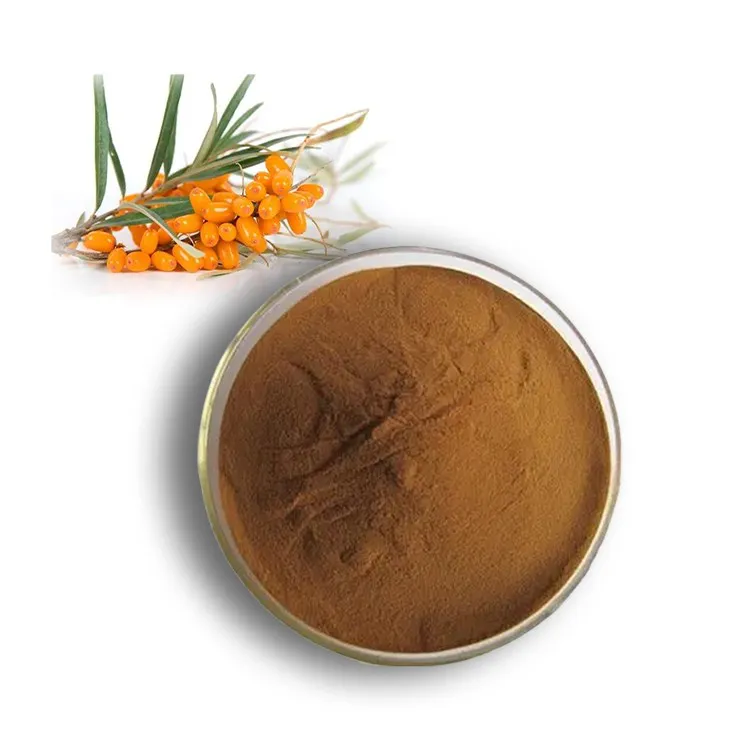
Buckthorn bark extract
2026-08-04
-
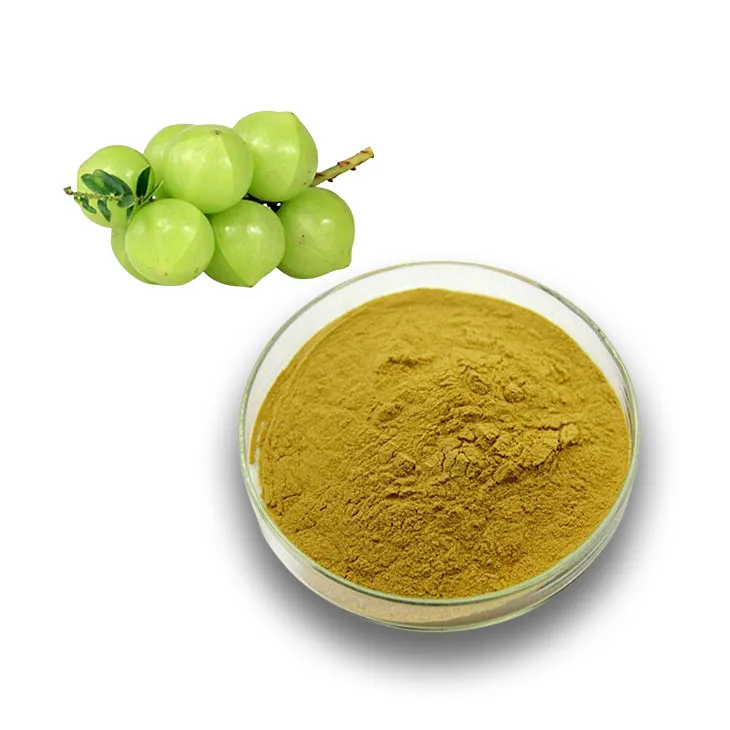
Phyllanthus Emblica Extract
2026-08-04
-
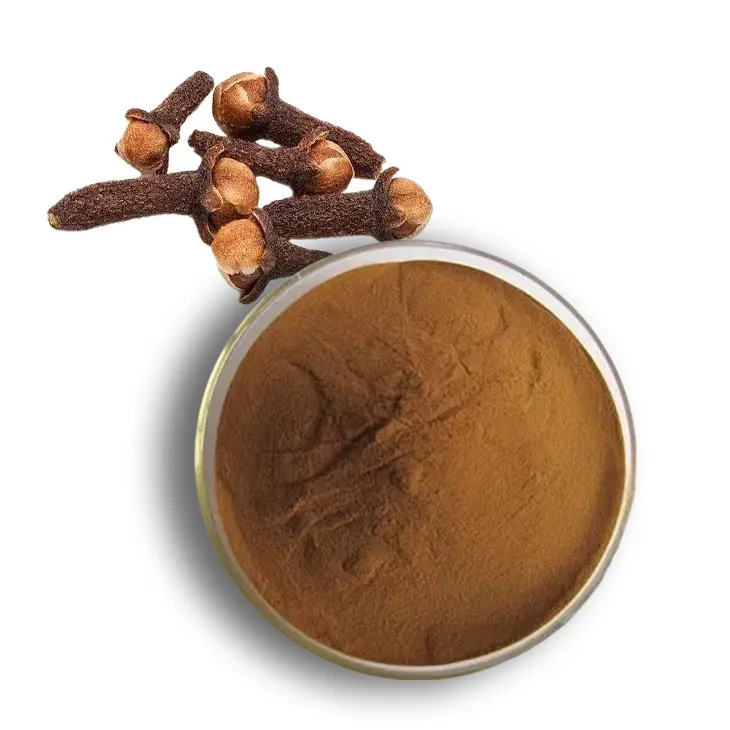
Clove Powder
2026-08-04
