- 0086-571-85302990
- [email protected]






International Plant Extract Industry Developments & Trend Analysis (July 2026)
2026-07-15
Introduction
In July 2026, the global plant extract industry continues its rapid development, driven by technological innovation, regulatory change, and market demand, presenting numerous noteworthy new developments. From the unveiling of North America's annual industry awards, to profound adjustments in the European regulatory framework, to the standardization upgrades in Asian markets, the plant extract industry is undergoing an unprecedented period of transformation. This article reviews recent key news and development trends in the international plant extract sector, providing reference for industry peers.
I. 2026 NutraIngredients USA Awards Announced: Plant Extracts Take Center Stage
On July 14, 2026, the 2026 NutraIngredients USA Awards—widely regarded as the "Oscars of the industry"—officially announced its winners. This year's awards focused on three dimensions: ingredient innovation, product development, and industry contribution. Plant extracts and related natural ingredients delivered outstanding performances across multiple categories.
Ingredient of the Year: Botanical
Winner: Reducose® (Phynova Group) — a natural extract derived from mulberry leaves that helps manage blood glucose and body weight by modulating carbohydrate metabolism.
Shortlisted: Ashwanova (Nutriventia) — an innovative ashwagandha extract; CyantOx™ Sea Buckthorn Proanthocyanidin Extract (Puredia) — rich in antioxidant active compounds.
Ingredient of the Year: Healthspan
Winner: Mitopure (Timeline) — a mitochondrial health ingredient based on Urolithin A, supporting cellular energy metabolism.
Shortlisted: Magtein (ThreoTech) — an innovative magnesium supplement supporting cognitive and brain health.
Research Project of the Year
Winner: Reducose® Research Program (Phynova Group) — the clinical research surrounding the Mulberry leaf Extract received high recognition from the judges.
Editors' Award: Industry Initiative of the Year
Winner: WhatToTrust™ (Canomiks) — a platform that uses genomics and artificial intelligence technology to verify the authenticity and efficacy of botanical ingredients, representing significant progress in industry quality transparency.
Industry Insight: The award-winning and shortlisted entries in the plant extract category collectively reflect three major industry trends—evidence-based scientific validation (clinical research-driven), bioavailability optimization (novel delivery technologies), and the establishment of traceability and quality certification systems.
II. Regulatory Storm: Global Plant Extract Industry Faces Profound Transformation
2.1 Ashwagandha's Regulatory Predicament Continues to Escalate
As one of the world's best-selling adaptogenic herbs, ashwagandha is facing unprecedented regulatory pressure, which may profoundly impact the compliance pathways of the future plant extract industry.
Key Timeline:
2009: The World Health Organization (WHO) published a monograph on ashwagandha, confirming its status as a traditional medicinal plant while also noting potential adverse effects and herb-drug interactions.
2013: Germany's Federal Institute for Risk Assessment (BfR) recommended initiating the Article 8 review procedure, citing endocrine disruption risks, miscarriage risks, and insufficient toxicological data associated with ashwagandha.
2020: Denmark commissioned the Technical University of Denmark to conduct a risk assessment, concluding that a safe lower intake limit could not be determined.
2021: India's Ministry of AYUSH issued recommendations to avoid the use of ashwagandha leaves and restrict use to roots only, but subsequently revisited the guidance under industry pressure.
2023: Denmark implemented a comprehensive ban, triggering a chain reaction.
2026: The EU is considering whether to initiate the Article 8 review procedure, which could lead to restrictions or even a ban across the entire EU.
Industry Impact: Ashwagandha is a key variety in the global plant extract market, with annual trade valued at several hundred million dollars. Should the EU implement restrictions, it will reshape the global supply chain landscape, affect the export patterns of major producing countries such as India and China, and accelerate the industry's search for alternative adaptogenic ingredients.
2.2 U.S. FDA Deepens Dietary Supplement Regulatory Reform
On July 1, 2026, the 14th Annual ACI-CRN Dietary Supplement Legal, Regulatory & Compliance Forum was held in New York. Dr. Cara Welch, Director of the FDA's Office of Dietary Supplement Programs (ODSP), outlined the FDA's regulatory priorities at the forum:
New Dietary Ingredient (NDI) Guidance: Expected to be released by the end of 2026, providing guidance on NDI identity and safety information—a long-awaited milestone document for the industry.
Dietary Ingredient Definition Scope: The FDA is reviewing nearly 1,000 industry comments to redefine the legal definition of "dietary ingredient," balancing innovation with safety.
GRAS (Generally Recognized as Safe) Loophole: Driven by the MAHA agenda, the self-affirmed GRAS pathway may face tightening, with direct implications for the market access pathways of new plant extract ingredients.
2.3 EU Food Supplement Regulation Advances on Dual Tracks
On June 23, 2026, the European Federation of Associations of Health Product Manufacturers (EHPM) convened the inaugural Food Supplement Summit in Brussels, focusing on two core issues:
Maximum Permitted Levels (MPLs) for Vitamins and Minerals:
The European Commission plans to launch a public consultation in Q3 2026 and release a draft regulation in Q1 2028.
EHPM is conducting an independent industry impact assessment covering 100 companies across 20 member states. If limits are set too conservatively, a large number of supplement brands will face reformulation or market withdrawal risks.
Packaging and Packaging Waste Regulation (PPWR):
From August 12, 2026, food-contact packaging containing PFAS (forever chemicals) will be banned, with blister packs and flexible packaging commonly used in the plant extract industry facing substitution challenges.
From 2030, packaging recyclability grading requirements will be implemented, but specific standards will not be published until 2028, leaving companies with an extremely tight compliance window.
2.4 China Customs Strengthens Cross-Border Health Supplement Oversight
In June 2026, at the Healthplex China Expo, the China Customs Cross-Border E-Commerce Commodity Quality and Safety Monitoring Center disclosed three categories of typical violations:
Prohibited Additives: Health supplements containing banned substances such as gold leaf, cannabis components, and sibutramine were intercepted.
False Advertising: Ready-to-eat bird's nest products with no detectable bird's nest content; CoQ10 products with actual content significantly deviating from labeled amounts.
Counterfeit Imports: Some products claiming to be "Australian brands" were actually manufactured in China, exported and re-imported after registering overseas shell companies.
Industry Insight: As one of the world's largest plant extract production and consumption markets, China's tightening regulation will drive industry consolidation, with compliant companies expected to gain greater market space.
III. Industry M&A and Technology Integration Accelerate
3.1 Solabia Completes Acquisition of Mibelle Biochemistry
On July 14, 2026, France's Solabia Group officially completed the acquisition of Swiss active ingredient company Mibelle Biochemistry. Mibelle is renowned for its plant stem cell technology (PhytoCellTec), with products covering skincare cosmetology, healthy aging, cognitive support, and other areas, distributed in over 50 countries.
This acquisition signals accelerated consolidation in the Nutricosmetics sector. According to Fortune Market Insights, the global nutricosmetics market is projected to grow from USD 8.32 billion in 2026 to USD 15.98 billion by 2034, at a CAGR of 8.50%. Euromonitor data shows that over the past two years, 20% of newly launched dietary supplement SKUs globally carried beauty claims.
3.2 UNPA (United Natural Products Alliance) Announces Dissolution by End of 2026
On June 30, 2026, UNPA President Loren Israelsen announced his retirement, and UNPA will officially dissolve by the end of 2026. Founded in 1991, UNPA played a pivotal role in the formulation of the U.S. Dietary Supplement Health and Education Act (DSHEA). Its dissolution marks the end of an era for the U.S. dietary supplement industry.
IV. Research Frontiers: Exploring New Efficacy of Plant Extracts
4.1 Probiotics Combat Photoaging via the "Gut-Skin Axis"
A study published in the Journal of Microbiology and Biotechnology in July 2026 demonstrated that oral administration of probiotic strain ABF21013 (Lacticaseibacillus paracasei subsp. paracasei) significantly reduced UVB-induced wrinkle formation, transepidermal water loss, and skin thickening in mice, while increasing collagen content and hyaluronic acid secretion. The research suggests that probiotics exert anti-photoaging effects by modulating MMP enzyme activity and the EGFR signaling pathway.
This finding opens new research directions for the synergistic application of plant extracts and probiotics—the "beauty from within" concept is moving from theory to scientific validation.
4.2 Dietary Fiber IPE Receives EU Novel Food Approval
In July 2026, Inulin Propionate Ester (IPE), jointly developed by scientists from Imperial College London and the University of Glasgow, received EU Novel Food approval. IPE combines inulin (a naturally derived soluble dietary fiber from plants) with the short-chain fatty acid propionate ester, targeting colonic receptors to regulate appetite hormones, delay digestion, and promote satiety.
The research team believes IPE could serve as an adjunct during the dose-reduction maintenance phase of GLP-1 medications, or as an independent weight management strategy. A spin-off company, Satisfed, has been established and is currently seeking industrial partners to drive large-scale production.
4.3 Antioxidant Intake and Male Fertility Health
Another study published on July 14, 2026, showed that higher dietary antioxidant intake (zinc, vitamin C, vitamin E) was significantly associated with improved sperm quality and fertility in men. This finding strengthens the market positioning of plant extracts—particularly varieties rich in polyphenols and antioxidant compounds—in the male reproductive health sector.
V. Market Trends and Outlook
5.1 "Beauty from Within" Continues to Heat Up
From the Solabia-Mibelle acquisition to probiotic anti-photoaging research, to the NutraIngredients Awards establishing a dedicated "Beauty from Within" category, oral beauty has become one of the fastest-growing sub-segments in the plant extract industry. Demand for products rich in plant active compounds such as anthocyanins, carotenoids, and collagen peptides remains robust.
5.2 Adaptogens and Stress Management Demand Unabated
Despite regulatory uncertainty surrounding ashwagandha, demand for adaptogenic plant extracts such as rhodiola, holy basil, reishi mushroom, and ginseng continues to grow, reflecting consumers' heightened focus on mental health and stress management in the post-pandemic era.
5.3 Regulatory Compliance Becomes a Core Competency
The regulatory frameworks of major global markets are undergoing unprecedented restructuring—the U.S. NDI guidance is imminent, the EU's MPLs and PPWR are advancing in tandem, and China Customs is strengthening enforcement. For plant extract production and trading companies, compliance capability has shifted from a "cost item" to a "competitive moat."
5.4 Traceability and Quality Certification Systems Upgraded
Canomiks' WhatToTrust™ platform winning the award demonstrates that verifying the authenticity, purity, and efficacy of botanical ingredients using genomics, artificial intelligence, and blockchain technology is becoming an industry standard. Companies should invest early in digital quality management systems.
5.5 Opportunities and Challenges in the GLP-1 Era
The global popularity of GLP-1 weight-loss drugs (such as semaglutide) is reshaping the competitive landscape of the dietary supplement industry. On one hand, consumer demand for fiber, protein, and micronutrient supplements is rising; on the other hand, traditional weight management plant extracts need to be repositioned to complement rather than substitute GLP-1 medications.
Conclusion
The international plant extract industry in July 2026 is filled with both opportunities and challenges. Technological innovation (such as plant stem cell cultivation and genomics verification) is raising the industry's technical barriers; regulatory change (such as EU MPLs and U.S. NDI guidance) is reshaping the market competitive landscape; and rising consumer awareness and preference for natural, scientifically validated products provide a solid foundation for long-term industry growth.
For plant extract companies, increasing R&D investment, enhancing compliance capabilities, and embracing digital quality management are key strategies for navigating the current industry transformation and seizing future growth opportunities.
- ▶ Hesperidin
- ▶ Citrus Bioflavonoids
- ▶ Plant Extract
- ▶ lycopene
- ▶ Diosmin
- ▶ Grape seed extract
- ▶ Sea buckthorn Juice Powder
- ▶ Fruit Juice Powder
- ▶ Hops Extract
- ▶ Artichoke Extract
- ▶ Mushroom extract
- ▶ Astaxanthin
- ▶ Green Tea Extract
- ▶ Curcumin
- ▶ Horse Chestnut Extract
- ▶ Other Product
- ▶ Boswellia Serrata Extract
- ▶ Resveratrol
- ▶ Marigold Extract
- ▶ Grape Leaf Extract
- ▶ New Product
- ▶ Aminolevulinic acid
- ▶ Cranberry Extract
- ▶ Red Yeast Rice
- ▶ Red Wine Extract
- ▶ blog
-
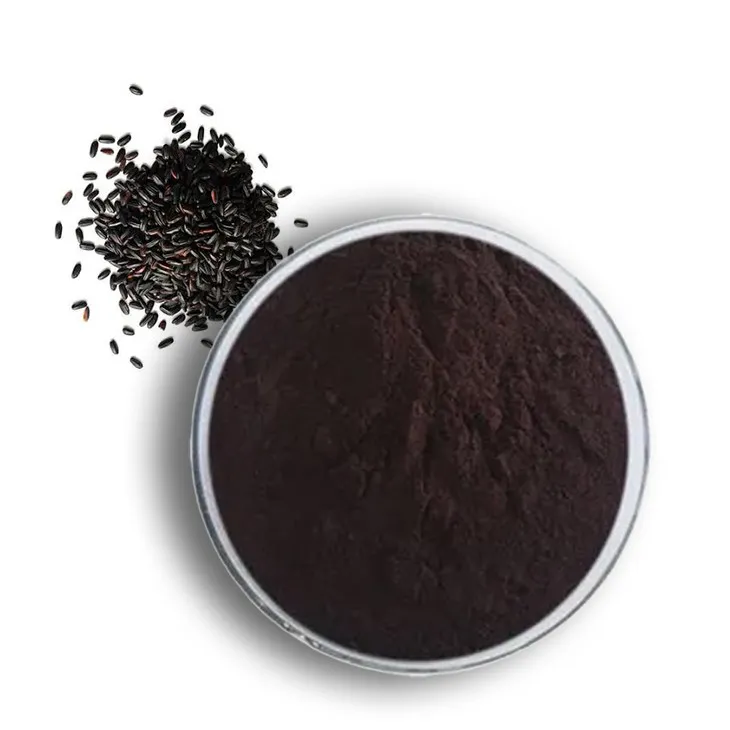
Black Rice Extract
2026-07-15
-
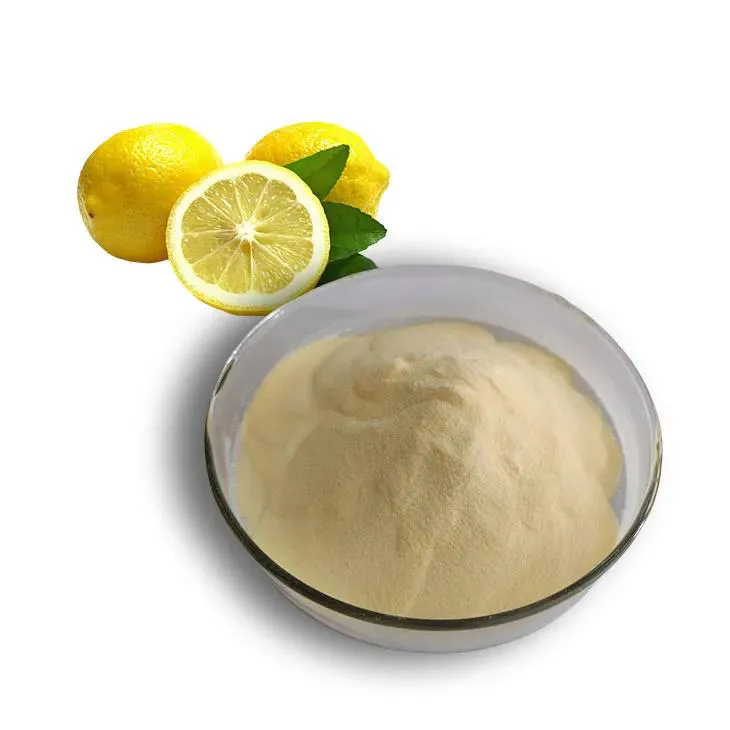
Lemon Juice Powder
2026-07-15
-
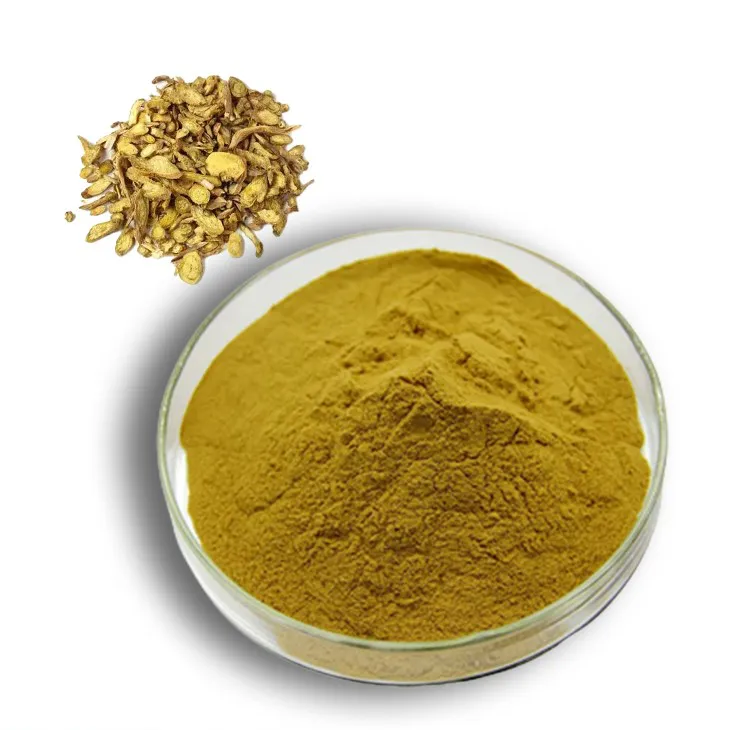
Baicalin
2026-07-15
-
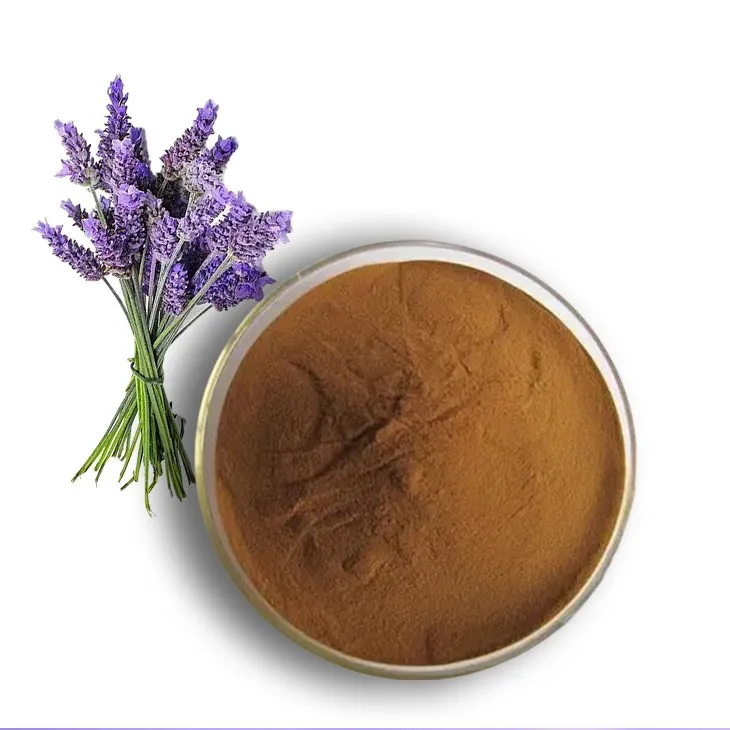
Lavender Extract
2026-07-15
-
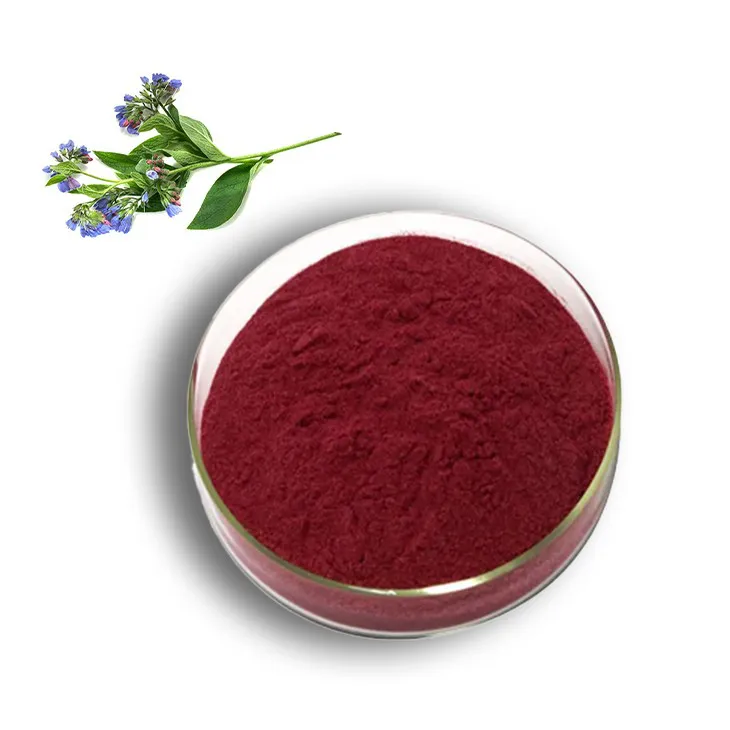
Shikonin
2026-07-15
-
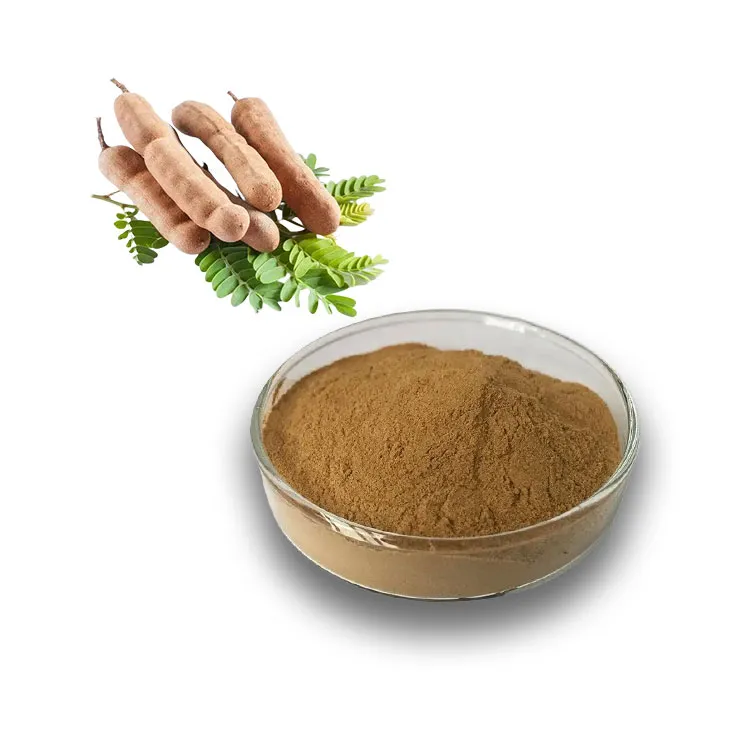
Tamarind extract powder
2026-07-15
-
Eucommia Ulmoides Extract
2026-07-15
-
Golden Seal Extract
2026-07-15
-
Purple Sweet Potato Extract
2026-07-15
-
Saffron Extract Powder
2026-07-15
